Erinomainen kestävyys ja pitkäaikainen arvo
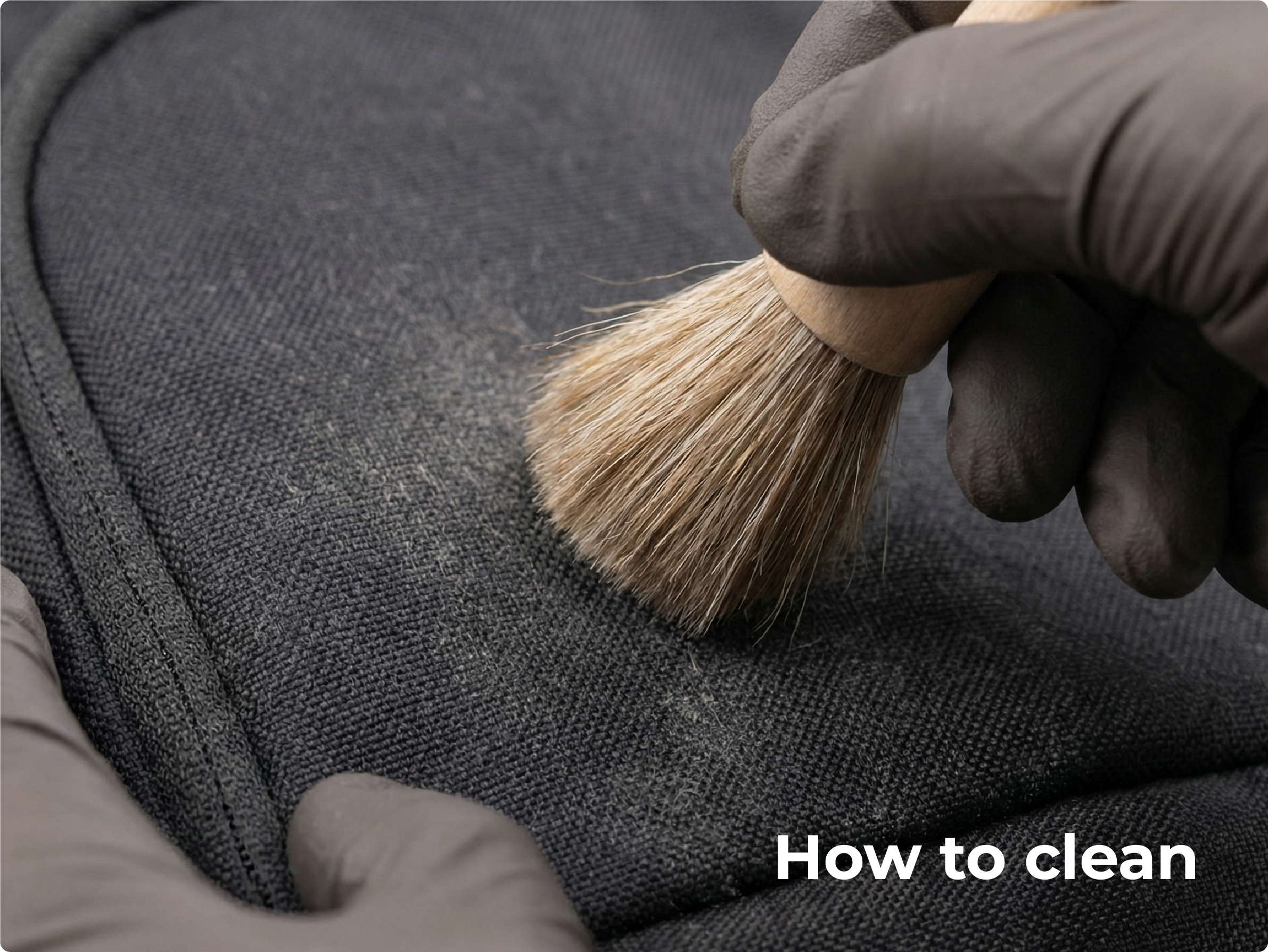
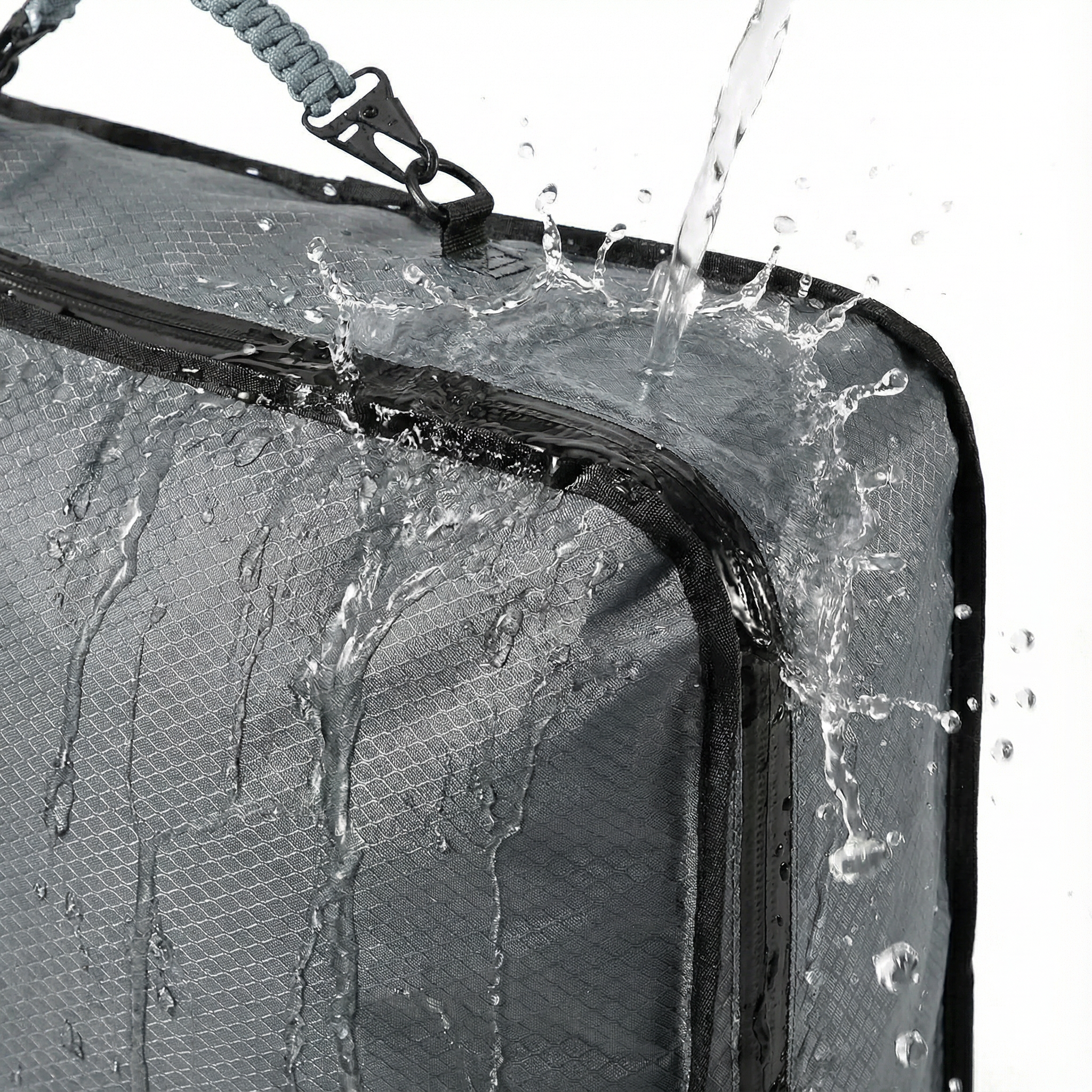
Laadukkaan 40 litran kuivapussin kestävyysominaisuudet on suunniteltu siten, että se kestää ulkoiluun liittyviä vaativia olosuhteita ja tarjoaa vuosikausia luotettavaa käyttöä, mikä perustelee alkuun tehdyn sijoituksen. Tämä kestävyys alkaa materiaalin valinnasta: valmistajat käyttävät kankaissaan erityisesti kulumisvastaisuutta, ripsumislujuutta ja UV-stabiiliutta varten arvioituja materiaaleja, jotta pussi säilyttää rakenteellisen eheytensä toistuvan altistumisen auringonvalolle, suolavedelle, hiekalle, kiville ja karkealle käsittelylle. Rakennukseen käytettyjen kankaiden denier-luku korreloi suoraan kestävyyden kanssa: korkeammat denier-luvut viittaavat paksuumpaan ja kestävämpään materiaaliin, joka vastustaa läpimurtoja teräviltä esineiltä, kuten kalastuskoukuilta, veneen kiinnikkeiltä tai puun oksilta, joita tavataan ulkoilutoiminnassa. Vahvistustekniikat, kuten kaksinkertaiset pohjat, kulmasuojat ja rasituspisteiden tukinnaulaus (bartacking), lisäävät suojaa niissä alueissa, jotka ovat eniten kulumisen vaarassa, estäen yleisiä vauriokohtia, joita heikommat pussit usein saavat. 40 litran kuivapussien valmistukseen käytettyjen materiaalien kemiallinen koostumus vastustaa hajoamista suolaveden vaikutuksesta, joka yleensä syövyttää metalleja ja hajottaa tavallisia kankaita, mikä tekee nämä pussit ihanteellisiksi meriympäristöihin, joissa tavallinen varuste nopeasti rappeutuu. UV-estäjät, jotka on sisällytetty materiaalin koostumukseen, estävät auringon voimakkaita säteitä heikentämästä kankaan rakennetta ajan myötä – tämä on ratkaisevan tärkeä ominaisuus laitteille, joita käytetään säännöllisesti avoimessa ulkoilmassa, jossa varjoa on vähän. Pakastekäräyksen kestävyys varmistaa, että materiaalit säilyvät joustavina ja toimintakykyisinä myös pakkasessa, estäen sen haurastumisen, joka aiheuttaa tavallisissa muoveissa murtumia talvitoiminnan tai korkealla vuoristossa suoritettujen retkien aikana. Kiinnikkeiden, lukkojen ja muun metalliosien laatu vaikuttaa merkittävästi kokonaiskestävyyteen: huippuluokan mallit käyttävät lasikuitua sisältävää nylonia tai merenkäyttöön soveltuvia muoveja, jotka vastustavat iskuvaurioita ja säilyttävät sulkeutumisintegriteetin tuhansien avaaminen-sulkeminen-kiertojen ajan. Korrosionestävät päällykset metalliosissa estävät ruosteen muodostumisen, joka muuten vaarantaisi toiminnallisuuden suolaveden altistumisen jälkeen, mikä takaa, että lukot ja D-renkaat pysyvät toimintakykyisinä vuodesta toiseen. Hyvin rakennetun 40 litran kuivapussin korjattavuus lisää sen pitkäaikaista arvoa: korjauspaketteja ja liimoja käyttämällä käyttäjät voivat korjata pienet läpimurrot tai kulumavauriot ilman, että koko pussi täytyy vaihtaa, mikä merkittävästi pidentää käyttöikää verrattuna kerrankäytettäviin vaihtoehtoihin. Oikeat hoitotavat, kuten pesu suolaveden käytön jälkeen, perusteellinen kuivatus ennen varastointia ja välttäminen pitkäaikaista altistumista äärimmäiselle lämmölle, maksimoivat kestävyyttä ja säilyttävät vesitiukkuuden tuotteen koko käyttöiän ajan. Kestävän 40 litran kuivapussin käyttökustannus laskettuna käyttökerran perusteella paranee yhä enemmän jokaisen retken myötä, sillä yksi laadukas pussi voi korvata kymmeniä kerrankäytettäviä tai alhaisempaa laatua olevia vaihtoehtoja sen elinkaaren aikana, mikä vähentää sekä taloudellisia kustannuksia että ympäristövaikutuksia. Monet valmistajat takaavat kestävyysväitteensä laajalla takuulla, joka vaihtelee yhdestä vuodesta elinikäiseen takuuseen, mikä osoittaa luottamusta rakennelaatua kohtaan ja antaa asiakkaille mahdollisuuden vaatia korvausta, jos puutteita ilmenee. Nämä pussit ovat niin kestäviä, että ne usein kestävät pidempään kuin muu ulkoiluvaruste ja muodostuvat luotettaviksi kumppaneiksi, jotka seuraavat käyttäjiä lukemattomien retkien aikana useiden vuosien tai jopa vuosikymmenten ajan.


 EN
EN