Best Packing Cubes for Backpacking: Ultimate Organization Guide 2024

Contact me immediately if you encounter problems!

All Categories

Get a Free Quote

Our representative will contact you soon.
Email
Name
Company Name
Message
0/1000

best packing cubes for backpacking

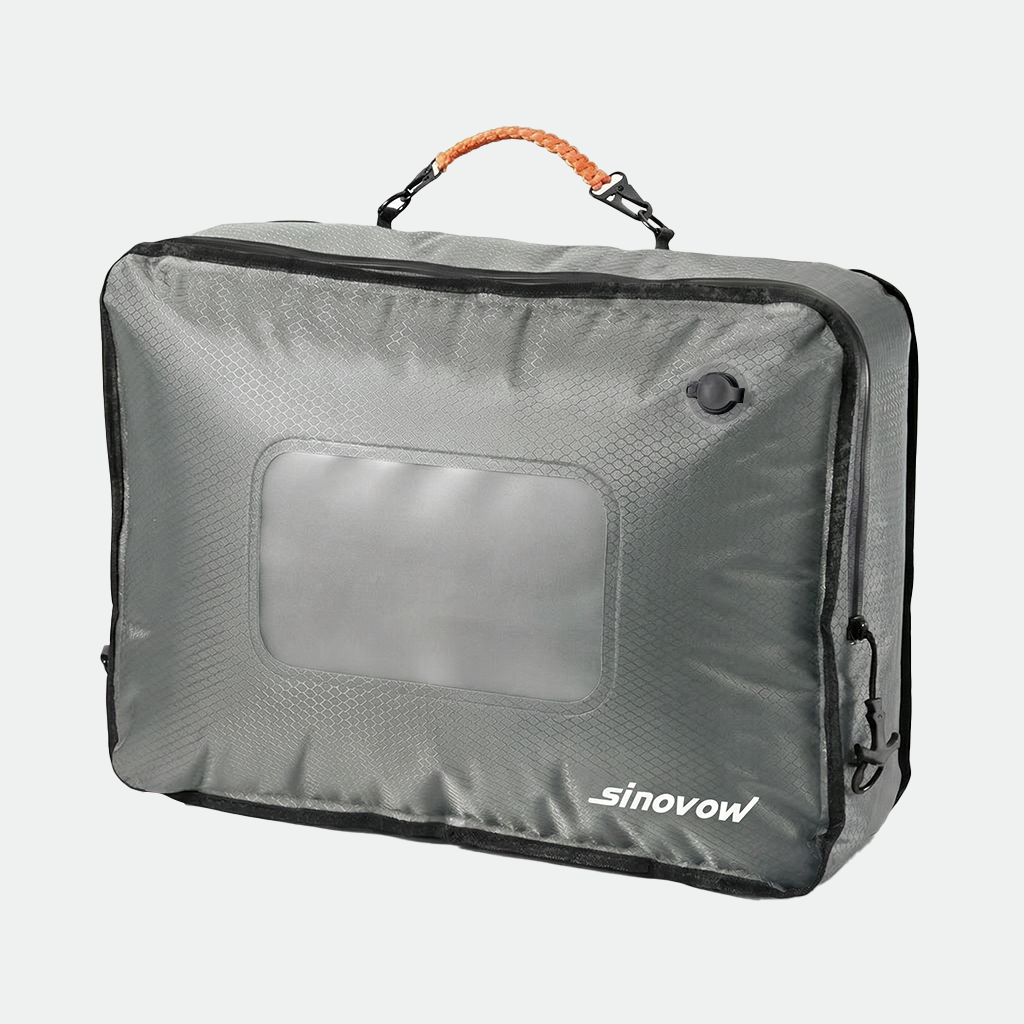
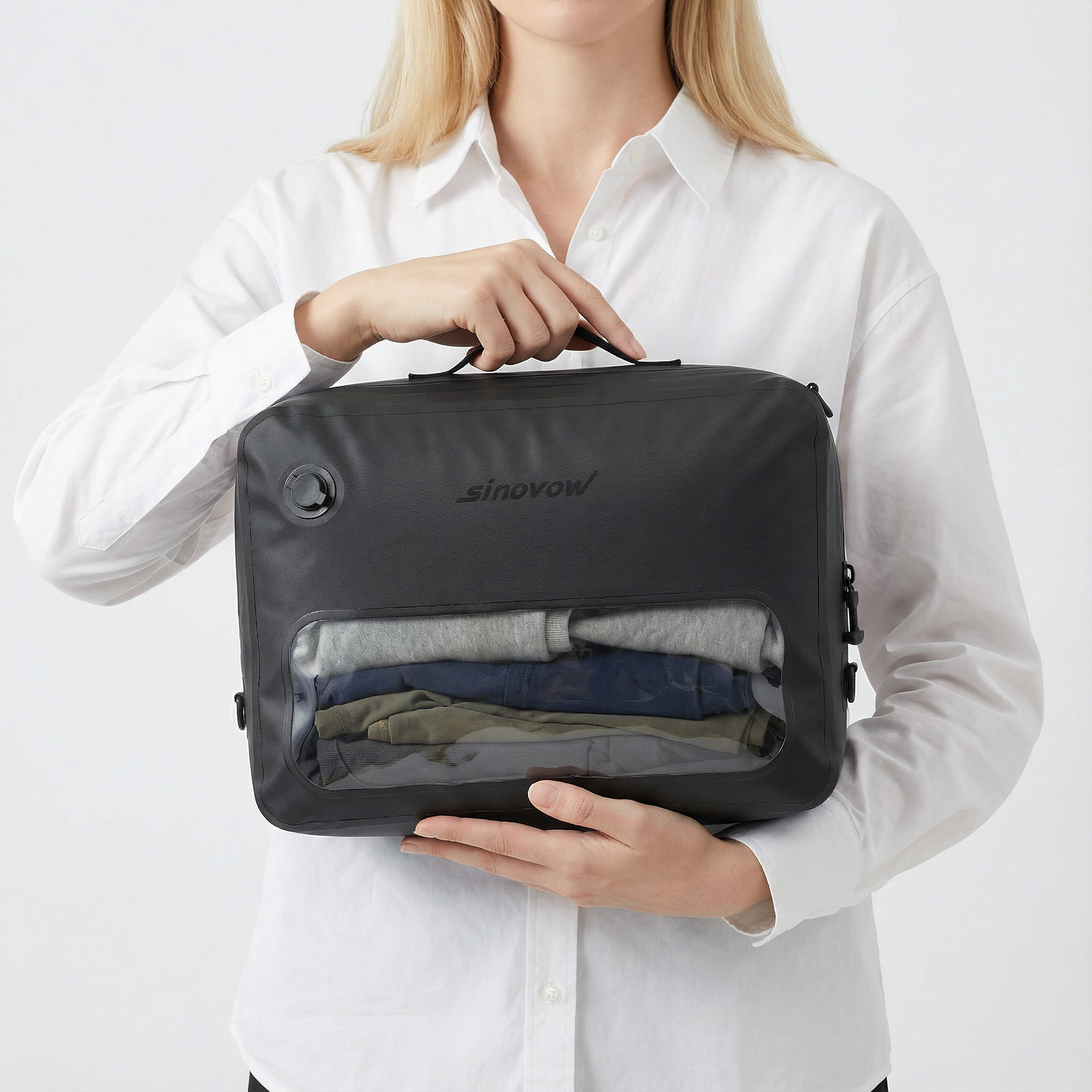
When exploring the world with nothing but a backpack, organization becomes paramount to enjoying your journey. The best packing cubes for backpacking represent innovative storage solutions that transform chaotic luggage into systematically arranged compartments. These lightweight fabric containers come in various sizes, allowing travelers to categorize clothing, accessories, and gear efficiently. The best packing cubes for backpacking feature durable materials like ripstop nylon or polyester, engineered to withstand the rigors of constant travel while maintaining minimal weight. Their main function revolves around compartmentalization, enabling backpackers to separate clean clothes from dirty ones, isolate specific outfit combinations, and compress garments to maximize limited backpack space. Technological features include compression zippers that squeeze air from packed items, reducing overall volume by up to forty percent. Mesh panels integrated into these cubes provide visibility, allowing travelers to identify contents without unpacking everything. Water-resistant coatings protect belongings from unexpected weather conditions or accidental spills. The best packing cubes for backpacking typically incorporate reinforced stitching at stress points, ensuring longevity even when stuffed to capacity. Applications extend beyond simple clothing storage; adventurers use them for organizing electronics cables, toiletries, first-aid supplies, and snacks. Different color options help distinguish between categories at a glance, streamlining the packing and unpacking process in hostels or campsites. The modular design allows backpackers to remove only necessary cubes for day trips while leaving others secured in accommodation. Double-zipper pulls facilitate easy access from either direction, and grab handles enable quick extraction from tight spaces. These organizational tools prove invaluable for multi-destination trips where frequent repacking occurs, maintaining order throughout extended journeys while protecting delicate items from crushing or wrinkling during transit.

New Product Releases

Investing in the best packing cubes for backpacking delivers immediate organizational benefits that enhance every aspect of your travel experience. You gain instant access to specific items without rummaging through your entire backpack, saving precious time during rushed morning departures or quick clothing changes. These cubes create distinct zones within your pack, preventing the frustrating tangle of shirts, socks, and electronics that plagues disorganized travelers. The compression capability allows you to fit significantly more items into the same backpack volume, essentially expanding your carrying capacity without purchasing larger luggage. This space efficiency proves crucial when traveling with carry-on restrictions or navigating crowded public transportation where bulky bags become problematic. The best packing cubes for backpacking protect your belongings from dirt and moisture encountered in hostels, buses, or outdoor environments, maintaining garment freshness throughout extended trips. You experience reduced wrinkles in your clothing because items remain neatly folded and compressed rather than shifting randomly during transit. The systematic approach encourages mindful packing, helping you identify unnecessary items before departure and avoid overpacking tendencies. Weight distribution improves when you strategically place filled cubes within your backpack, balancing the load for comfortable carrying during long walking days. Security increases as well, since organized packs undergo faster inspections at checkpoints, and you immediately notice if something goes missing. The best packing cubes for backpacking simplify laundry management by dedicating one cube exclusively for soiled garments, preventing contamination of clean clothes. During multi-week adventures, you maintain sanity by preserving order despite constantly moving between accommodations. The durability of quality cubes means your investment lasts through countless journeys, providing consistent organizational support trip after trip. You reduce stress levels significantly because knowing exactly where everything lives eliminates the anxiety of lost items. Fellow travelers often admire your efficiency when you extract exactly what you need within seconds. The versatility extends beyond backpacking; these cubes transition seamlessly to suitcase travel, gym bags, or home storage. Parents particularly appreciate how the best packing cubes for backpacking help manage children's belongings during family adventures. Environmental consciousness receives a boost because organized packing reduces the temptation to purchase forgotten items at inflated tourist prices. Your backpack remains tidy even after security checks or customs inspections that require opening compartments. The psychological benefit of maintained organization contributes to overall travel enjoyment, allowing you to focus on experiences rather than logistics.

Practical Tips

Top Buckle Brands for Bags

23

Dec

Top Buckle Brands for Bags

View More
Why Dyneema® (UHMWPE) is a Game-Changer for Bags

23

Dec

Why Dyneema® (UHMWPE) is a Game-Changer for Bags

View More
TPU vs PVC: Choosing the Right Material for Waterproof Bags

23

Dec

TPU vs PVC: Choosing the Right Material for Waterproof Bags

View More
Why Sinovow Bags Is a Reliable China Bag Factory

23

Dec

Why Sinovow Bags Is a Reliable China Bag Factory

View More

Get a Free Quote

Our representative will contact you soon.
Email
Name
Company Name
Message
0/1000

best packing cubes for backpacking

Superior Compression Technology Maximizes Backpack Capacity

Superior Compression Technology Maximizes Backpack Capacity

The revolutionary compression systems integrated into the best packing cubes for backpacking represent a game-changing advancement for travelers facing limited carrying capacity. Traditional packing methods trap substantial air between garments, wasting valuable backpack volume that could accommodate additional essentials. Modern compression cubes employ specialized dual-zipper mechanisms that systematically expel this trapped air, condensing clothing to a fraction of its original size. The engineering behind these compression features involves strategically positioned zippers that create controlled pressure points across the fabric surface. As you close the compression zipper after filling the cube, the two sides draw together, forcing air outward through the permeable fabric weave while maintaining garment integrity. This technology proves particularly effective with soft items like fleece jackets, cotton shirts, and synthetic materials that naturally contain air pockets. The best packing cubes for backpacking achieve compression ratios reaching forty to fifty percent volume reduction without damaging fabric fibers or causing permanent creasing. The practical implications transform packing strategies entirely; backpackers suddenly discover room for that extra sweater, additional book, or souvenir purchases that previously seemed impossible. Weight distribution benefits emerge because compressed cubes create denser, more stable load packages that prevent shifting during movement. The compression feature accommodates various packing philosophies, from minimalist travelers who compress everything to maximize space, to those who selectively compress off-season items while leaving daily-wear clothes easily accessible. Material science plays a crucial role, as the cube fabric must withstand compression tension repeatedly without tearing or losing shape. Premium options incorporate ripstop patterns that distribute stress across the material, preventing small tears from propagating. The compression technology particularly shines during return journeys when acquired items fill your backpack beyond original capacity. Backpackers appreciate how compressed cubes transform awkward, bulging packs into streamlined, manageable loads. The consistent rectangular shape of compressed cubes facilitates efficient tetris-like arrangement within backpack compartments, eliminating wasted gaps. Long-term travelers undertaking multi-month journeys rely on this compression capability to rotate seasonal clothing without carrying unnecessary bulk. The best packing cubes for backpacking balance compression effectiveness with accessibility, ensuring that squeezing items down does not create such tight packs that extraction becomes difficult.
Strategic Mesh Panel Design Provides Instant Content Visibility

Strategic Mesh Panel Design Provides Instant Content Visibility

The thoughtfully engineered mesh panel construction found in the best packing cubes for backpacking addresses one of travel's most frustrating challenges: identifying packed items without complete unpacking. Traditional opaque storage bags force travelers to open every container, disrupting carefully arranged systems and wasting time during rushed situations. Advanced mesh panel technology solves this problem through carefully selected synthetic materials that balance transparency with durability. The mesh typically covers the top panel of each cube, providing clear views of contents while maintaining structural integrity under the pressure of compressed items. This visibility feature transforms the packing experience from guesswork into immediate recognition, allowing backpackers to locate specific garments within seconds. The engineering considerations involve selecting mesh density that prevents small items from protruding while maintaining sufficient openness for visual identification. The best packing cubes for backpacking utilize multi-filament polyester mesh that resists snagging on zippers, buckles, or rough backpack interiors. Breathability represents another crucial benefit of mesh construction, allowing moisture vapor to escape rather than creating damp, musty environments that encourage mildew growth. This ventilation proves essential in humid climates or when packing slightly damp items after incomplete drying. The strategic placement of mesh panels considers practical usage patterns; top-mounted mesh allows viewing when cubes sit horizontally in backpacks, while some designs incorporate side mesh for vertical storage configurations. Color-coordinated mesh borders help categorize cubes by content type—travelers might designate blue mesh for shirts, green for undergarments, and red for accessories. The transparency encourages accountability in packing decisions; seeing exactly what occupies space motivates travelers to eliminate redundant items and pack more intentionally. Quality mesh construction withstands repeated abrasion from backpack contents shifting during transit, maintaining clarity even after months of continuous use. The best packing cubes for backpacking feature reinforced mesh borders where fabric transitions to zipper tape, preventing the common failure point of mesh separation. Airport security personnel appreciate mesh-equipped cubes because they facilitate rapid visual inspections without requiring complete unpacking. Families traveling together benefit tremendously from mesh visibility, as parents can quickly verify children have packed necessary items without invasive searches. The psychological comfort of seeing your belongings through mesh panels reduces travel anxiety associated with forgotten items.
Lightweight Durable Construction Withstands Travel Demands

Lightweight Durable Construction Withstands Travel Demands

The material engineering behind the best packing cubes for backpacking represents a careful balance between featherlight weight and battlefield-grade durability that serious travelers demand. Every gram matters when carrying belongings across continents, yet flimsy construction leads to frustrating failures at the worst possible moments. Premium packing cubes employ advanced ripstop nylon fabrics originally developed for parachutes and sailing equipment, where failure consequences prove catastrophic. This fabric features reinforced thread patterns woven at regular intervals, creating a grid that stops tears from propagating even when punctured by sharp objects. The denier rating indicates thread thickness; the best packing cubes for backpacking typically utilize fabrics between 150D and 400D, providing optimal strength-to-weight ratios. Water-resistant coatings applied during manufacturing protect contents from splashes, humidity, and light rain without adding significant bulk or weight. These treatments cause water droplets to bead and roll off rather than saturating the fabric, buying precious time to protect electronics or important documents during unexpected weather. Zipper quality determines longevity more than any other component; premium cubes feature YKK or similar high-grade zippers that glide smoothly under tension and resist corrosion from salt air or chlorine exposure. The zipper tape reinforcement where fabric meets closure mechanism distributes stress that would otherwise concentrate at individual stitching points. Thread selection matters enormously; bonded nylon threads resist UV degradation and abrasion while maintaining flexibility through temperature extremes. The best packing cubes for backpacking incorporate bartack reinforcements at handle attachment points and stress corners, where forces concentrate during lifting or extracting from packed backpacks. Handle design considers ergonomics; webbing handles wide enough for comfortable gripping yet thin enough to avoid bulk when cubes nest together. Color-fastness ensures that vibrant hues do not bleed onto clothing when exposed to moisture or friction during transit. Seam construction typically employs double-stitched or French seam techniques that enclose raw fabric edges, preventing fraying that begins at cut edges. Environmental considerations increasingly influence material selection, with leading manufacturers exploring recycled polyester options that maintain performance while reducing ecological impact. The dimensional stability of quality fabrics means cubes retain their rectangular shape even when partially filled, facilitating efficient packing arrangements. Temperature resistance ensures materials do not become brittle in freezing alpine conditions or limp in tropical heat.

Get a Free Quote

Our representative will contact you soon.
Email
Name
Company Name
Message
0/1000