Premium Climbing Packs - Durable Backpacks for Rock Climbing & Mountaineering Adventures

Contact me immediately if you encounter problems!

All Categories

Get a Free Quote

Our representative will contact you soon.
Email
Name
Company Name
Message
0/1000

climbing packs

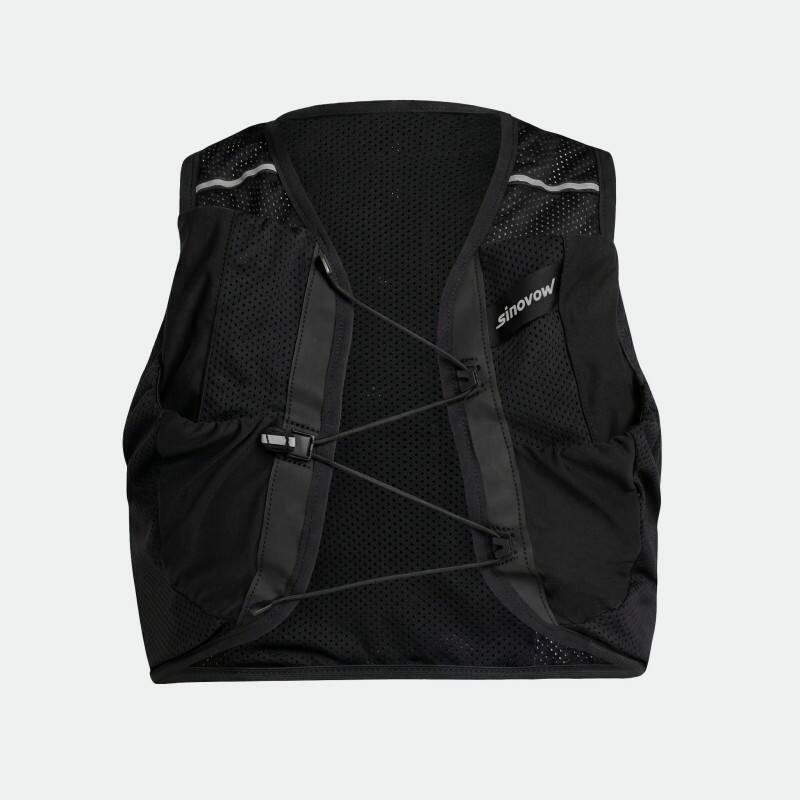
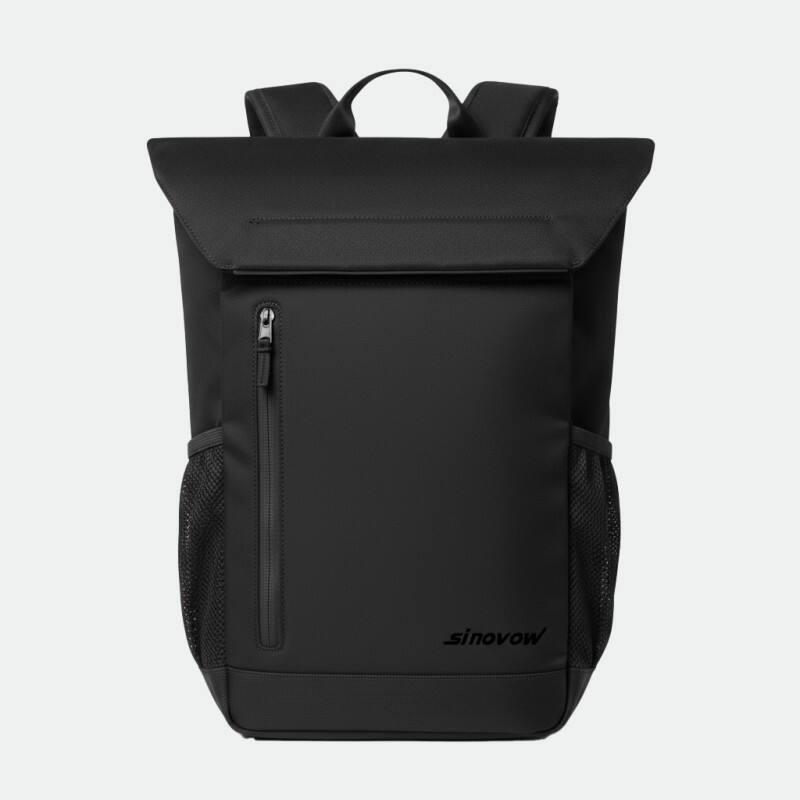
Climbing packs represent essential equipment for mountaineers, rock climbers, and outdoor enthusiasts who demand reliable gear storage solutions during vertical adventures. These specialized backpacks are engineered specifically for climbing activities, distinguishing themselves from traditional hiking packs through their streamlined profiles, strategic weight distribution systems, and climbing-specific features. The main functions of climbing packs include carrying essential climbing equipment such as ropes, carabiners, harnesses, helmets, quickdraws, and personal items while maintaining the wearer's balance and mobility on challenging terrain. Modern climbing packs incorporate advanced technological features including lightweight yet durable materials like ripstop nylon and Cordura fabric, which resist abrasion against rock surfaces while minimizing overall pack weight. The compression strap systems allow climbers to secure loads tightly against their backs, preventing shifting during dynamic movements. Gear loops and attachment points are strategically positioned for quick access to equipment without removing the pack. Hydration system compatibility ensures climbers stay properly hydrated during extended ascents. The suspension systems in climbing packs utilize foam padding and ventilated back panels that promote airflow while providing comfort during long approaches. Applications for climbing packs span multiple climbing disciplines including traditional rock climbing, sport climbing, alpine mountaineering, ice climbing, and bouldering expeditions. Capacity ranges typically vary from compact 20-liter daypacks for single-pitch climbs to spacious 65-liter expedition packs for multi-day alpine objectives. The versatility of climbing packs makes them suitable for approach hikes, summit pushes, technical climbing routes, and even ski mountaineering adventures. Reinforced bottom panels protect against rough ground contact, while helmet attachment systems and rope-carrying options accommodate bulky climbing gear. Weather-resistant coatings and roll-top closures provide protection against mountain weather conditions, ensuring gear remains dry during unexpected precipitation. The thoughtful design of climbing packs reflects decades of evolution informed by professional climbers and mountaineering experts who understand the unique demands of vertical environments.

New Product Recommendations

Climbing packs deliver significant practical benefits that directly enhance your climbing experience and safety on the mountain. The specialized design prioritizes freedom of movement, allowing you to reach overhead for holds, twist your torso during technical sequences, and maintain balance on narrow ledges without the pack interfering with your natural climbing motions. This mobility advantage stems from the close-to-body fit that climbing packs achieve through adjustable torso lengths and hip belt systems that anchor the load securely at your center of gravity. You will appreciate how these packs distribute weight efficiently across your shoulders, hips, and back, reducing fatigue during long approach hikes and allowing you to conserve energy for the actual climbing ahead. The organizational systems built into climbing packs save you valuable time by providing dedicated spaces for specific gear types, eliminating the frustration of digging through a disorganized pack while your climbing partners wait. Quick-access pockets let you grab snacks, sunscreen, or your camera without fully unpacking, while internal dividers separate clean clothes from muddy equipment. The durability of climbing packs means your investment lasts through years of abrasive contact with rock, ice, and rough terrain that would quickly destroy ordinary backpacks. Reinforced construction at high-wear areas extends the lifespan significantly, protecting your gear investment over countless climbing seasons. Weather protection features keep your spare layers, sleeping bag, and electronics dry during sudden mountain storms, preventing the dangerous situation of wet insulation at high altitude. The streamlined profile of climbing packs reduces snag hazards when squeezing through chimneys or navigating dense vegetation during approach trails, a safety consideration that prevents dangerous entanglements. Load compression capabilities allow you to cinch down partial loads for day climbs or expand capacity for multi-day expeditions, providing versatility that eliminates the need to own multiple packs for different climbing objectives. The hydration system integration encourages proper fluid intake by making water constantly accessible without stopping to retrieve bottles, helping you maintain performance and avoid altitude-related complications. Climbing packs also enhance partner dynamics by reducing the time spent managing gear, allowing your team to move efficiently and maintain climbing momentum. The comfort features including padded shoulder straps and breathable back panels prevent hot spots and chafing during extended wear, letting you focus on route finding rather than discomfort. Ice tool attachments and crampon pockets accommodate technical equipment safely, preventing sharp points from damaging other gear or injuring you during falls. The relatively light weight of modern climbing packs compared to traditional mountaineering packs means you carry less unnecessary material up the mountain, improving your power-to-weight ratio and climbing performance.

Latest News

Different Types of Zippers

23

Dec

Different Types of Zippers

View More
What Are the Key Material Properties of Polyester vs Nylon

23

Dec

What Are the Key Material Properties of Polyester vs Nylon

View More
How to Clean Your Backpack

23

Dec

How to Clean Your Backpack

View More
Why Sinovow Bags Is a Reliable China Bag Factory

23

Dec

Why Sinovow Bags Is a Reliable China Bag Factory

View More

Get a Free Quote

Our representative will contact you soon.
Email
Name
Company Name
Message
0/1000

climbing packs

Advanced Load Management and Balance Systems for Technical Terrain

Advanced Load Management and Balance Systems for Technical Terrain

The sophisticated load management systems integrated into climbing packs represent a fundamental advantage for anyone tackling technical vertical terrain where balance and body positioning prove critical to success and safety. Unlike conventional backpacks that simply hang weight on your shoulders, climbing packs employ biomechanically optimized suspension architectures that position loads in alignment with your natural center of gravity, maintaining stability during dynamic climbing movements. The adjustable torso length systems accommodate different body proportions, ensuring the hip belt sits precisely on your iliac crest where skeletal structure can support weight most efficiently, rather than relying solely on muscular effort that leads to rapid fatigue. This precise fit adjustment transforms how weight feels on your body, converting what might be an exhausting burden into a manageable load that moves in harmony with your climbing motions. The compression strap networks found on quality climbing packs serve multiple critical functions beyond simple load reduction. These straps allow you to eliminate dead space inside the pack that would otherwise permit contents to shift unpredictably during off-balance moves or sudden direction changes on challenging pitches. When you tighten compression straps properly, the entire pack becomes a stable extension of your torso rather than an unwieldy external mass that pulls you off balance at critical moments. The side compression straps also provide convenient attachment points for oversized items like approach shoes or a tent that exceed internal capacity, expanding your carrying options without compromising the pack's streamlined profile. The sternum strap and load lifter straps work synergistically to fine-tune how weight distributes across your upper body, preventing the shoulder-rolling forward posture that restricts breathing and reduces your reach on technical sequences. By adjusting load lifters to pull the pack's top closer to your shoulders, you shift weight off your shoulder straps and onto your hip belt, a particularly valuable adjustment during steep uphill approaches when leg muscles can more efficiently handle the burden. Modern climbing packs incorporate removable framesheet systems or internal aluminum stays that provide structural support preventing the pack from sagging away from your back, which would create dangerous leverage forces pulling you backward off balance. These frame systems maintain pack shape even with irregular loads, ensuring consistent carrying characteristics whether you are hauling a full rack of protection gear or just a light summit pack load.
Strategic Gear Organization and Rapid Access Features for Climbing Efficiency

Strategic Gear Organization and Rapid Access Features for Climbing Efficiency

The intelligent organization systems purpose-built into climbing packs dramatically improve your efficiency on climbing objectives by ensuring every piece of equipment has a designated, easily accessible location that supports smooth logistics throughout your climbing day. The frustration of frantically searching through a jumbled pack while standing on a uncomfortable belay stance becomes eliminated when you utilize the thoughtfully designed compartmentalization that characterizes quality climbing packs. Top-loading main compartments with extension collars allow you to pack large, awkward items like rope bags, sleeping bags, or puffy jackets that resist fitting into conventionally shaped openings, while drawstring and roll-top closures secure contents reliably even when packed beyond nominal capacity. Many climbing packs feature front panel zipper access that opens the main compartment like a suitcase, providing visibility and reach to items packed deep inside without forcing you to unpack everything sequentially from the top, a game-changing convenience when you need to retrieve a mid-layer or first aid kit buried beneath climbing hardware. External gear loops strategically positioned along the pack's exterior provide clip-in points for carabiners, quickdraws, and specialized equipment you need to access instantly without stopping to remove your pack, supporting continuous movement efficiency on multi-pitch routes. Ice tool carry systems utilize reinforced attachment points with secure retention straps that hold axes and tools firmly against the pack during approaches, then release quickly when you transition to technical climbing requiring these implements. Crampon pockets built into many climbing packs isolate sharp-pointed traction devices in puncture-resistant compartments that protect both the pack fabric and other gear from damage, while external positioning allows muddy or wet crampons to dry during travel without contaminating clothing or sleeping equipment inside. Dedicated rope storage solutions including internal rope tarps or bottom compartments with separate access points keep climbing ropes organized and protected from dirt and abrasion that degrades their safety performance over time, while also preventing the tangled mess that occurs when rope mixes freely with other gear. Hydration reservoir sleeves with routing channels for drink tubes built into the shoulder straps ensure water remains accessible during climbs without requiring you to stop, remove your pack, and retrieve water bottles, maintaining hydration discipline that prevents performance decline and altitude complications. Multiple external pockets in strategic locations provide organization for smaller items like energy bars, sunscreen, lip balm, and navigation tools that you need to access frequently throughout the day, eliminating the inefficiency of opening the main compartment repeatedly for minor items.
Durability Engineering and Weather Protection for Harsh Mountain Environments

Durability Engineering and Weather Protection for Harsh Mountain Environments

The specialized construction methods and material technologies incorporated into climbing packs ensure they withstand the punishing environmental conditions and abrasive contact inherent to mountaineering pursuits, protecting your gear investment while safeguarding the equipment stored inside from weather damage that could compromise climbing safety. Climbing environments subject equipment to extraordinary wear mechanisms that quickly destroy ordinary backpacks, including constant abrasion against granite, limestone, and basalt rock surfaces, exposure to intense ultraviolet radiation at high altitude, temperature extremes ranging from scorching sun exposure to sub-zero cold, precipitation in forms from driving rain to heavy snow, and the mechanical stresses of being stuffed into chimneys, dragged across ledges, and generally manhandled during technical climbing sequences. Premium climbing packs combat these destructive forces through strategic material selection that balances tear strength, abrasion resistance, and weight considerations. High-denier ballistic nylon and Cordura fabrics in critical wear zones like the bottom panel and areas contacting your back provide exceptional durability where contact occurs most frequently, while lighter-weight ripstop fabrics in less stressed areas minimize overall pack weight without sacrificing integrity. Reinforced stitching using bar-tack patterns and doubled seams at stress points prevents catastrophic failure where straps attach to the pack body, ensuring the suspension system remains secure even when loaded beyond recommended capacity during emergency situations. Weather protection systems built into climbing packs range from durable water repellent coatings that cause precipitation to bead and roll off fabric surfaces, to fully waterproof roll-top closures that create watertight seals preventing moisture infiltration during sustained storms. Many climbing packs include integrated rain covers that deploy from dedicated compartments, providing an additional protective layer during severe weather while adding minimal weight and bulk during fair conditions. The importance of weather protection extends beyond mere convenience, as wet insulation layers and sleeping bags lose their thermal properties, creating dangerous situations during overnight alpine climbs where maintaining core temperature proves essential to survival. Climbing packs designed for winter mountaineering and ice climbing incorporate additional features like removable bivy pad inserts that provide insulation between your back and the pack's cold exterior, preventing heat loss during rest stops in frigid conditions. The materials used in climbing pack construction resist degradation from repeated freeze-thaw cycles that cause ordinary fabrics to become brittle and crack, ensuring reliable performance across multiple seasons of year-round climbing activity.

Get a Free Quote

Our representative will contact you soon.
Email
Name
Company Name
Message
0/1000