Premium Dry Bags for Hiking - Waterproof Protection for All Outdoor Adventures

Contact me immediately if you encounter problems!

All Categories

Get a Free Quote

Our representative will contact you soon.
Email
Name
Company Name
Message
0/1000

dry bags for hiking

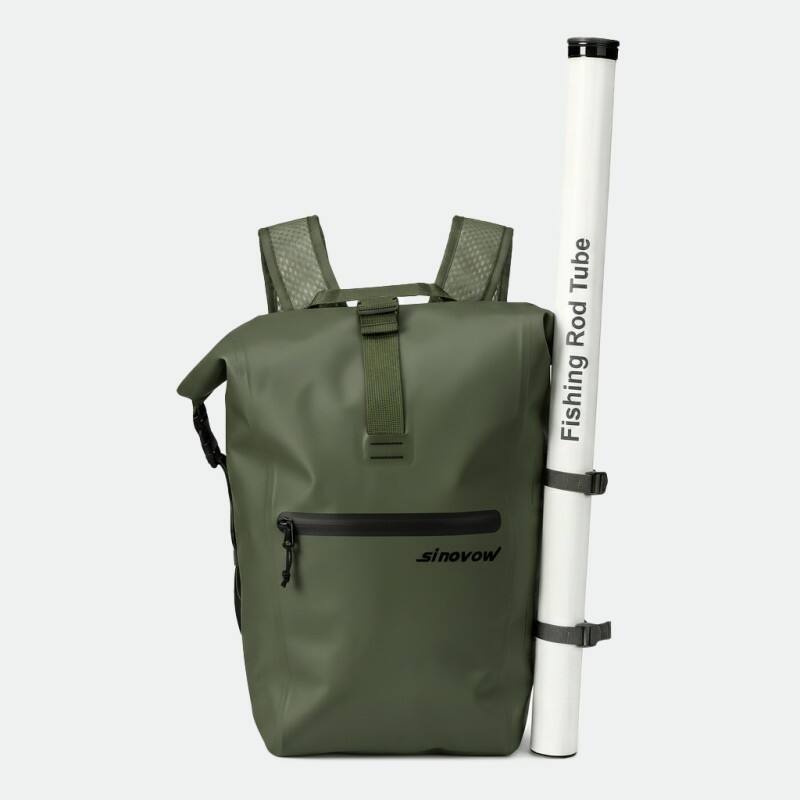
Dry bags for hiking represent an essential piece of equipment for outdoor enthusiasts who demand reliable protection for their valuable gear during wilderness adventures. These specialized waterproof storage solutions serve as a critical barrier between your essential items and the unpredictable elements encountered on hiking trails. The primary function of dry bags for hiking centers on creating an impenetrable seal that prevents water, moisture, dust, and debris from compromising the contents within. Through innovative roll-top closure systems and welded seam construction, these bags deliver dependable performance across diverse environmental conditions. The technological features incorporated into modern dry bags for hiking include advanced waterproof materials such as vinyl-coated polyester, thermoplastic polyurethane, and reinforced nylon fabrics that offer exceptional durability ratings. Many models feature radio-frequency welded seams rather than stitched construction, eliminating potential weak points where water might penetrate. The roll-top closure mechanism typically requires three to five folds before clipping, creating multiple layers of protection against water ingress. Applications for dry bags for hiking extend across numerous outdoor scenarios, from day hikes through rainforests to multi-day backpacking expeditions in alpine environments. Hikers utilize these protective containers to safeguard electronics including smartphones, GPS devices, cameras, and portable chargers from sudden downpours or accidental stream crossings. Clothing items, sleeping bags, first aid supplies, food provisions, and important documents all benefit from the waterproof protection these bags provide. The versatility of dry bags for hiking makes them indispensable for river crossings, coastal trail hiking, canyon exploration, and any adventure where moisture exposure poses a threat to gear integrity. Available in various capacities ranging from compact two-liter versions for day trips to spacious forty-liter models for extended expeditions, these bags accommodate diverse storage requirements while maintaining their fundamental protective qualities throughout demanding outdoor conditions.

Popular Products

Investing in quality dry bags for hiking provides numerous practical benefits that directly enhance your outdoor experience and protect your valuable equipment investment. The most immediate advantage involves complete peace of mind knowing your essential items remain protected regardless of weather conditions you encounter on the trail. Unlike standard backpacks or storage bags, dry bags for hiking create a waterproof sanctuary for items that cannot tolerate moisture exposure, eliminating anxiety about sudden rainstorms or unexpected water crossings. This protection extends beyond mere water resistance to include dust prevention, sand exclusion, and general contamination barriers that standard bags cannot match. The durability factor represents another significant benefit, as properly constructed dry bags withstand years of rigorous outdoor use without degradation. Heavy-duty materials resist punctures from sharp objects, abrasion from rocky terrain, and general wear from repeated folding and unfolding. This longevity translates directly into cost savings, as one quality dry bag outlasts multiple standard storage solutions. The organizational advantages cannot be overstated, as these bags help hikers systematically separate gear categories within their main backpacks. Using different colored or sized dry bags for hiking allows quick identification and access to specific items without unpacking entire loads. This system proves invaluable during brief rest stops or when seeking specific items in low-light conditions. The compression capability of dry bags for hiking provides space-saving benefits that maximize backpack capacity. By removing excess air during the rolling and sealing process, hikers reduce the volume occupied by soft items like clothing and sleeping bags, creating room for additional supplies or reducing overall pack weight distribution. Versatility represents another practical advantage, as these bags serve multiple purposes beyond simple storage. They function as emergency flotation devices, improvised pillows filled with soft clothing, bear-resistant food storage when properly secured, and even water carriers in survival situations. The transparent or translucent options available in many dry bags for hiking facilitate quick visual inventory checks without opening seals, saving time and maintaining protection integrity. Cleaning and maintenance prove remarkably simple, requiring only basic rinsing and air drying between uses. The non-absorbent materials resist odor retention and bacterial growth, promoting hygiene during extended trips. Finally, the affordable price point relative to the protection value makes dry bags for hiking an accessible investment for outdoor enthusiasts at all experience levels, from novice day hikers to seasoned wilderness veterans seeking reliable gear protection solutions.

Practical Tips

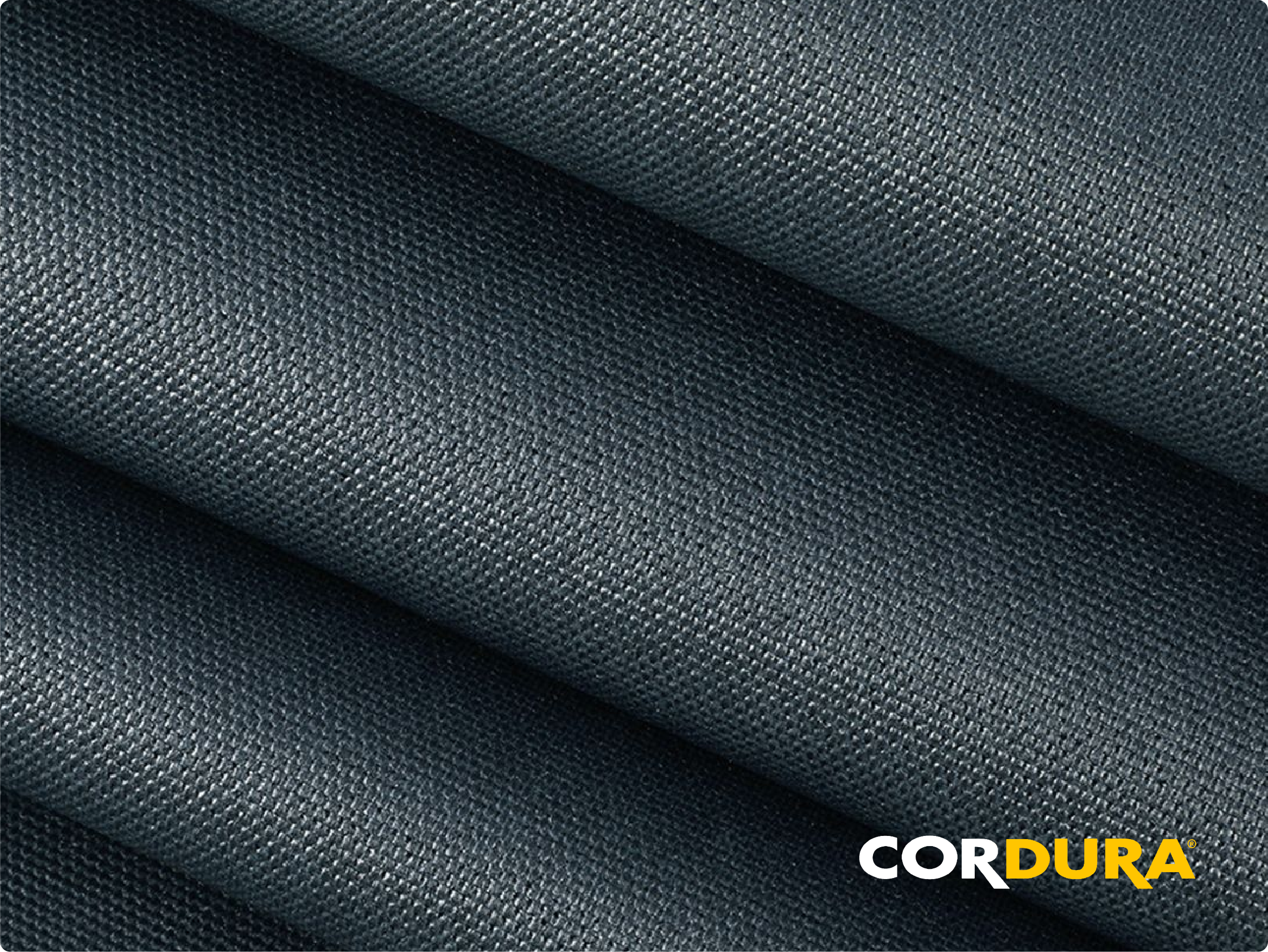
Cordura Fabric

23

Dec

Cordura Fabric

View More
Different Types of Zippers

23

Dec

Different Types of Zippers

View More
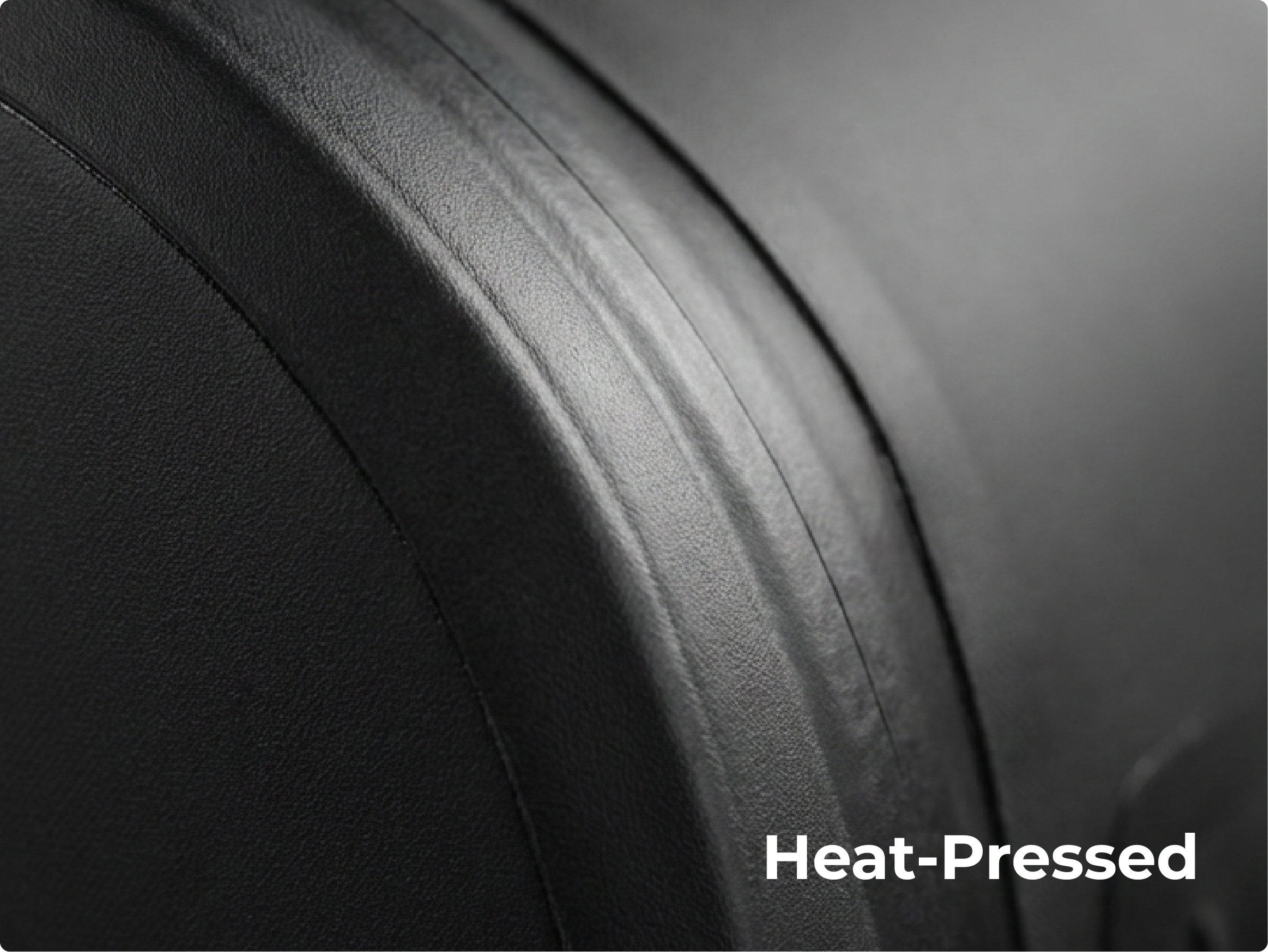
Seamless Heat-Pressed Technology in Bag Manufacturing

23

Dec

Seamless Heat-Pressed Technology in Bag Manufacturing

View More
What Are the Key Material Properties of Polyester vs Nylon

23

Dec

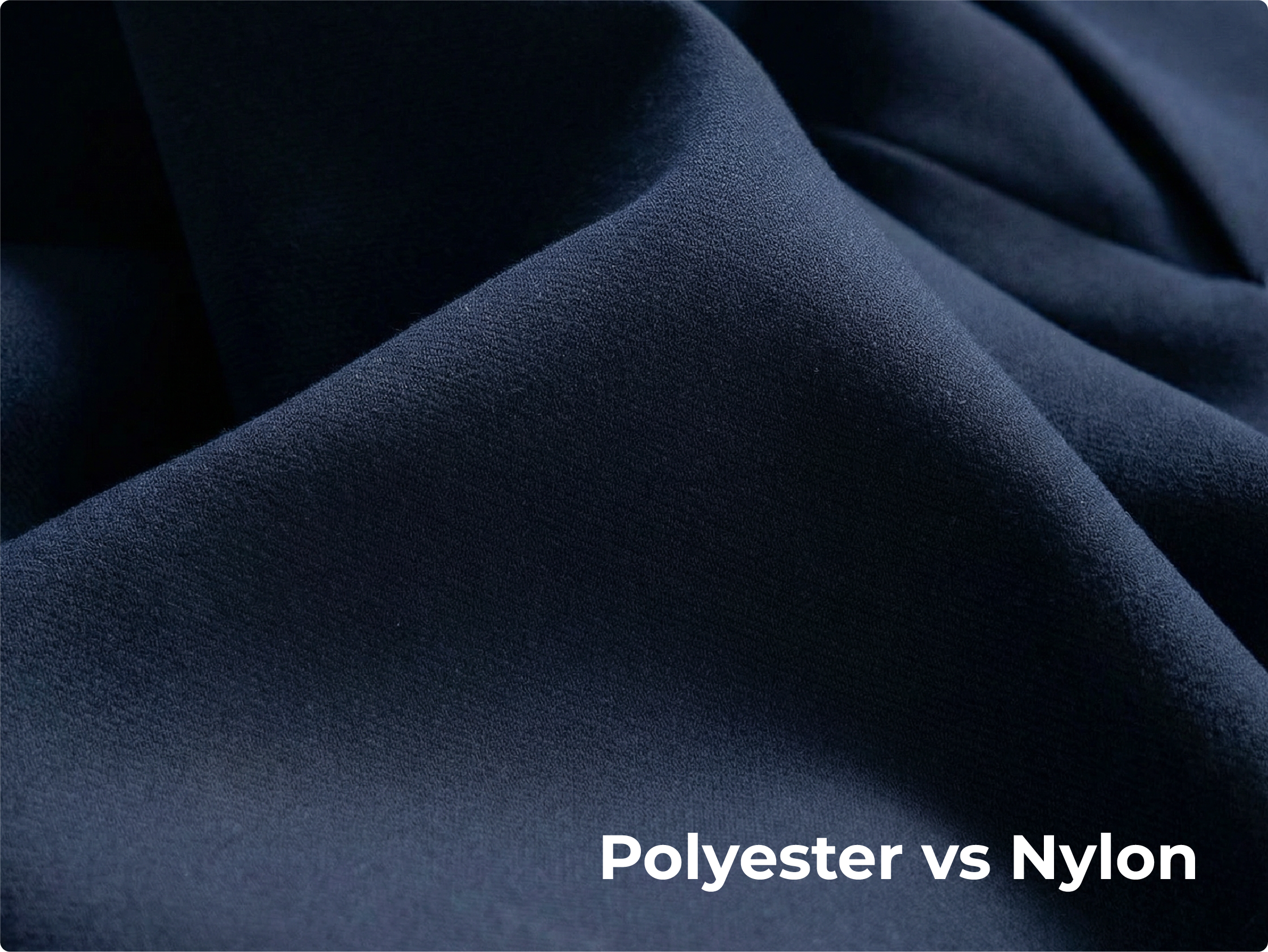
What Are the Key Material Properties of Polyester vs Nylon

View More

Get a Free Quote

Our representative will contact you soon.
Email
Name
Company Name
Message
0/1000

dry bags for hiking

Advanced Waterproof Construction Technology Ensures Maximum Protection

Advanced Waterproof Construction Technology Ensures Maximum Protection

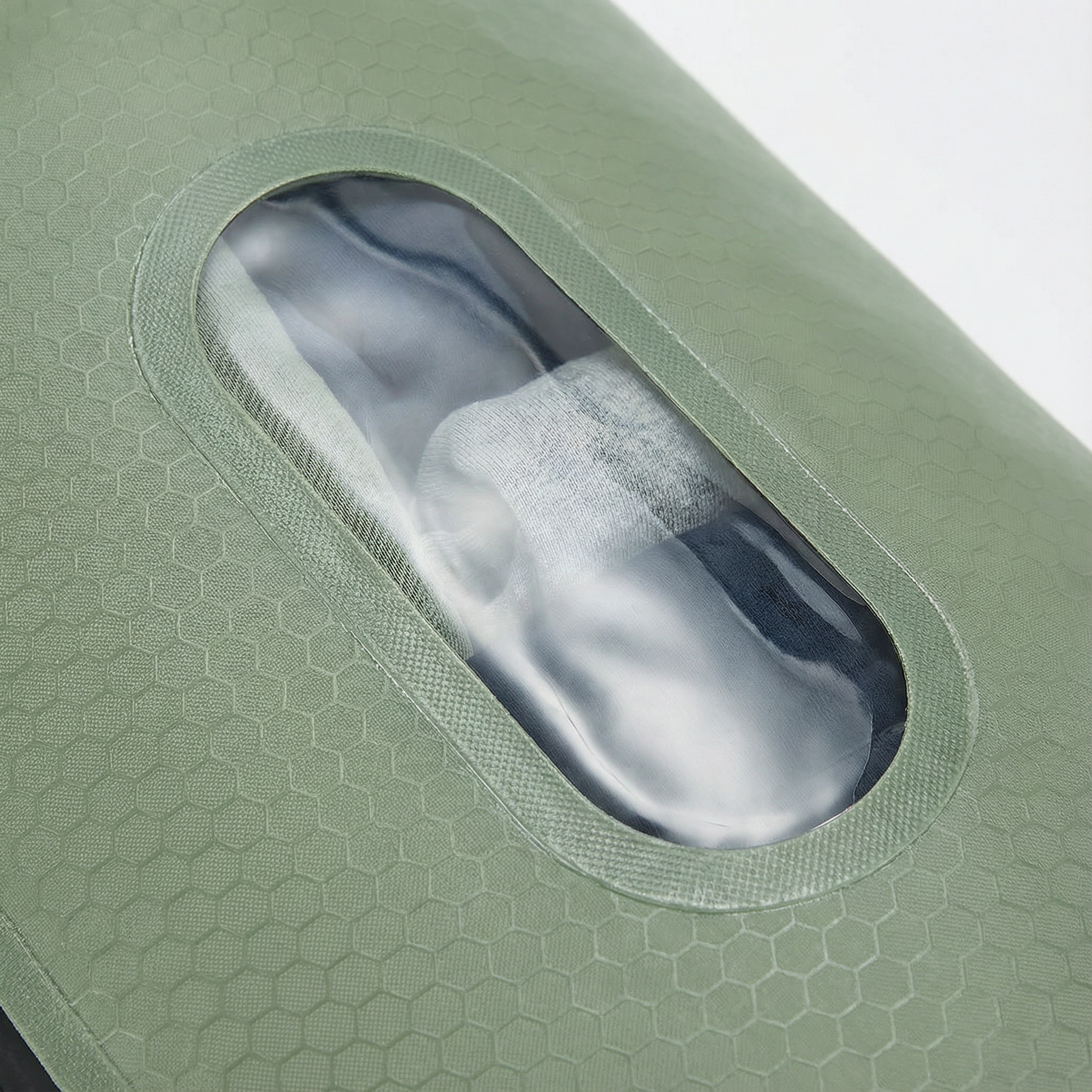
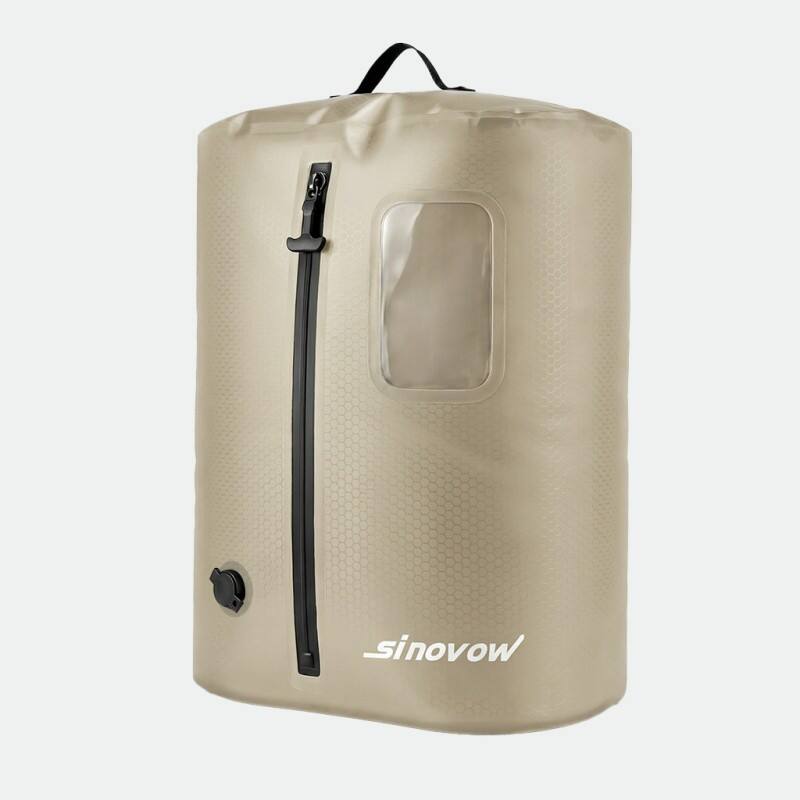
The engineering excellence behind modern dry bags for hiking represents a significant advancement in outdoor gear protection technology that delivers unprecedented reliability for adventurers. At the core of this protection lies the sophisticated material selection process, where manufacturers utilize specialized waterproof fabrics engineered specifically to withstand harsh environmental challenges. Premium dry bags for hiking typically employ vinyl-coated polyester or thermoplastic polyurethane materials with waterproof ratings exceeding industry standards, often achieving IPX7 or IPX8 certifications that guarantee submersion protection. The construction methodology separates superior dry bags from inferior alternatives, with radio-frequency welding creating molecularly bonded seams that eliminate the microscopic gaps inherent in traditional stitched construction. This welding process applies controlled electromagnetic energy to melt and fuse material layers together, creating seams stronger than the surrounding fabric itself. The roll-top closure system employed in dry bags for hiking functions through a principle of progressive compression, where each fold of the bag opening creates an additional barrier against water penetration. Engineering specifications typically recommend three to five complete rolls before securing the buckle mechanism, with each rotation effectively doubling the protective barrier thickness. The buckle systems themselves incorporate corrosion-resistant materials such as acetyl resin or reinforced polymers designed to maintain clamping force through thousands of opening and closing cycles without degradation. Advanced models of dry bags for hiking integrate additional technological features including transparent window panels manufactured from crystal-clear polyurethane that allow contents visibility without compromising waterproof integrity. Reinforced base construction in premium versions utilizes thicker material gauges or additional protective layers that resist punctures from sharp rocks, thorns, or other trail hazards. The valve systems incorporated into some dry bags for hiking facilitate air purging, allowing users to create vacuum-sealed compression that minimizes volume while maintaining waterproof seals. Material flexibility across temperature ranges ensures these bags remain pliable and functional whether hiking through desert heat or alpine cold, with quality materials maintaining their protective properties from negative twenty to positive sixty degrees Celsius. This comprehensive technological approach to construction ensures that dry bags for hiking deliver consistent, reliable performance that protects your valuable gear investment throughout countless outdoor adventures in challenging environmental conditions.
Versatile Size Options and Organizational Systems for Every Adventure

Versatile Size Options and Organizational Systems for Every Adventure

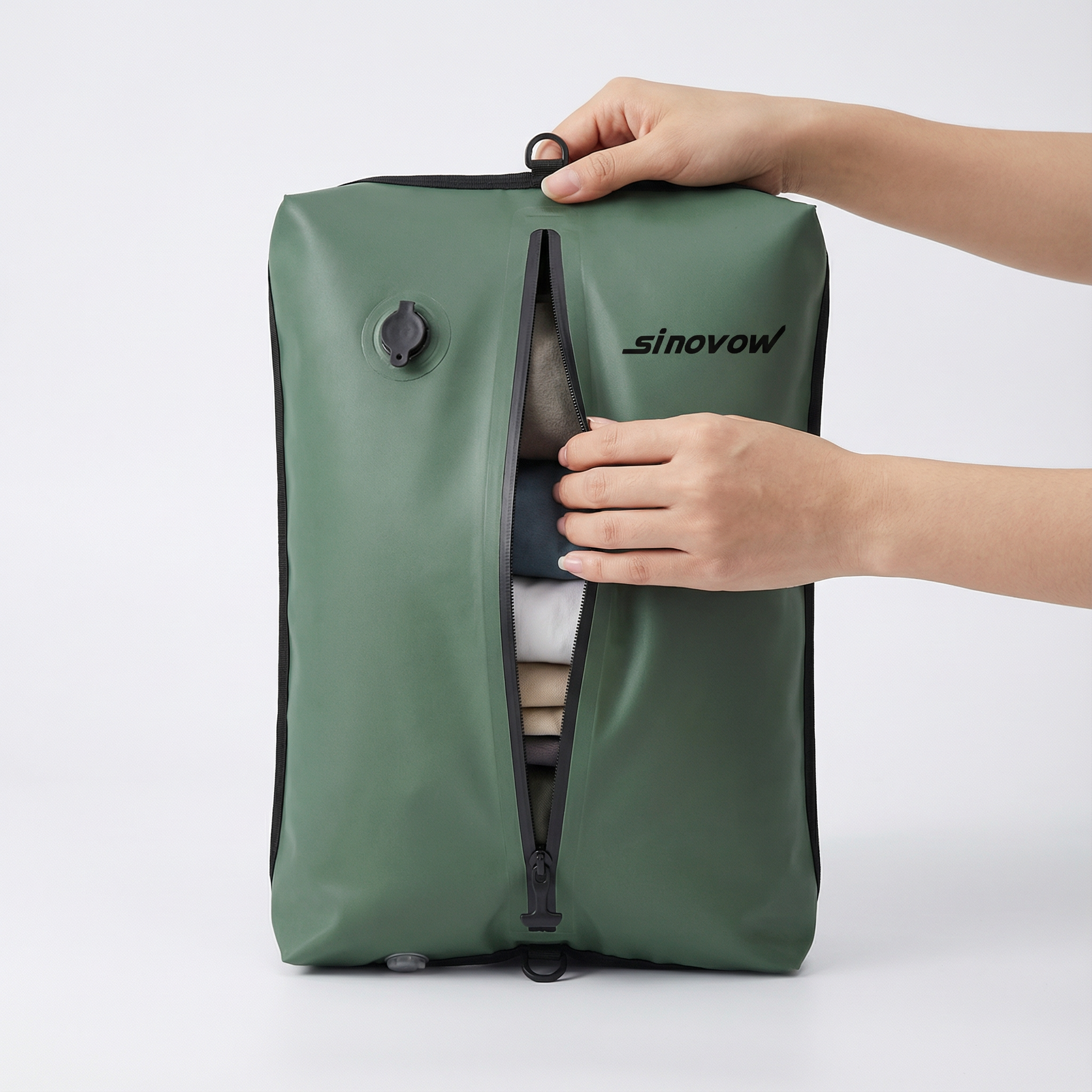
The remarkable versatility inherent in dry bags for hiking stems from the comprehensive range of sizes and organizational configurations available to match specific adventure requirements and personal preferences. Understanding the capacity spectrum helps hikers select appropriate dry bags for hiking that optimize both protection and practicality. Compact models beginning at two to five liters serve perfectly for day hiking essentials, providing waterproof storage for smartphones, wallets, keys, and small electronic devices without adding unnecessary bulk to your load. These pocket-sized protectors easily fit within jacket pockets or attach externally to backpacks via carabiner loops, ensuring critical items remain accessible yet protected. Mid-range dry bags for hiking spanning eight to fifteen liters accommodate clothing changes, lunch provisions, first aid kits, and moderate equipment loads suitable for day trips or overnight excursions. This capacity range represents the sweet spot for many recreational hikers who require substantial protection without committing to expedition-scale equipment. Larger variants extending from twenty to forty liters cater to serious backpackers embarking on multi-day wilderness expeditions where protecting sleeping bags, extra clothing layers, and extended food supplies becomes paramount. The organizational advantages of implementing a systematic approach using multiple dry bags for hiking within a single backpack cannot be overstated. Color-coding strategies allow instant visual identification of contents categories, with one color designated for clothing, another for food, and additional colors for electronics, medical supplies, and miscellaneous items. This system eliminates frustrating searches through disorganized pack contents during brief trail stops or camp setups. Shape variations including cylindrical, rectangular, and tapered designs provide additional organizational flexibility, allowing hikers to optimize space utilization within their main backpacks by filling gaps and maximizing volume efficiency. Some dry bags for hiking feature external attachment points, D-rings, or lash tabs that facilitate securing items to backpack exteriors or creating custom carrying configurations for specialized equipment. The transparency option available in certain models transforms content identification, enabling visual inventory checks without breaking waterproof seals and exposing contents to environmental elements. Modular systems combining various sized dry bags for hiking create comprehensive protection networks adaptable to changing trip requirements, seasonal variations, and evolving personal preferences throughout your outdoor journey progression from beginner to experienced wilderness navigator.
Superior Durability and Long-Term Value Investment for Outdoor Enthusiasts

Superior Durability and Long-Term Value Investment for Outdoor Enthusiasts

The exceptional durability characteristics distinguishing quality dry bags for hiking from disposable alternatives represent a crucial consideration for outdoor enthusiasts seeking long-term value and reliable performance across years of wilderness adventures. Material thickness specifications directly correlate with puncture resistance and longevity, with premium dry bags for hiking utilizing fabric gauges ranging from four hundred to one thousand denier ratings that significantly exceed standard backpack materials. This robust construction withstands contact with sharp rocks, abrasive tree bark, thorny vegetation, and other trail hazards that quickly compromise lesser protective solutions. The chemical composition of materials used in superior dry bags for hiking incorporates UV-resistant additives that prevent degradation from prolonged sun exposure, maintaining fabric integrity and waterproof properties even after seasons of outdoor use. Standard plastics and coated fabrics without UV protection deteriorate rapidly when exposed to ultraviolet radiation, developing brittleness, cracking, and eventual failure that compromises their protective function. Abrasion resistance testing conducted on quality dry bags for hiking demonstrates their ability to withstand repeated friction against rough surfaces without material thinning or coating delamination. This resistance proves essential during activities involving dragging bags across rocky terrain, stuffing them into tight backpack compartments, or general rough handling inherent in wilderness travel. The reinforced stress point construction found in premium dry bags for hiking addresses potential failure zones through additional material layers, bartack stitching reinforcement, or strategic welding patterns that distribute tension across broader surface areas rather than concentrating forces at vulnerable points. Seam strength specifications often exceed five times the tear strength of the surrounding material, ensuring that connection points represent the strongest rather than weakest elements of bag construction. Temperature stability across extreme ranges allows dry bags for hiking to maintain flexibility and waterproof integrity whether frozen stiff during winter camping or heated to uncomfortable temperatures inside sun-baked vehicles during summer storage. Quality materials resist becoming brittle in cold or tacky in heat, maintaining consistent handling characteristics regardless of environmental conditions. The investment value proposition of durable dry bags for hiking becomes apparent when calculating cost per use over extended ownership periods. A quality bag priced moderately higher initially but lasting five to ten years of regular use delivers substantially better value than cheaper alternatives requiring annual replacement. Environmental considerations favor durable dry bags for hiking as well, with long-lasting products reducing waste generation and resource consumption associated with frequent replacements of inferior products that quickly fail and require disposal.

Get a Free Quote

Our representative will contact you soon.
Email
Name
Company Name
Message
0/1000