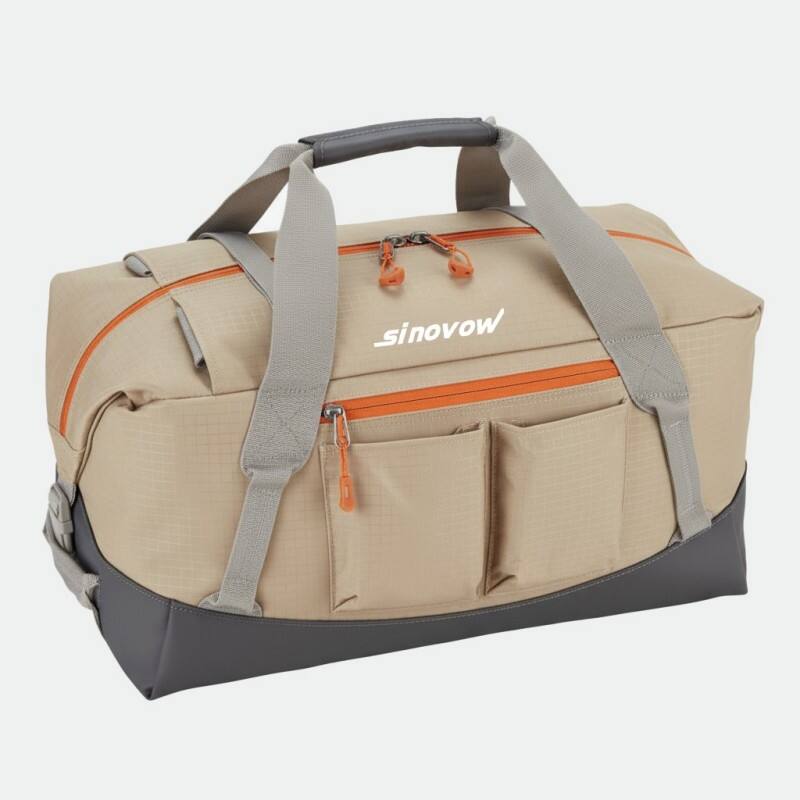
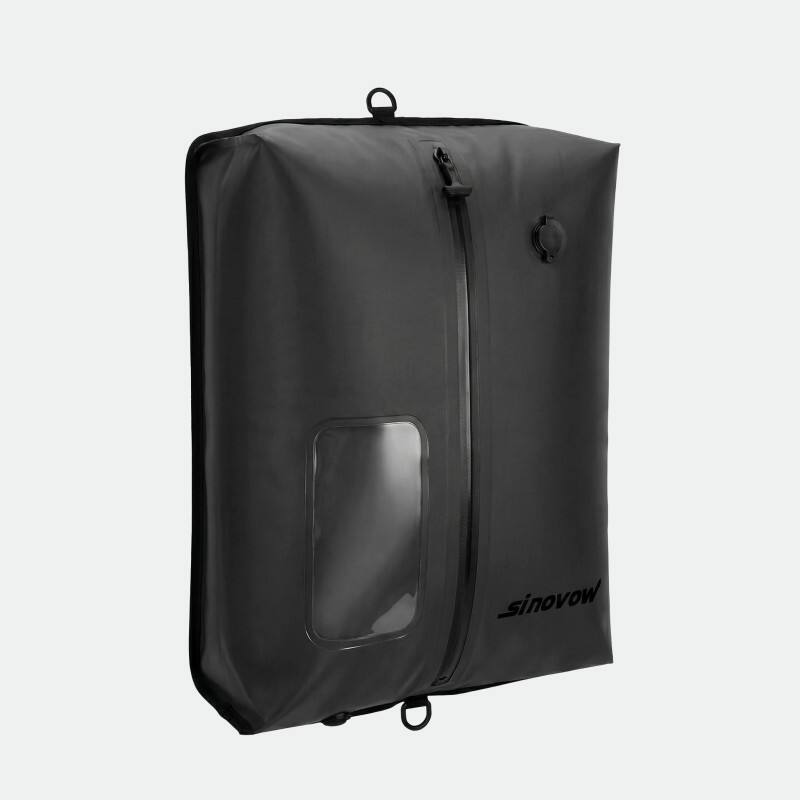
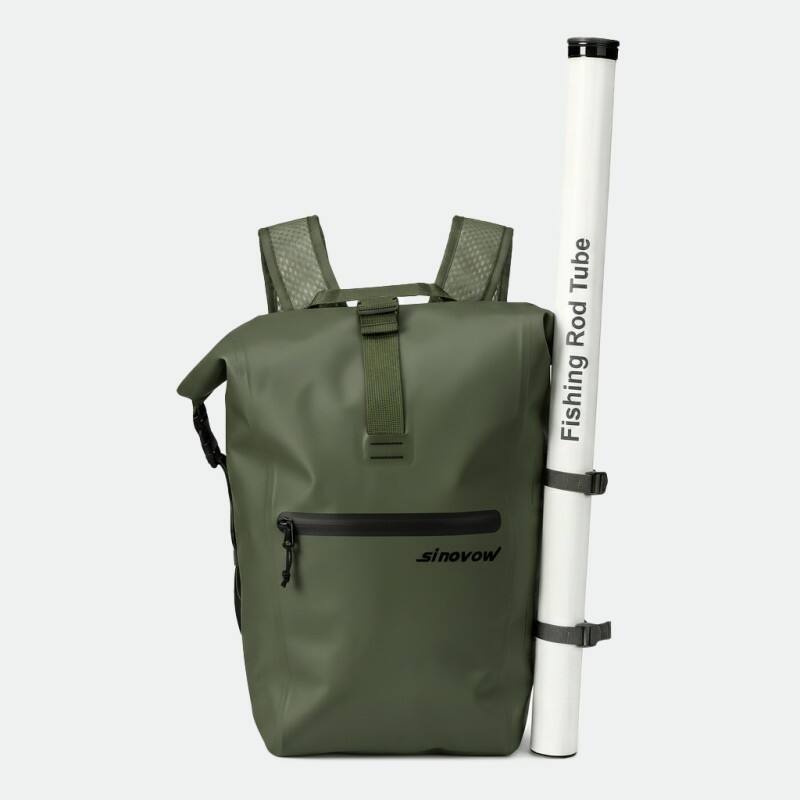
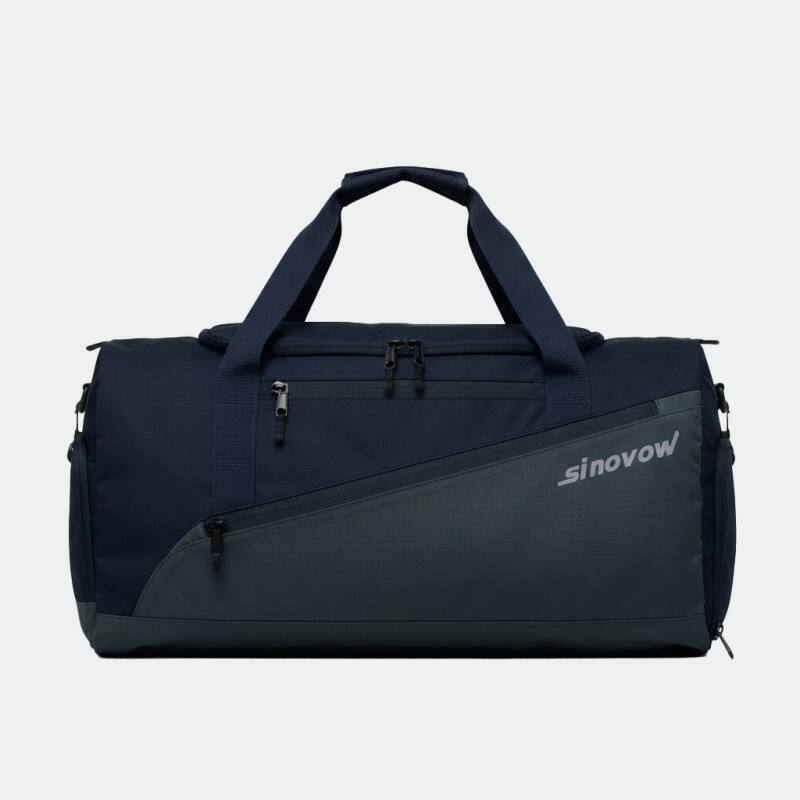
Military-Grade Durability Built to Withstand Years of Frequent Travel
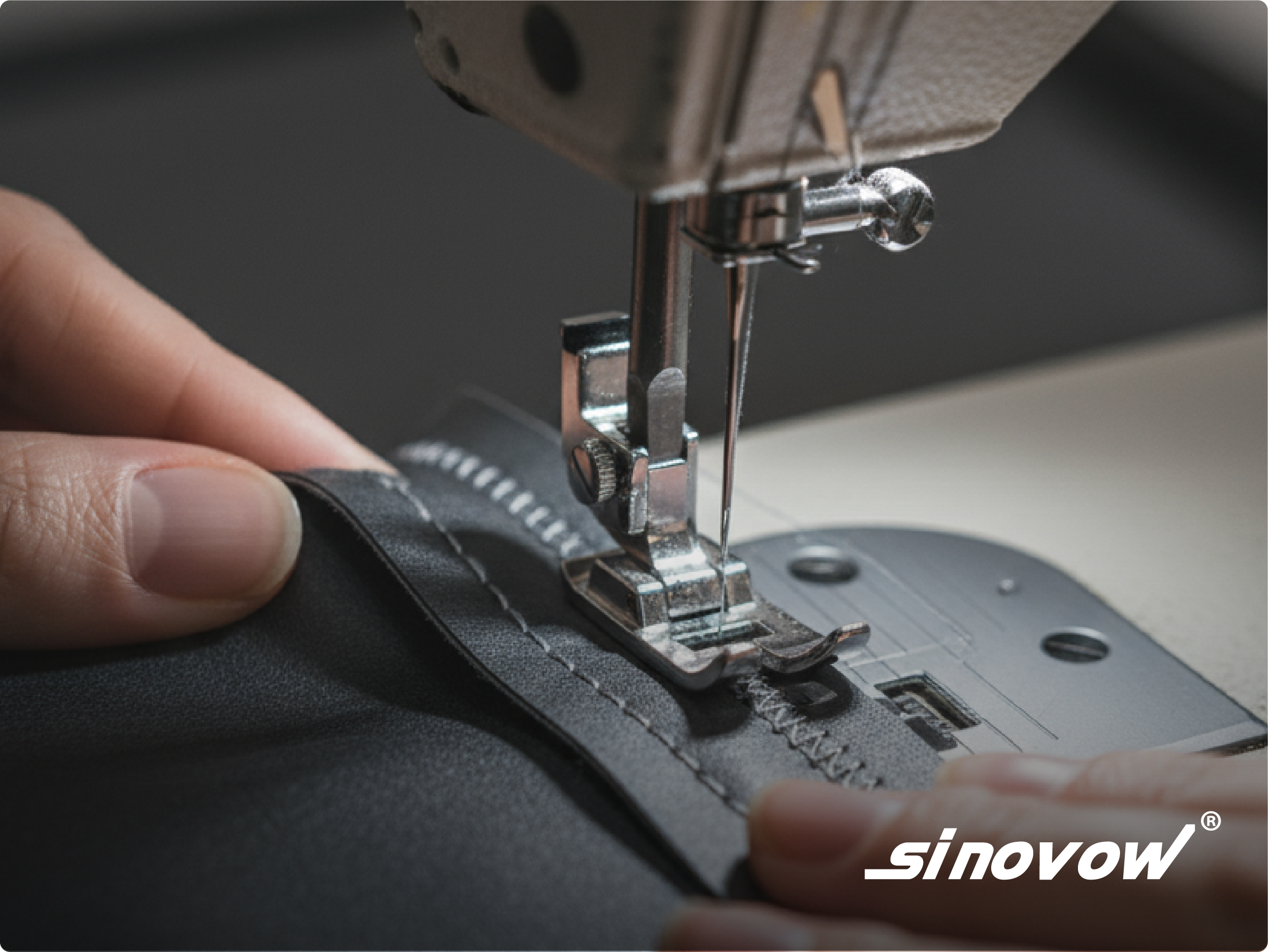
The durability engineered into premium compression packing cubes sets them apart from ordinary storage bags and establishes them as genuine long-term travel investments. Manufacturers construct these cubes using materials and techniques borrowed from military and outdoor equipment industries where failure simply is not an option. The fabric foundation typically consists of high-denier ripstop nylon or reinforced polyester, measured in denier counts that indicate thread thickness and durability. Numbers ranging from four hundred to twelve hundred denier signify industrial-strength materials that resist punctures, tears, and abrasion even when subjected to rough handling by baggage handlers or friction against luggage interiors during transit. The ripstop weave pattern incorporates reinforcement threads at regular intervals, creating a grid structure that prevents small tears from propagating into large rips. This construction method ensures that even if a sharp object punctures the fabric, the damage remains contained to a minimal area rather than unraveling the entire panel. The stitching represents another critical durability component, with premium cubes featuring double or triple-stitched seams using heavy-duty bonded nylon thread. These seams receive reinforcement at stress points such as corners and zipper terminations where tension concentrates during compression and carrying. Bartack stitching, recognizable by its dense rectangular pattern, anchors handles and zipper pulls to distribute loads across wider areas rather than concentrating stress on single points. The zipper systems incorporated into durable compression packing cubes utilize coil or tooth designs rated for tens of thousands of cycles, far exceeding the durability of standard garment bag zippers. Quality manufacturers source zippers from specialized suppliers who subject components to rigorous testing including salt spray corrosion tests, temperature cycling, and repeated operation under load. The zipper pulls often feature ergonomic designs with cord extensions that facilitate operation even when wearing gloves or when the cube is tightly packed. Water-resistant and stain-resistant treatments applied to the fabrics provide additional protection layers. These chemical finishes cause liquids to bead and roll off rather than soaking into fibers, protecting contents from beverage spills, rain exposure, or toiletry leaks from neighboring items. The treatments maintain effectiveness through dozens of uses, though some premium options offer retreatment instructions to restore protective properties after extended use. Frame reinforcement in higher-end models incorporates flexible plastic or composite stiffeners along edges that help cubes maintain rectangular shapes even when compressed, facilitating efficient packing geometry and preventing awkward bulges that waste space.
 EN
EN