Revolutionary Weight-to-Capacity Ratio Engineering
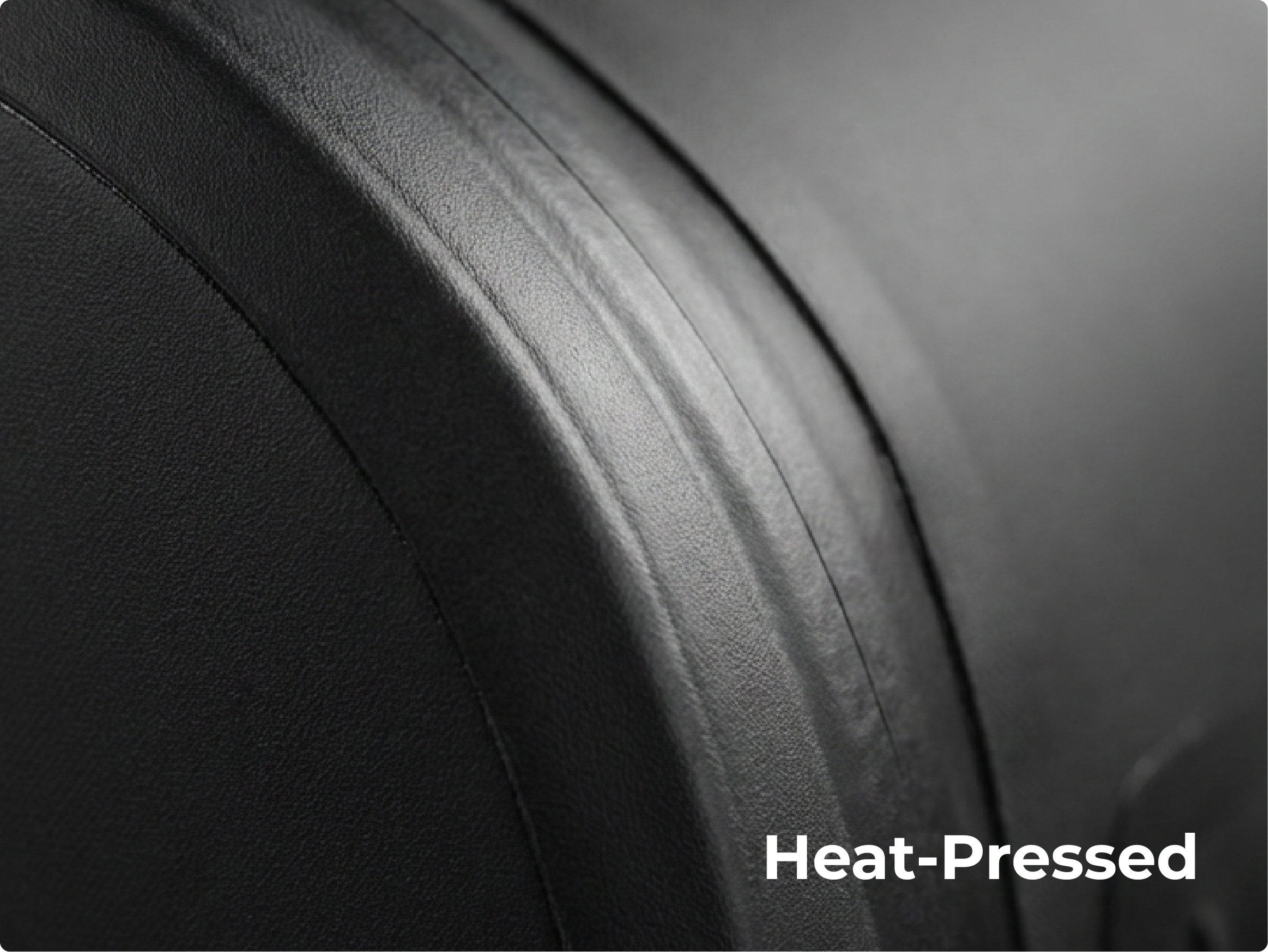
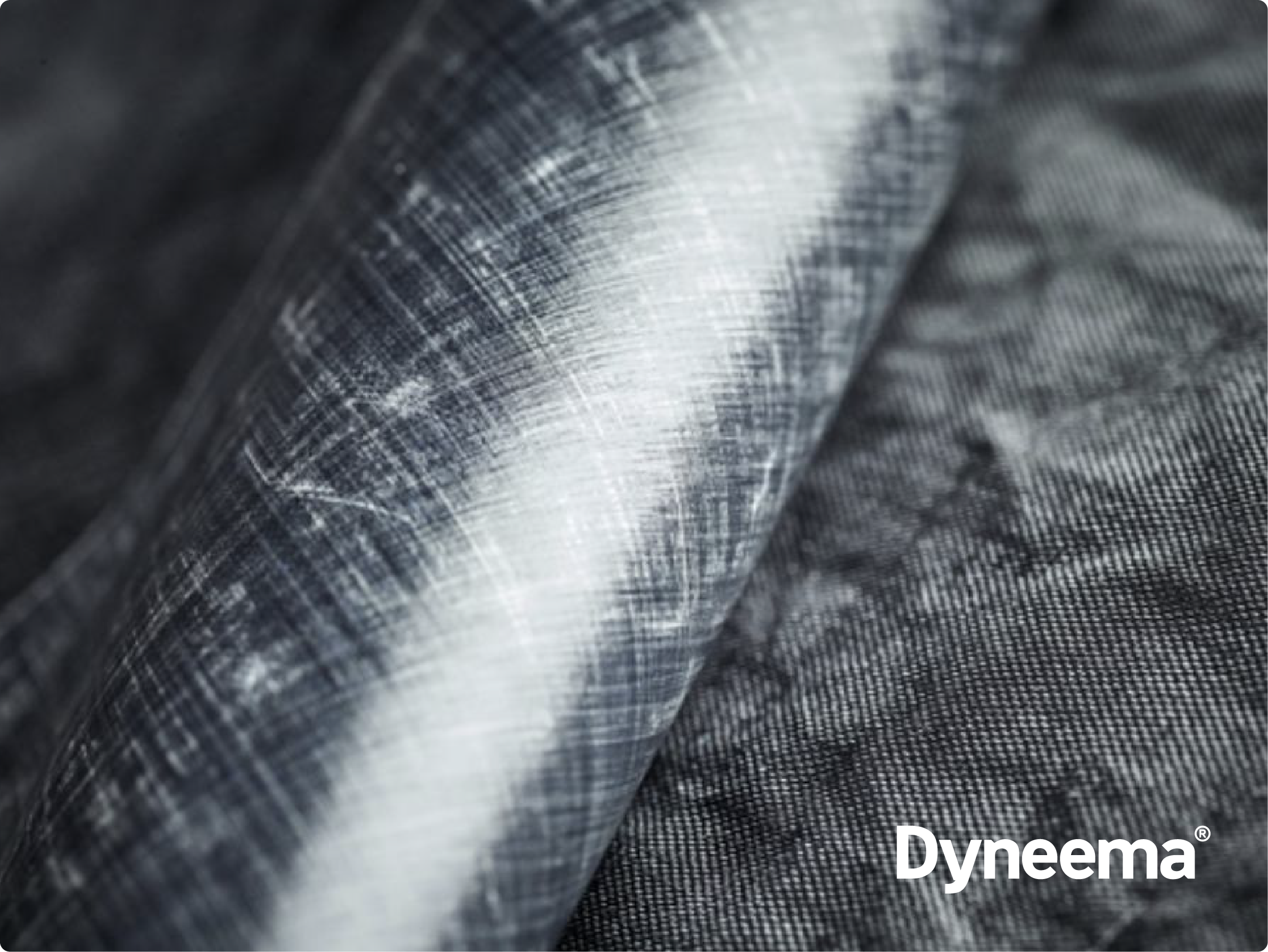
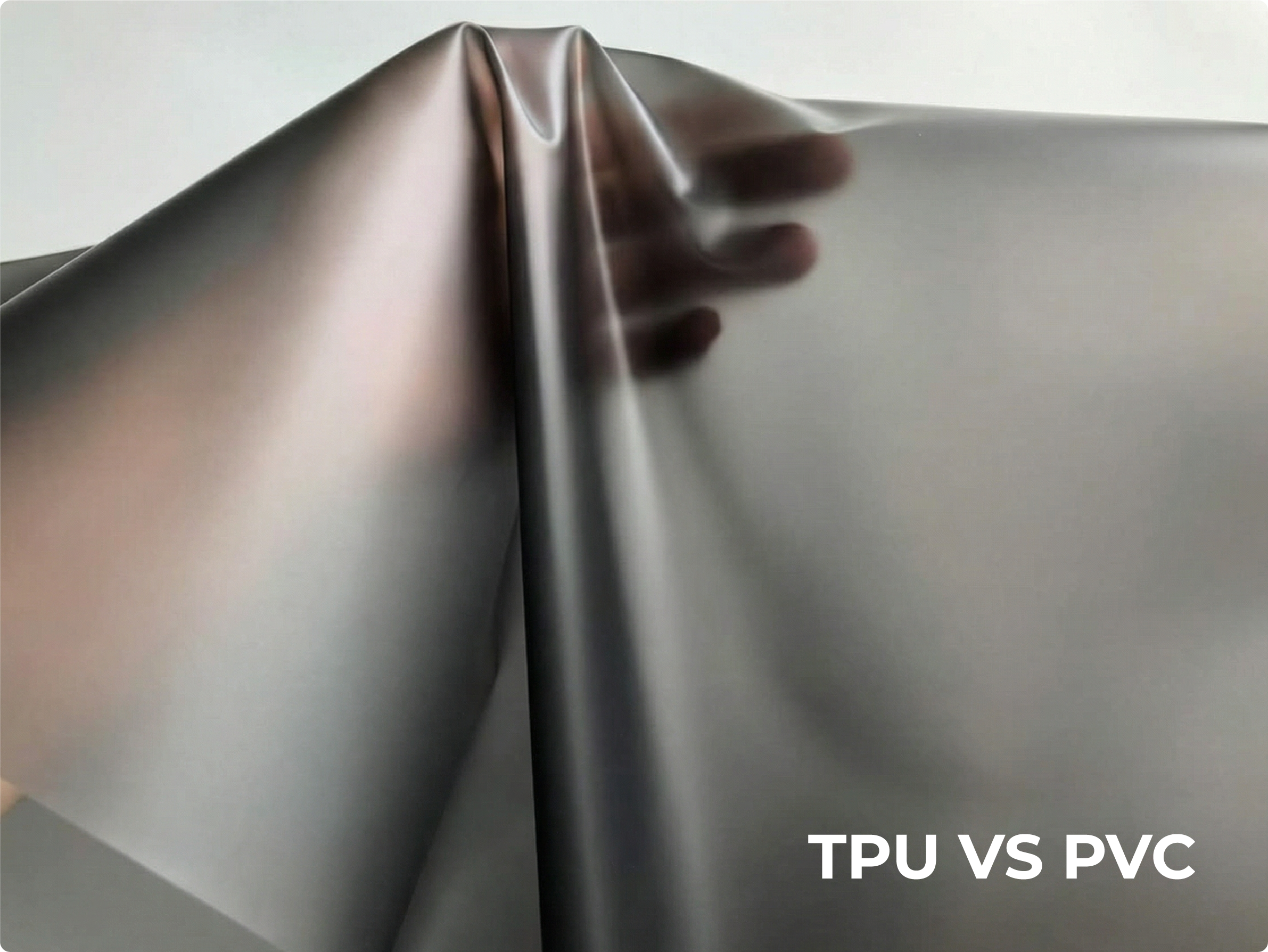
The engineering marvel behind the lightweight travel duffel bag lies in its exceptional weight-to-capacity ratio, a technological achievement that fundamentally transforms how travelers approach packing and mobility. Traditional luggage often weighs several pounds empty, consuming a substantial portion of airline weight allowances before a single item gets packed inside. In stark contrast, premium lightweight travel duffel bags typically weigh less than two pounds while offering storage volumes exceeding fifty liters, creating an unprecedented opportunity to maximize what you bring without penalty. This remarkable ratio stems from careful material selection, with manufacturers employing advanced ripstop nylon, polyester blends, and sometimes even aerospace-grade fabrics originally developed for parachutes and outdoor equipment. These materials undergo specialized treatments that enhance tear resistance and waterproofing while maintaining gossamer thinness that contributes minimally to overall weight. The frame structure, or deliberate lack thereof, plays an equally important role in weight reduction. By eliminating rigid internal frameworks, metal supports, and bulky zippers found in conventional luggage, designers shave off ounces that accumulate into pounds of saved weight. However, this absence of traditional structural elements never compromises the bag's ability to hold shape when packed properly, thanks to intelligent paneling techniques and strategic reinforcement at critical junctures. The practical implications of this weight-to-capacity engineering become crystal clear during actual travel scenarios. Imagine preparing for a week-long international trip where your airline permits a checked bag weighing up to fifty pounds. With a traditional suitcase consuming eight to twelve pounds of that allowance, you effectively lose nearly a quarter of your packing capacity to the luggage itself. A lightweight travel duffel bag preserving forty-eight of those fifty pounds for actual belongings means bringing extra shoes, souvenirs, or essential items that would otherwise stay home. For travelers who prefer carry-on-only journeys, the weight advantage proves even more critical, as maneuvering through airports, climbing stairs, and lifting bags into overhead bins becomes exponentially easier when the empty bag weighs mere ounces. The engineering excellence extends to longevity as well, with stress-tested seams and bartack reinforcements at attachment points ensuring the bag maintains structural integrity despite minimal weight, delivering reliability that matches or exceeds heavier alternatives.
 EN
EN