Rugged Durability Construction Built for Years of Adventures
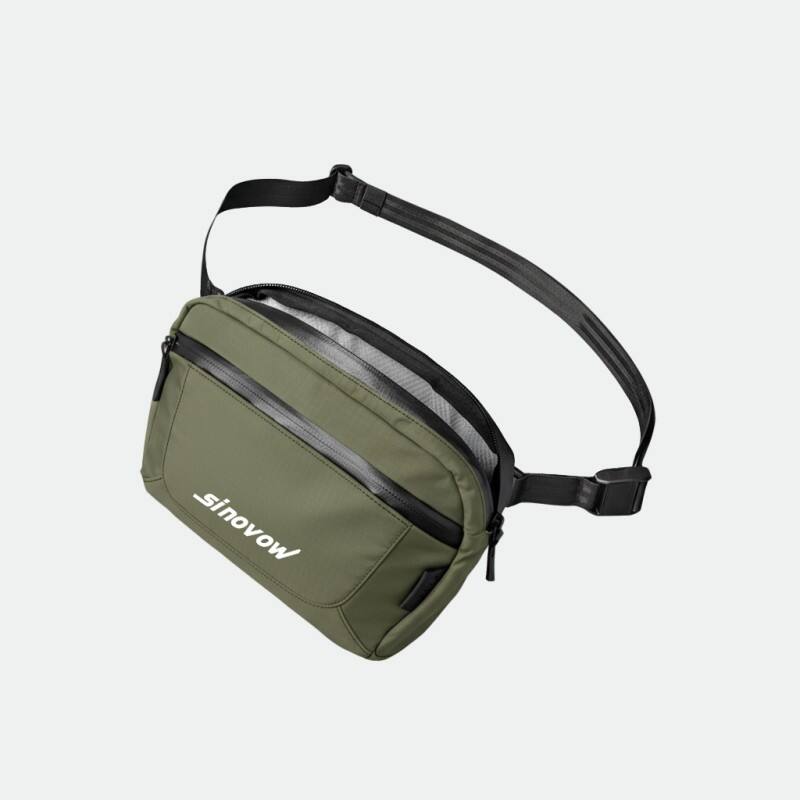
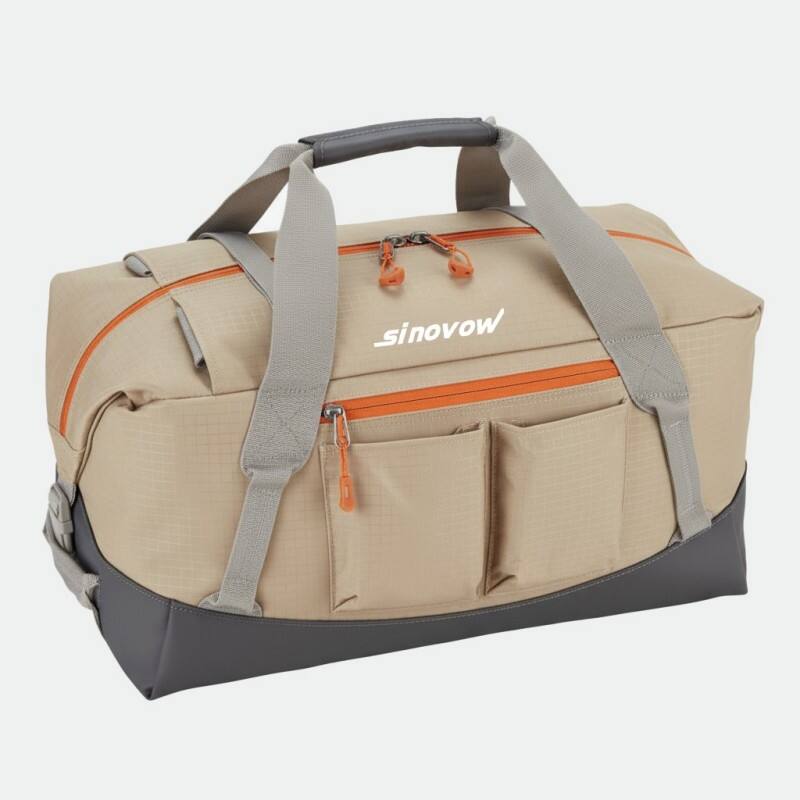
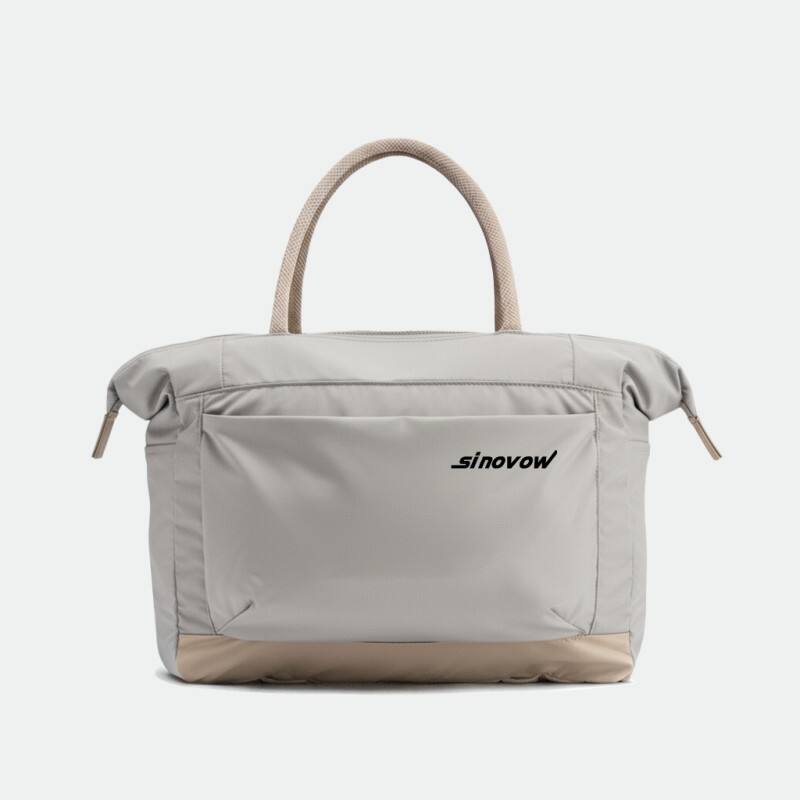
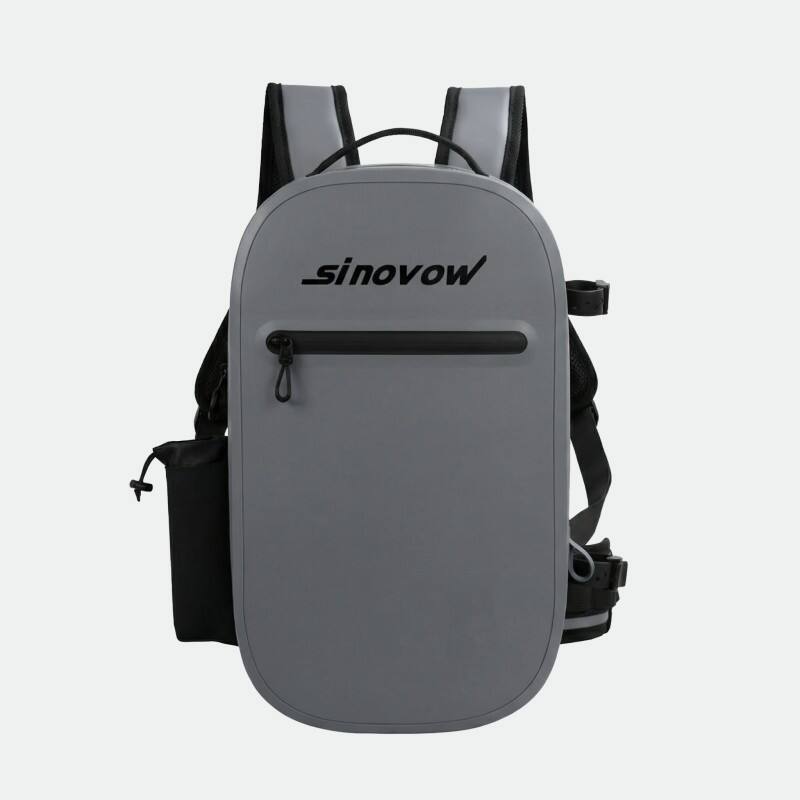
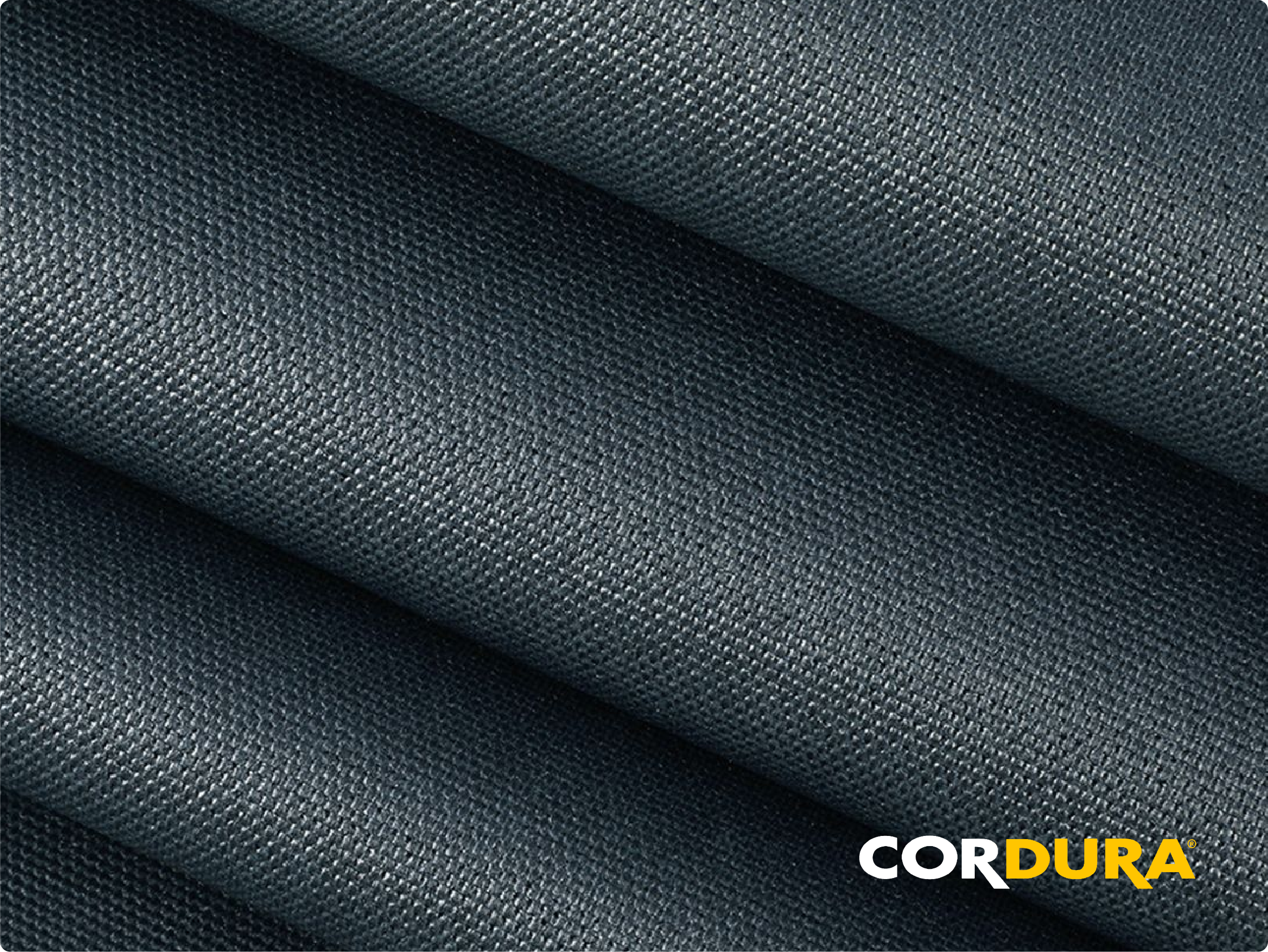
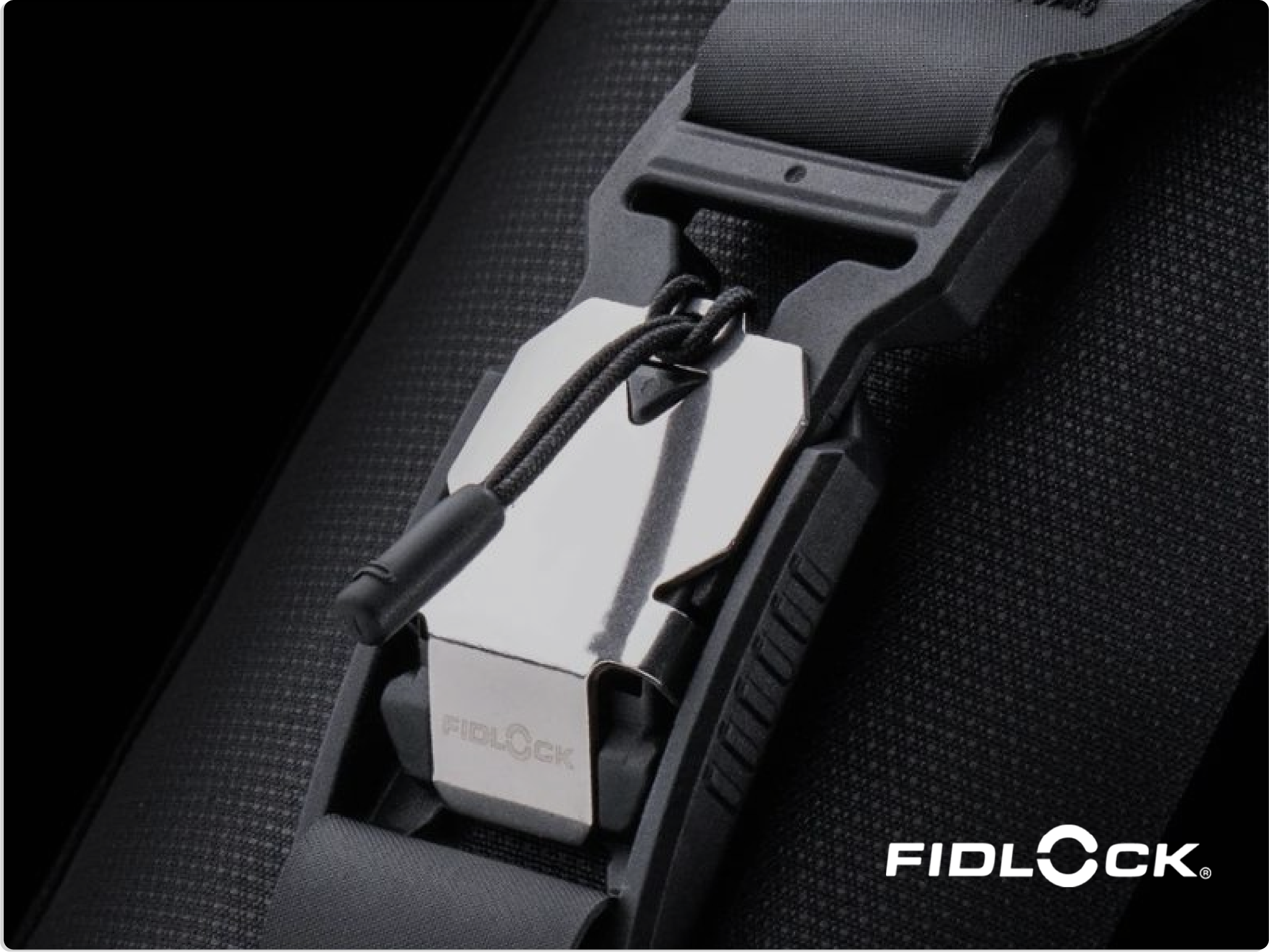
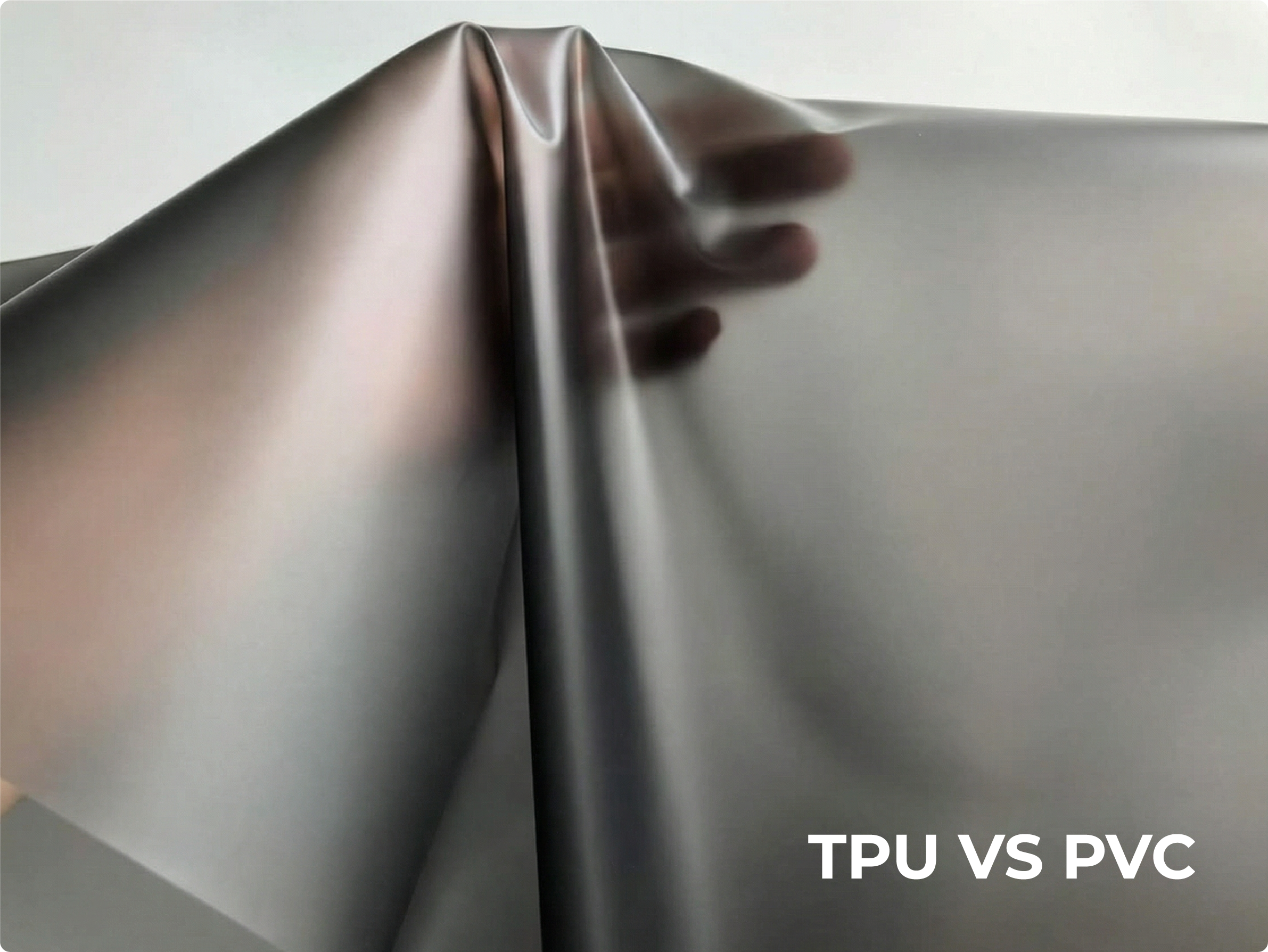
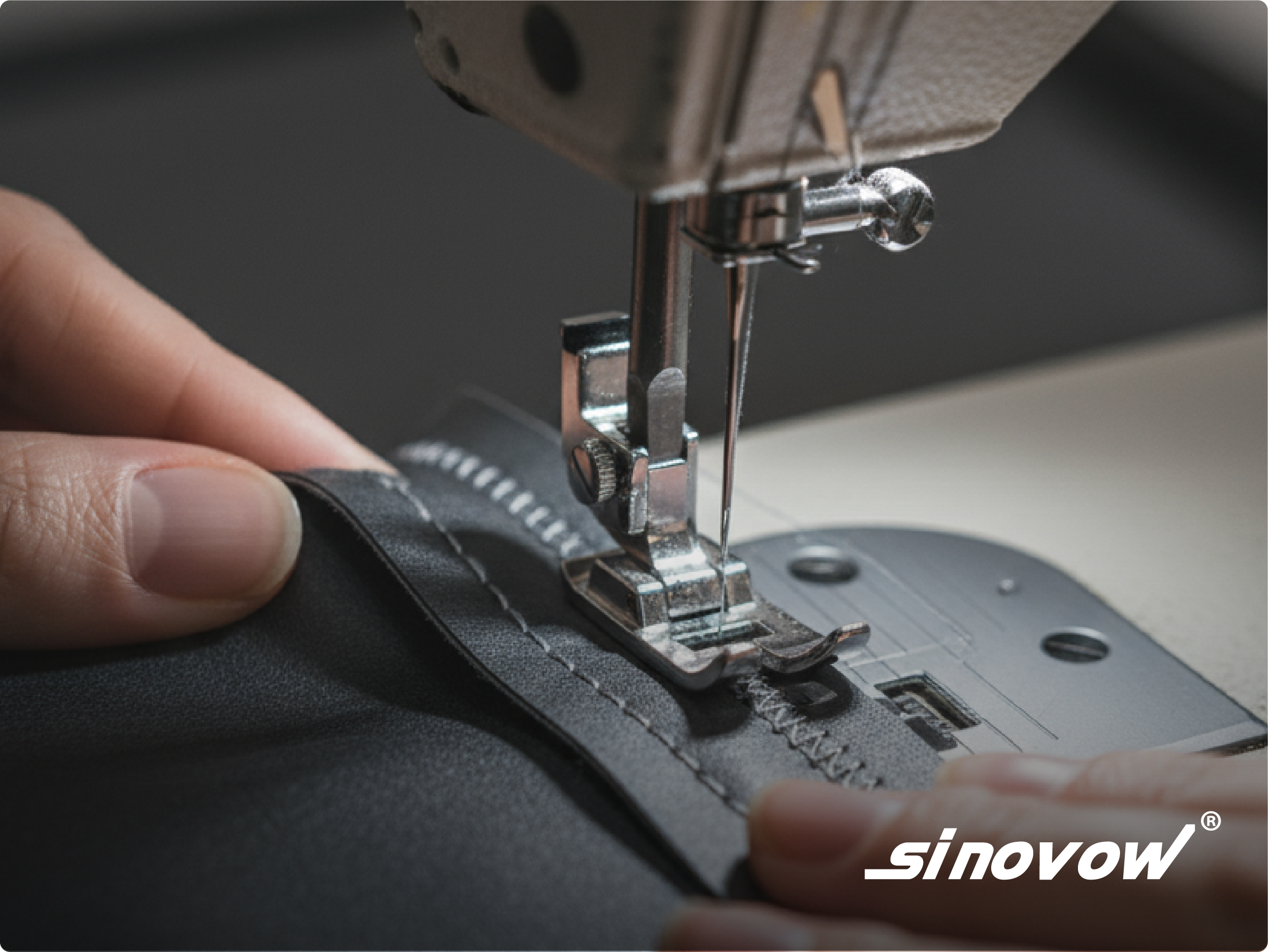
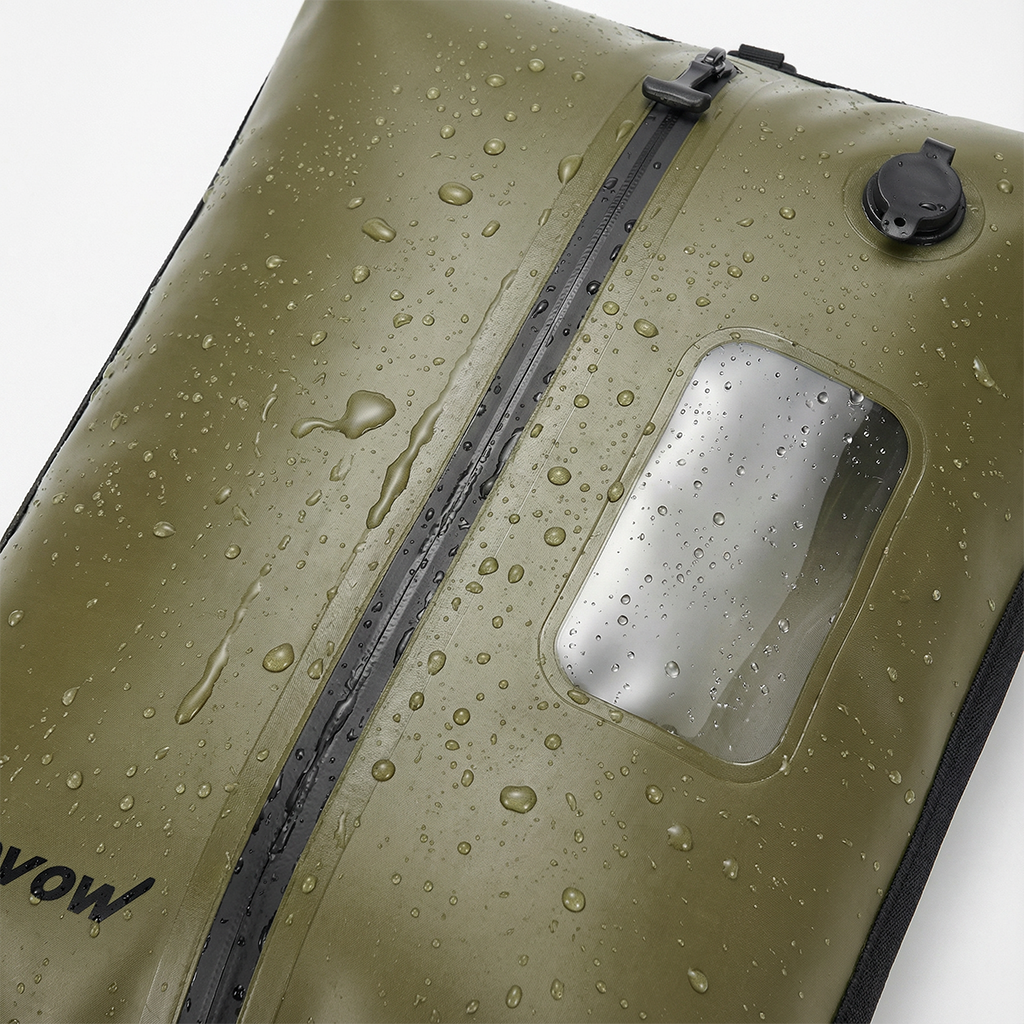
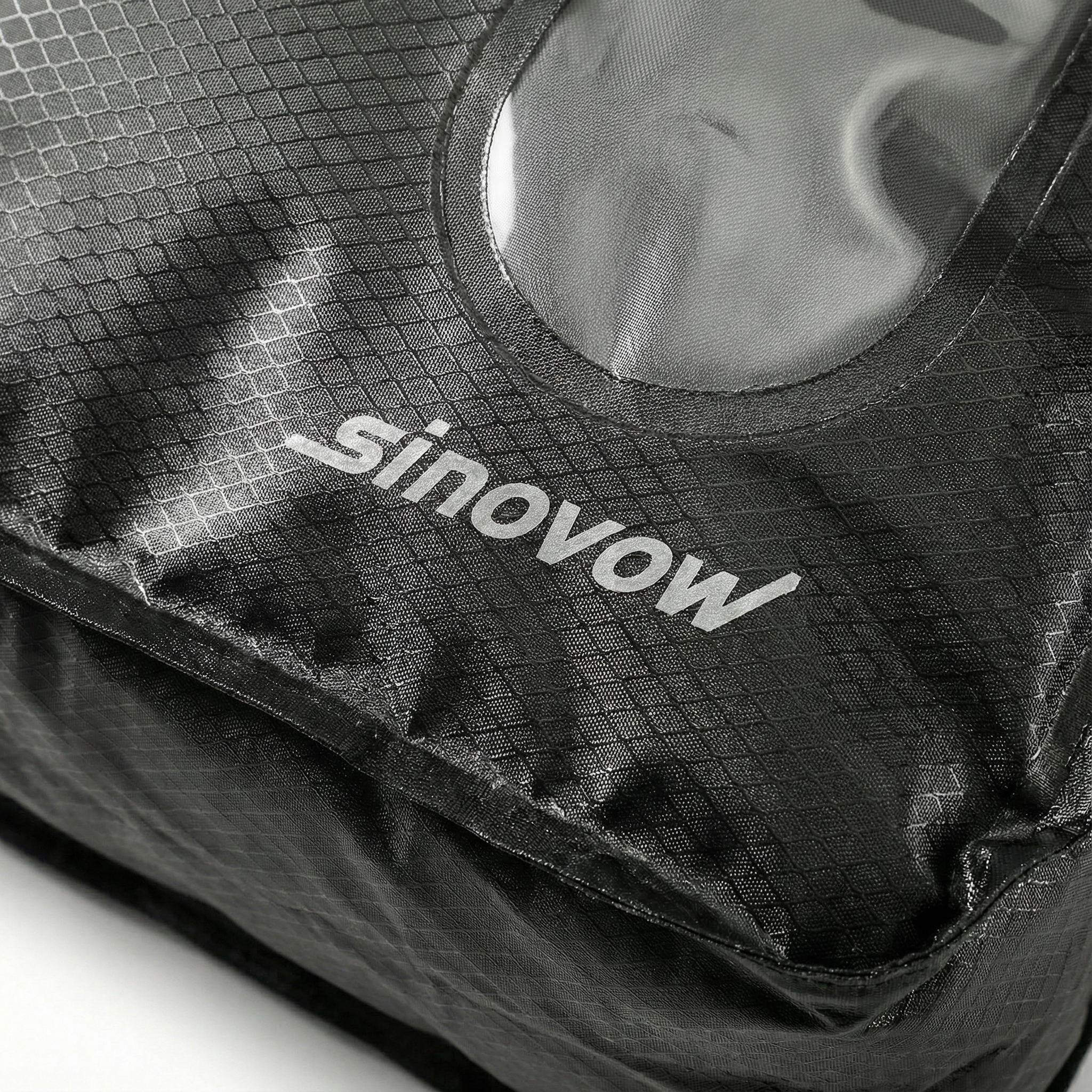
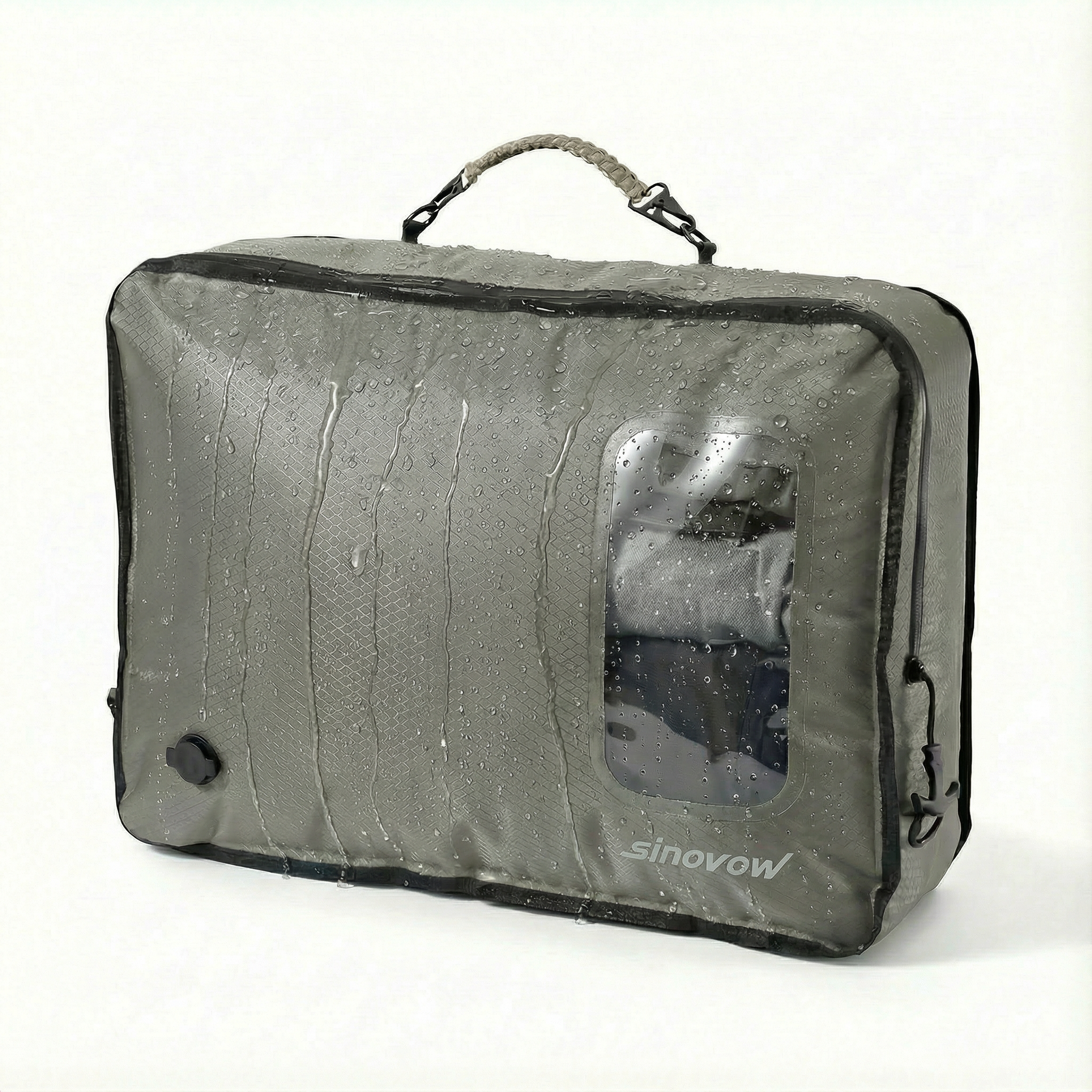
The longevity and reliability of an outdoor sling bag depend entirely on construction quality, material selection, and manufacturing precision that determine whether the bag survives years of adventures or fails after months of moderate use. Premium outdoor sling bags begin with carefully selected fabrics engineered specifically for outdoor applications, commonly featuring ripstop nylon in denier ratings from 420D to 1000D that provide exceptional tear resistance while maintaining reasonable weight. Ripstop weaving incorporates reinforcement threads at regular intervals creating a grid pattern that prevents small tears from propagating into larger failures, crucial when the bag encounters sharp branches, rough rock surfaces, or accidental snags. Water-resistant treatments using durable water repellent coatings cause moisture to bead and roll off the fabric surface rather than soaking through, protecting contents during light rain or splashes. Higher-end models utilize waterproof materials such as TPU-coated fabrics or X-Pac composites that provide complete moisture barriers for adventures in persistent wet conditions. Stress point reinforcement represents critical construction details often overlooked in budget options, with quality outdoor sling bags featuring bar-tack stitching at strap attachment points, doubled fabric layers at wear zones, and reinforced binding around edges most susceptible to abrasion. YKK zippers remain the gold standard for reliability, offering smooth operation, corrosion resistance, and dramatically lower failure rates compared to generic alternatives. Self-healing coil zippers recover from minor snags rather than permanently derailing, while lockable zipper pulls on security pockets deter unauthorized access. Hardware components including buckles, D-rings, and adjustment slides manufactured from acetyl plastic or metal alloys resist breaking under stress, maintain function across temperature extremes, and endure thousands of adjustment cycles without degradation. Thread selection matters significantly, with bonded nylon or polyester threads providing UV resistance, preventing rot in humid conditions, and maintaining strength across temperature variations. Seam construction using double or triple-stitched techniques creates redundancy so individual thread failures don't compromise overall integrity. Bottom panels often receive additional reinforcement using rubberized fabrics or extra material layers since this surface contacts ground surfaces most frequently and sustains abrasion from repeated setting down. Premium outdoor sling bags incorporate thoughtful design elements that extend lifespan, such as protective flaps over zippers shielding hardware from impacts, drain grommets allowing water to escape rather than pooling, and removable components enabling replacement of worn parts rather than discarding the entire bag. Quality control during manufacturing ensures consistent construction across production runs, with reputable brands conducting stress testing, water immersion testing, and abrasion resistance verification before releasing products to market. This commitment to rugged durability construction means the outdoor sling bag becomes a reliable companion across countless adventures, developing character through use rather than deteriorating into uselessness, ultimately providing superior value through extended service life that justifies initial investment.
 EN
EN