Premium Rock Climbing Bags - Durable Gear Storage & Organization Solutions

Contact me immediately if you encounter problems!

All Categories

Get a Free Quote

Our representative will contact you soon.
Email
Name
Company Name
Message
0/1000

rock climbing bag

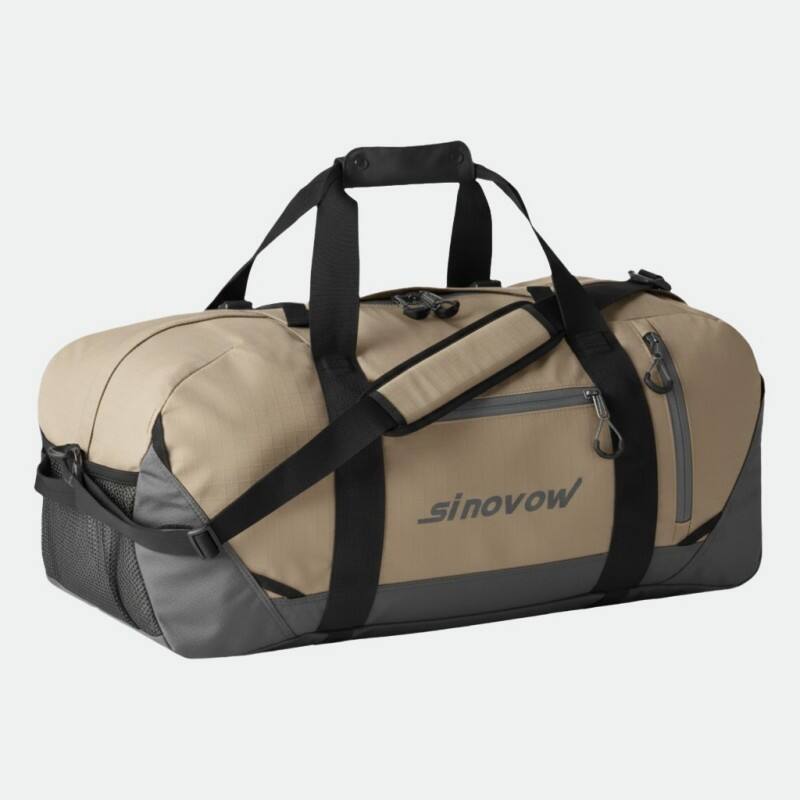
A rock climbing bag represents an essential piece of equipment for climbers of all skill levels, designed specifically to transport, organize, and protect climbing gear during trips to the crag, gym, or mountain. Unlike ordinary backpacks or duffel bags, a rock climbing bag features specialized compartments, durable materials, and thoughtful design elements that cater to the unique needs of climbers. The primary function of a rock climbing bag is to provide secure storage for climbing equipment including ropes, carabiners, harnesses, shoes, chalk bags, belay devices, quickdraws, and other hardware. These bags typically feature wide openings that allow quick access to gear, making it easy to find specific items without emptying the entire contents. Many rock climbing bags incorporate a tarp-style base that can be rolled out at the climbing site, creating a clean surface to organize equipment and prevent dirt, sand, or moisture from damaging valuable gear. The technological features of modern rock climbing bags include reinforced construction using high-denier nylon or polyester fabrics that resist abrasion from rough surfaces and sharp equipment edges. Water-resistant coatings or waterproof materials protect gear from unexpected weather conditions, while padded shoulder straps and back panels enhance comfort during long approaches. Internal and external pockets provide organized storage for smaller accessories, personal items, and quick-access essentials like energy bars or water bottles. Some advanced models include separate compartments for dirty or wet items, ventilated shoe pockets, and haul handles for convenient transport. The applications of a rock climbing bag extend beyond traditional outdoor climbing to include gym sessions, bouldering trips, alpine expeditions, and multi-pitch adventures. Whether you are a weekend warrior heading to local crags or a serious alpinist planning extended expeditions, a well-designed rock climbing bag streamlines your preparation, protects your investment in quality gear, and ensures you have everything needed for a successful and safe climbing experience.
New Product Releases

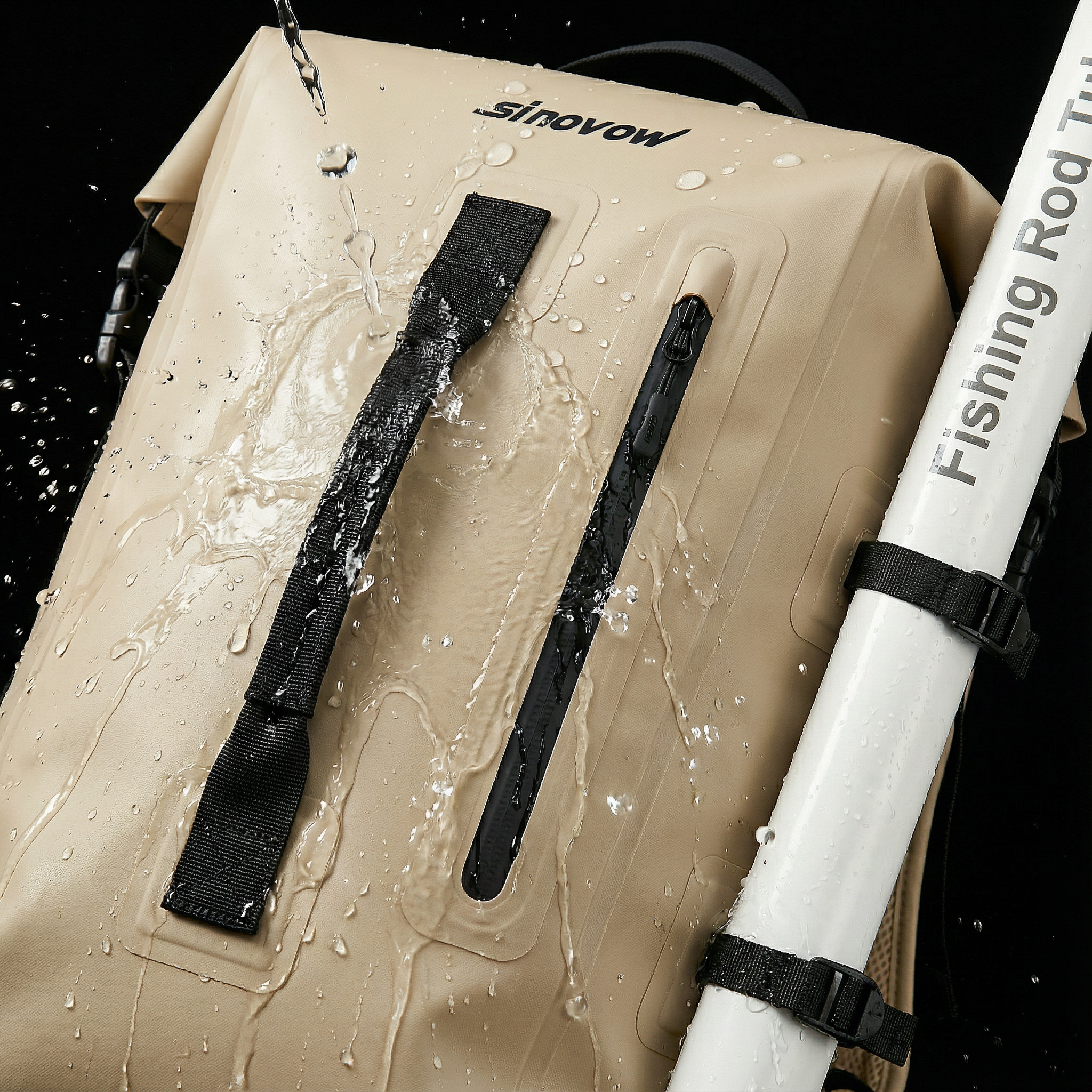
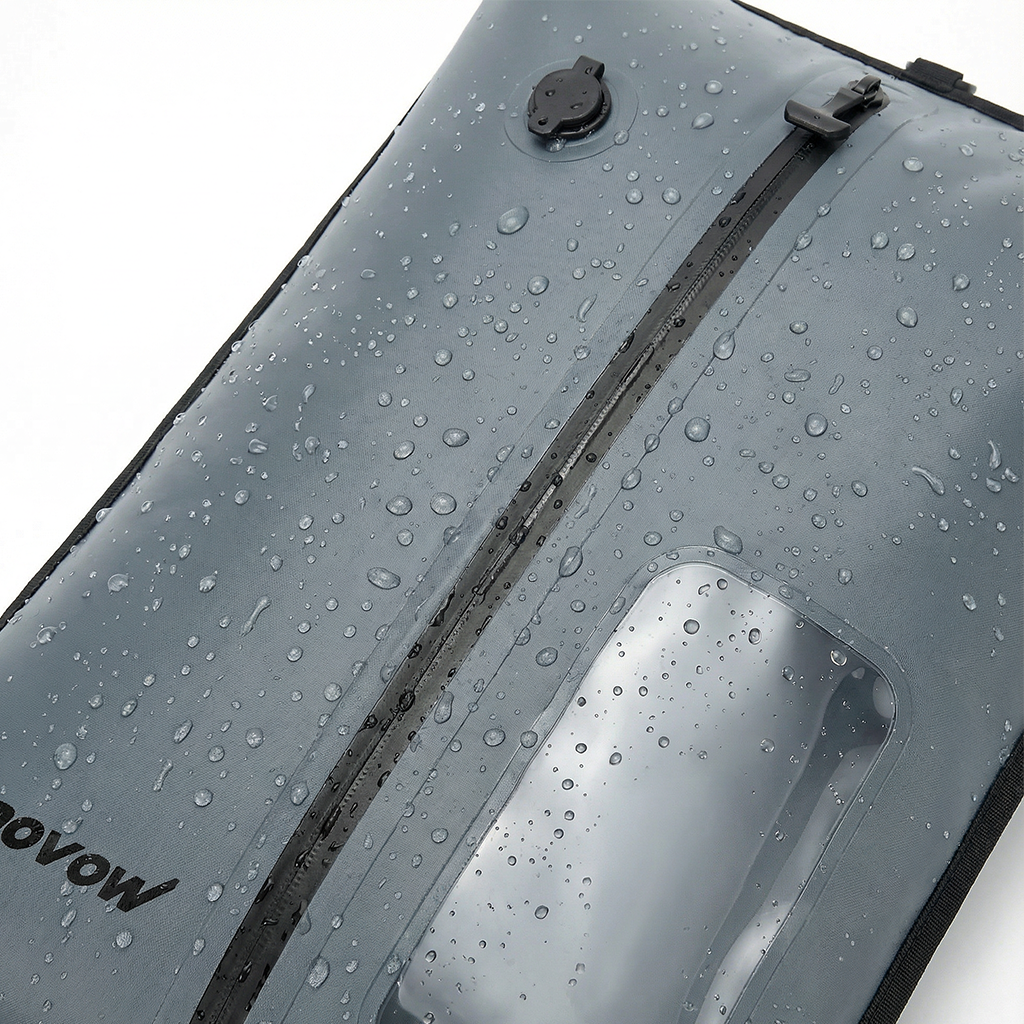
Investing in a dedicated rock climbing bag delivers numerous practical benefits that directly improve your climbing experience and gear management. First and foremost, specialized organization systems transform chaotic gear piles into orderly arrangements where every piece of equipment has its designated place. You will spend less time searching for that specific carabiner or belay device and more time actually climbing. The structured compartments prevent tangling of ropes and webbing, which not only saves time but also extends the lifespan of your equipment by reducing wear from friction and knots. Durability stands as another significant advantage of a quality rock climbing bag. These bags withstand the harsh treatment that comes with outdoor adventures, from being dragged across rocky terrain to enduring exposure to sun, rain, and dust. The reinforced materials and construction mean your bag will last for years, protecting your expensive climbing gear throughout countless trips. This durability translates into better value over time compared to cheaper alternatives that might need frequent replacement. Portability features make transporting heavy loads of climbing equipment significantly easier. Ergonomic shoulder straps distribute weight evenly across your body, reducing strain during long hikes to remote climbing locations. Multiple carry options, including backpack straps, duffel handles, and sometimes even wheels on larger models, provide flexibility depending on your specific situation and terrain. The weather protection offered by a rock climbing bag safeguards your gear from moisture damage, which can compromise rope integrity and cause metal components to rust. Water-resistant materials and sealed seams keep contents dry during unexpected rain showers or when storing the bag in damp environments. The convenience factor cannot be overstated when using a properly designed rock climbing bag. Quick-access pockets let you grab essentials without unpacking everything, while the tarp-style opening creates an instant gear station at any climbing site. This setup reduces the chance of losing small items in grass or dirt and keeps your equipment clean and ready for immediate use. A rock climbing bag also helps maintain hygiene by separating sweaty shoes and dirty gear from clean clothes and personal items. Ventilated compartments allow moisture to escape, preventing mold growth and unpleasant odors. Finally, the professional appearance and functionality of a dedicated rock climbing bag reflect your commitment to the sport and ensure you are always prepared for whatever climbing challenges await, whether at indoor facilities or outdoor destinations.

Practical Tips

Cordura Fabric

23

Dec

Cordura Fabric

View More
Top Buckle Brands for Bags

23

Dec

Top Buckle Brands for Bags

View More
Why Dyneema® (UHMWPE) is a Game-Changer for Bags

23

Dec

Why Dyneema® (UHMWPE) is a Game-Changer for Bags

View More
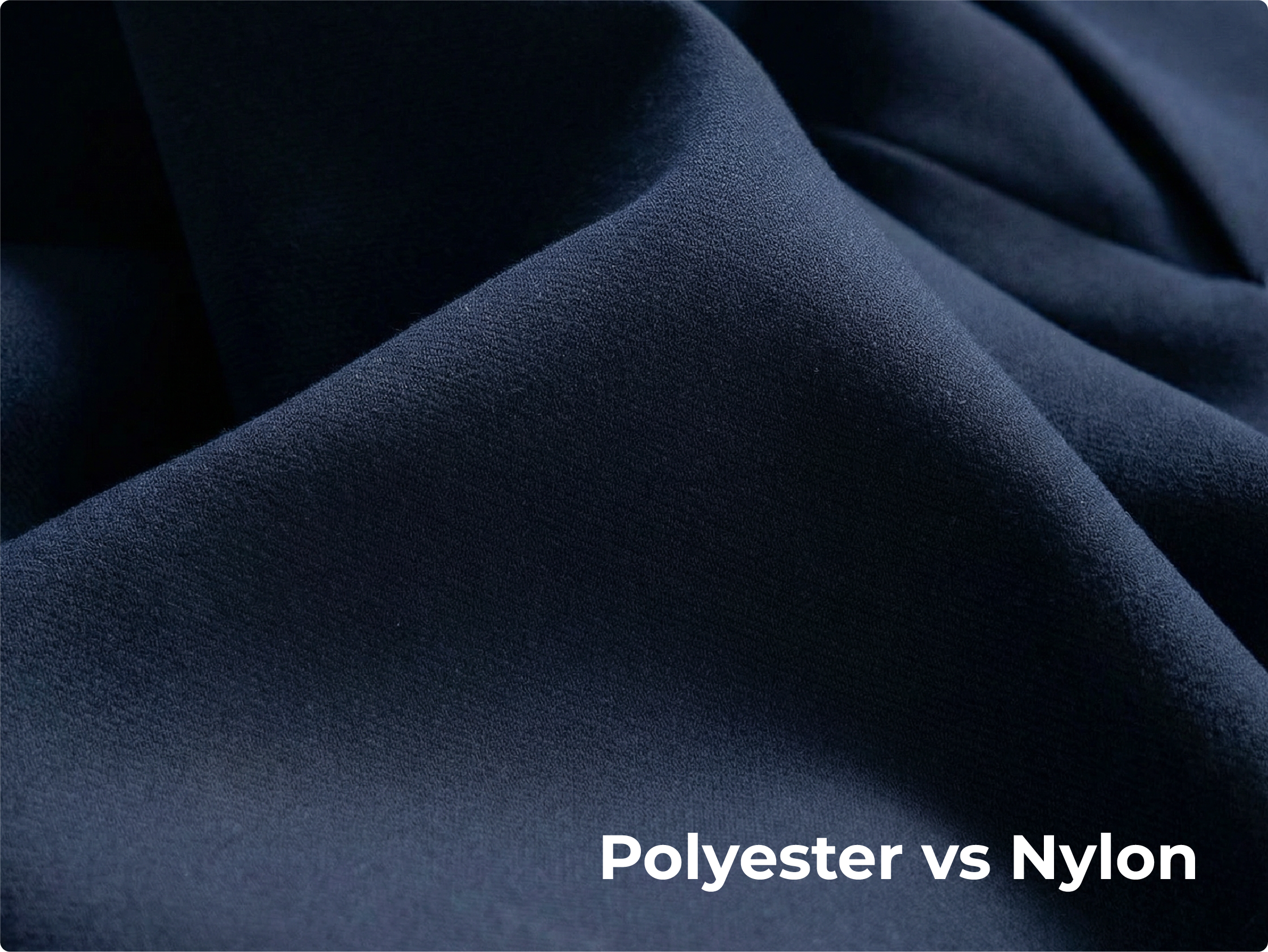
What Are the Key Material Properties of Polyester vs Nylon

23

Dec

What Are the Key Material Properties of Polyester vs Nylon

View More

Get a Free Quote

Our representative will contact you soon.
Email
Name
Company Name
Message
0/1000

rock climbing bag

Revolutionary Tarp-Base Design for Ultimate Gear Management

Revolutionary Tarp-Base Design for Ultimate Gear Management

The innovative tarp-base design represents one of the most valuable features found in quality rock climbing bags, fundamentally changing how climbers organize and access their equipment at climbing sites. This ingenious system transforms the bag from a simple container into a complete gear management station in seconds. When you arrive at your climbing destination, simply unzip or unfold the bag to reveal a large, flat surface that displays all your equipment in an organized, visible layout. This tarp base typically measures several feet in diameter, providing ample space to spread out ropes, hardware, and accessories in a logical arrangement that makes sense for your climbing session. The material used for this base section features heavy-duty, abrasion-resistant fabric that can withstand contact with sharp rocks, gravel, and rough surfaces without tearing or wearing through. Many designs incorporate waterproof or water-resistant coatings that create a protective barrier between your valuable climbing gear and wet ground conditions, muddy terrain, or dusty environments. This protection proves especially important for ropes, which can be damaged by dirt particles that work their way into the rope fibers and cause internal abrasion. The tarp base also includes strategically positioned gear loops, mesh pockets, and attachment points that keep specific items secured and organized throughout your climbing session. You can clip carabiners to designated loops, store your chalk bag in an accessible pocket, and arrange quickdraws in the order you will need them for your planned routes. This level of organization eliminates the frustrating experience of digging through a packed bag searching for a specific piece of equipment while your climbing partner waits. When your climbing session concludes, the tarp-base design makes packing incredibly efficient. Simply gather the edges of the tarp and cinch the drawstring closure, which automatically collects all your gear into the bag interior without requiring individual item placement. This quick-pack feature saves significant time compared to traditional bags and reduces the risk of leaving small items behind at the crag. The system also helps keep your gear cleaner by minimizing contact with ground debris during both use and packing. For climbers who frequent different locations, this feature adapts to various environments, whether you are climbing at a developed crag with flat staging areas or a remote boulder field where finding clean ground proves challenging.
Engineered Durability with Advanced Material Technology

Engineered Durability with Advanced Material Technology

The construction quality and material selection of a rock climbing bag directly impact its longevity, protective capabilities, and overall performance in demanding outdoor environments. Premium rock climbing bags utilize advanced textile technologies that balance strength, weight, and weather resistance to create products that endure years of rigorous use. The primary fabric typically consists of high-denier ballistic nylon or reinforced polyester, with denier counts ranging from 600 to 1680 depending on the specific application area. Higher denier numbers indicate thicker, more abrasion-resistant fibers that withstand scraping against rock surfaces, concrete gym floors, and the sharp edges of climbing hardware without developing holes or weak points. Critical stress areas such as the bag bottom, corner reinforcements, and handle attachment points receive additional layers of protective material or bar-tack stitching that prevents failure even under heavy loads. The fabric treatment includes specialized coatings that repel water, resist ultraviolet degradation, and prevent mildew growth in humid conditions. These treatments maintain their effectiveness through numerous washing cycles, ensuring long-term protection for your climbing equipment. Zippers represent another crucial durability component, with quality rock climbing bags featuring heavy-duty YKK or equivalent zippers that smoothly operate even when loaded with gear or exposed to dirt and dust. Self-healing zipper designs prevent complete separation if the slider comes off track, while oversized zipper pulls accommodate operation with gloved hands during cold-weather climbing trips. The internal structure of a rock climbing bag incorporates strategic reinforcement that maintains shape integrity even when fully loaded. Rigid baseboards or semi-rigid frames prevent sagging and make the bag easier to pack efficiently. Reinforced sidewalls protect gear from external impacts during transport, whether you are loading the bag into a vehicle trunk or checking it as luggage for climbing trips to distant destinations. Attention to stitching quality ensures all seams remain intact despite the stress of repeated packing, carrying, and unpacking cycles. Double or triple stitching along major seams, combined with bar-tack reinforcement at stress concentration points, creates connections stronger than the surrounding fabric. This construction approach means handles will not tear away from the bag body, straps remain securely attached, and compartment dividers maintain their position through years of use. The investment in superior materials and construction techniques results in a rock climbing bag that reliably protects your gear investment while withstanding the demanding conditions inherent to climbing activities.
Ergonomic Comfort Systems for Extended Carry Performance

Ergonomic Comfort Systems for Extended Carry Performance

The comfort features incorporated into modern rock climbing bags transform the experience of transporting heavy loads of equipment, making long approaches to remote climbing areas manageable and reducing physical fatigue that could otherwise impact climbing performance. Understanding that climbers often carry substantial weight, including ropes weighing several pounds, multiple harnesses, dozens of carabiners and quickdraws, plus personal items and safety equipment, designers have developed sophisticated carrying systems that distribute load efficiently across the body. The shoulder strap design represents the foundation of comfort in any rock climbing bag intended for backpack-style carry. Premium models feature contoured straps that follow the natural shape of shoulders and incorporate progressive density foam padding that cushions pressure points without adding excessive bulk or weight. The foam materials maintain their supportive properties across wide temperature ranges, remaining flexible in cold conditions and resisting compression breakdown in heat. Strap width typically measures between two and three inches, providing sufficient surface area to distribute weight without creating uncomfortable pressure lines, even during extended wear periods. Adjustable sternum straps connect the shoulder straps across the chest, preventing them from sliding off shoulders during dynamic movement or when navigating uneven terrain. This stabilization system keeps the load centered on your back, improving balance and reducing the energy expenditure required to maintain proper posture while hiking. Similarly, padded hip belts transfer a significant portion of the bag weight from shoulders to the stronger hip and leg muscle groups. These belts feature ergonomic shaping that conforms to hip contours and secure with robust buckle systems that remain fastened even during vigorous activity. The back panel construction provides both ventilation and cushioning, addressing the common problem of heat buildup and moisture accumulation against your back during physical exertion. Mesh fabrics or channeled foam designs promote airflow that carries away perspiration and heat, maintaining comfort during warm-weather approaches. Some advanced rock climbing bags incorporate suspended mesh back panels that create an air gap between the bag contents and your back, maximizing ventilation effectiveness. For bags designed with duffel-style or shoulder-bag carry options, padded handles and detachable shoulder straps provide comfortable alternatives when backpack carry proves impractical. These multiple carry configurations adapt to different situations, from short walks across parking areas to extended approaches on maintained trails. The overall ergonomic design considers load stability during movement, incorporating compression straps that cinch the bag contents tightly against the frame and eliminate shifting that could throw off your balance or cause discomfort through uneven weight distribution.

Get a Free Quote

Our representative will contact you soon.
Email
Name
Company Name
Message
0/1000