Robust Quality Control Systems Ensuring Product Excellence
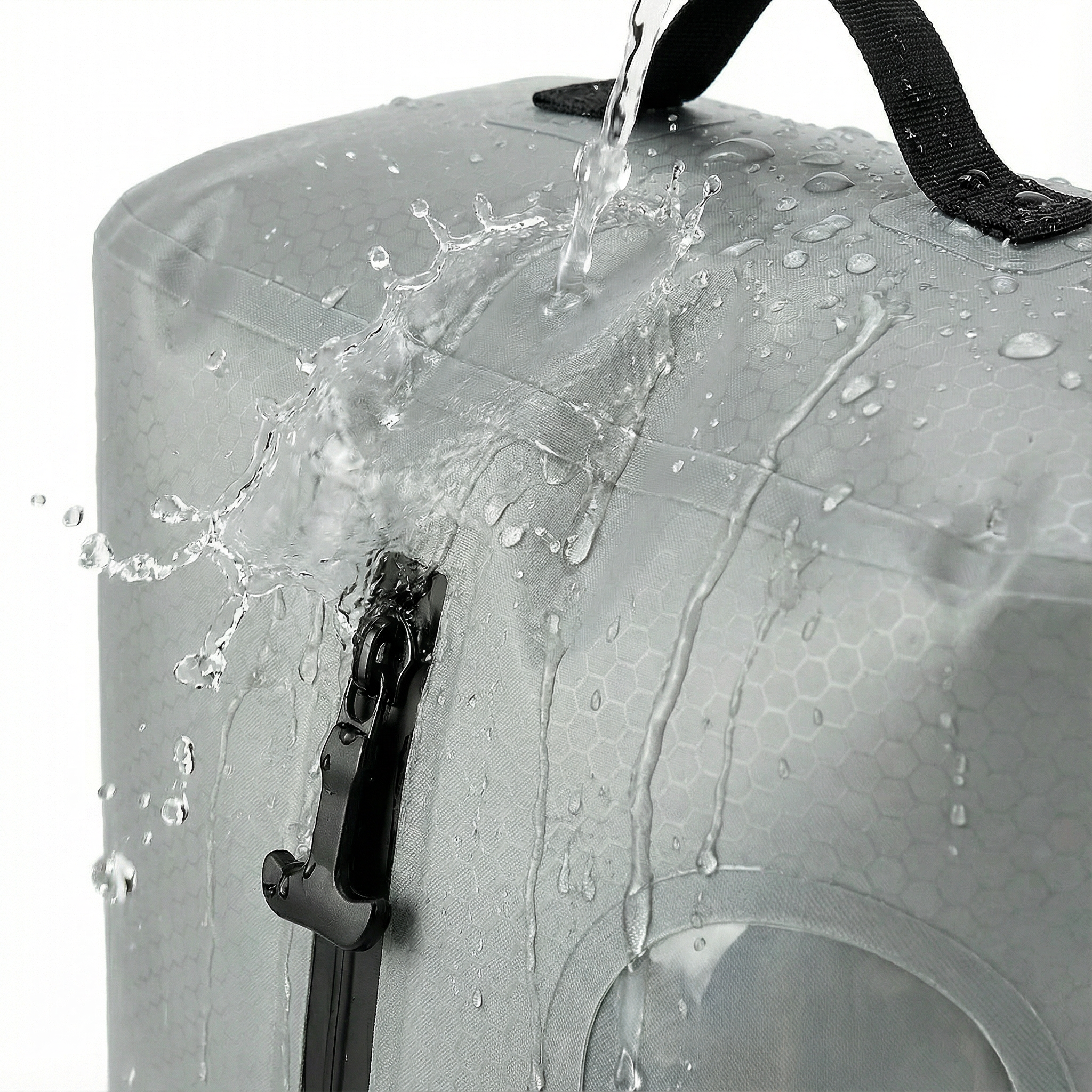
Quality assurance represents a fundamental pillar of any reputable sling bag supplier operation, encompassing systematic processes that guarantee every product meets stringent standards before reaching end customers. These comprehensive quality control systems begin with incoming material inspection, where trained technicians evaluate fabric tensile strength, color consistency, and surface finish quality against predetermined specifications. This initial checkpoint prevents defective materials from entering production lines, eliminating waste and ensuring downstream efficiency. During the cutting phase, precision equipment and verification protocols confirm accurate pattern dimensions, as even minor deviations can compromise assembly quality and final product fit. Stitching quality receives particular attention, with operators monitoring thread tension, seam straightness, and stitch density at regular intervals throughout production runs. A professional sling bag supplier implements workstation-specific quality checkpoints, where each assembly stage undergoes evaluation before components progress to subsequent operations. This distributed approach to quality management catches issues immediately, preventing cumulative defects that would otherwise require costly rework or product rejection. Hardware installation quality gets verified through functionality testing, ensuring zippers operate smoothly across their entire range, buckles engage securely, and adjustable straps maintain position under load. Finishing inspections examine overall construction integrity, checking for loose threads, misaligned components, inconsistent stitching, or cosmetic imperfections that would diminish perceived value. Many suppliers employ random sampling protocols alongside comprehensive inspections, balancing thoroughness with production efficiency while maintaining statistical confidence in output quality. Testing procedures often extend beyond visual inspection to include practical durability assessments, where products undergo stress testing simulating extended use conditions. These evaluations might include repeated loading and unloading cycles, strap tension tests, zipper operation repetitions, and exposure to environmental factors like moisture or temperature variations. Documentation systems track quality metrics across production batches, enabling trend analysis that identifies potential process improvements and supplier performance variations. A committed sling bag supplier views quality control not as a cost center but as a value creation mechanism that reduces returns, enhances customer satisfaction, and strengthens long-term business relationships. They invest in training programs that elevate workforce skills, ensuring every team member understands quality standards and feels empowered to halt production when issues arise. Modern quality management often incorporates digital tools, with some suppliers implementing photographic documentation, barcode tracking, and real-time reporting systems that provide clients with transparency throughout the manufacturing process. This rigorous approach to quality assurance ultimately protects your brand reputation, minimizes post-sale complications, and creates competitive advantages through consistently superior products that exceed customer expectations and justify premium positioning in crowded marketplaces.

 EN
EN