Versatile Storage and Organization Solutions
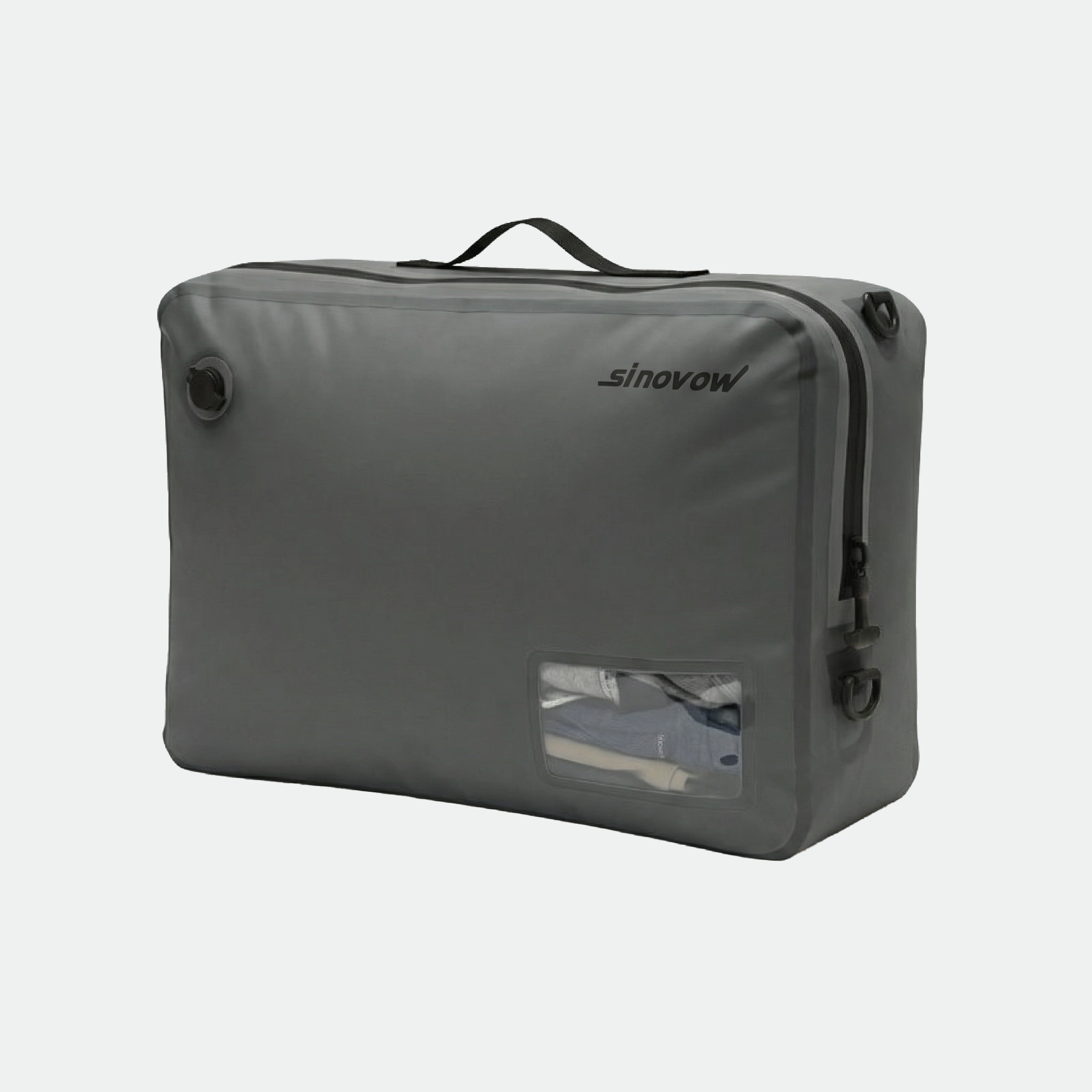
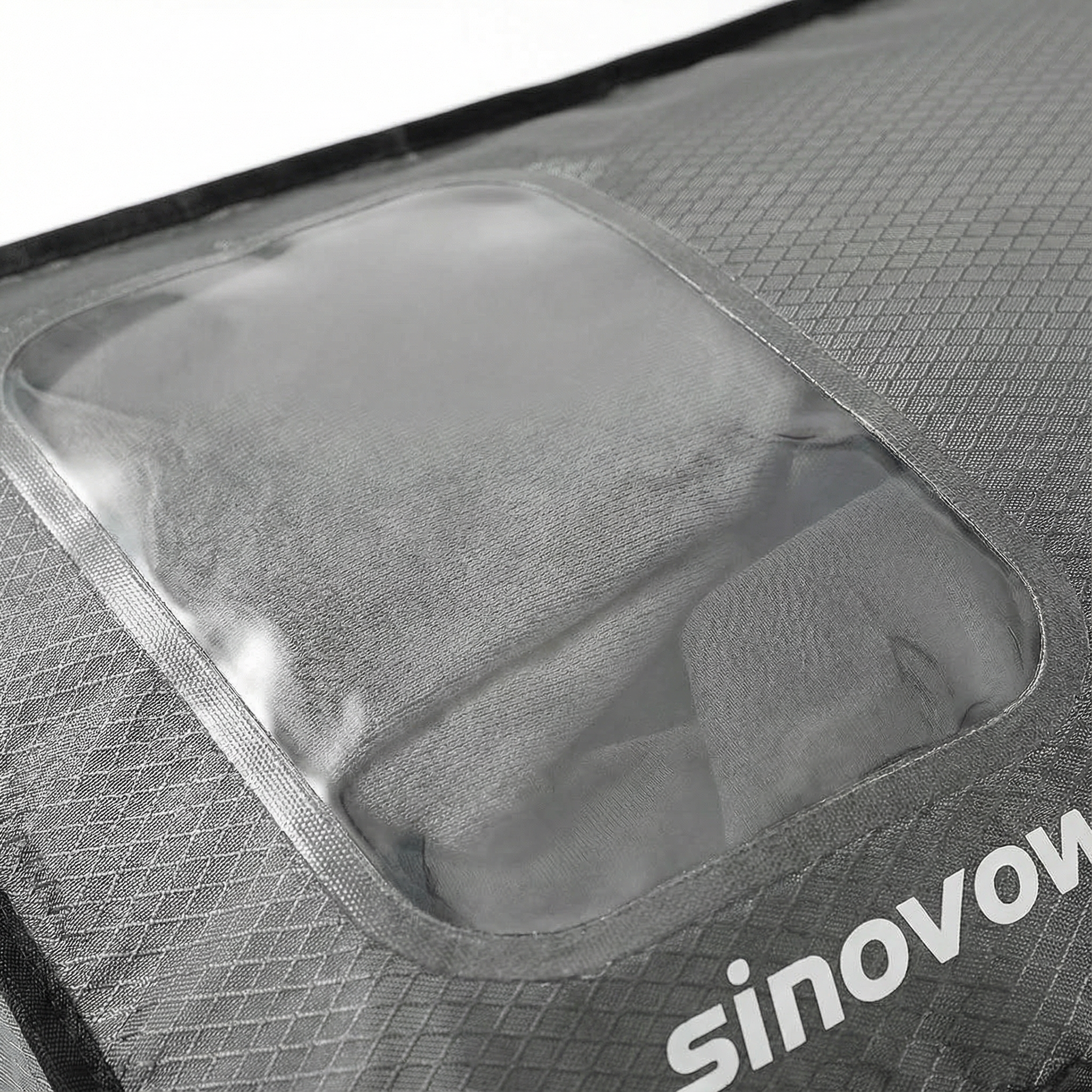
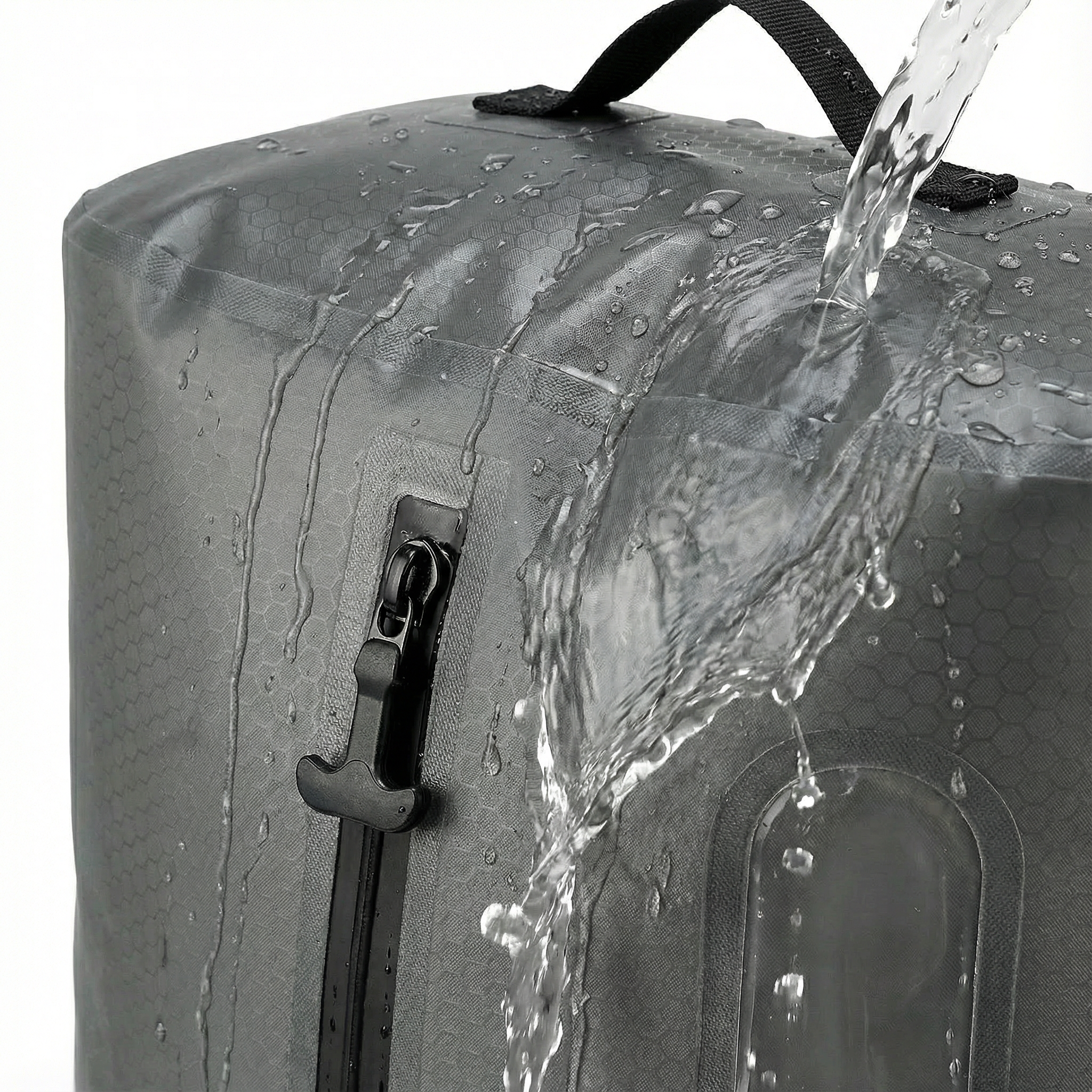
The storage architecture of modern trail running hydration vests demonstrates remarkable sophistication in balancing carrying capacity against weight minimization and accessibility requirements. Front chest pockets utilize elastic mesh materials that expand to accommodate soft flasks, energy bars, smartphones, and other frequently accessed items while compressing flat when empty to eliminate bulk and maintain aerodynamic profiles. The positioning of these pockets capitalizes on visual accessibility, allowing you to glance down and instantly assess remaining nutrition or grab items without fumbling or stopping, which proves invaluable during competitive events where every second counts. Zippered compartments integrated into shoulder straps or chest panels provide secure storage for valuables like keys, identification, and credit cards that must remain protected from loss even during falls or while navigating dense vegetation. The main rear compartment typically features a large opening that swallows layers shed during warming efforts, with internal organization sleeves separating hydration reservoirs from gear to prevent punctures and maintain structural support. Specialized pockets address specific needs that emerge during long wilderness ventures, including insulated sections for maintaining food temperature, waterproof compartments for electronics, pole attachment systems for collapsible trekking poles during sections where hands-free movement becomes necessary, and external bungee systems for securing wet gear away from other contents. The organizational philosophy emphasizes weight distribution symmetry, with designers carefully planning pocket locations to encourage balanced loading that prevents the vest from pulling to one side and creating gait imbalances or discomfort. Accessibility considerations extend to ensuring pockets can be reached and operated with either hand, accommodating both left and right-handed runners and enabling access even when one arm tires during extremely long efforts. Volume capacities typically range from five to twenty liters, with size selection depending on distance expectations, climate conditions requiring extra gear, and personal preferences regarding carrying philosophy. Compression straps allow the vest to shrink around minimal loads, preventing contents from shifting in partially filled compartments, while still offering expansion capability for longer missions requiring additional supplies. This storage versatility transforms the trail running hydration vest into a complete adventure support system rather than merely a hydration solution, enabling self-sufficient exploration of remote areas with confidence that all essential equipment remains organized, accessible, and secure throughout the journey regardless of terrain difficulty or duration.
 EN
EN