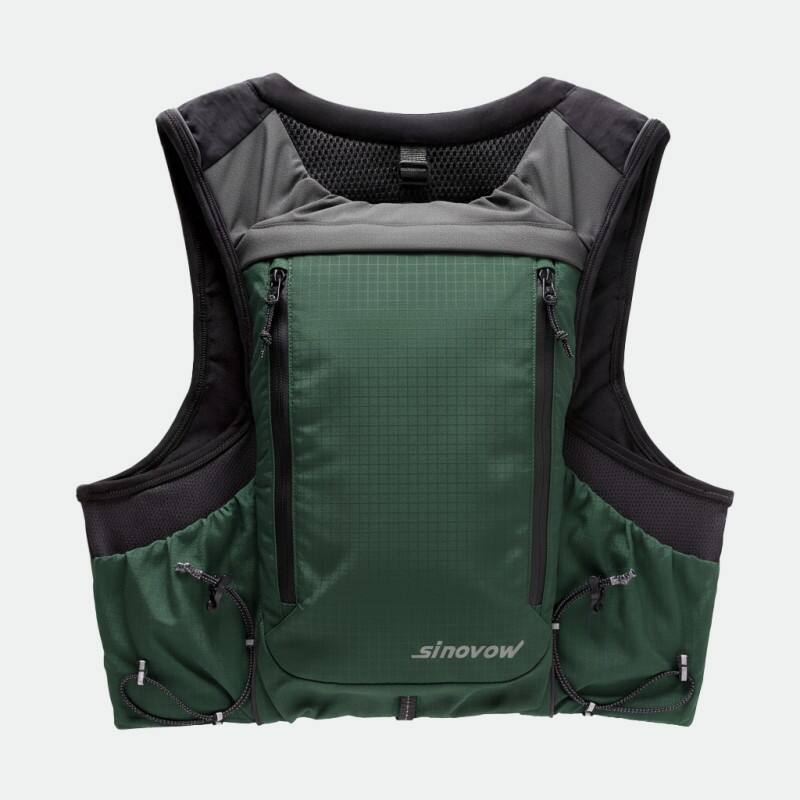
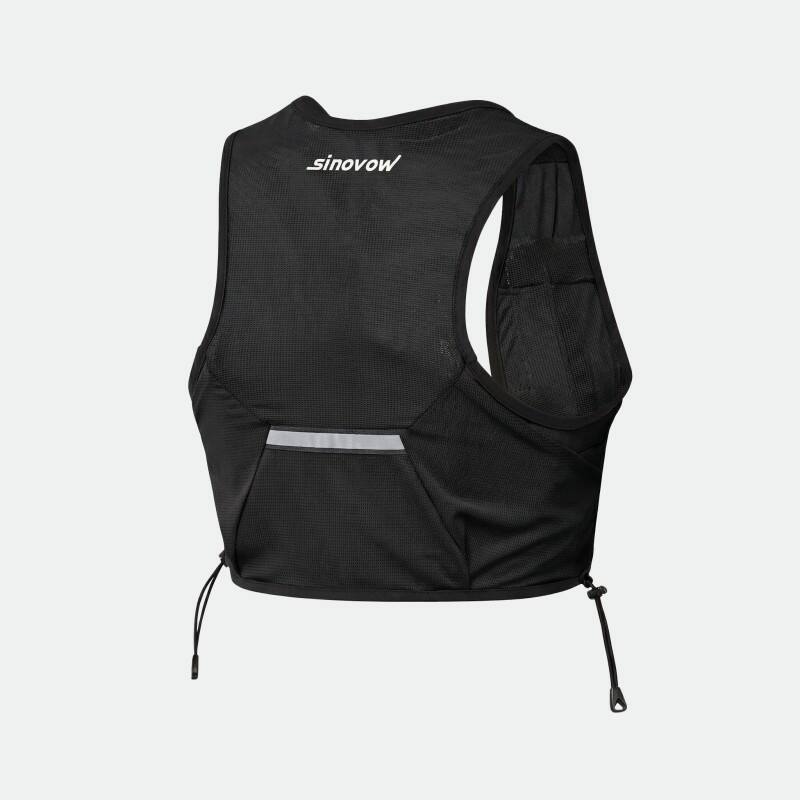
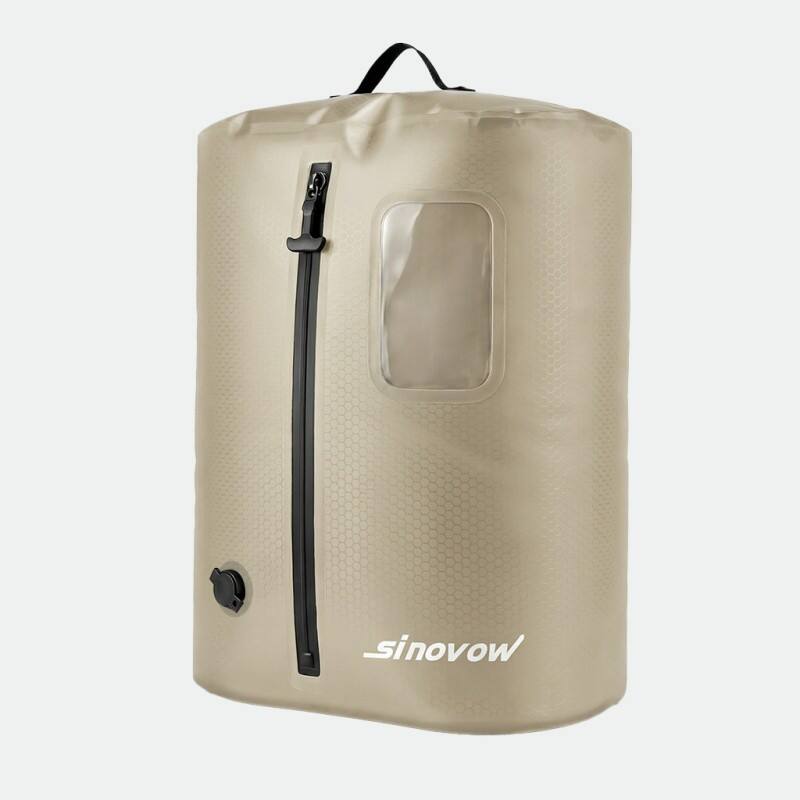
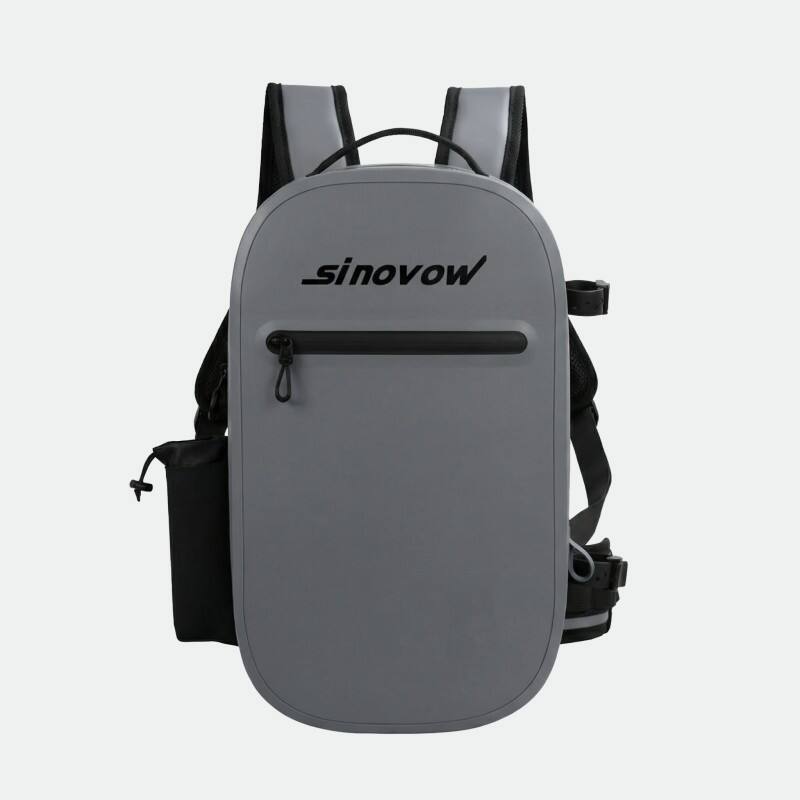
Versatile Capacity and Organization Systems Adapt to Diverse Adventure Requirements
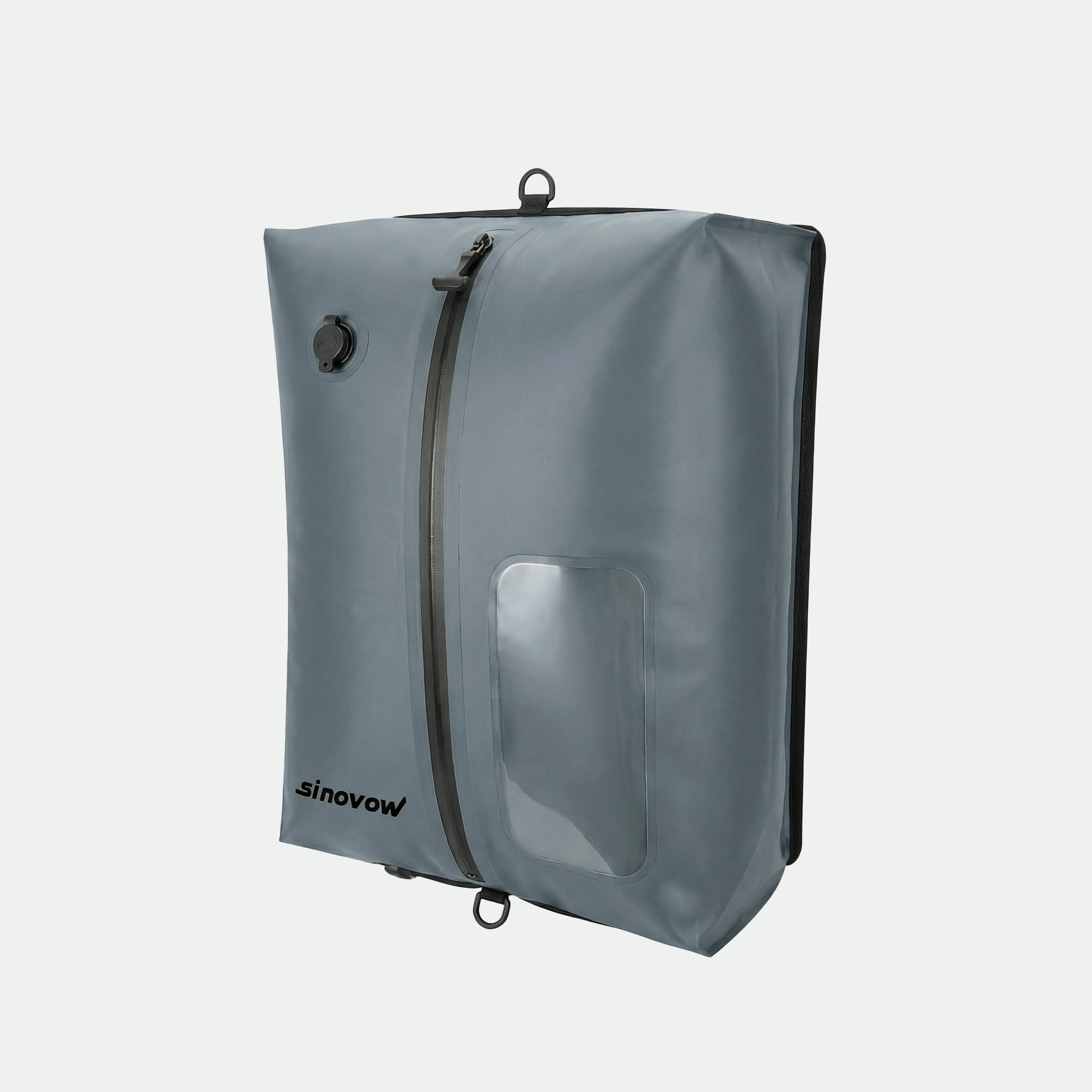
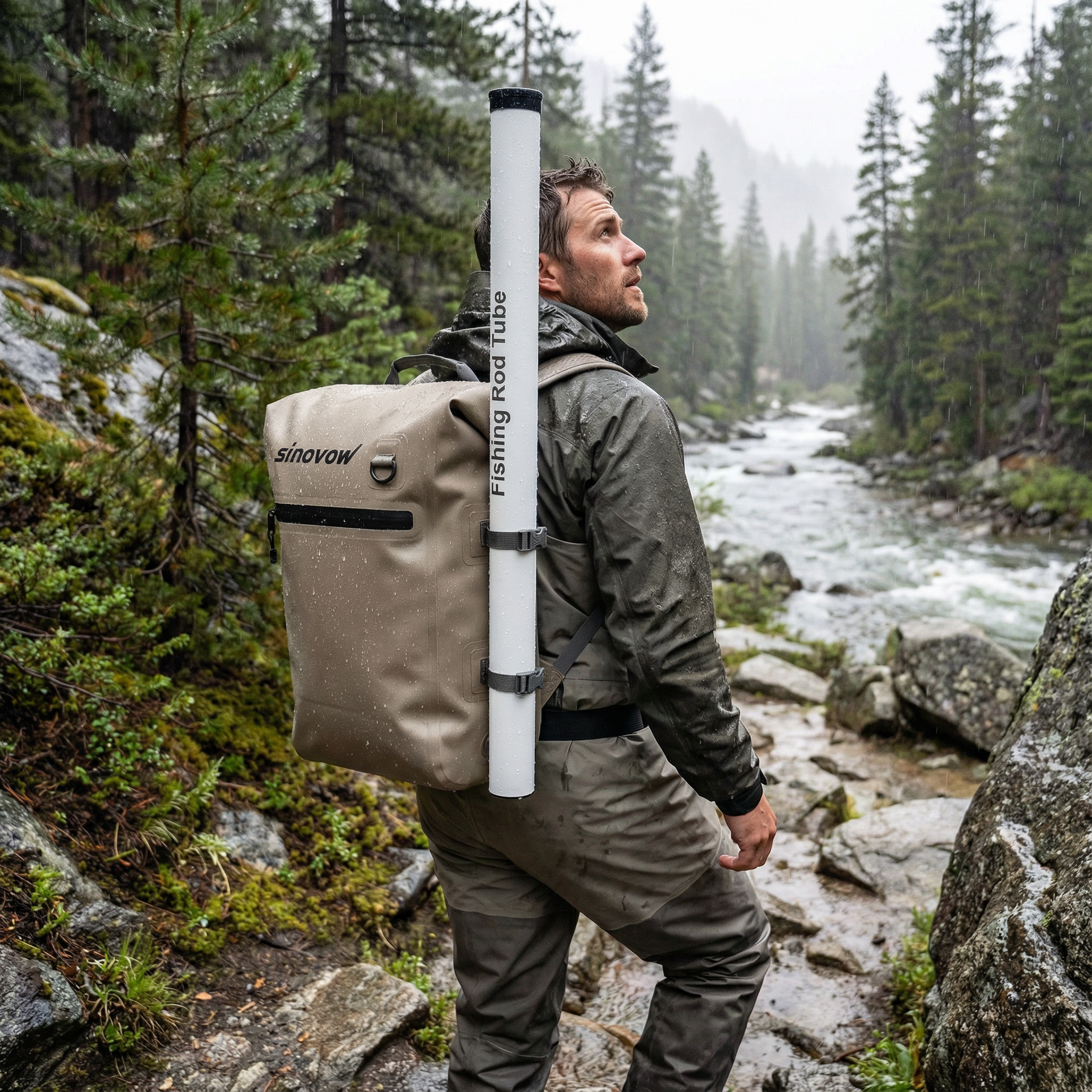
The organizational capabilities and adaptable storage configurations found in a thoughtfully designed waterproof backpacking pack provide practical advantages that enhance efficiency, accessibility, and versatility across numerous outdoor pursuit categories and trip duration scenarios. Internal volume capacities typically range from forty to eighty liters in waterproof backpacking pack models, with the flexibility to compress smaller loads through strategic strap systems or expand to maximum volume for gear-intensive expeditions requiring extended self-sufficiency in remote locations without resupply opportunities. The single-chamber main compartment design common in roll-top waterproof backpacking pack constructions offers distinct advantages over multiple-compartment alternatives, eliminating internal dividers that create dead space, simplifying the packing process by allowing flexible arrangement of irregularly shaped items, and maintaining complete waterproof integrity without requiring multiple sealed zones that increase complexity and potential failure points. However, this simplicity demands thoughtful packing strategies, which many waterproof backpacking pack manufacturers address through color-coded stuff sacks, modular internal organizers, and recommended loading sequences that position frequently accessed items near the opening while placing camp setup gear and evening-only equipment deeper in the pack. External attachment systems expand carrying capacity beyond internal volume limitations, with daisy chain webbing, lash points, and compression strap routing options that accommodate trekking poles, ice axes, camp chairs, fishing rods, tripods, and other specialized equipment that would consume valuable interior space or prove awkward to pack internally. Lid pockets or roll-top external sleeves on many waterproof backpacking pack designs create secure storage zones for items needed during hiking without stopping for full pack access, including trail snacks, first aid supplies, headlamps, rain layers, and navigation tools, improving efficiency and safety by keeping essential gear immediately available. Hydration system compatibility represents an important versatility feature, with internal sleeves or routing channels that accommodate water reservoirs and drinking tube pathways, though waterproof backpacking pack users must carefully consider reservoir placement to prevent punctures that would leak water into the supposedly dry interior, with many experienced adventurers preferring external water bottle pockets instead. Load organization strategies for waterproof backpacking pack interiors often follow the principle of placing heavy items close to your back and centered between shoulder blades to optimize weight distribution, with sleeping bags and lightweight items filling bottom spaces, dense food bags and cooking equipment occupying the central zone, and clothing layers providing cushioning around the perimeter, creating a stable, comfortable load that moves naturally with your body rather than pulling awkwardly with each step.
 EN
EN