 EN
EN

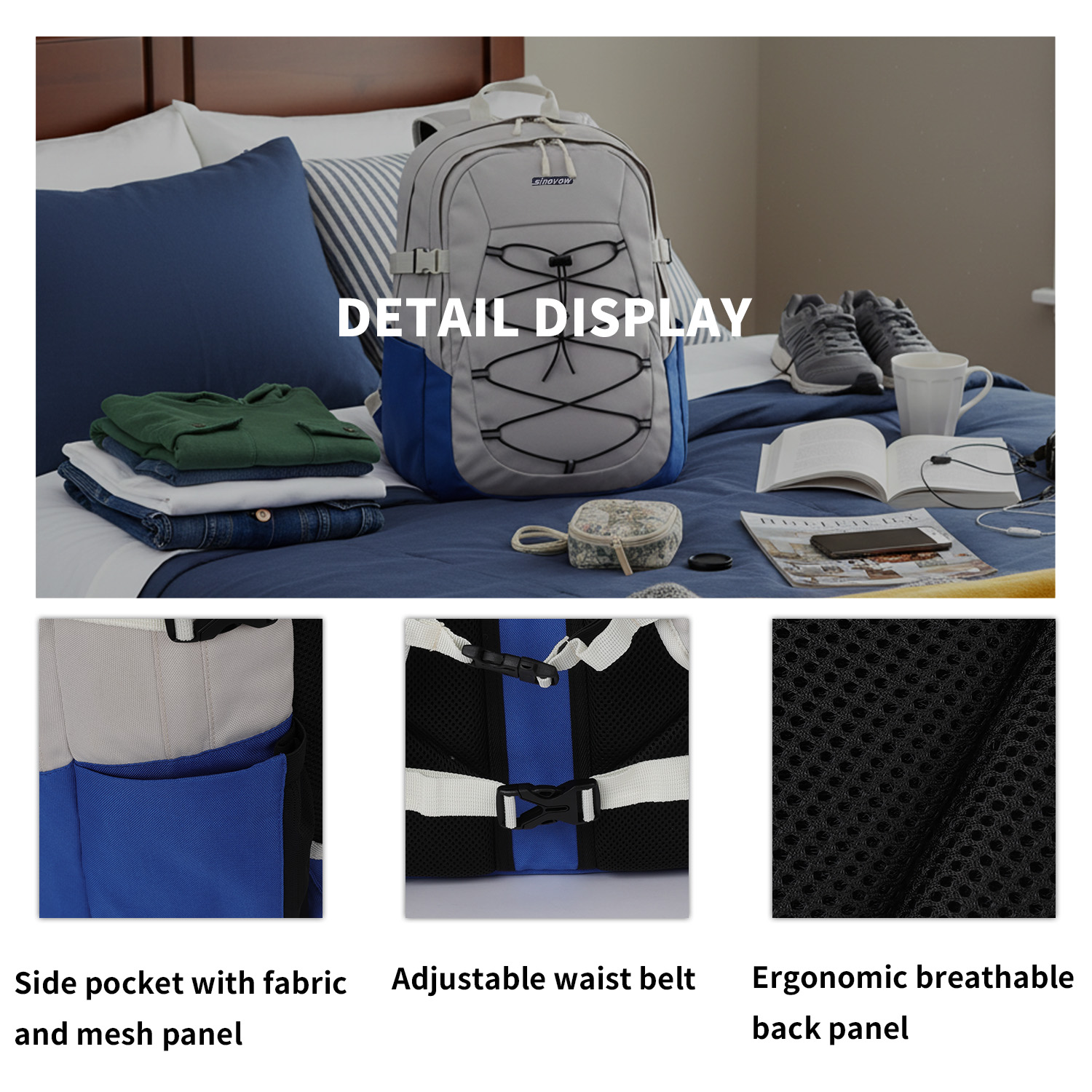
Material durability is one of the most critical performance factors in backpack manufacturing, and OEM backpack suppliers carry the direct responsibility of ensuring every product meets the durability standards their clients demand. From fabric selection to stitching reinforcement, OEM backpack suppliers operate within a structured workflow designed to minimize material failure across diverse use environments. Understanding how they manage this process reveals why material durability is not left to chance but is instead engineered at every production stage.
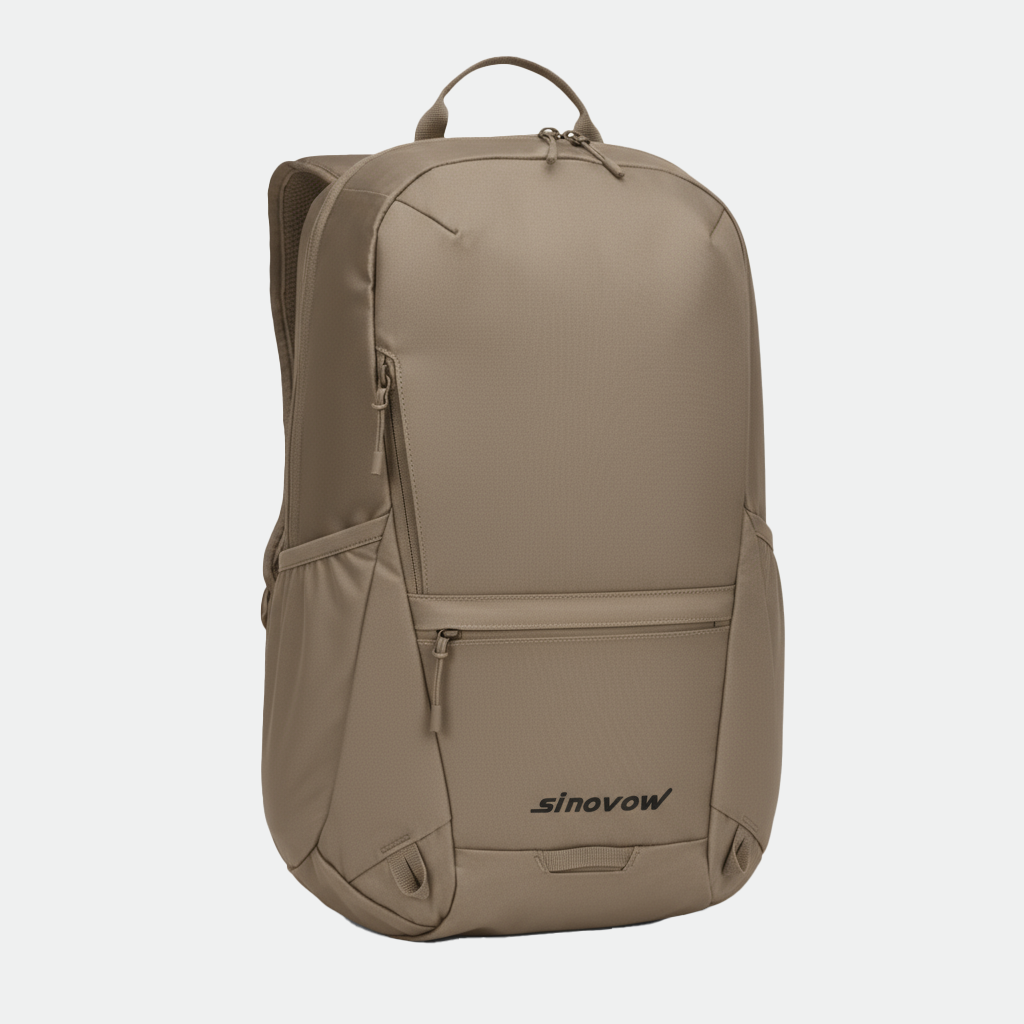
Brands and buyers working with OEM backpack suppliers often ask how durable materials are selected, tested, and maintained throughout production. The answer lies in a combination of supplier-side expertise, raw material protocols, and quality control systems that OEM backpack suppliers have developed and refined over years of industry experience. This article breaks down the core methods OEM backpack suppliers use to manage material durability from concept to finished product.
Raw Material Sourcing and Selection Standards
How OEM Backpack Suppliers Evaluate Fabric Performance
Before production begins, OEM backpack suppliers invest significant effort in evaluating and approving raw materials. Fabric performance is assessed based on tensile strength, abrasion resistance, tear resistance, and coating integrity. OEM backpack suppliers typically work with certified mills and material vendors who can provide standardized test reports, such as Martindale abrasion test results or denier consistency data. This upfront evaluation ensures that only materials meeting a defined durability threshold enter the supply chain.
OEM backpack suppliers also consider end-use conditions when selecting materials. A backpack intended for outdoor hiking requires different fabric specifications than one designed for daily commuting. By mapping client requirements to material performance data, OEM backpack suppliers align fabric selection with real-world durability expectations rather than relying on generic specifications. This targeted approach to sourcing is a key reason why experienced OEM backpack suppliers consistently deliver products that hold up under extended use.
Component-Level Durability Assessment
Beyond fabric, OEM backpack suppliers assess the durability of all hardware components, including zippers, buckles, rivets, and shoulder strap webbing. Each component is evaluated for cycle life, load tolerance, and resistance to corrosion or UV degradation. OEM backpack suppliers understand that a backpack is only as durable as its weakest component, so material approval processes cover every detail — not just the outer shell fabric. Reliable OEM backpack suppliers maintain approved vendor lists for hardware to ensure component quality remains consistent across production batches.
In-Process Quality Control During Production
Stitching and Construction Standards Enforced by OEM Backpack Suppliers
Once production begins, OEM backpack suppliers implement in-process controls that directly impact long-term material durability. Stitch density, thread type, seam reinforcement, and bar-tacking locations are all defined in technical specifications that production teams must follow precisely. OEM backpack suppliers use defined stitch-per-inch standards to ensure seams resist splitting under load, and they apply reinforcement at high-stress points such as handle attachments and strap anchor zones. These construction standards prevent premature failure in areas where force concentration is highest during normal use.
Inline inspections carried out by OEM backpack suppliers catch deviations from approved construction methods before they affect entire production runs. Quality inspectors check seam integrity, zipper alignment, strap attachment strength, and fabric consistency at regular intervals throughout the production process. OEM backpack suppliers that maintain rigorous inline inspection routines reduce the risk of durability-related defects reaching finished goods, which protects both the supplier's reputation and the client's brand equity.
Material Handling and Environmental Controls
OEM backpack suppliers also manage material durability through factory-floor handling protocols. Fabric rolls are stored in controlled environments to prevent moisture absorption, mildew growth, or UV exposure that could weaken material integrity before cutting. OEM backpack suppliers train production staff to handle coated fabrics carefully to avoid delamination caused by improper folding or compression. These seemingly small operational details have a measurable impact on the finished product's durability and are a sign of professionalism that distinguishes capable OEM backpack suppliers from lower-tier manufacturers.
Pre-Shipment Testing and Durability Verification
Standardized Testing Protocols Used by OEM Backpack Suppliers
Before finished backpacks leave the factory, OEM backpack suppliers conduct pre-shipment testing to verify that durability standards have been met. Common tests include load-bearing trials, where backpacks are filled to maximum rated capacity and carried or suspended to simulate real-use stress. OEM backpack suppliers also perform zipper cycle tests, strap pull tests, and seam burst tests to confirm that each structural element performs within acceptable limits. These tests provide objective data that OEM backpack suppliers and their clients can use to verify product integrity before goods are shipped.
Some OEM backpack suppliers also send samples to third-party testing laboratories for independent durability certification. This is especially relevant when clients operate in regulated markets or require documented proof of compliance with specific performance standards. OEM backpack suppliers that invest in third-party testing demonstrate a higher level of accountability and provide clients with stronger assurance of product quality. The testing data becomes a traceable record that supports warranty claims and quality audits.
Feedback Integration and Continuous Improvement
Leading OEM backpack suppliers treat post-delivery feedback as essential input for improving material durability management. When clients report durability issues in the field — such as strap fraying, zipper failures, or coating peeling — OEM backpack suppliers analyze the root cause and update their material approval criteria or construction specifications accordingly. This closed-loop improvement process means that OEM backpack suppliers who have managed large volumes of production carry institutional knowledge that directly benefits future clients. Continuous improvement is what separates OEM backpack suppliers that grow long-term partnerships from those that struggle with recurring quality problems.
FAQ
What materials do OEM backpack suppliers typically use for high-durability backpacks?
OEM backpack suppliers commonly use high-denier nylon, polyester with PU or TPU coatings, and Cordura fabric for high-durability backpacks. Hardware components such as YKK zippers and reinforced buckles are also standard among quality-focused OEM backpack suppliers. Material selection depends on the intended use case, load requirements, and the client's performance specifications.
How do OEM backpack suppliers handle custom durability requirements from clients?
OEM backpack suppliers work with clients during the development phase to understand specific durability requirements, such as water resistance ratings, load capacity, or abrasion resistance levels. Based on these requirements, OEM backpack suppliers select and test appropriate materials, define construction standards, and produce prototypes for client approval before full production begins. This collaborative process ensures the final product meets the client's exact durability expectations.
Can OEM backpack suppliers provide durability test reports for compliance purposes?
Yes, reputable OEM backpack suppliers can provide test reports from in-house quality control processes or from accredited third-party laboratories. These reports document performance data such as seam strength, zipper cycle life, and fabric abrasion resistance. Clients requiring compliance documentation for specific markets should communicate these needs early so that OEM backpack suppliers can plan the appropriate testing and certification steps within the production timeline.