 EN

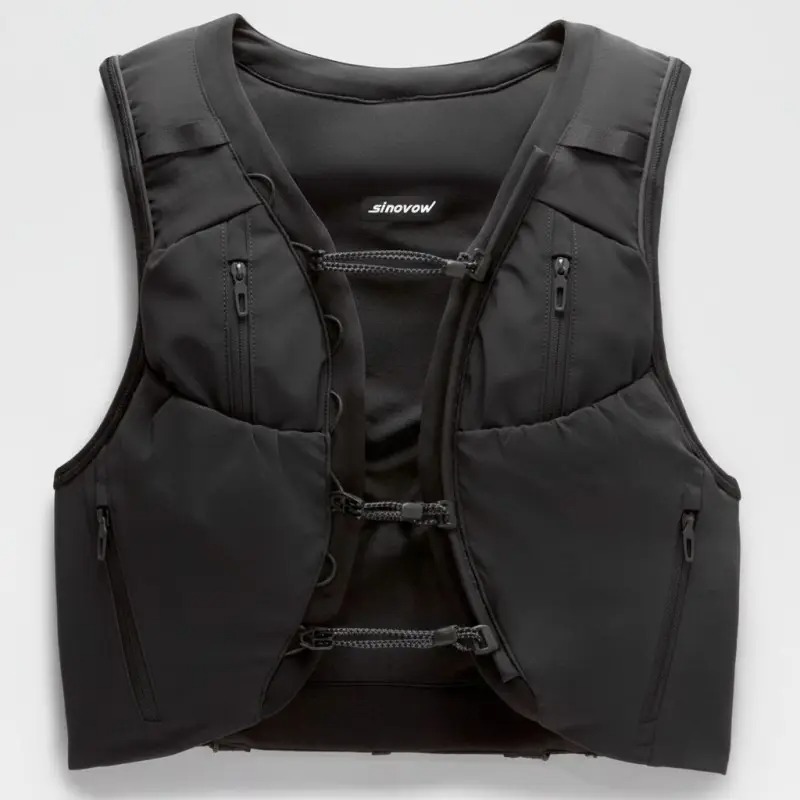
Modern running vest manufacturers face intense pressure to deliver products that perform reliably in demanding athletic conditions. The development of a quality running vest depends critically on rigorous testing protocols for breathable mesh fabrics. These testing methods ensure that every running vest meets performance standards for ventilation, durability, and comfort. Behind every trusted running vest lies sophisticated laboratory work and real-world validation that separates premium products from mediocre alternatives. Understanding how factories test breathable mesh fabrics reveals the engineering rigor required to create a running vest that athletes can depend on.
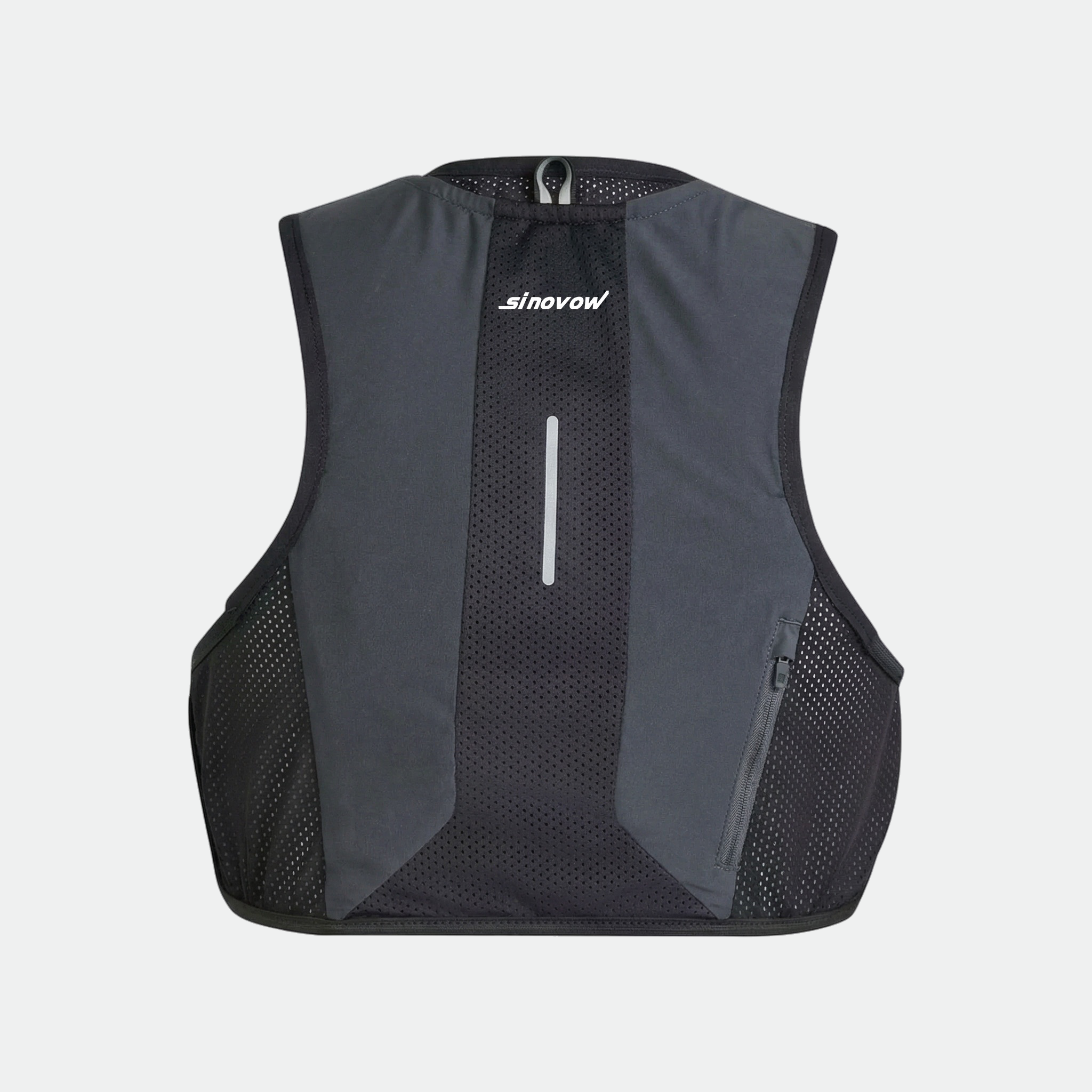
A running vest represents far more than casual athletic wear. The breathable mesh fabrics woven into each running vest must balance conflicting demands: they must permit maximum airflow while maintaining structural integrity under sweat, movement, and UV exposure. Factories employ standardized testing frameworks to validate that breathable mesh fabrics in every running vest meet international performance criteria. These tests measure air permeability, water vapor transmission, colorfastness, tensile strength, and dimensional stability. The running vest industry relies on these objective measurements to ensure consistency and reliability across production batches.
Air Permeability and Breathability Assessment
Core Breathability Measurement Standards
Running vest factories begin breathability assessment by measuring air permeability using standardized testing equipment. The running vest industry employs methods like ASTM D737 and ISO 9237 to quantify how efficiently air flows through breathable mesh fabrics. These tests apply controlled pressure differential across fabric samples and measure the volume of air passing through per unit time. For a running vest intended for high-intensity training, breathable mesh fabrics typically require air permeability values exceeding 100 cubic feet per minute. Factories document these running vest fabric measurements as baseline performance metrics that directly influence athlete comfort during prolonged activity.
Water Vapor Transmission Testing
Beyond simple air flow, running vest manufacturers test moisture management capacity of breathable mesh fabrics using water vapor transmission rate (WVTR) testing. The running vest standard ASTM E96 creates a controlled humidity gradient across fabric samples, measuring how effectively sweat moisture escapes through breathable mesh fabrics. A high-performance running vest requires WVTR values that allow rapid evaporation without trapping moisture against the skin. Factories establish running vest breathability thresholds that ensure wearers experience dry conditions even during intense cardiovascular exertion. This running vest testing methodology prevents the clammy, uncomfortable sensation that degrades athlete performance and causes chafing.
Durability and Structural Integrity Testing
Tensile Strength and Tear Resistance
Manufacturing a durable running vest requires testing breathable mesh fabrics for mechanical strength under realistic wear conditions. Running vest factories measure tensile strength using ASTM D6775 protocols, applying gradually increasing tension until fabric samples rupture. The running vest industry demands tensile values that allow athletes to move aggressively without tearing the garment. Tear propagation testing specifically evaluates how readily a running vest might rip if snagged on equipment or environmental obstacles. Breathable mesh fabrics selected for running vest production must demonstrate high tear strength without sacrificing the lightweight, open-weave structure necessary for ventilation. Testing each running vest batch ensures that breathability and durability coexist rather than competing objectives.
Abrasion Resistance and Pilling
A running vest experiences repeated friction against skin, backpack straps, and hydration systems during extended wear. Running vest manufacturers test breathable mesh fabrics for abrasion resistance using the Martindale test method, which simulates thousands of friction cycles under defined pressure. The running vest industry also evaluates pilling behavior, where loose fiber ends form undesirable surface balls that compromise appearance and comfort. Factories establish pilling resistance standards specific to running vest applications, since even minor bobbling on breathable mesh fabrics degrades the premium perception of expensive athletic gear. Testing protocols verify that a running vest maintains visual appeal and tactile quality throughout its functional lifespan, reinforcing customer satisfaction and brand reputation.
Environmental and Lifecycle Performance
Colorfastness and UV Degradation
Athletes wear running vest gear outdoors where intense solar radiation accelerates fabric degradation and color fading. Running vest factories test breathable mesh fabrics for colorfastness to light using ASTM D4355 protocols that expose samples to accelerated UV conditions simulating months of outdoor use. The running vest industry also conducts perspiration and wash colorfastness testing to ensure dyes remain stable when exposed to sweat chemistry and repeated laundering. A running vest displaying significant color loss after normal use signals lower-quality breathable mesh fabrics and manufacturing shortcuts. Factories that invest in comprehensive running vest colorfastness testing build consumer confidence through products that retain visual appeal season after season, justifying premium pricing and customer loyalty.
Dimensional Stability and Shrinkage
Improper running vest fit dramatically impacts comfort and performance, making dimensional stability critical during fabric testing. Running vest manufacturers test breathable mesh fabrics for shrinkage using warm-water and heat-aging protocols aligned with home care instructions. The running vest industry establishes maximum shrinkage limits typically below 3 percent in both length and width dimensions. Testing reveals how temperature, humidity, and mechanical action during washing might alter the precise sizing of a running vest after purchase. Factories conducting rigorous running vest dimensional stability testing prevent the common consumer complaint of garments becoming unwearable after initial washing. This running vest quality assurance directly translates to reduced returns, improved online reviews, and higher repeat purchase rates.
FAQ
What specific tests must breathable mesh fabrics pass for running vest certification?
Breathable mesh fabrics destined for running vest applications must pass multiple standardized tests including air permeability (ASTM D737), water vapor transmission (ASTM E96), tensile strength (ASTM D6775), tear resistance, colorfastness to light (ASTM D4355), and dimensional stability. Running vest manufacturers typically establish internal performance thresholds that exceed minimum international standards. These running vest certification tests ensure that breathable mesh fabrics deliver the performance athletes expect in terms of ventilation, durability, comfort, and aesthetic consistency throughout the garment lifecycle.
How do running vest factories simulate real-world athletic conditions during breathable mesh fabric testing?
Running vest manufacturers conduct accelerated aging tests that compress months of typical use into days of laboratory testing. For a running vest, factories expose breathable mesh fabrics to combinations of heat, moisture, UV radiation, and mechanical stress that simulate summer running conditions, sweat exposure, washing cycles, and prolonged outdoor activity. This running vest testing approach reveals potential failure modes before products reach consumers. Factories also conduct field trials with athlete testers who provide qualitative feedback about comfort, durability, and breathability that complements laboratory measurements for comprehensive running vest validation.
Why is water vapor transmission testing critical for running vest performance?
Water vapor transmission testing directly determines whether a running vest will feel dry and comfortable or clammy and restricting during intense exercise. Running vest fabrics must permit rapid escape of sweat moisture while preventing external water from penetrating inward during rain exposure. Breathable mesh fabrics with inadequate water vapor transmission rates fail to manage the substantial moisture produced during cardiovascular training, leading to discomfort, chafing, and poor running vest performance. Testing quantifies this critical running vest function, ensuring that selected breathable mesh fabrics deliver the moisture-wicking performance necessary for serious athletes who demand premium athletic apparel.