 EN
EN


The modern travel bag is no longer simply a container for personal belongings. It has become a precision-engineered product where material selection directly determines performance, user satisfaction, and long-term market competitiveness. As consumer expectations rise and airline carry-on restrictions tighten, every travel bag factory faces growing pressure to deliver products that are lighter, stronger, and smarter. Understanding how factories approach this challenge reveals the science and strategy behind every well-designed travel bag available today.
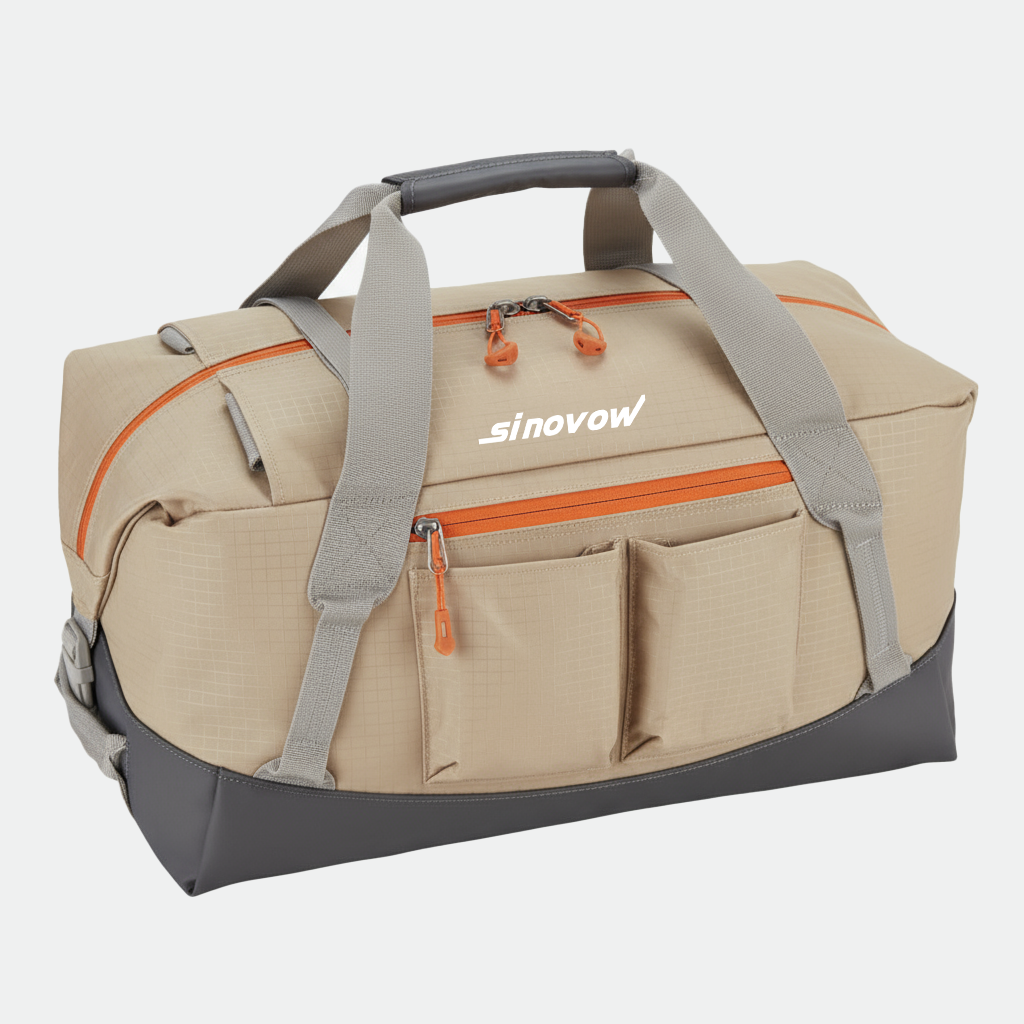
Material optimization is not a single decision made at the design table. It is an ongoing process that spans fabric sourcing, structural engineering, hardware selection, and quality validation. A travel bag factory that masters this process can produce a travel bag that meets demanding weight targets without sacrificing load-bearing strength or weather resistance. This article explores the core methods factories use to achieve that balance and why these methods matter for buyers, brands, and end users alike.
Fabric Innovation at the Core of Travel Bag Production
High-Performance Fabrics Replacing Traditional Materials
Factories have progressively moved away from heavy canvas and thick polyester blends in favor of advanced technical fabrics. Ripstop nylon is one of the most widely adopted materials in travel bag manufacturing today. Its grid-reinforced weave prevents tears from spreading, allowing factories to use thinner, lighter base fabric without compromising durability. A travel bag made from ripstop nylon weighs significantly less than one made from traditional woven polyester of equivalent strength, making it an ideal choice for lightweight travel bag development.
Ultra-high-molecular-weight polyethylene fiber, often used in performance outdoor gear, has also entered the travel bag supply chain. This material offers tensile strength comparable to steel wire at a fraction of the weight. Factories incorporate it in high-stress zones such as shoulder straps, base panels, and load-bearing seams. By targeting reinforcement only where it is needed, the overall travel bag structure remains lean while retaining structural integrity across all critical points.
Coating and Lamination Technologies
Waterproofing a travel bag traditionally required heavy rubberized coatings that added considerable weight to the finished product. Modern factories apply thermoplastic polyurethane lamination directly to lightweight base fabrics, achieving superior water resistance without the weight penalty. A travel bag with TPU lamination can shed rain, resist surface moisture, and maintain breathability in a way that older coatings simply cannot match. This technology allows the travel bag to serve multiple climate conditions without requiring the user to carry a separate rain cover.
Structural Engineering and Component Reduction
Frame and Support Systems Built for Weight Efficiency
Internal framing is a critical but often overlooked contributor to travel bag weight. Traditional aluminum stays and rigid plastic back panels add structure but also mass. Leading factories now use carbon composite rods, flexible EVA foam channels, and tensioned mesh back systems that distribute load across the entire travel bag frame rather than concentrating it in dense rigid components. The result is a travel bag that maintains its shape, supports the spine comfortably, and weighs far less than a conventionally framed design.
Panel-less construction is another structural approach gaining traction in travel bag factories. Instead of flat fabric walls supported by a rigid perimeter, the travel bag uses a three-dimensional weave or molded shell that derives its stiffness from geometry rather than material mass. This approach requires advanced pattern cutting and factory tooling investment but produces a travel bag that is both lighter and more resistant to impact deformation during transit.
Hardware Selection and Fastening Optimization
Zippers, buckles, D-rings, and sliders collectively contribute a surprisingly significant portion of a travel bag's total weight. Factories sourcing lightweight hardware now evaluate components by strength-to-weight ratio rather than tensile strength alone. Polymer composite buckles replace metal equivalents in low-stress areas, while aluminum alloy hardware is reserved only for attachment points subject to regular dynamic loading. Zipper selection also matters: a travel bag using a lightweight coil zipper on interior pockets versus a heavier molded tooth zipper on the main compartment reflects a deliberate engineering trade-off that reduces overall product weight without undermining access reliability.
Process Optimization and Quality Validation in Travel Bag Factories
Lean Manufacturing Applied to Travel Bag Weight Targets
Weight optimization in a travel bag factory is not purely a design function. It is embedded in the production process itself. Factories apply lean manufacturing principles to eliminate excess seam allowance, reduce lining layers in non-structural areas, and standardize panel cuts to minimize waste fabric that adds dead weight. Each travel bag undergoes weight audits at multiple production stages, ensuring that cumulative deviations do not push the finished product above its target specification. This process discipline is what separates factories producing consistently lightweight travel bag lines from those that struggle with product-to-product variation.
Digital pattern optimization tools allow factory engineers to simulate travel bag material layouts before cutting, identifying configurations that reduce total fabric consumption per unit. When applied across a production run of thousands of travel bag units, even a small reduction in material per bag translates into measurable weight savings and cost efficiency. These tools also help ensure that lightweight construction does not inadvertently create weak zones in the travel bag structure that only become apparent under stress.
Testing Protocols That Confirm Lightweight Performance
A travel bag that is light but fails under real-world conditions is not a viable product. Responsible factories subject every lightweight travel bag design to rigorous performance testing before approving it for production. Load-bearing tests verify that shoulder straps and carry handles on the travel bag can sustain dynamic weight without delaminating or tearing at stitch lines. Abrasion resistance tests confirm that thin outer fabrics retain surface integrity after repeated contact with conveyor belts, overhead bins, and rough terrain. Water resistance tests validate that the travel bag maintains its protective function after sustained exposure to simulated rain conditions. Only a travel bag that passes all these evaluations earns approval for commercial release.
FAQ
What makes a travel bag genuinely lightweight without sacrificing durability?
A genuinely lightweight travel bag achieves its weight target through material engineering rather than by simply removing layers or components. Factories use high-tenacity technical fabrics, targeted reinforcement in stress zones, and lean structural design to ensure the travel bag remains durable even as overall weight decreases. The key is engineering precision at every stage, from fabric choice to hardware selection and seam construction.
How do factories decide which materials to use in a new travel bag design?
Material selection for a new travel bag begins with defining the weight budget and performance requirements for that specific product tier. Factories evaluate fabrics by strength-to-weight ratio, abrasion resistance, waterproofing compatibility, and cost. For a travel bag targeting outdoor or frequent-travel use, factories prioritize technical fabrics like ripstop nylon or laminated polyester that deliver maximum performance at minimum weight. Budget positioning and end-user expectations then refine the final material mix.
Why is waterproofing important in a lightweight travel bag design?
Waterproofing is essential because a travel bag is frequently exposed to unpredictable weather, airport tarmac conditions, and wet storage environments. A lightweight travel bag that lacks adequate water resistance will absorb moisture, become heavier in use, and risk damaging the contents. Modern lamination technologies allow factories to integrate waterproofing directly into the base fabric of the travel bag without adding significant weight, making it a standard expectation rather than a premium feature in well-engineered travel bag designs.