 EN

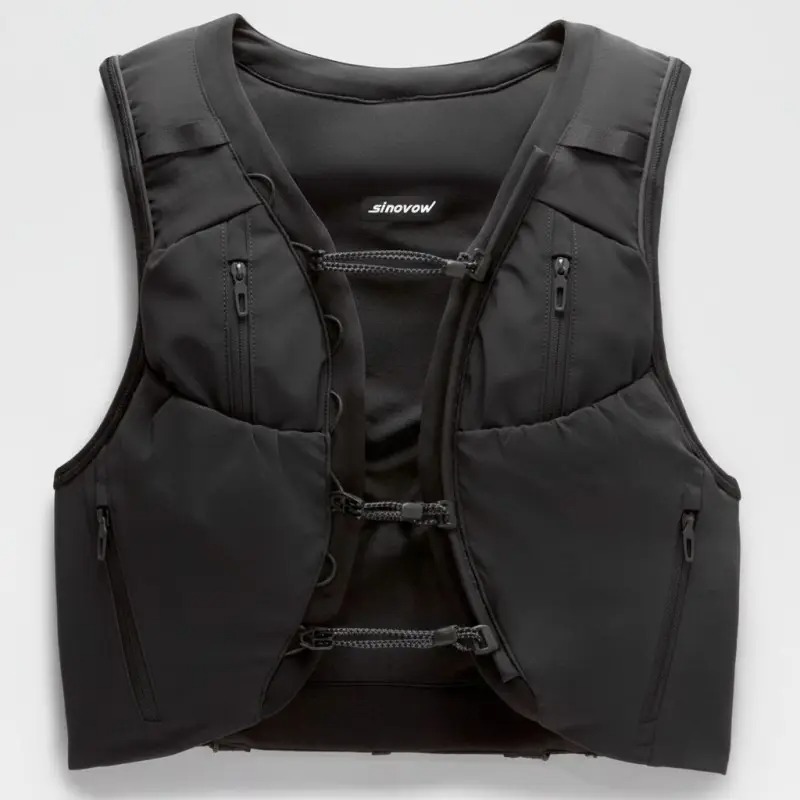
Manufacturing a reliable waterproof backpack requires meticulous attention to every component, and zippers represent one of the most vulnerable points in the entire assembly. Factories producing waterproof backpack solutions face a critical engineering challenge: traditional zippers, even high-quality metal or plastic options, allow water infiltration at their teeth and slider mechanisms unless specifically sealed and protected. This article explores the sophisticated techniques that leading waterproof backpack manufacturers employ to ensure their zippers remain completely dry, even during extended submersion or heavy rainfall.
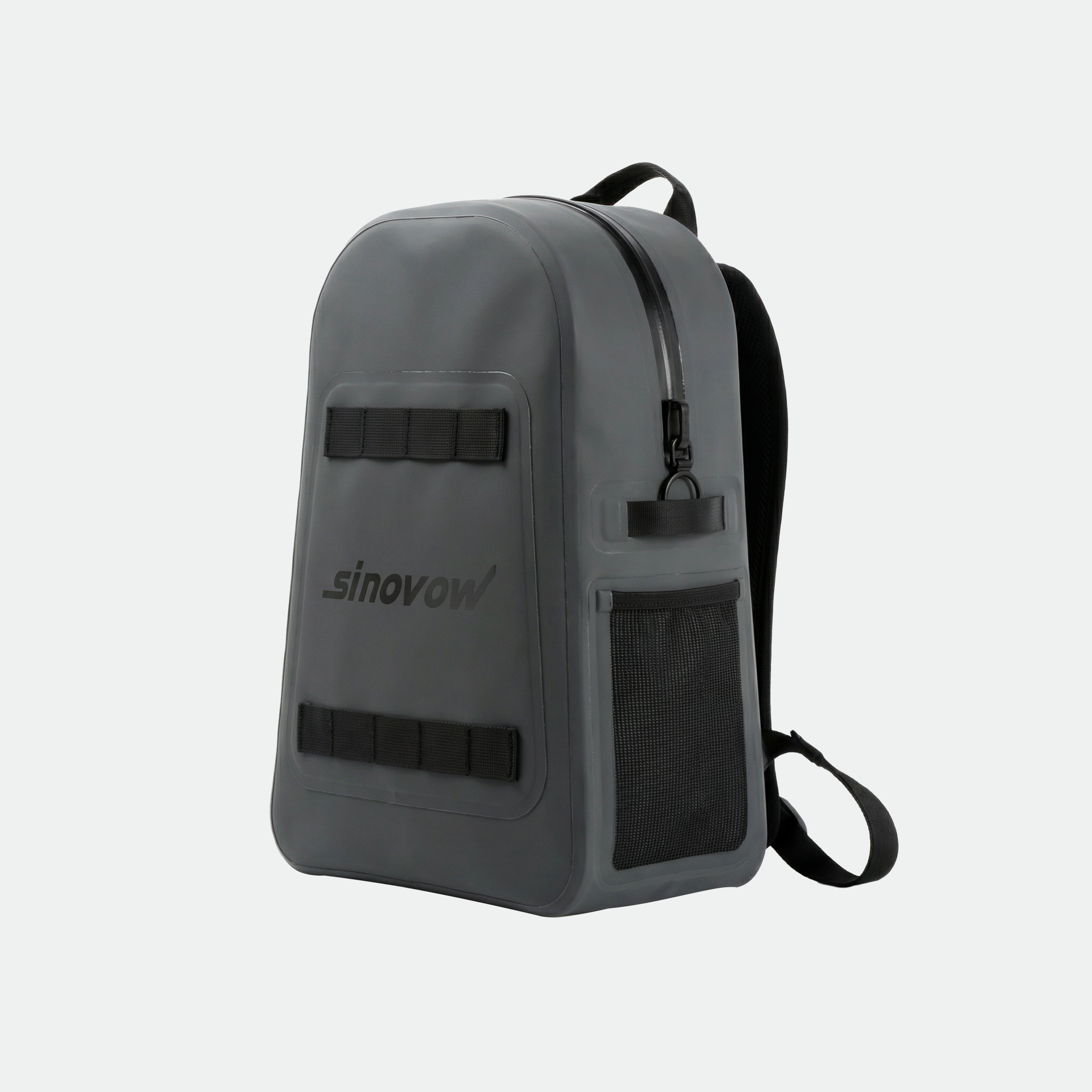
The production of durable waterproof backpack designs demands that factories integrate multiple protective layers specifically targeting zipper vulnerabilities. Modern waterproof backpack manufacturers understand that a single-layer approach fails to meet customer expectations for submersion protection or extended outdoor exposure. By combining material science, mechanical design, and rigorous testing protocols, waterproof backpack factories create reliable solutions that keep contents safe from moisture while maintaining accessibility and durability throughout the product lifecycle.
Zipper Sealing Technologies in Waterproof Backpack Manufacturing
TPU Tape Covering Systems for Waterproof Backpack Zippers
The most widely adopted approach in waterproof backpack production involves applying thermoplastic polyurethane (TPU) tape directly over exposed zipper mechanisms. This sealed waterproof backpack technique works by thermally bonding a continuous TPU layer to the zipper teeth and slider, creating a complete moisture barrier that water cannot penetrate. Factories producing waterproof backpack models apply this TPU tape during the assembly phase, ensuring precise alignment and consistent coverage across all zipper runs. The waterproof backpack TPU covering remains flexible even in cold conditions, which prevents cracking or separation that would compromise the seal.
Storm Flap Integration on Waterproof Backpack Designs
Advanced waterproof backpack manufacturers incorporate storm flaps positioned directly over main zipper runs as a redundant protective layer. These waterproof backpack storm flaps operate as secondary barriers that shed water downward and away from zipper teeth before moisture can reach the sealing components. The typical waterproof backpack factory design positions the storm flap with a magnetic or adhesive seal along its bottom edge, creating a continuous water-repellent surface. When customers open their waterproof backpack, the flap peels away easily, but during storage or transport, this waterproof backpack feature provides critical protection against rain, spray, and humid environments.
Material Selection and Quality Standards for Waterproof Backpack Zippers
Coil Zipper Specifications in Waterproof Backpack Production
Factories manufacturing waterproof backpack gear consistently choose coil zippers over traditional metal alternatives because the nylon coil material demonstrates superior water-resistance characteristics when combined with sealing treatments. A quality waterproof backpack utilizes marine-grade coil zippers that feature tightly wound nylon threads with minimal gaps between individual coils. The waterproof backpack factory applies hydrophobic coatings to these coil zippers before TPU lamination, reducing water absorption capacity at the molecular level. This dual-treatment approach ensures that even if water briefly contacts the zipper mechanism, the coil structure repels it rather than allowing capillary action to pull moisture into the slider assembly.
Corrosion-Resistant Hardware for Extended Waterproof Backpack Durability
The zipper slider and pull tab components on a premium waterproof backpack receive special surface treatments to prevent oxidation and material degradation from prolonged salt water or chemical exposure. Waterproof backpack manufacturers apply anodized aluminum or electroplated brass finishes that create protective oxide layers on metal surfaces. These waterproof backpack hardware components maintain dimensional stability and smooth operation even after hundreds of open-close cycles in moist environments. The waterproof backpack factory conducts accelerated corrosion testing, exposing zipper hardware to salt spray chambers for extended periods to verify that finish integrity remains intact throughout the expected service life.
Testing and Quality Assurance in Waterproof Backpack Manufacturing
Hydrostatic Pressure Testing for Waterproof Backpack Zipper Integrity
Leading waterproof backpack factories implement rigorous hydrostatic pressure tests that simulate extended submersion conditions far exceeding normal consumer usage. During this quality assurance process for waterproof backpack production, technicians seal test samples and apply pressurized water jets directly at all zipper seams from multiple angles. The waterproof backpack samples remain under sustained water pressure for defined durations, typically 30 minutes at depths equivalent to 1–2 meters of submersion. Any water penetration inside the waterproof backpack sample results in rejection, ensuring only batches meeting the highest moisture exclusion standards reach customers. This waterproof backpack testing methodology documents water ingress points and guides design refinements for subsequent production runs.
Thermal Cycling and Environmental Exposure Testing
Waterproof backpack manufacturers recognize that TPU seals and adhesive bonds experience stress during temperature fluctuations that occur in real-world use and shipping environments. Quality assurance protocols for waterproof backpack products include thermal cycling tests where samples transition repeatedly between extreme temperatures, from freezing conditions to heat exposure. This waterproof backpack testing identifies potential seal delamination or material brittleness that would compromise zipper protection during the product's field service life. After 50–100 thermal cycles, the waterproof backpack samples undergo the same hydrostatic pressure tests to verify that seal integrity persists. Factories producing waterproof backpack solutions document these results as proof of manufacturing excellence and environmental durability.
Salt Spray and Humidity Chamber Testing Protocols
The waterproof backpack manufacturing process includes extended exposure testing in salt spray chambers and high-humidity environments that accelerate corrosion and material degradation. Test samples of waterproof backpack gear remain suspended in salt spray conditions for 500+ hours, simulating coastal use scenarios and marine applications. This waterproof backpack accelerated testing exposes zipper hardware, TPU seals, and fabric materials to chloride compounds and oxidizing conditions that would otherwise take years to develop naturally. Factories inspect waterproof backpack samples after chamber testing for any visible corrosion, seal separation, or material discoloration. Only waterproof backpack designs passing all environmental exposure protocols advance to full production status.
FAQ
Why do factories use TPU tape specifically for waterproof backpack zipper sealing?
TPU tape bonds directly to zipper materials while remaining flexible across temperature ranges, creating a durable moisture barrier that accommodates repeated opening and closing cycles. Unlike rigid sealants, TPU maintains elasticity on a waterproof backpack, preventing crack formation that would expose internal zipper components to water infiltration. The waterproof backpack tape also maintains transparency for some designs, allowing visibility of the zipper slider position while preserving complete water protection.
How long does the waterproof backpack zipper protection typically last with regular use?
A properly manufactured waterproof backpack with professional TPU sealing and storm flap protection typically maintains water exclusion performance for 3–5 years of regular outdoor use, depending on storage conditions and exposure intensity. The waterproof backpack durability decreases gradually as UV radiation and mechanical wear affect seal materials. Customers should inspect their waterproof backpack regularly for visible seal separation or TPU tape peeling, which indicates need for resealing maintenance.
Can consumers reseal or repair a waterproof backpack zipper if it fails?
Yes, a waterproof backpack zipper can be repaired using commercial TPU sealing kits designed for consumer application, though factory-grade sealing typically achieves superior durability and consistency than field repairs. Most waterproof backpack manufacturers offer zipper resealing services for warranty claims or provide replacement zipper assemblies with pre-applied TPU tape. Professional resealing of a waterproof backpack at dedicated repair facilities ensures proper thermal bonding and even coverage that matches original manufacturing standards.