 EN
EN

The global travel accessories market has seen sustained growth in demand for smart packing solutions, and compression packing cubes have emerged as one of the most commercially viable product categories for wholesale buyers. From retail chains to outdoor equipment distributors, businesses across multiple verticals are actively sourcing compression packing cubes in bulk to meet rising consumer expectations for organized, space-efficient travel. Understanding what drives this demand and how to supply it strategically is essential for any importer, distributor, or private label brand targeting global markets.
Wholesale supply of compression packing cubes requires more than just placing a bulk order. It demands a clear understanding of product specifications, target market preferences, packaging requirements, and logistics considerations. Whether you are supplying compression packing cubes to European e-commerce platforms, North American retail networks, or emerging markets in Southeast Asia, the fundamentals of a strong wholesale strategy remain consistent. This article breaks down the key supply dimensions that B2B buyers and distributors must evaluate before committing to large-volume orders of compression packing cubes.
Market Demand for Compression Packing Cubes Worldwide
Why Global Buyers Are Sourcing Compression Packing Cubes in Volume
Consumer interest in compression packing cubes has grown steadily across multiple international markets. Travelers increasingly prioritize luggage space efficiency, and compression packing cubes directly address that need by reducing the volume of clothing and soft goods by up to half. This functional advantage makes compression packing cubes a high-repeat purchase item, which is particularly attractive for wholesale buyers building recurring inventory cycles. Retailers in markets such as the United Kingdom, Germany, Australia, and Japan have reported strong sell-through rates for compression packing cubes across both premium and mid-range price tiers.
Beyond leisure travel, compression packing cubes have gained traction in the outdoor, camping, and adventure sports segments. Consumers in these categories demand durable, lightweight, and airtight compression packing cubes that perform in demanding conditions. This broadens the addressable wholesale market considerably, allowing distributors to supply compression packing cubes across travel retail, sporting goods, and even corporate gifting channels. Wholesale buyers who recognize this cross-category appeal are better positioned to negotiate volume pricing and achieve higher turnover on compression packing cubes inventory.
Key Regions Driving Wholesale Orders
North America and Western Europe remain the dominant import regions for compression packing cubes, driven by high travel frequency and strong consumer spending on travel accessories. However, markets in the Middle East and Southeast Asia are showing accelerating growth, particularly as regional air travel expands and urban consumers adopt organized packing habits. Wholesale suppliers of compression packing cubes targeting these growth regions should be prepared to adapt labeling, packaging language, and size assortments to fit local market preferences. A flexible supply strategy for compression packing cubes gives distributors a competitive advantage when entering newer markets.
Product Specifications That Matter for Wholesale Compression Packing Cubes
Material, Construction, and Compression Mechanism
Not all compression packing cubes are manufactured to the same standard, and wholesale buyers must evaluate material quality carefully before selecting a supplier. High-quality compression packing cubes typically use ripstop nylon or reinforced polyester with double-stitched seams to withstand repeated use and the stress of compression. The compression mechanism itself, whether a zipper-based double-layer system or a one-way valve design, determines how effectively compression packing cubes reduce garment volume. Wholesale buyers should request sample sets of compression packing cubes and test compression performance before placing full production orders.
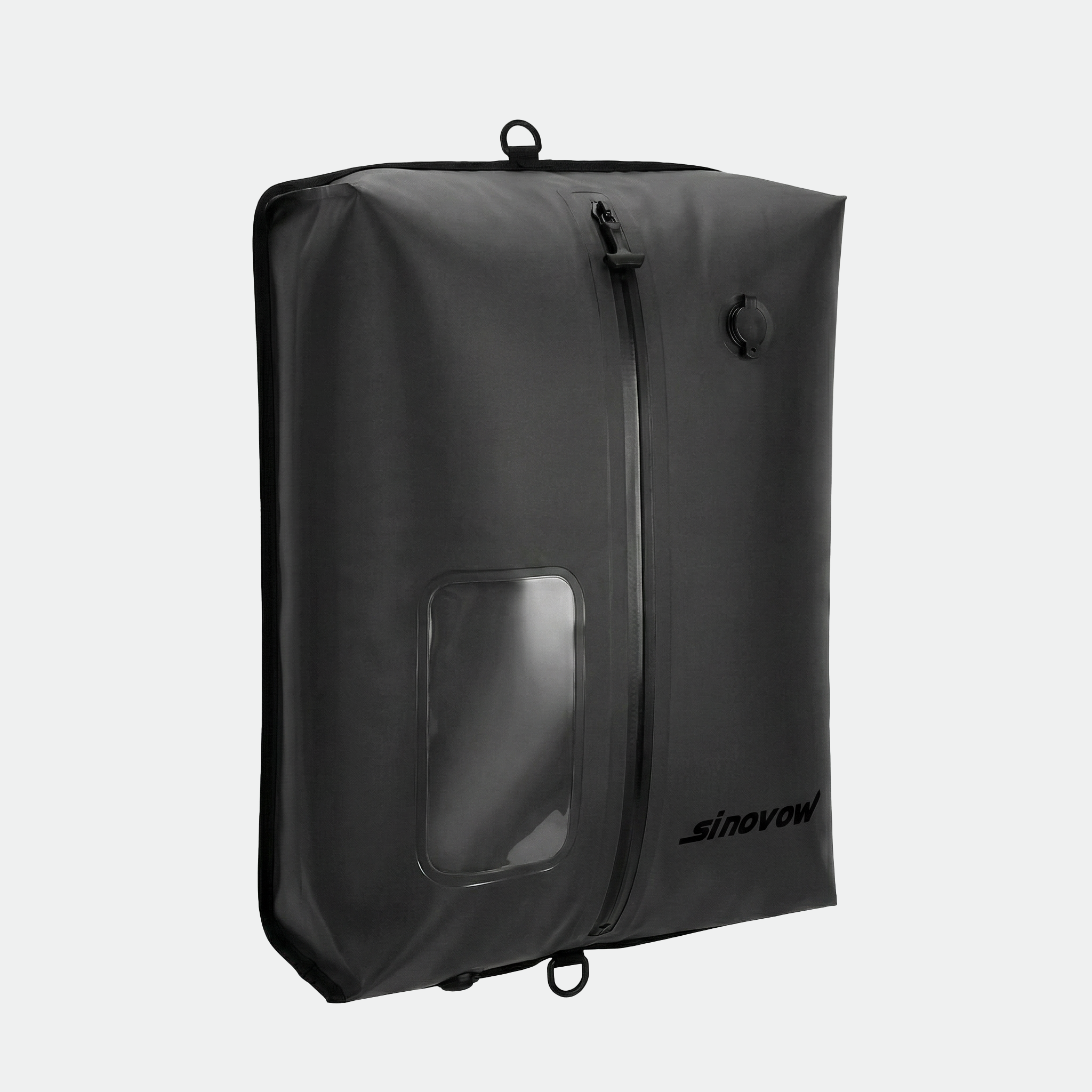
Airtight compression packing cubes with valve-based systems offer superior volume reduction and are particularly appealing for travel, camping, and home storage use cases. These compression packing cubes allow users to manually press out air or use a vacuum pump, making them versatile for multiple consumer segments. When sourcing compression packing cubes at wholesale scale, specifying the compression type clearly in your purchase order prevents specification mismatches and returns. Consistent product quality across batches of compression packing cubes is a non-negotiable requirement for maintaining retailer relationships in global markets.
Size Assortments and Set Configurations
Wholesale orders of compression packing cubes are most commercially effective when they include a range of sizes. Standard configurations include small, medium, and large compression packing cubes, often sold as a bundled set to increase average order value at retail. Some markets prefer three-piece sets of compression packing cubes while others favor five-piece configurations that cover full wardrobe packing for extended trips. Understanding the preferred set composition in your target market allows you to order compression packing cubes in the most sales-ready format, reducing the need for repackaging before distribution.
Building a Reliable Supply Chain for Compression Packing Cubes
Supplier Evaluation and Minimum Order Quantities
Establishing a dependable supply chain for compression packing cubes at wholesale scale begins with rigorous supplier evaluation. Buyers should assess manufacturers on their production capacity for compression packing cubes, quality control processes, lead times, and their ability to support private label customization. Minimum order quantities for compression packing cubes vary significantly between factories, and it is important to align MOQ requirements with your projected inventory cycle to avoid capital being tied up in excess stock. Requesting factory audit reports and third-party inspection services before confirming wholesale compression packing cubes orders significantly reduces supply risk.
Private label capability is a major value-add when sourcing compression packing cubes for branded wholesale programs. Many B2B buyers in the travel accessories space build proprietary brands around compression packing cubes to differentiate from commodity offerings and command higher retail margins. Suppliers who can provide custom branding, color matching, and retail-ready packaging for compression packing cubes streamline the path from factory to shelf and reduce the number of intermediaries in the supply chain. Evaluating these capabilities upfront saves considerable time when scaling wholesale compression packing cubes programs.
Logistics, Compliance, and Lead Time Management
Shipping compression packing cubes in bulk requires attention to carton dimensions, weight per unit, and harmonized tariff classification for each destination market. Most compression packing cubes ship efficiently in standard ocean freight containers due to their compressible nature, but air freight may be required for urgent restocking or seasonal launches. Compliance considerations for compression packing cubes include material safety certifications relevant to target markets, such as REACH in Europe or CPSC guidelines in North America. Wholesale buyers should confirm that their compression packing cubes supplier can provide the necessary documentation to facilitate smooth customs clearance across multiple regions.
FAQ
What is the typical minimum order quantity for wholesale compression packing cubes?
Minimum order quantities for compression packing cubes vary by manufacturer, but most wholesale suppliers require orders of 500 to 2,000 units per SKU. Some factories offer lower MOQs for compression packing cubes if buyers choose from existing stock designs without customization. Private label or custom-color compression packing cubes typically carry higher MOQ thresholds due to production setup costs.
Can compression packing cubes be sourced with private label branding for wholesale programs?
Yes, most manufacturers of compression packing cubes offer private label services that include custom logo printing, branded zipper pulls, and retail-ready packaging. This makes compression packing cubes an excellent product category for B2B buyers who want to build a branded travel accessories line. Confirming private label capability and minimum branding order quantities with your compression packing cubes supplier early in the sourcing process is strongly recommended.
What certifications should wholesale compression packing cubes meet for global markets?
Wholesale compression packing cubes sold in major markets should comply with relevant material safety and consumer product standards. For European distribution, compression packing cubes must meet REACH chemical compliance requirements. For North American markets, compression packing cubes should align with applicable CPSC safety guidelines. Buyers should always request test reports and compliance documentation from compression packing cubes manufacturers before committing to large wholesale orders.