Small Climbing Backpack - Lightweight Technical Packs for Alpine and Rock Climbing Adventures

Contact me immediately if you encounter problems!

All Categories

Get a Free Quote

Our representative will contact you soon.
Email
Name
Company Name
Message
0/1000

small climbing backpack

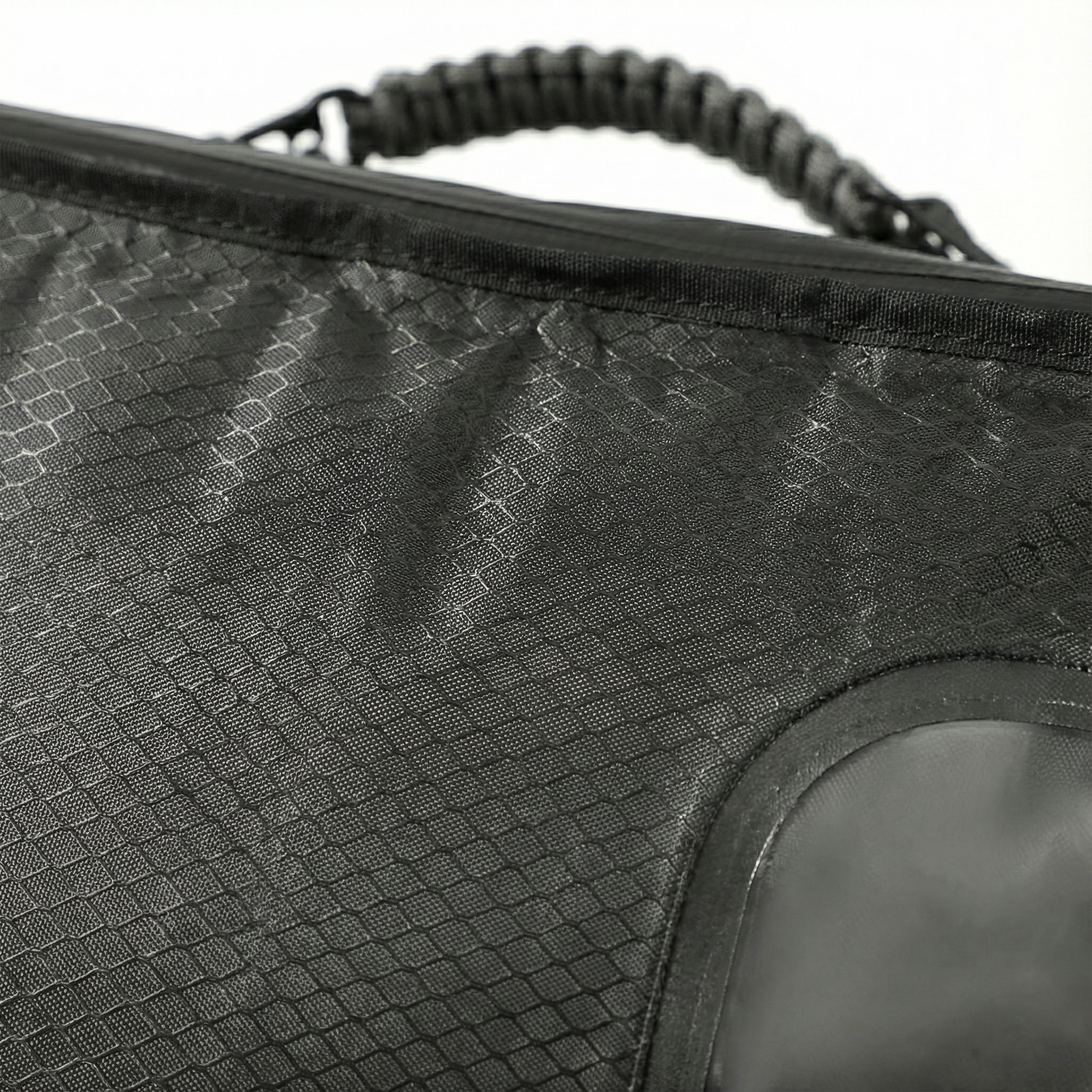
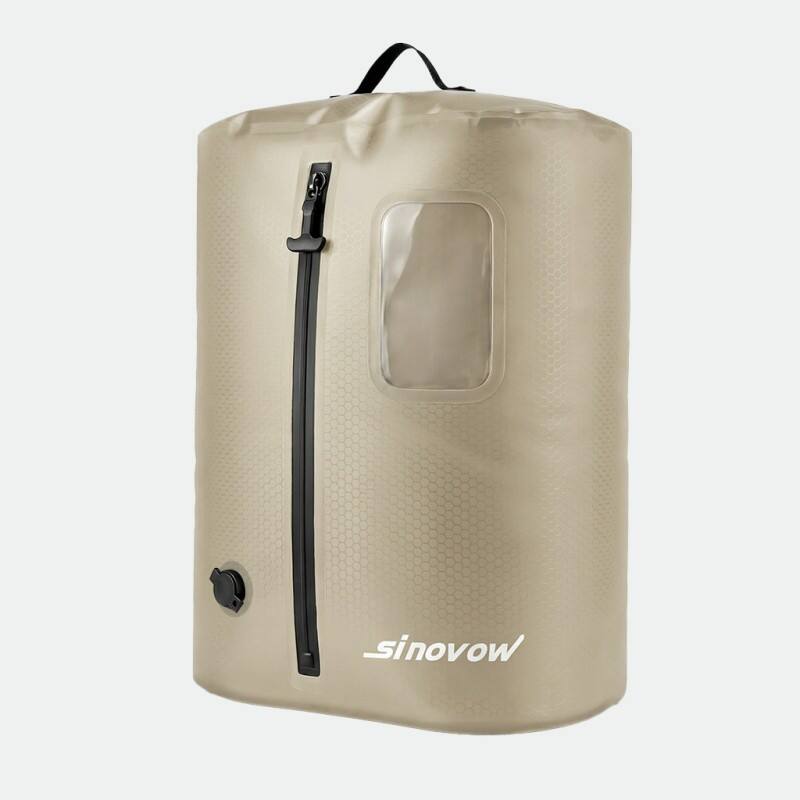
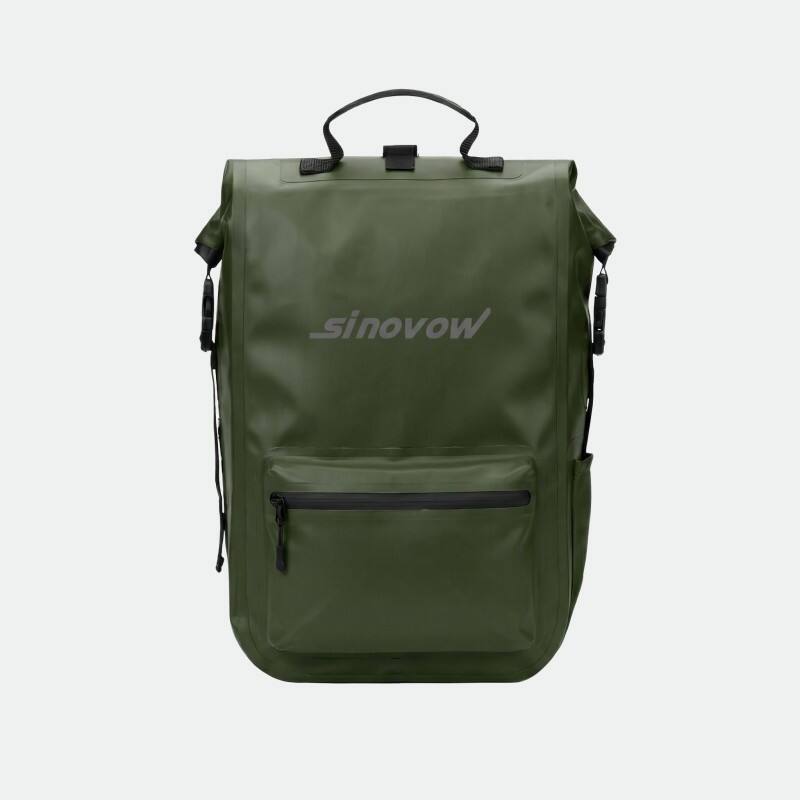
A small climbing backpack represents an essential piece of equipment designed specifically for mountaineers, rock climbers, and outdoor enthusiasts who demand functionality without unnecessary bulk. This specialized pack typically ranges from 18 to 30 liters in capacity, offering the perfect balance between carrying essentials and maintaining mobility during technical ascents. The small climbing backpack incorporates advanced materials such as ripstop nylon, reinforced with Cordura fabric at high-stress points to withstand abrasion against rock surfaces and harsh weather conditions. These packs feature streamlined profiles that prevent interference during challenging climbing movements, allowing users to navigate narrow chimneys, overhangs, and technical routes with minimal hindrance. The main functions include secure gear organization through multiple compartments, hydration system compatibility with dedicated sleeves and ports, and quick-access pockets for items like energy bars, maps, or GPS devices. Technological features often encompass breathable back panels with ventilation channels that promote air circulation, reducing moisture buildup during strenuous activity. Adjustable torso lengths accommodate various body types, while load-lifter straps and sternum straps distribute weight efficiently across the shoulders and chest. Many models integrate gear loops and ice axe attachments, providing versatile carrying options for technical equipment. The small climbing backpack finds applications across multiple scenarios including alpine climbing expeditions, day-long rock climbing sessions, ski mountaineering adventures, and fast-packing trips where speed and agility remain paramount. Weather-resistant coatings protect contents from rain and snow, while reflective elements enhance visibility in low-light conditions. Compression straps stabilize loads and reduce pack volume when partially filled, maintaining close-to-body positioning that proves crucial during dynamic movements. This specialized equipment serves climbers who prioritize weight savings, technical performance, and reliable durability throughout demanding vertical adventures in mountain environments worldwide.

New Product Releases

The small climbing backpack delivers immediate benefits that directly enhance your outdoor experiences through thoughtful design and practical features. First, you gain exceptional mobility that makes every climbing movement easier and safer. The compact size means you can twist, reach, and maneuver through tight spaces without your pack catching on rocks or tree branches. This freedom of movement translates to faster climbing times and reduced fatigue since you expend less energy compensating for a bulky load. Your shoulders and back experience less strain because the lightweight construction typically keeps total weight under two pounds when empty, and the ergonomic design distributes whatever load you carry evenly across your frame. You stay comfortable during long approaches and extended climbing sessions thanks to padded shoulder straps that cushion pressure points and moisture-wicking materials that prevent chafing and irritation. The small climbing backpack keeps your gear organized exactly where you need it, with dedicated compartments that let you grab items quickly without unpacking everything. You save valuable time on the wall when you can reach your chalk bag, snacks, or first aid kit within seconds. Weather protection ensures your spare layers, electronics, and emergency supplies stay dry even when conditions deteriorate unexpectedly. Durable construction means you invest once and use your pack for years across countless adventures, avoiding the frustration and expense of replacing inferior gear. You maintain better balance during technical sections because the streamlined profile sits close to your body, keeping your center of gravity stable on exposed ridges or difficult pitches. The small climbing backpack adapts to various activities beyond climbing, serving equally well for trail running, mountain biking, or ski touring, which maximizes your investment value. You gain peace of mind knowing that attachment points securely hold ice axes, trekking poles, or helmets, preventing dangerous equipment loss during critical moments. Hydration access keeps you properly fueled without stopping to remove your pack, maintaining your momentum and energy levels throughout the day. Ventilation systems prevent the uncomfortable sweat buildup that plagues traditional packs, keeping you cooler and more focused on your objectives. You project a prepared, professional image that reflects your commitment to quality equipment and serious outdoor pursuits, while actually enjoying tangible performance improvements that make every climb more enjoyable and successful.

Tips And Tricks

Cordura Fabric

23

Dec

Cordura Fabric

View More
Different Types of Zippers

23

Dec

Different Types of Zippers

View More
Why Dyneema® (UHMWPE) is a Game-Changer for Bags

23

Dec

Why Dyneema® (UHMWPE) is a Game-Changer for Bags

View More
What Are the Key Material Properties of Polyester vs Nylon

23

Dec

What Are the Key Material Properties of Polyester vs Nylon

View More

Get a Free Quote

Our representative will contact you soon.
Email
Name
Company Name
Message
0/1000

small climbing backpack

Advanced Load Distribution System for Superior Comfort

Advanced Load Distribution System for Superior Comfort

The small climbing backpack incorporates an intelligently engineered load distribution system that fundamentally transforms how weight feels on your body during extended climbing sessions and alpine approaches. This sophisticated system begins with an adjustable torso length mechanism that allows you to customize the fit precisely to your unique body dimensions, ensuring the hip belt sits correctly on your iliac crest where weight transfer occurs most efficiently. The padded hip belt itself features anatomically shaped wings that wrap around your hips without restricting leg movement, channeling up to sixty percent of the pack weight away from your shoulders and onto your stronger lower body and core muscles. Dual-density foam construction in the shoulder straps provides firm support where structure matters while incorporating softer zones at pressure points to prevent the painful hot spots that develop during long carries. The small climbing backpack utilizes load-lifter straps that angle forward from the top of the shoulder straps to upper attachment points on the pack body, creating mechanical advantage that pulls the load closer to your spine and prevents the backward-pulling sensation that causes fatigue and poor posture. A sternum strap with elastic sections accommodates breathing and movement while keeping shoulder straps properly positioned and preventing them from sliding outward during dynamic climbing motions. The back panel architecture deserves special attention, featuring either tensioned mesh that suspends the pack slightly away from your back for maximum airflow, or contoured foam channels that create ventilation pathways while maintaining stable load transfer. This ventilation proves crucial during high-output activities when core temperature rises and moisture management becomes essential for comfort and performance. The framesheet, typically constructed from lightweight aluminum stays or high-density foam, provides structure that prevents contents from poking into your back while maintaining the pack shape under varying loads. This structural support works synergistically with compression straps that stabilize the load and prevent shifting that disrupts your balance on technical terrain. The small climbing backpack achieves remarkable stability through this integrated approach, meaning the pack moves with your body rather than against it, reducing energy expenditure and allowing you to maintain focus on route-finding and technique rather than equipment discomfort.
Streamlined Design Optimized for Technical Movement

Streamlined Design Optimized for Technical Movement

The small climbing backpack distinguishes itself through a meticulously streamlined design philosophy that prioritizes unobstructed movement during technical climbing sequences where every inch of clearance matters. Traditional backpacks often feature protruding pockets, dangling straps, and wide profiles that snag on rock features, but this specialized pack eliminates these obstacles through careful engineering. The main body tapers toward the bottom, creating a profile that narrows at your waist and hips where clearance becomes critical when squeezing through chimneys or stemming between walls. This taper also raises the pack center of gravity, bringing weight closer to your shoulders where it influences your balance less dramatically during high steps and reaches. The small climbing backpack typically measures between seven and nine inches in depth when properly packed, allowing you to lie flat against rock faces during slab climbing or fit through narrow passages that wider packs cannot accommodate. Side compression straps cinch the load tight to your body, preventing the pack from swaying or bouncing during dynamic movements like dynos or long reaches. Gear loops positioned strategically on the exterior provide attachment points for equipment without creating snag hazards, using low-profile designs and secure tucking systems that keep excess webbing contained. The pack top often features a simple roll-top closure or streamlined lid that adds minimal height, maintaining a low overall profile that does not interfere with your helmet or obstruct your upward vision when planning sequences. Internal organization replaces external pockets wherever possible, keeping the outer surface smooth and snag-free while still providing access to essentials through strategically placed zippers. The small climbing backpack incorporates ruggedized fabric on the bottom and back panel where contact with rock occurs most frequently, using materials like ballistic nylon that resist abrasion without adding excessive weight. Ice axe and trekking pole attachments employ elasticated loops and reinforced patches that secure equipment firmly against the pack body rather than allowing it to project outward where it might catch or swing. This attention to profile management extends to zipper placement, with pulls that tuck away and track designs that sit flush with the fabric surface. The result is a pack that disappears from your awareness during climbs, neither restricting your movement nor requiring constant adjustment, allowing complete concentration on the technical challenges ahead while maintaining full functionality for carrying necessary equipment and supplies throughout your adventure.
Versatile Storage Solutions with Rapid Access Features

Versatile Storage Solutions with Rapid Access Features

The small climbing backpack revolutionizes gear organization through versatile storage solutions that balance security with rapid access, recognizing that climbers need both protection for essential items and quick retrieval during time-sensitive situations. The main compartment typically opens via a wide-mouth design that allows you to see and reach everything inside without unpacking, using either a drawstring closure with an over-lid, a panel-loading zipper that opens like a suitcase, or a roll-top system that provides expandable capacity. This primary storage space accommodates layers, emergency supplies, food, and larger items while maintaining a simple, open interior that prevents small items from disappearing into multiple sub-compartments. A dedicated hydration sleeve with routing clips and exit ports enables hands-free drinking through a tube that threads through a shoulder strap, keeping you hydrated without removing the pack or fumbling with bottles. The small climbing backpack incorporates strategically positioned stretch mesh pockets on the shoulder straps that hold energy gels, lip balm, or small electronics within easy reach even while climbing, eliminating the need to stop and dig through the main compartment for frequently accessed items. A hipbelt pocket, either integrated or zip-on, provides secure storage for a phone, GPS device, or snacks at your fingertips, though positioned not to interfere with harness gear loops. Many models include a zippered pocket in the top lid or front panel for organizing small essentials like keys, wallet, first aid supplies, or repair kits, using internal organization panels or mesh dividers that prevent items from jumbling together. The small climbing backpack often features an external stuff pocket created by an elasticated front panel that accepts wet layers, rope, or a helmet without requiring you to open the main compartment, providing instant access while keeping potentially dirty or damp items separated from clean contents. Internal compression straps or a floating divider can separate clean and used clothing or create distinct zones for different types of gear, bringing order to what might otherwise become a chaotic jumble. Security measures include lockable zipper pulls on valuable-holding compartments and discrete pockets that conceal contents from casual observation at trailheads or huts. The pack bottom may incorporate a separate compartment accessed through an external zipper, creating an isolated space for dirty shoes, wet gear, or items you want to keep segregated. Trekking pole and ice axe carry systems employ thoughtful combinations of loops, bungees, and reinforced patches that secure equipment both for approach hiking and technical climbing, with designs that allow single-handed attachment and removal. The small climbing backpack demonstrates that compact size need not compromise organization, instead requiring more intelligent design that places every feature exactly where function demands while eliminating redundancy and wasted space that adds weight without corresponding benefit to the user experience.

Get a Free Quote

Our representative will contact you soon.
Email
Name
Company Name
Message
0/1000