Pokročilý systém rozdeľovania zaťaženia pre vynikajúci komfort
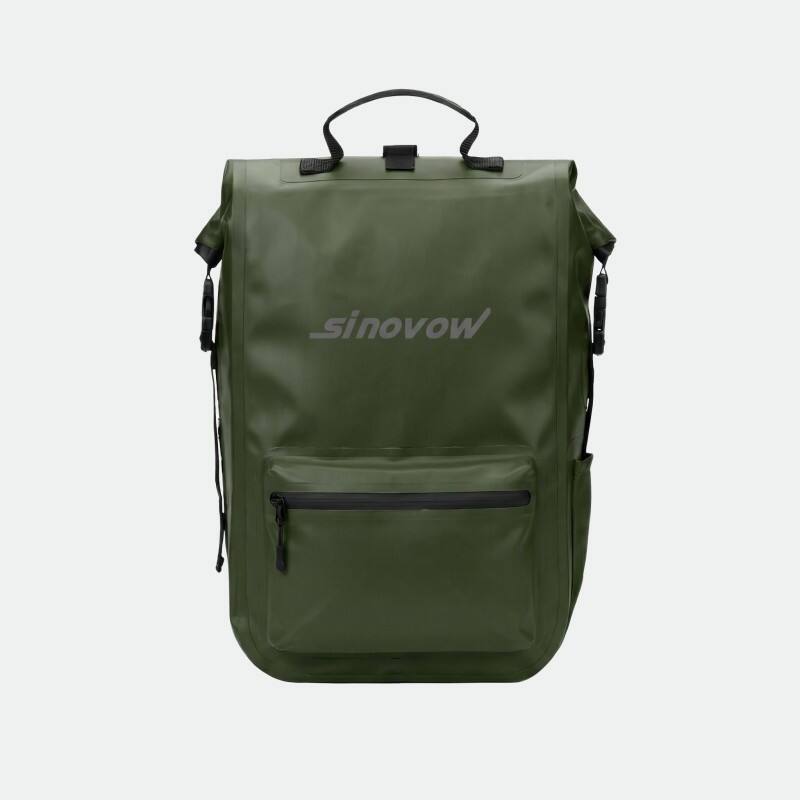
Malý športový batoh na lezenie obsahuje inteligentne navrhnutý systém rozdeľovania zaťaženia, ktorý zásadne mení pocit hmotnosti na vašom tele počas dlhodobého lezenia a alpských prístupov. Tento pokročilý systém začína mechanizmom nastaviteľnej dĺžky trupu, ktorý vám umožňuje presne prispôsobiť sedenie batohu vašim individuálnym rozmierom tela a zabezpečiť tak správne umiestnenie bedrového pása na krížovej kosti (iliacnej hrane), kde sa hmotnosť prenáša najefektívnejšie. Samotný vyplnený bedrový pás má anatómicky tvarované krištáliky, ktoré sa obopínajú okolo bedier bez obmedzovania pohybu nôh, a smerujú až šesťdesiat percent hmotnosti batohu od ramien na silnejšie svaly dolnej časti tela a brušného kĺbového úseku. Dvojvrstvná penuška v ramenných popruhoch poskytuje pevnú podporu tam, kde je potrebná štruktúra, zároveň však obsahuje mäkšie zóny v miestach tlaku, aby sa zabránilo bolestivým horúcim bodom, ktoré sa vytvárajú pri dlhodobom nosení. Malý športový batoh na lezenie využíva popruhy na zdvihanie zaťaženia, ktoré smerujú dopredu z vrchu ramenných popruhov ku horným upevňovacím bodom na tele batohu, čím vytvárajú mechanickú výhodu, ktorá privádza zaťaženie bližšie k chrbtici a zabraňuje nepriaznivému pocitu ťahania dozadu, spôsobujúcemu únavu a zlú držanú postavy. Prsný popruh s elastickými úsekmi umožňuje voľné dýchanie a pohyb, zároveň však udržiava ramenné popruhy v správnej polohe a bráni ich posúvaniu sa von počas dynamických lezeckých pohybov. Architektúra zadnej dosky si zaslúži osobitnú pozornosť: buď ide o napnutú sieť, ktorá jemne oddeluje batoh od chrbta a zabezpečuje maximálny prietok vzduchu, alebo o konturované penuškové kanály, ktoré vytvárajú cesty pre vetranie a zároveň zaisťujú stabilný prenos zaťaženia. Toto vetranie je kľúčové počas aktivity s vysokým výkonom, keď stúpa teplota jadier tela a riadenie vlhkosti sa stáva nevyhnutným pre pohodlie aj výkon. Vnútorná rámová doska, zvyčajne vyrobená z ľahkých hliníkových tyčí alebo hustej penušky, poskytuje štruktúru, ktorá bráni predmetom v batohu v tom, aby sa vpichli do chrbta, a zároveň udržiava tvar batohu pri rôznych zaťaženiach. Táto štrukturálna podpora úzko spolupracuje s kompresnými popruhmi, ktoré stabilizujú zaťaženie a bránia jeho posúvaniu sa, čo by mohlo narušiť vašu rovnováhu na technicky náročnom teréne. Malý športový batoh na lezenie dosahuje pozoruhodnú stabilitu práve prostredníctvom tohto integrovaného prístupu – batoh sa teda pohybuje spolu s vaším telom, nie proti nemu, čím sa zníži spotreba energie a umožní vám sústrediť sa na hľadanie trasy a techniku namiesto nepohodlia vyvolaného vybavením.

 EN
EN