Premium Climbing Gear Backpack - Durable, Organized, Comfortable Pack for Mountaineering and Rock Climbing Adventures

Contact me immediately if you encounter problems!

All Categories

Get a Free Quote

Our representative will contact you soon.
Email
Name
Company Name
Message
0/1000

climbing gear backpack

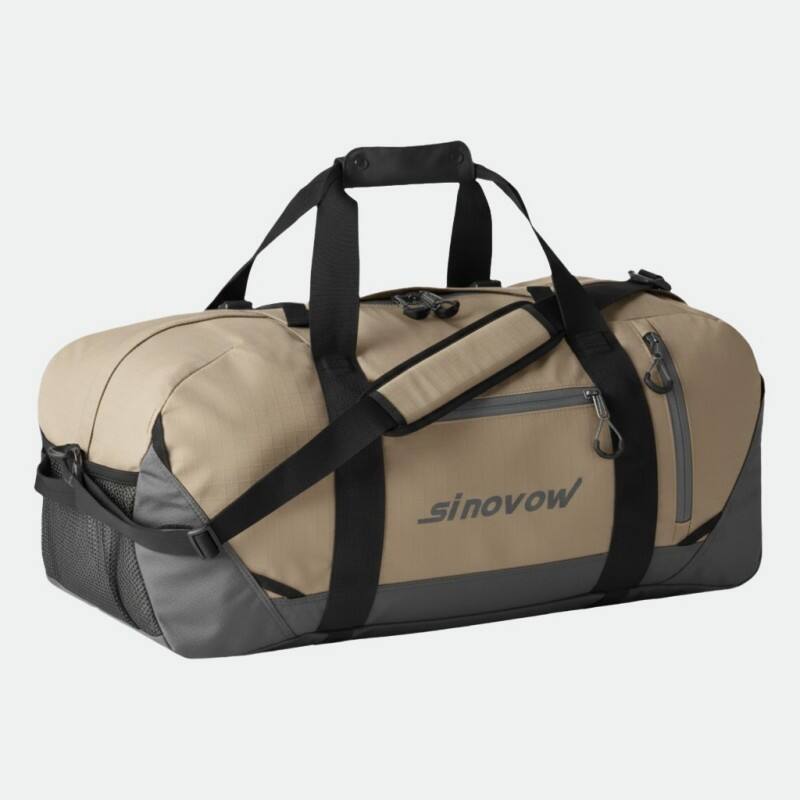
A climbing gear backpack represents an essential piece of equipment for outdoor enthusiasts who engage in mountaineering, rock climbing, alpine adventures, and technical ascents. This specialized backpack is meticulously engineered to carry climbing equipment, safety gear, personal belongings, and supplies while maintaining optimal weight distribution and accessibility during challenging terrain navigation. The climbing gear backpack distinguishes itself from standard hiking packs through its robust construction, strategic compartmentalization, and innovative attachment systems designed specifically for vertical environments. Modern iterations incorporate advanced materials such as ripstop nylon, reinforced Cordura fabrics, and weatherproof coatings that withstand abrasion against rock surfaces, extreme temperature fluctuations, and prolonged exposure to harsh environmental conditions. The main functions of a climbing gear backpack include secure storage for ropes, carabiners, harnesses, helmets, and protection devices, while also providing hydration compatibility, emergency gear accessibility, and comfortable carrying systems for extended approaches. Technological features integrated into contemporary designs include compression strapping systems that stabilize loads during dynamic movement, removable framesheet options for customizable rigidity, ventilated back panels with moisture-wicking properties, and modular attachment points compatible with ice axes, trekking poles, and specialized climbing tools. The applications of a climbing gear backpack extend beyond traditional rock climbing to encompass ice climbing expeditions, mixed alpine routes, multi-pitch sport climbing objectives, and wilderness mountaineering adventures. These versatile packs accommodate varying load requirements from lightweight single-day cragging sessions to multi-day expedition approaches requiring camping equipment and sustained provisions. The ergonomic design philosophy prioritizes freedom of movement essential for scrambling, chimney climbing, and technical maneuvers where bulky equipment could compromise safety or performance. Enhanced visibility features, reflective elements, and bright color options improve safety during low-light conditions or emergency situations requiring rescue coordination.
New Product Recommendations

The primary advantages of a climbing gear backpack center on its ability to transform how climbers transport essential equipment while maximizing comfort, safety, and efficiency throughout their adventures. Unlike conventional backpacks, these specialized carriers distribute weight intelligently across the hips and shoulders, reducing fatigue during lengthy approaches that often involve steep inclines, boulder fields, and uneven terrain before reaching actual climbing objectives. The streamlined profile of a quality climbing gear backpack prevents snagging on rock features, vegetation, or narrow passages, allowing climbers to navigate chimneys, squeeze through tight sections, and maneuver confidently without equipment interference. Dedicated gear loops, ice axe attachments, and rope carrying solutions keep essential tools immediately accessible, eliminating frustrating searches through main compartments during time-sensitive situations or when wearing gloves in cold conditions. The durability advantage cannot be overstated, as reinforced bottom panels, bar-tacked stress points, and abrasion-resistant materials ensure these backpacks withstand repeated contact with sharp rocks, rough granite surfaces, and demanding usage patterns that would quickly destroy ordinary bags. Weather resistance provides crucial protection for sensitive items like smartphones, first aid supplies, extra clothing layers, and emergency equipment, with many models featuring roll-top closures, waterproof zippers, or integrated rain covers that activate quickly when storms approach unexpectedly. Comfort technology built into climbing gear backpacks includes padded shoulder straps with load-lifter adjustments, breathable mesh back panels that promote airflow and reduce sweat accumulation, and adjustable torso lengths accommodating different body types for personalized fitting. The organizational advantages manifest through intelligently designed pocket systems, including quick-access compartments for snacks and navigation tools, separate hydration sleeves with tube routing, and internal zippered pockets securing valuables away from moisture and damage. Versatility stands as another significant benefit, with compression straps allowing pack volume adjustment based on load size, removable components enabling weight reduction for minimalist approaches, and compatibility with various climbing disciplines from bouldering to big wall expeditions. Safety enhancements integrated into modern climbing gear backpacks include emergency whistle buckles, reflective logo placement for visibility, helmet carrying systems that free hands during approaches, and reinforced haul loops enabling pack transportation during rappels or hauling scenarios. The investment value of a properly designed climbing gear backpack becomes apparent through years of reliable service, reduced equipment replacement costs, and the confidence that comes from trusting your gear during remote adventures where equipment failure could have serious consequences.

Practical Tips

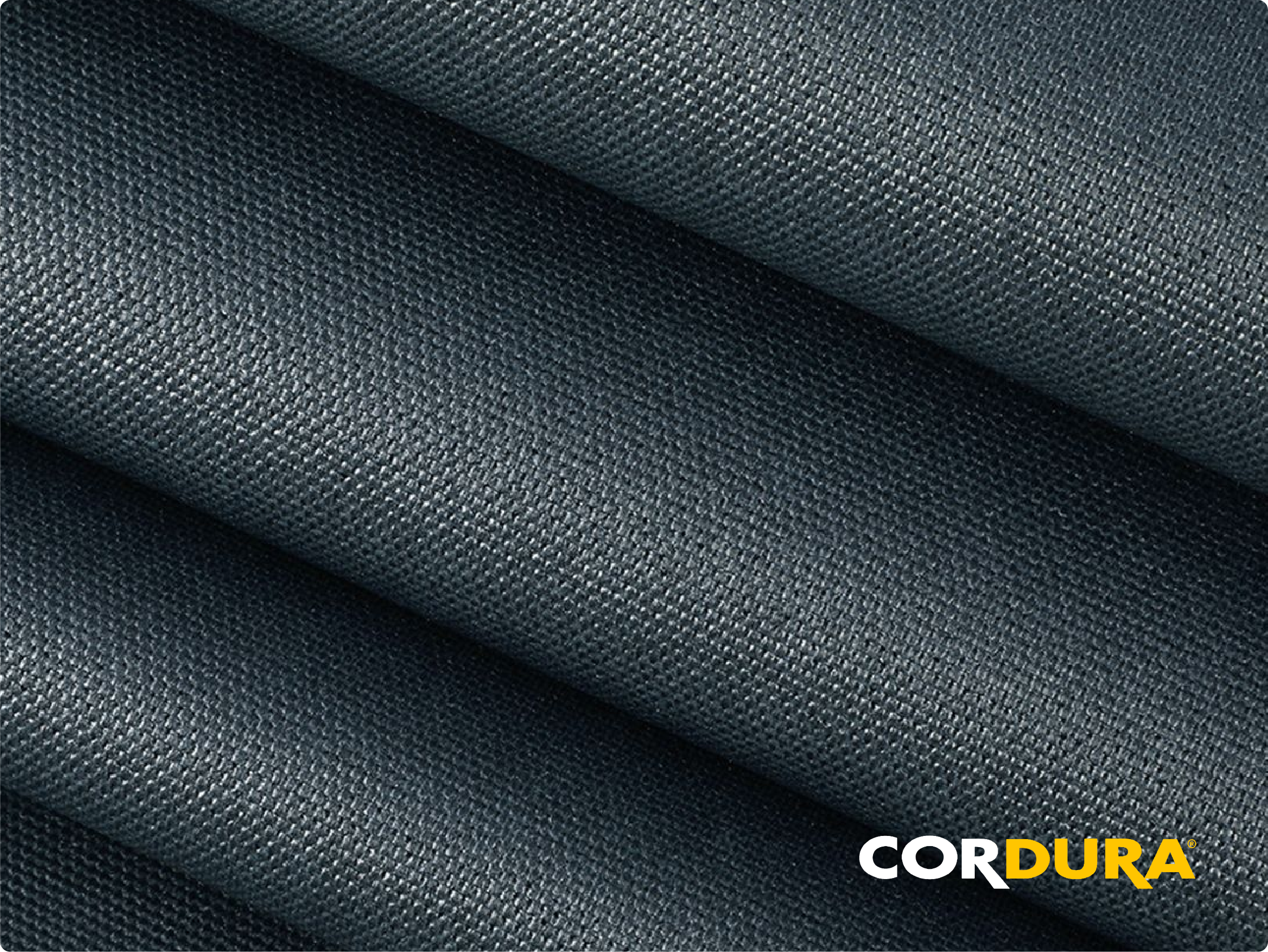
Cordura Fabric

23

Dec

Cordura Fabric

View More
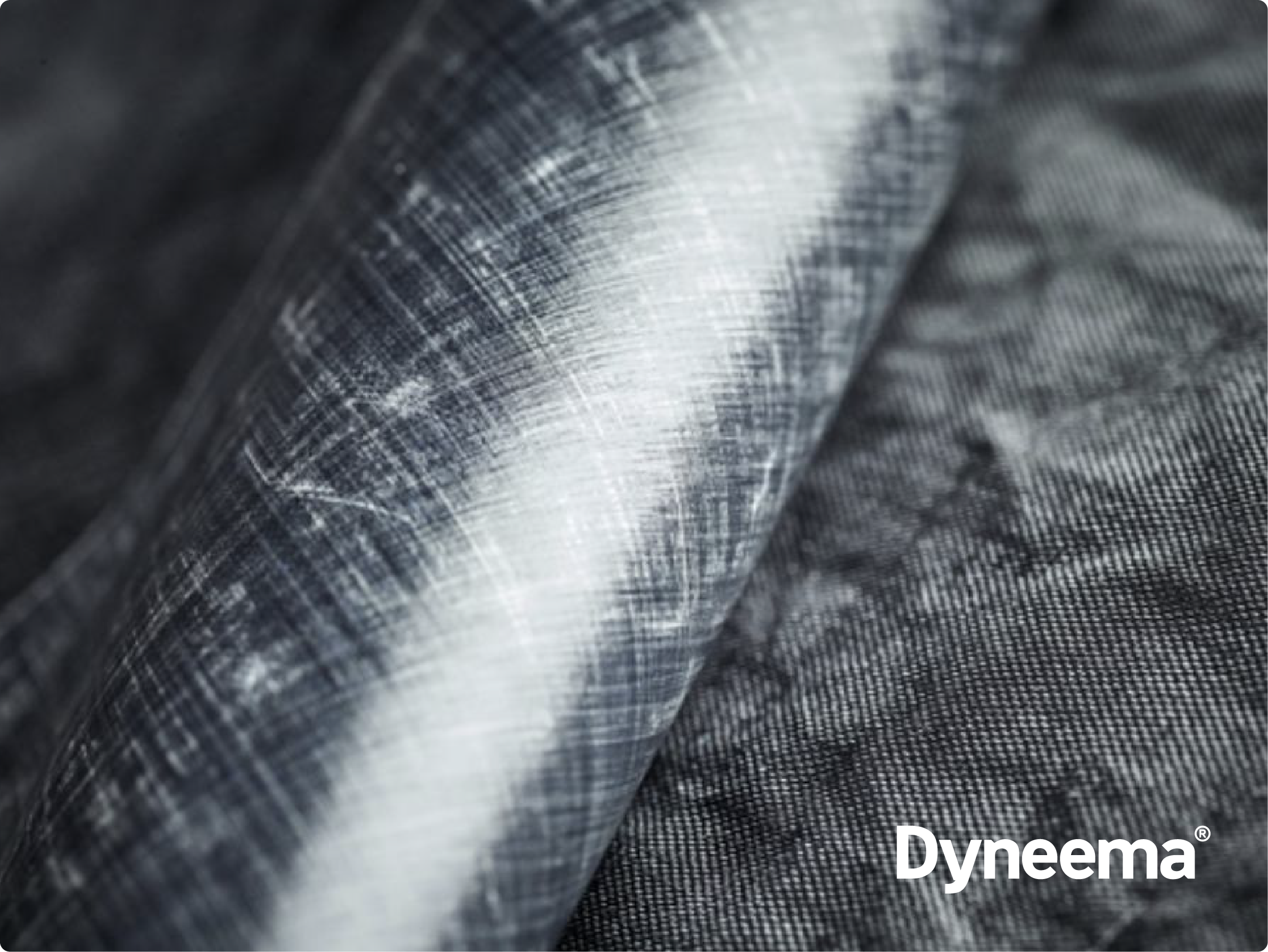
Why Dyneema® (UHMWPE) is a Game-Changer for Bags

23

Dec

Why Dyneema® (UHMWPE) is a Game-Changer for Bags

View More
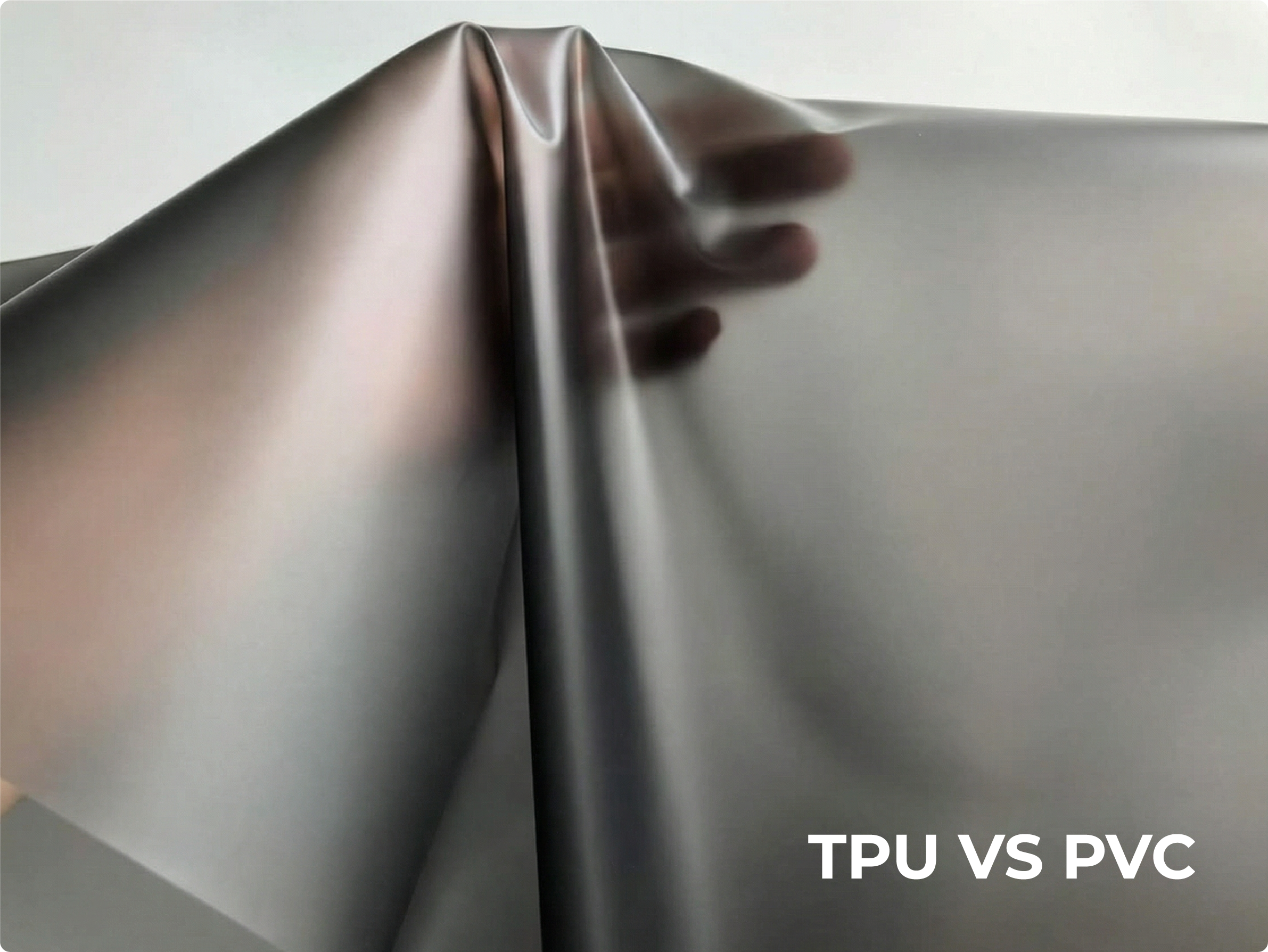
TPU vs PVC: Choosing the Right Material for Waterproof Bags

23

Dec

TPU vs PVC: Choosing the Right Material for Waterproof Bags

View More
How to Clean Your Backpack

23

Dec

How to Clean Your Backpack

View More

Get a Free Quote

Our representative will contact you soon.
Email
Name
Company Name
Message
0/1000

climbing gear backpack

Advanced Load Distribution and Ergonomic Comfort Systems

Advanced Load Distribution and Ergonomic Comfort Systems

The revolutionary load distribution technology incorporated into modern climbing gear backpacks fundamentally changes how weight impacts your body during extended approaches and technical climbing situations. Traditional backpacks simply hang weight from your shoulders, creating pressure points, restricting breathing, and causing premature fatigue that can compromise climbing performance and safety. In contrast, a properly engineered climbing gear backpack utilizes biomechanical principles to transfer approximately seventy percent of the load directly to your hips through structured waist belts and strategic frame designs. This hip-focused weight distribution alleviates shoulder strain, maintains upper body freedom for using trekking poles or scrambling with hands, and preserves energy reserves for the actual climbing objectives ahead. The ergonomic comfort systems extend beyond simple weight transfer to include sophisticated ventilation architectures that address the common problem of back sweat and moisture accumulation during strenuous approaches. Suspended mesh back panels create air channels between your body and the pack, promoting continuous airflow that regulates temperature and reduces the uncomfortable soaking sensation that plagues solid-back designs. The adjustable torso length mechanisms ensure proper fit across diverse body types, positioning the hip belt correctly on your iliac crest and aligning shoulder straps at optimal angles to prevent the pack from riding too high or sagging too low during movement. Padding technology has evolved to incorporate dual-density foams that provide firm support where needed while offering cushioning at pressure-sensitive contact zones, and these materials maintain their shape and supportive properties even after thousands of miles of use. The shoulder strap design deserves particular attention, as climbing gear backpacks feature curved, anatomically shaped straps that follow natural shoulder contours rather than cutting across the neck or slipping outward during dynamic movements. Load-lifter straps positioned at the upper attachment points allow fine-tuning of the angle between your back and the pack, pulling weight closer to your center of gravity and preventing the backward-leaning stance that causes lower back pain and balance issues on technical terrain. The sternum strap with adjustable vertical positioning stabilizes the shoulder straps, prevents them from splaying outward, and can be quickly released if you need to shed the pack rapidly in emergency situations.
Specialized Gear Organization and Quick-Access Features

Specialized Gear Organization and Quick-Access Features

The organizational superiority of a dedicated climbing gear backpack dramatically improves efficiency, safety, and convenience throughout every phase of your climbing adventures from initial packing through summit celebrations and descent management. Generic backpacks force climbers to jumble ropes with food, mix sharp carabiners with delicate electronics, and bury essential items beneath layers of gear, creating frustrating delays when you need specific equipment quickly. Purpose-built climbing gear backpacks solve these problems through intelligent compartmentalization that assigns dedicated spaces for each category of equipment based on usage patterns and accessibility requirements. The rope storage system typically features a bottom compartment with separate access, allowing you to extract or stow your rope without disturbing other contents, while also keeping the potentially dirty rope isolated from clean clothing and food items. External gear loops positioned strategically around the pack perimeter provide clip-in points for quickdraws, slings, and other hardware, keeping these items visible, easily counted, and immediately available when you reach the crag rather than tangled inside the main compartment. Ice axe and trekking pole attachment systems have evolved significantly, moving beyond simple elastic loops to include secure shaft holders with upper retention straps that prevent tools from bouncing or falling during vigorous hiking, while still allowing single-handed removal when you encounter snow patches or steep sections requiring additional support. The hydration compatibility built into climbing gear backpacks includes dedicated sleeves that protect reservoirs from sharp objects, insulated tube routing that prevents freezing in cold conditions, and magnetic tube clips that keep the drinking valve accessible near your shoulder without dangling annoyingly or getting caught on branches. Quick-access pockets positioned on hip belts and shoulder straps accommodate smartphones, energy gels, lip balm, and sunscreen, eliminating the need to remove your pack for frequently needed items during approaches or rest breaks. Internal organization continues this thoughtful approach with zippered mesh pockets ideal for first aid kits, electronics, and small valuables, while larger compartments may include removable dividers or stuff sacks that create customizable organization matching your specific gear collection and climbing style. The top lid pocket common on larger climbing gear backpacks provides weather-protected storage for maps, guidebooks, headlamps, and emergency supplies, with some designs featuring removable lids that convert into small summit packs for final ascent pushes after establishing base camps.
Durability Engineering and Weather Protection Technologies

Durability Engineering and Weather Protection Technologies

The exceptional durability and comprehensive weather protection engineered into quality climbing gear backpacks justify their premium positioning and deliver long-term value that far exceeds cheaper alternatives designed for casual recreational use. Climbing environments present uniquely destructive conditions including constant abrasion against granite, basalt, and limestone surfaces, exposure to UV radiation at high altitudes where atmospheric protection diminishes, temperature extremes ranging from scorching desert approaches to frozen alpine environments, and mechanical stresses from heavy loads carried over rough terrain. Manufacturers address these challenges through carefully selected materials including high-denier ballistic nylon for areas experiencing maximum abrasion, ripstop weave patterns that prevent tears from propagating across fabric panels, and reinforced Cordura sections at bottom panels and corners where contact with rocks occurs most frequently. The stitching technology employed in premium climbing gear backpacks utilizes bar-tacking at critical stress points, double and triple-stitched seams throughout high-load areas, and bonded thread treatments that resist UV degradation and maintain tensile strength despite prolonged sun exposure. Hardware components including buckles, zippers, and adjustment mechanisms are sourced from specialized manufacturers who produce mountaineering-grade components tested to withstand extreme cold without becoming brittle, resist corrosion from salt air in coastal climbing areas, and function reliably even when clogged with sand, dirt, or ice. Weather protection layers incorporated into climbing gear backpacks range from DWR coatings that cause water to bead and roll off fabric surfaces, to fully waterproof bottom panels constructed from truck tarpaulin materials, to integrated rain covers that deploy in seconds when storms threaten. The zipper technology deserves special mention, as climbing gear backpacks often feature water-resistant zippers with interlocking tooth designs that create weatherproof seals, protective storm flaps that shield zipper tape from direct precipitation, and oversized zipper pulls that remain operable while wearing thick gloves. Seam sealing applied at the factory level prevents water infiltration through needle holes, while welded construction techniques eliminate stitching entirely in critical waterproofing zones. The investment in durability engineering means a quality climbing gear backpack typically provides ten to fifteen years of regular use, surviving conditions that would destroy lesser packs within a single season, and many manufacturers back this confidence with comprehensive warranty programs covering defects and offering repair services that extend product lifespan even further through professional restoration of worn components.

Get a Free Quote

Our representative will contact you soon.
Email
Name
Company Name
Message
0/1000