Lightweight Climbing Backpack - Premium Performance Gear for Mountaineers and Rock Climbers

Contact me immediately if you encounter problems!

All Categories

Get a Free Quote

Our representative will contact you soon.
Email
Name
Company Name
Message
0/1000

lightweight climbing backpack

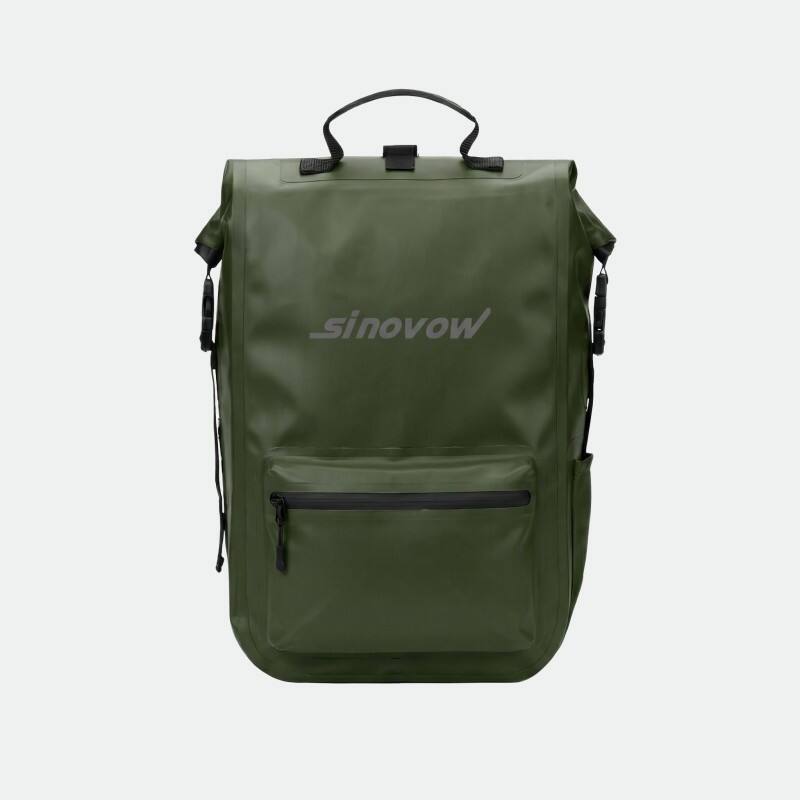
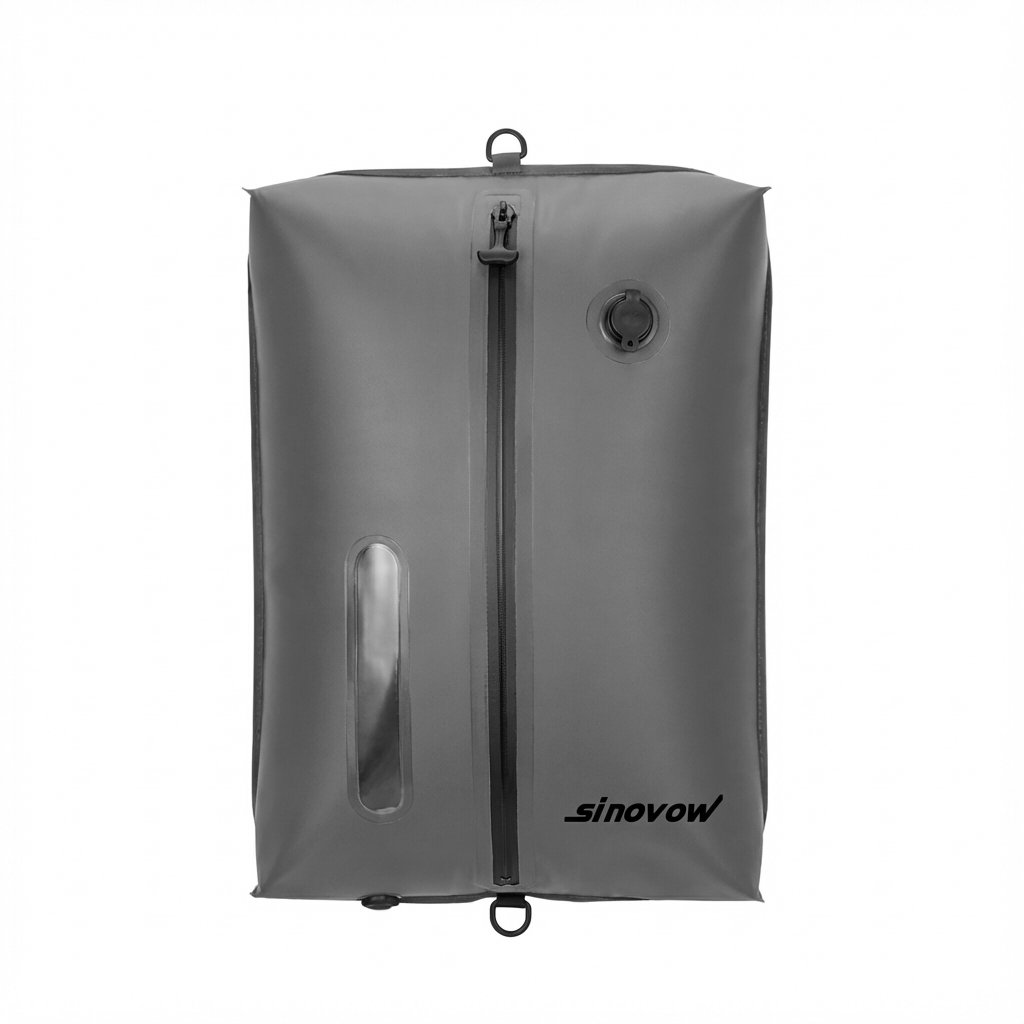
A lightweight climbing backpack represents an essential piece of equipment for mountaineers, rock climbers, and outdoor enthusiasts who demand mobility without sacrificing functionality. Designed with advanced materials and engineering principles, these specialized packs typically weigh between 1 to 3 pounds while offering capacities ranging from 20 to 45 liters. The primary function of a lightweight climbing backpack centers on carrying crucial gear including ropes, carabiners, harnesses, protection devices, food, water, and emergency supplies during vertical ascents and technical terrain navigation. Modern lightweight climbing backpacks incorporate cutting-edge fabric technologies such as ripstop nylon, Dyneema composite materials, and waterproof coatings that deliver remarkable durability despite minimal weight. The pack structure features strategic compression systems that stabilize loads during dynamic movements, preventing gear shift that could compromise balance on exposed routes. Manufacturers integrate streamlined designs that eliminate unnecessary components while maintaining critical functionality through minimalist frame systems, removable components, and multi-purpose features. Technological innovations include reinforced gear loops for equipment attachment, ice axe carriers with secure retention systems, hydration compatibility with reservoir sleeves and tube routing, and ergonomic shoulder straps with breathable mesh panels. The application spectrum for a lightweight climbing backpack extends from single-pitch sport climbing sessions to multi-day alpine expeditions, from technical ice climbing in winter conditions to mixed terrain adventures combining hiking and scrambling. These packs accommodate various climbing disciplines through adaptable designs that serve mountaineering objectives, cragging sessions at local cliffs, and backcountry approaches requiring extended travel. The ventilated back panel construction promotes airflow to reduce perspiration accumulation during strenuous approaches, while external attachment points provide versatile carrying options for helmets, trekking poles, and additional equipment. Weather-resistant construction protects valuable gear from precipitation and abrasion encountered in rugged mountain environments, ensuring equipment remains functional when conditions deteriorate unexpectedly.
New Product Releases

Choosing a lightweight climbing backpack delivers immediate performance benefits that transform your vertical adventures and mountain experiences. The reduced weight directly translates to enhanced endurance, allowing you to conserve energy during lengthy approaches and maintain strength reserves for challenging climbs ahead. Every ounce eliminated from your pack means less strain on your shoulders, back, and legs, enabling faster movement across technical terrain and reducing fatigue accumulation throughout extended outings. This weight advantage becomes particularly significant during multi-pitch routes where you carry the pack through consecutive climbing sections, as lighter loads improve your balance and reduce the physical burden during strenuous vertical movements. The streamlined profile of a lightweight climbing backpack enhances your mobility by preventing the pack from interfering with arm movements during reaches, stemming techniques, and dynamic climbing sequences. You gain improved freedom of movement that proves critical when navigating narrow chimneys, overhanging sections, and technical face climbing where bulky packs create obstacles and limit your range of motion. The compact design sits closer to your body, maintaining your center of gravity and preventing the awkward swaying that larger packs create during climbing movements. Financial considerations favor lightweight climbing backpacks through their specialized construction that concentrates resources on essential features rather than superfluous additions. You invest in purposeful engineering that prioritizes climber-specific requirements, avoiding paying for unnecessary padding, excess compartments, and ornamental features that add weight without functional value. The durability of modern lightweight materials ensures your investment withstands years of abrasive rock contact, harsh weather exposure, and demanding use without premature failure. Versatility represents another compelling advantage, as these packs transition seamlessly between climbing disciplines and outdoor activities. You can utilize the same lightweight climbing backpack for morning cragging sessions, afternoon alpine scrambles, winter ice climbing expeditions, and summer mountaineering adventures. This multi-purpose functionality eliminates the need for multiple specialized packs, simplifying your gear collection and maximizing the return on your equipment investment. The efficient organization systems built into lightweight climbing backpacks facilitate rapid access to critical gear during climbs. You can quickly retrieve protection devices, energy bars, or layers without extensive searching through cluttered compartments, maintaining your momentum and safety margins during ascents. The reduced bulk allows easier storage in vehicles, closets, and travel luggage compared to heavier traditional mountaineering packs.

Tips And Tricks

Different Types of Zippers

23

Dec

Different Types of Zippers

View More
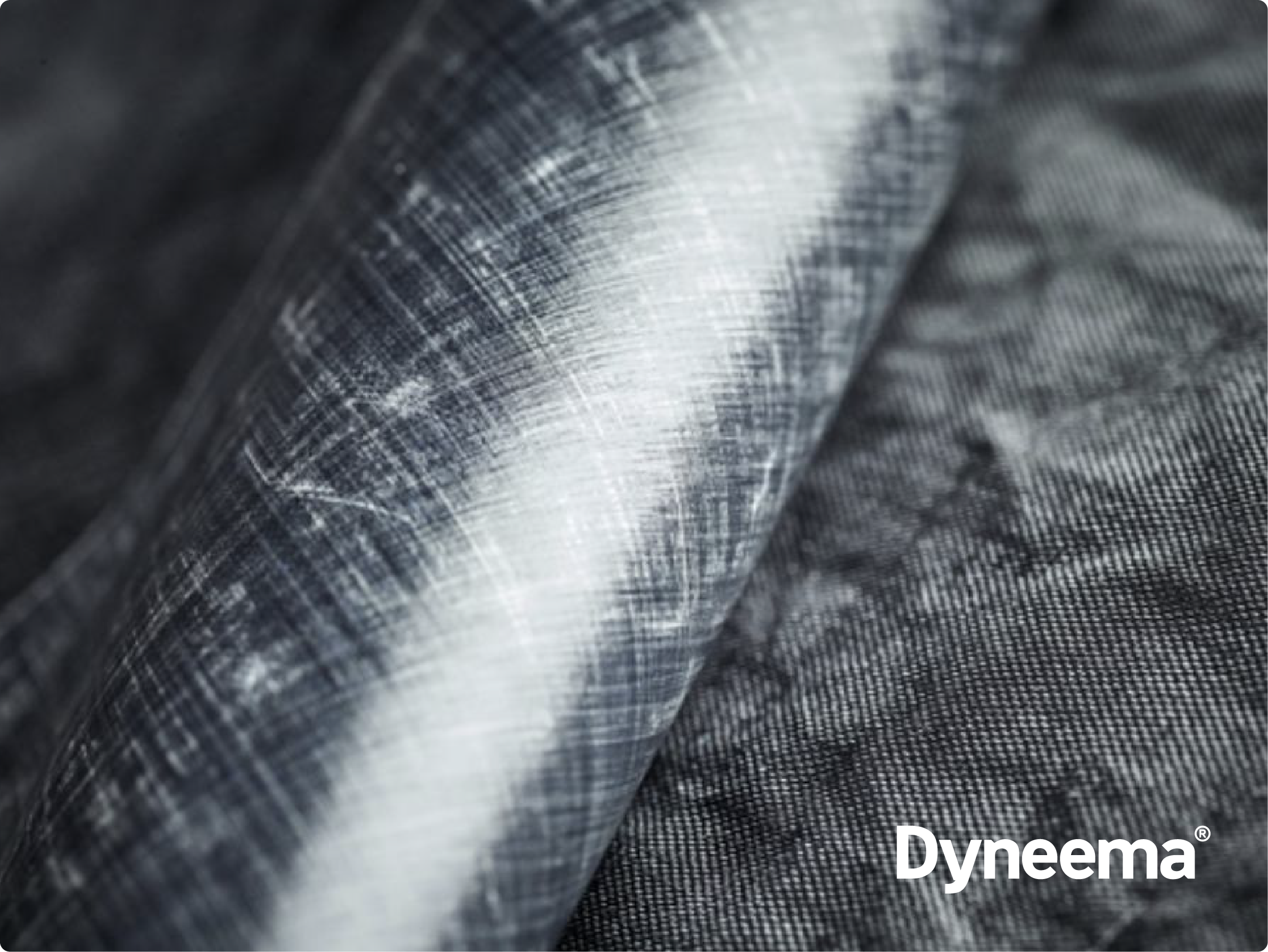
Why Dyneema® (UHMWPE) is a Game-Changer for Bags

23

Dec

Why Dyneema® (UHMWPE) is a Game-Changer for Bags

View More
What Are the Key Material Properties of Polyester vs Nylon

23

Dec

What Are the Key Material Properties of Polyester vs Nylon

View More
Why Sinovow Bags Is a Reliable China Bag Factory

23

Dec

Why Sinovow Bags Is a Reliable China Bag Factory

View More

Get a Free Quote

Our representative will contact you soon.
Email
Name
Company Name
Message
0/1000

lightweight climbing backpack

Revolutionary Weight-to-Capacity Engineering

Revolutionary Weight-to-Capacity Engineering

The revolutionary weight-to-capacity engineering embedded within a lightweight climbing backpack represents a breakthrough in outdoor equipment design that fundamentally changes how climbers approach vertical challenges. Traditional mountaineering packs sacrificed mobility for storage volume, forcing adventurers to accept heavy loads as an unavoidable compromise. Modern lightweight climbing backpack construction challenges this outdated paradigm through innovative material selection and structural optimization that achieves previously impossible weight-to-volume ratios. Manufacturers utilize advanced textiles including ultra-high-molecular-weight polyethylene fabrics that deliver tensile strength exceeding steel by weight, creating pack bodies that resist tearing and abrasion while weighing mere ounces. These space-age materials undergo rigorous field testing in extreme alpine environments, ensuring reliability under the punishing conditions climbers regularly encounter on exposed ridges, glaciated approaches, and vertical granite faces. The engineering process involves computer-aided design analysis that identifies stress concentration points and reinforces critical areas with strategic material layering, eliminating weak points without adding unnecessary weight throughout the entire pack structure. This precise engineering enables a lightweight climbing backpack to carry substantial loads proportional to its minimal weight, with quality models comfortably supporting 25 to 35 pounds of gear despite weighing less than conventional daypacks. The capacity optimization extends beyond simple volume measurements to include intelligent compartment layout that maximizes usable space through strategic pocket placement and compression capabilities. Internal organization systems feature removable dividers, elastic mesh pockets, and zippered compartments that keep essential items accessible while maintaining pack stability during dynamic movements. The weight distribution architecture positions heavier items close to your back and high within the pack, creating a balanced carry that feels natural during approaches and climbs. Climbers benefit from this engineering excellence through enhanced performance metrics including faster approach times, reduced recovery periods between climbing days, and expanded capability to tackle longer routes previously beyond their endurance limits. The lightweight climbing backpack essentially expands your climbing range and potential, opening access to remote objectives that demanding approaches would otherwise place out of reach when burdened with heavier traditional packs.
Advanced Weather Protection and Durability Systems

Advanced Weather Protection and Durability Systems

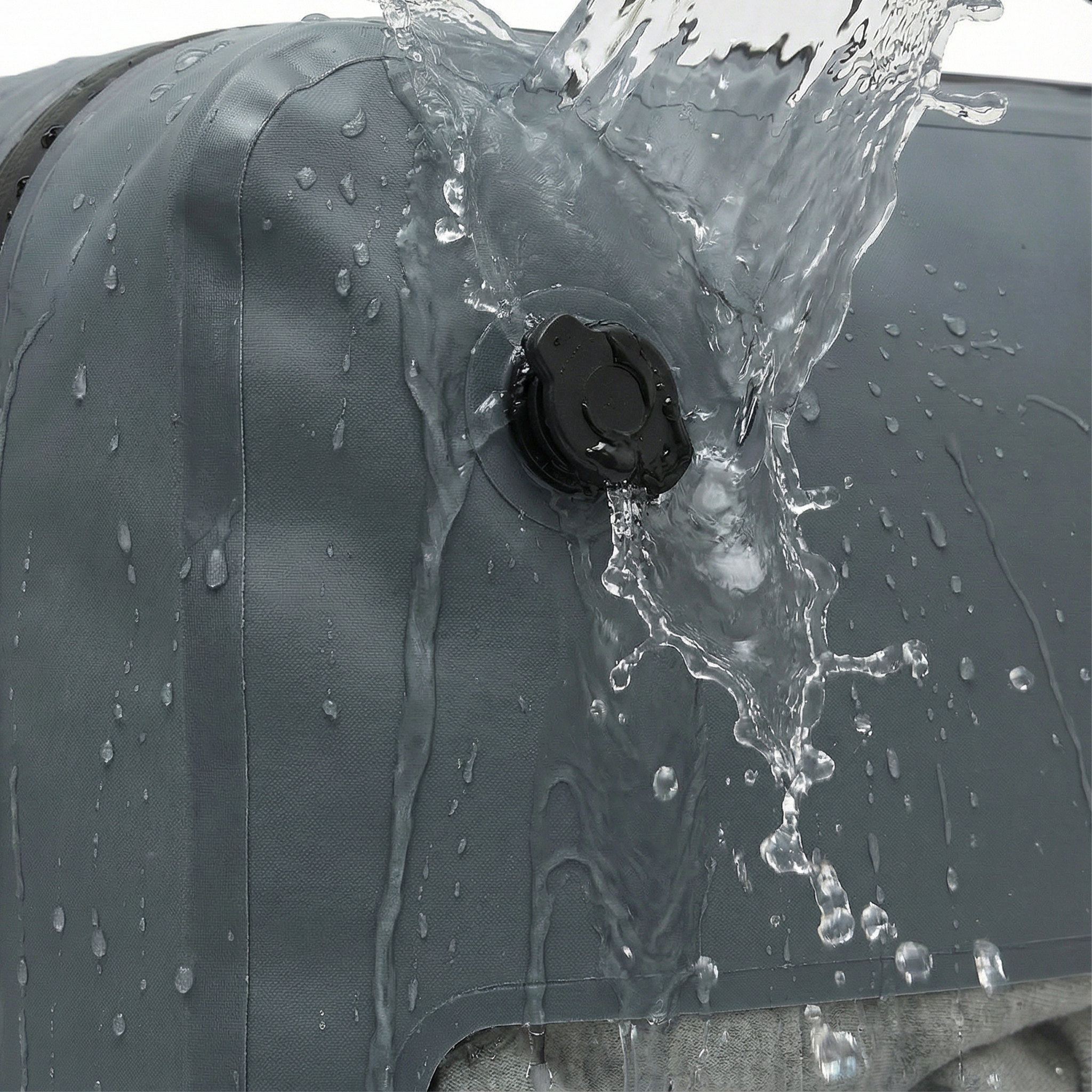
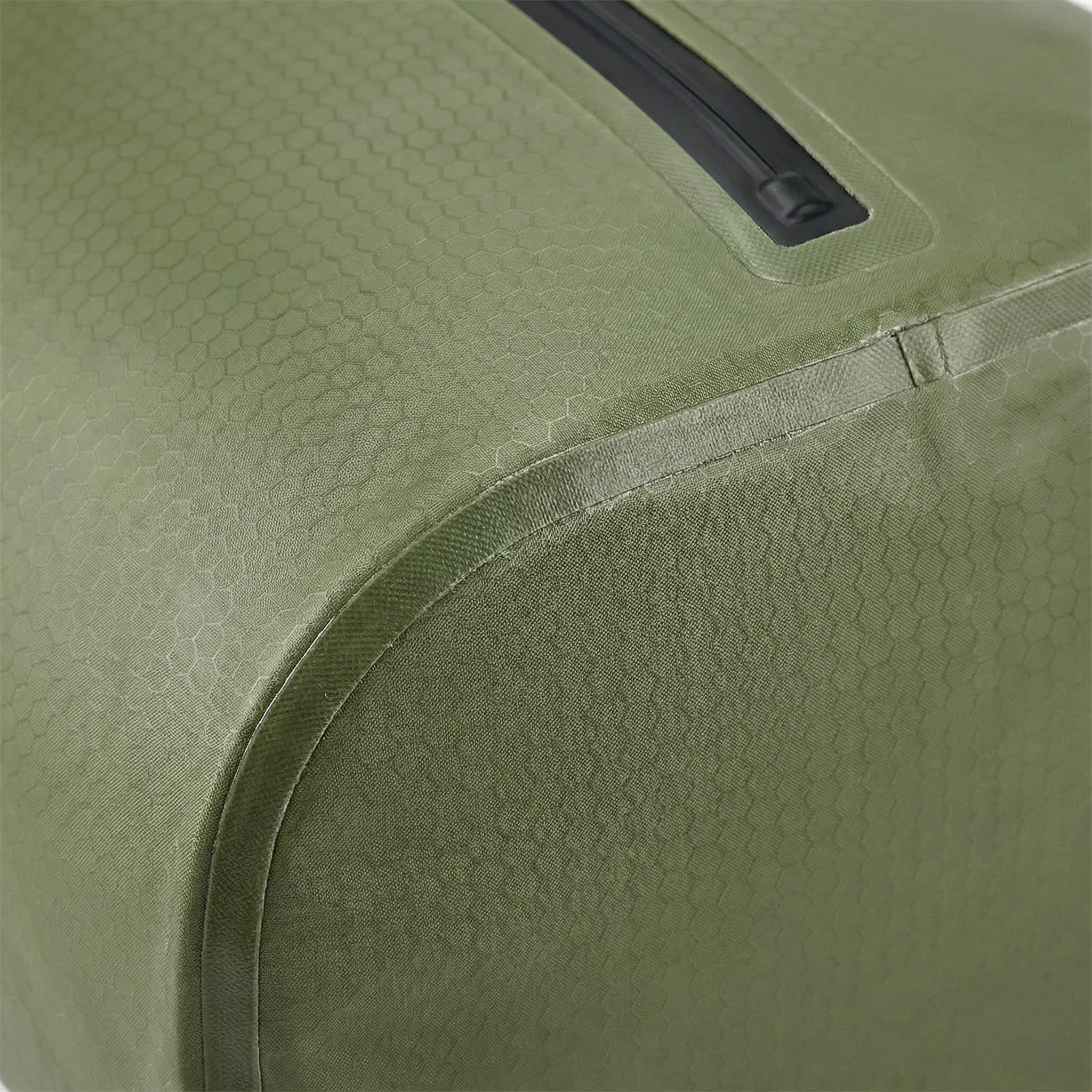
Advanced weather protection and durability systems integrated into a lightweight climbing backpack ensure your valuable equipment remains functional regardless of environmental challenges encountered in mountain terrain. Climbing environments expose gear to precipitation, abrasion, temperature extremes, and ultraviolet radiation that rapidly degrade inferior equipment, making robust protection systems essential for reliable performance. Modern lightweight climbing backpack construction incorporates multi-layer fabric technologies that combine weather resistance with breathability, preventing external moisture infiltration while allowing internal humidity to escape. Manufacturers apply durable water-repellent coatings to exterior surfaces that cause precipitation to bead and roll away rather than saturating fabric fibers, maintaining pack integrity during sudden rainstorms, snow showers, and prolonged exposure to damp conditions. Critical seams receive reinforcement through heat-sealed tape applications that eliminate potential water entry points, creating comprehensive barriers against moisture intrusion that protects electronics, spare clothing, and other moisture-sensitive items. The base construction of a lightweight climbing backpack typically features reinforced panels using doubled fabric layers or abrasion-resistant materials that withstand repeated contact with rock surfaces during pack hauling, chimney climbing, and general mountaineering activities. These reinforcement zones concentrate protection where friction naturally occurs, extending pack lifespan without adding weight to areas that rarely contact abrasive surfaces. Zipper selections emphasize reliability through corrosion-resistant materials and self-repairing designs that maintain smooth operation despite dirt accumulation, repeated cycles, and harsh weather exposure common in climbing environments. Protective covers integrated into pocket designs shield zippers from direct precipitation exposure, further enhancing weather resistance and operational longevity. Ultraviolet stabilizers incorporated into fabric compounds prevent degradation from intense high-altitude sunlight that accelerates material breakdown in alpine zones where atmospheric filtering diminishes. A lightweight climbing backpack utilizing these advanced protection systems maintains structural integrity and functional performance through seasons of demanding use, delivering dependable service during critical moments when equipment failure could compromise safety. The durability investment proves particularly valuable for climbers who frequently venture into remote locations where equipment redundancy remains impractical and gear failure creates serious logistical challenges requiring self-rescue or premature expedition termination.
Ergonomic Comfort Technology for Extended Performance

Ergonomic Comfort Technology for Extended Performance

Ergonomic comfort technology for extended performance distinguishes premium lightweight climbing backpack designs from basic models through sophisticated carrying systems that minimize physical stress during prolonged use. Climbing activities demand sustained physical output across varied terrain and body positions, making comfort optimization crucial for maintaining performance throughout full-day objectives and multi-day expeditions. The shoulder strap architecture in a quality lightweight climbing backpack employs anatomically contoured shapes that distribute weight across broader surface areas, reducing pressure concentration that causes discomfort and restricts circulation during extended carrying periods. Manufacturers integrate dual-density foam padding that combines soft surface layers for initial comfort with firmer support cores that prevent excessive compression under load, maintaining consistent carrying comfort regardless of pack weight variations throughout your climb. Breathable mesh materials cover contact surfaces to promote airflow between your body and the pack, reducing perspiration accumulation that creates uncomfortable dampness and potential chafing during strenuous approaches. The mesh construction utilizes spacer fabrics that maintain air gaps even under compression, ensuring continuous ventilation that regulates temperature and moisture levels across your back and shoulders. Hip belt systems on larger capacity lightweight climbing backpacks transfer significant load percentages from shoulders to your stronger hip and leg muscles, reducing upper body fatigue and improving endurance during lengthy approaches. These belts feature ergonomic contouring that wraps naturally around your iliac crest, creating stable load transfer without restricting leg movement or causing pressure points during the varied stride patterns encountered across uneven mountain terrain. Adjustment systems throughout a lightweight climbing backpack enable precise fitting customization that accommodates different body proportions and seasonal clothing variations. Tool-free adjustment mechanisms allow quick modifications without removing the pack, facilitating fit optimization as conditions change throughout your climbing day. Load-lifter straps positioned above shoulder strap attachments pull pack weight forward, keeping the load close to your body and preventing the backward lean that increases energy expenditure and creates stability problems on technical terrain. Sternum straps with elastic sections accommodate chest expansion during heavy breathing without restricting respiratory function, while removable components allow configuration adjustments matching specific climbing activities and personal preferences. This comprehensive ergonomic engineering enables comfortable all-day carrying that preserves your energy reserves for actual climbing rather than exhausting you during approaches, fundamentally improving your mountain experience and expanding your capability to tackle ambitious objectives requiring sustained physical output.

Get a Free Quote

Our representative will contact you soon.
Email
Name
Company Name
Message
0/1000