 EN
EN

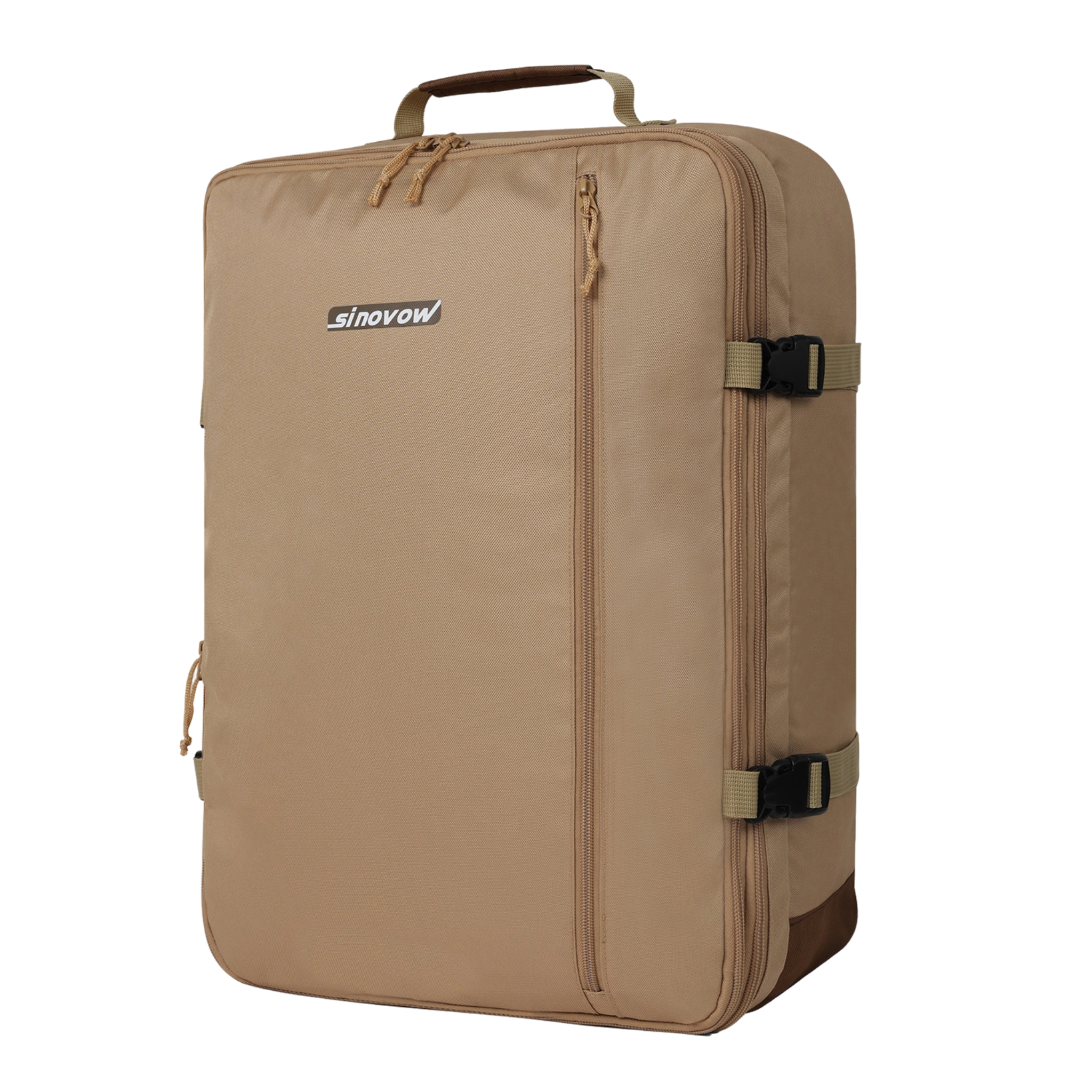
For retailers, travel gear distributors, and corporate procurement teams, sourcing compression packing cubes in bulk requires more than just placing a large order. The market for compression packing cubes has expanded significantly as travelers prioritize organized, space-efficient luggage solutions. Understanding what drives durability, functionality, and supplier reliability is essential before committing to high-volume procurement of compression packing cubes.
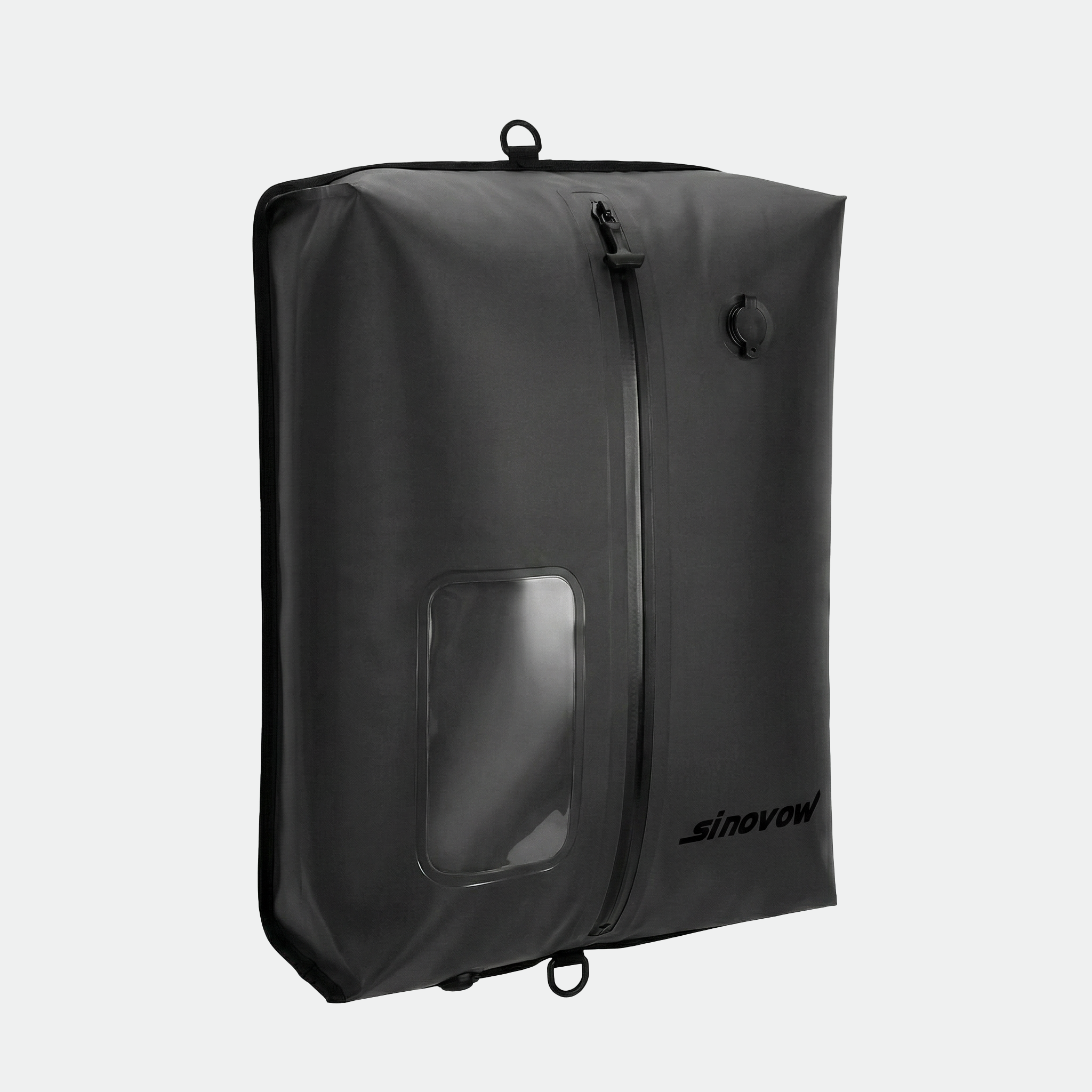
This guide is designed for B2B buyers who need to evaluate compression packing cubes at scale, whether for retail resale, promotional gifting, hospitality kits, or outdoor gear bundles. From material standards to minimum order quantities, every aspect of bulk sourcing compression packing cubes demands careful attention to protect margins and maintain product quality across your customer base.
Key Quality Criteria for Compression Packing Cubes
Material and Construction Standards
When sourcing compression packing cubes in bulk, material quality is the first checkpoint. Durable compression packing cubes are typically constructed from high-denier nylon or polyester, both of which resist abrasion, moisture, and repeated compression cycles. The stitching quality on compression packing cubes directly affects their lifespan under stress, especially along zipper seams and panel edges where tension is highest.
Buyers should request physical samples of compression packing cubes before finalizing supplier contracts. Evaluate whether the compression packing cubes use double-stitched reinforcement and whether the zipper sliders on compression packing cubes operate smoothly under full load. These details separate reliable compression packing cubes from lower-grade alternatives that fail quickly in real travel conditions.
Compression Mechanism Effectiveness
Not all compression packing cubes deliver the same space-saving performance. The best compression packing cubes use a dual-zipper compression system where the secondary zipper compresses folded garments tightly within the cube structure. When evaluating compression packing cubes for bulk orders, test the compression ratio under a realistic clothing load. Strong compression packing cubes should reduce garment volume by at least thirty to forty percent without causing fabric stress or zipper failure.
Some compression packing cubes incorporate a one-way valve design adapted from vacuum storage technology, which enhances the compression capability further. These compression packing cubes are particularly well-suited for bundling with premium travel kits or outdoor gear sets, where maximizing luggage space is a core product promise.
Bulk Sourcing Strategy for Compression Packing Cubes
Defining Your Order Requirements
Before approaching suppliers, establish your volume tier, size mix, and customization needs for compression packing cubes. Most suppliers of compression packing cubes offer multiple size variants — small, medium, and large — and bulk pricing typically reflects both the total unit count and the variety depth of your compression packing cubes order. Buying a focused size range of compression packing cubes in higher quantities often unlocks better per-unit pricing than spreading volume thinly across many SKUs.
Consider whether your compression packing cubes require custom branding such as logo embroidery, printed labels, or branded packaging. Private-label compression packing cubes are a strong option for retailers building house brands in the travel accessories segment. Confirm minimum order quantities for custom compression packing cubes early in the negotiation process to avoid misaligned expectations.
Evaluating Supplier Capability for Compression Packing Cubes
Supplier evaluation for compression packing cubes should go beyond pricing alone. Request documentation such as factory audit reports, material safety certifications, and production capacity statements relevant to compression packing cubes. A capable supplier of compression packing cubes will be transparent about lead times, production scheduling, and quality control checkpoints during manufacturing.
Ask potential suppliers how they handle defective compression packing cubes in shipment, including their policy on replacements and credit processes. Reputable compression packing cubes suppliers will have clearly defined quality assurance protocols and will support third-party inspection if your procurement volume justifies it. Building a reliable supply chain for compression packing cubes depends on supplier transparency as much as product specifications.
Logistics and Inventory Planning for Compression Packing Cubes
Shipping Efficiency and Packaging
Compression packing cubes have a favorable bulk-to-weight ratio, making them efficient to ship compared to rigid travel accessories. When placing large orders of compression packing cubes, clarify carton dimensions, per-carton unit counts, and gross weight per carton with your supplier. Accurate data on compression packing cubes packaging allows your logistics team to calculate freight costs precisely and avoid surprises at customs or destination warehouses.
For retail-ready compression packing cubes, discuss whether the supplier can provide retail-boxed or poly-bagged packaging formats. Well-packaged compression packing cubes reduce handling damage during transit and improve shelf presentation, which matters significantly if your compression packing cubes are destined for physical retail environments.
Inventory Cycle Planning
Compression packing cubes experience seasonal demand spikes tied to holiday travel periods and back-to-school seasons. Plan your compression packing cubes inventory cycles to account for these peaks, placing bulk orders of compression packing cubes at least eight to twelve weeks before expected demand surges. This buffer accommodates production lead times and shipping duration for compression packing cubes without risking stockouts during your highest-revenue windows.
Maintaining a safety stock of compression packing cubes also protects against supply chain disruptions that affect production or shipping timelines. Factor the storage footprint of compression packing cubes into your warehouse planning, keeping in mind that compression packing cubes stored in compressed form can reduce shelf space requirements significantly.
FAQ
What materials are best for durable compression packing cubes in bulk orders?
High-denier nylon and ripstop polyester are the most recommended materials for durable compression packing cubes. These fabrics handle repeated compression cycles, resist moisture, and maintain structural integrity over time. When sourcing compression packing cubes in bulk, always request material specifications and physical samples to verify quality before committing to large orders of compression packing cubes.
How do I verify the compression performance of packing cubes before bulk purchasing?
Request pre-production samples of the compression packing cubes and conduct load tests using typical clothing volumes. Reliable compression packing cubes should compress garment volume by at least thirty percent under normal use. Examine the zipper mechanism of the compression packing cubes under full compression load to confirm it operates smoothly and without visible stress.
Can compression packing cubes be customized with branding for resale?
Yes, most established suppliers offer private-label options for compression packing cubes, including logo printing, embroidery, hang tags, and custom retail packaging. Minimum order quantities for branded compression packing cubes vary by supplier, so confirm these requirements early. Custom-branded compression packing cubes are an effective product category for travel retailers looking to differentiate their offerings.