 EN
EN

For luggage companies looking to expand their product lines, compression packing cubes represent one of the most strategically valuable accessories to offer under a private label or OEM program. Travelers worldwide have shifted toward smarter, space-saving packing solutions, and compression packing cubes sit at the center of that demand. For brands positioned in luggage, travel gear, or outdoor equipment, entering this category with a customized OEM offering is both a logical and profitable expansion step.
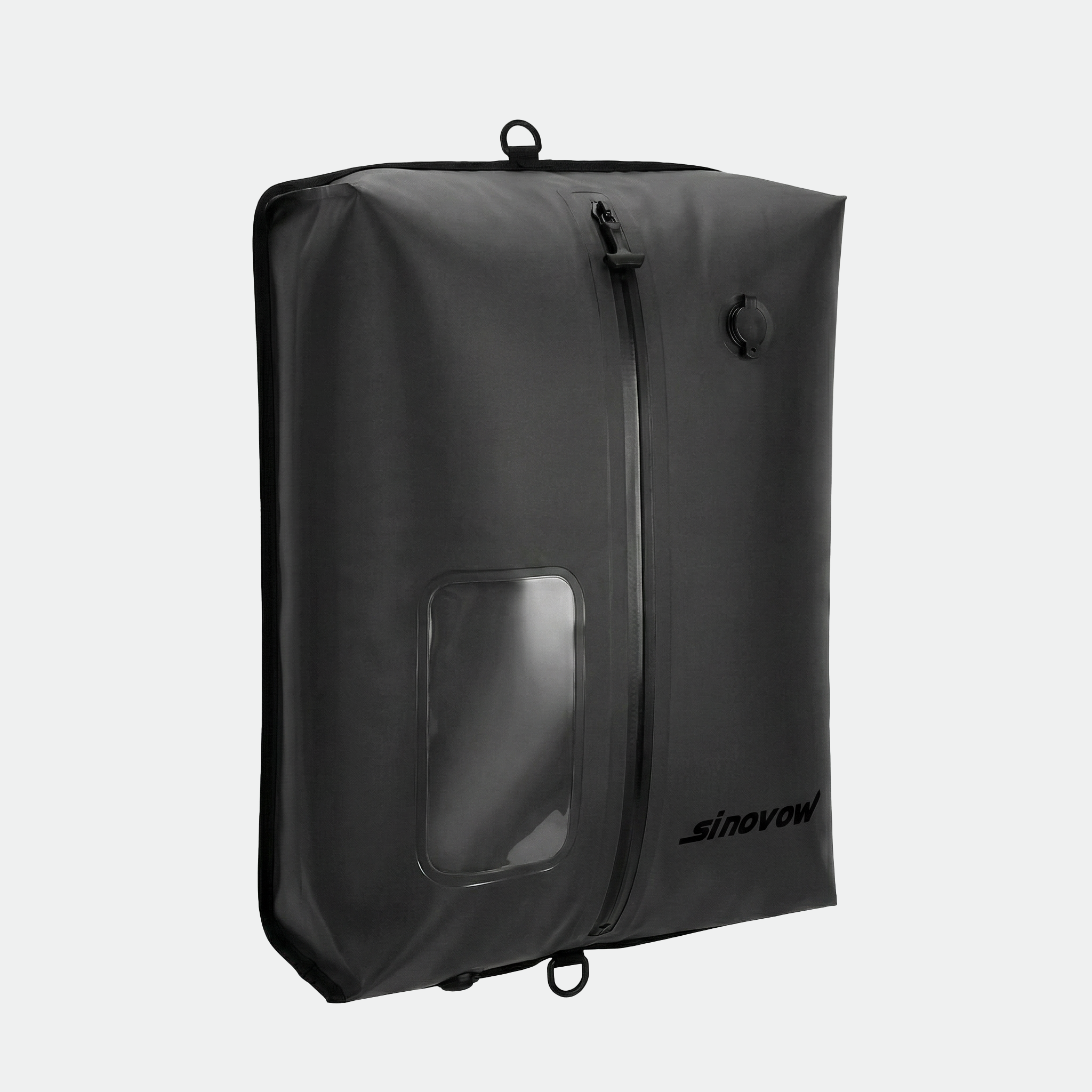
Compression packing cubes are not simply standard fabric pouches. They feature dual-zipper systems or airtight sealing mechanisms that compress garments and soft goods, reducing their volume significantly. When luggage companies integrate compression packing cubes into their OEM catalog, they deliver measurable functional value to end consumers while differentiating their brand from competitors still selling basic packing accessories. This article explores the key dimensions of OEM compression packing cubes solutions specifically tailored for luggage companies.
Why Luggage Companies Choose OEM Compression Packing Cubes
Meeting Real Consumer Demand for Space Efficiency
Luggage buyers today expect more from the brands they trust. Compression packing cubes directly answer the most common pain point in travel: limited suitcase space. When your brand offers compression packing cubes as part of a bundled or standalone accessory line, customers associate your label with practical innovation. OEM compression packing cubes allow luggage companies to source these products with custom branding, specifications, and materials without investing in in-house manufacturing.
Compression packing cubes reduce clothing volume by compressing air out of the storage space. For frequent travelers, business professionals, and outdoor enthusiasts, this is not a luxury — it is a functional necessity. Luggage companies that offer compression packing cubes as part of their ecosystem build stronger brand loyalty among high-value customers who prioritize efficiency on every trip.
OEM Flexibility for Brand-Specific Requirements
One major advantage of OEM compression packing cubes programs is customization depth. Luggage brands can specify dimensions to match their suitcase interior layouts, choose materials such as ripstop nylon or water-resistant polyester, select zipper types, and apply branded woven labels or printed logos. Compression packing cubes developed under an OEM agreement are built to the buyer's exact specifications, ensuring product consistency and brand coherence across the full accessory range.
OEM manufacturers of compression packing cubes also support packaging customization, allowing luggage companies to design retail-ready boxes or polybag configurations that match their brand identity. This end-to-end control over product presentation is essential for companies selling through premium retail channels or direct-to-consumer e-commerce platforms where visual branding drives purchase decisions.
Key Product Features to Specify in OEM Compression Packing Cubes
Compression Mechanism and Sealing Quality
The core function of compression packing cubes depends entirely on the integrity of the compression mechanism. There are two dominant designs: dual-zipper compression systems that use a secondary zipper to compress the cube after packing, and airtight valve-based designs that expel air through a one-way valve. When specifying compression packing cubes for OEM production, luggage companies should evaluate which mechanism suits their target customer's use case — light travel compression or maximum volume reduction for camping and long-haul travel.
Sealing quality determines how well compression packing cubes maintain their compressed state during transit. Reinforced zipper teeth, double-stitched seams, and tested closure mechanisms are all specifications worth addressing with your OEM partner. Compression packing cubes that lose their compression mid-journey will generate customer complaints and damage brand perception, so material and construction standards must be non-negotiable in the OEM brief.
Size Range and Set Configurations
Offering compression packing cubes in varied sizes — small, medium, large, and extra-large — gives end consumers the flexibility to organize different item categories across a single trip. OEM programs for luggage companies often include set configurations, such as a three-piece or four-piece set of compression packing cubes, which increases perceived value and average order size. Coordinated sets of compression packing cubes in matching colors also reinforce brand identity when packed inside a suitcase.
Luggage companies should work with their OEM partner to align the size dimensions of compression packing cubes with their flagship suitcase interior dimensions. This creates a seamless brand experience where the compression packing cubes and luggage feel designed for each other, which is a powerful marketing message that competitors without integrated OEM programs cannot easily replicate.
Sourcing and Quality Control for OEM Compression Packing Cubes
Evaluating OEM Manufacturing Partners
Selecting the right manufacturing partner for compression packing cubes is critical. Luggage companies should assess OEM suppliers on their experience producing compression packing cubes, their material sourcing transparency, their capacity to meet minimum order quantities aligned with your launch plan, and their quality control processes. Compression packing cubes must pass durability testing across repeated compression and decompression cycles, and a capable OEM partner will have testing protocols in place to validate product life expectations.
Request samples of compression packing cubes before committing to production runs. Evaluate the zipper pull smoothness, seam strength, fabric weight, and how effectively the compression mechanism reduces volume under realistic packing conditions. A reliable OEM partner for compression packing cubes will welcome this evaluation process and use it as an opportunity to align their production output with your standards.
Compliance and Certification Considerations
Compression packing cubes sold through international retail channels may need to comply with material safety standards, labeling regulations, or import requirements depending on the destination market. Luggage companies should confirm with their OEM partner that compression packing cubes materials meet relevant chemical safety standards and that care labeling requirements are incorporated into the product design. Compression packing cubes shipped to European or North American retail accounts may also require specific documentation for customs clearance and retail compliance audits.
FAQ
What minimum order quantities are typical for OEM compression packing cubes?
Minimum order quantities for OEM compression packing cubes vary by manufacturer, but most experienced OEM suppliers start at 500 to 1,000 units per size or SKU. For full set configurations of compression packing cubes, the MOQ is often calculated per set rather than per individual piece. Luggage companies launching a new compression packing cubes line should discuss tiered MOQ options with their OEM partner to align with their initial inventory budget.
Can compression packing cubes be customized with a luggage brand's logo and color scheme?
Yes. OEM compression packing cubes can be fully customized with woven labels, embossed zipper pulls, printed interior linings, and exterior colors that match a brand's visual identity. Most OEM manufacturers of compression packing cubes offer Pantone color matching for fabric and zipper components, ensuring that compression packing cubes integrate cohesively into an existing product line.
How do compression packing cubes differ from standard packing cubes in OEM production?
Standard packing cubes organize items without reducing volume, while compression packing cubes include a mechanism — such as a dual zipper or airtight valve — that actively reduces the volume of packed contents. In OEM production, compression packing cubes require more complex material specifications, reinforced seams, and tested compression hardware, which typically results in a higher unit cost than standard packing cubes. However, compression packing cubes also command a higher retail price point, improving margin potential for luggage companies.