 EN
Rock climbing brands face a critical challenge when it comes to gear organization and customer satisfaction. A well-designed climbing rope bag serves as both a functional storage solution and a powerful branding opportunity. Custom climbing rope bag solutions allow brands to differentiate themselves in a competitive market while providing climbers with the organization and protection their equipment demands. The climbing rope bag has evolved from a simple carrying tool into an essential accessory that reflects brand values, durability standards, and user experience philosophy.
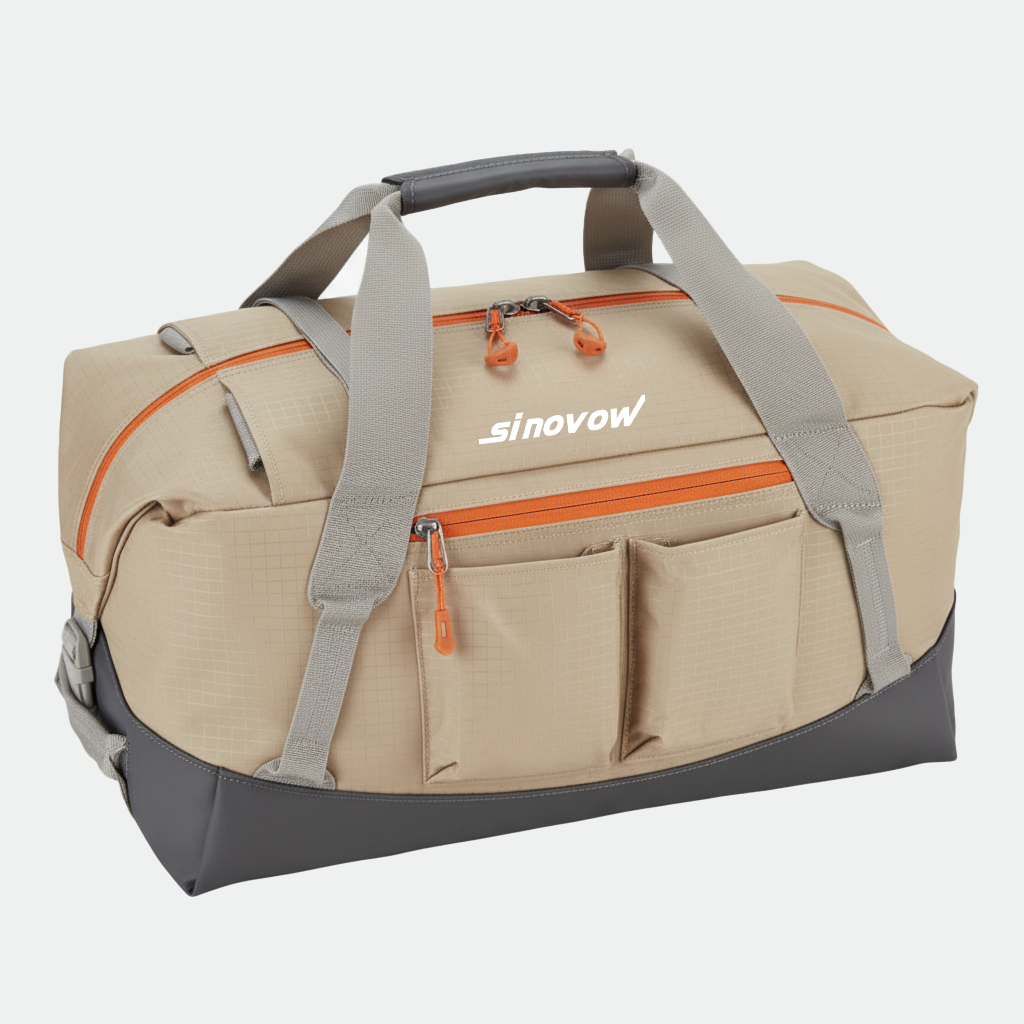
Creating a custom climbing rope bag requires understanding the intersection of engineering, aesthetics, and practical climbing needs. Brands that invest in thoughtfully designed climbing rope bag solutions gain competitive advantages through improved customer loyalty, enhanced product perception, and increased market presence. Whether you operate a climbing gym, outdoor retail operation, or specialized equipment manufacturer, a custom climbing rope bag represents an investment in brand identity and climber satisfaction that pays dividends across all customer touchpoints.
Understanding Climbing Rope Bag Design Requirements
Functional Specifications for a Climbing Rope Bag
A professional climbing rope bag must meet specific functional criteria that directly impact climber experience and rope longevity. The ideal climbing rope bag features compartmentalized storage that keeps ropes separated from sharp objects, debris, and moisture exposure. Interior dimensions should accommodate standard 70-meter and 80-meter climbing ropes without forcing compression that damages rope fibers. A high-quality climbing rope bag includes reinforced stitching at stress points, corrosion-resistant hardware, and quick-access opening mechanisms that allow climbers to deploy ropes efficiently whether at indoor walls or outdoor crags. The climbing rope bag design must also facilitate quick drying and airflow to prevent mold and mildew accumulation in humid climbing environments.
Material Selection for Durability and Performance
Material choice defines the long-term performance and brand perception of your climbing rope bag. Premium climbing rope bag solutions utilize ripstop nylon, ballistic polyester, or canvas blends that resist punctures, tears, and UV degradation. The climbing rope bag exterior benefits from water-resistant coatings that shed rain and sweat without creating condensation inside. Interior linings should feature breathable mesh or cotton canvas rather than impermeable plastics, allowing the climbing rope bag to maintain air circulation that keeps ropes dry over extended storage periods. Brands focused on sustainability increasingly specify recycled materials in their climbing rope bag construction, appealing to environmentally conscious climbers who value responsible equipment choices.
Strategic Branding Through Custom Climbing Rope Bag Design
Visual Identity and Logo Integration
A custom climbing rope bag transforms into a mobile billboard when brands integrate their visual identity effectively. Strategic logo placement on the climbing rope bag creates brand recognition every time climbers transport their equipment to training sessions, competitions, or outdoor adventures. The climbing rope bag becomes a conversation starter at climbing destinations, multiplying marketing exposure without additional advertising expenditure. Colors, patterns, and graphic elements should reflect your brand personality while maintaining visibility in indoor and outdoor environments. A well-executed climbing rope bag design balances aesthetic appeal with functional clarity, ensuring the climbing rope bag remains both beautiful and practical for daily climbing use.
Differentiation and Market Positioning
In the competitive climbing equipment market, a distinctive climbing rope bag sets brands apart from generic storage solutions. Custom climbing rope bag designs communicate quality commitment, attention to detail, and understanding of climber needs. Brands that offer limited-edition climbing rope bag colorways, seasonal designs, or collaboration-based versions generate excitement and encourage repeat purchases among loyal customers. The climbing rope bag becomes a status symbol within climbing communities, enhancing brand prestige and customer affiliation. Competitive differentiation through innovative climbing rope bag features, such as integrated carabiners, tool pockets, or modular compartments, elevates perceived value and justifies premium pricing strategies.
Implementation and Customization Pathways
Production Considerations and Scale Options
Developing a custom climbing rope bag requires selecting appropriate production partners and manufacturing methods. Small-batch climbing rope bag production allows brands to test market response, refine designs, and manage inventory risk before committing to large-volume runs. The climbing rope bag manufacturing process typically involves pattern development, material sourcing, stitching, hardware installation, quality inspection, and packaging phases. Brands should partner with manufacturers experienced in climbing rope bag construction who understand durability standards and safety requirements specific to climbing equipment. Scaling from initial climbing rope bag prototypes to full production requires establishing quality control protocols that maintain consistency across all units, protecting brand reputation and ensuring customer satisfaction.
Customer Integration and Feedback Loops
Successful custom climbing rope bag development incorporates direct climber feedback throughout design refinement. Testing your climbing rope bag prototype with experienced climbers, gym managers, and outdoor guides reveals practical usability issues before full production. The climbing rope bag design should evolve based on real-world climbing scenarios, environmental challenges, and user preferences that laboratory testing cannot fully capture. Brands that establish ongoing feedback mechanisms discover how climbers actually use their climbing rope bag in diverse conditions, informing future improvements and next-generation climbing rope bag designs. Customer testimonials and climbing community endorsements amplify the credibility of your climbing rope bag offering, building trust with potential buyers who value peer validation over manufacturer claims.
FAQ
What size should a climbing rope bag be for optimal functionality?
A standard climbing rope bag should accommodate rope lengths of 70 to 80 meters comfortably while remaining portable for transport. The ideal climbing rope bag dimensions range from 70 to 85 centimeters in length and 30 to 40 centimeters in diameter when fully loaded. This climbing rope bag size balances rope capacity with manageable weight and packability, ensuring climbers can transport equipment without excessive strain. Larger climbing rope bag models serve commercial gyms and guide services managing multiple ropes, while compact climbing rope bag designs serve sport climbers focused on minimizing bulk during outdoor approaches.
How can brands ensure climbing rope bag durability meets climbing industry standards?
Achieving durability standards for your climbing rope bag requires specifying high-grade materials, reinforced construction techniques, and rigorous quality testing protocols. The climbing rope bag should undergo tensile strength testing, seam integrity verification, and extended environmental exposure testing before production release. Manufacturers experienced in climbing rope bag construction understand climbing-specific wear patterns and design reinforcement accordingly. Brands should request material certifications, manufacturing documentation, and third-party testing results demonstrating that their climbing rope bag meets or exceeds established durability benchmarks within the climbing equipment industry.
What customization options enhance climbing rope bag appeal to different customer segments?
Customization opportunities for your climbing rope bag include color selection, personalized embroidery or printing, compartment configuration, and hardware choices. Brands can offer modular climbing rope bag designs where customers select interior organization systems matching their specific needs. Limited-edition climbing rope bag colorways, artist collaborations, and seasonal releases generate enthusiasm and repeat purchases. Professional climbing rope bag features such as integrated carabiner attachment points, ventilation grommets, or waterproof zipper designs appeal to serious climbers willing to invest in premium equipment. Understanding your target customer segment's priorities ensures your climbing rope bag customization resonates emotionally and functionally.