 EN

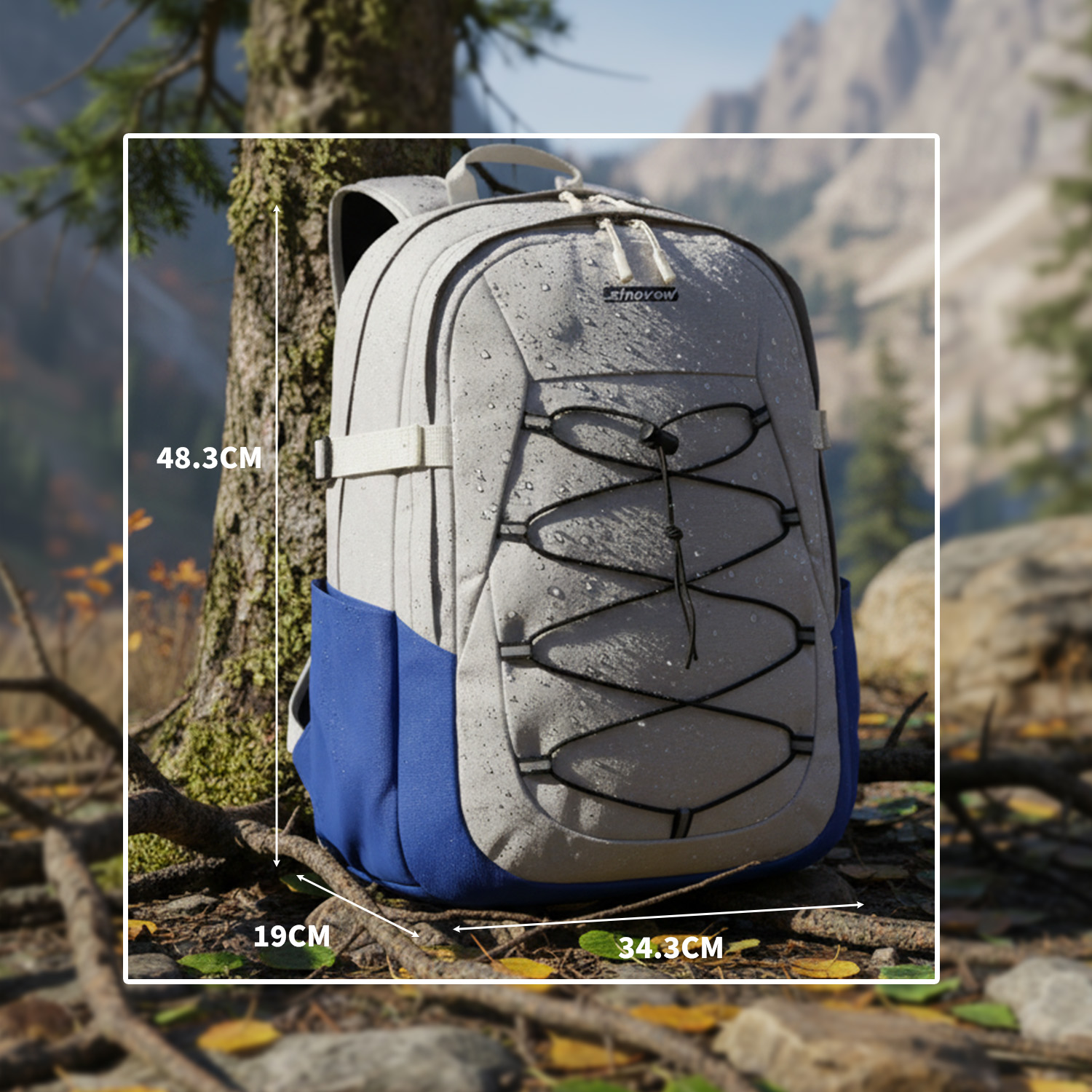
Moisture damage remains one of the most common threats to climbing equipment longevity and safety. A climbing rope bag serves as the primary defense against environmental exposure, and manufacturers invest significant engineering effort into creating solutions that genuinely protect climbing ropes and related gear from water infiltration, humidity, and degradation. Understanding how manufacturers approach moisture protection reveals the complexity behind what appears to be a simple storage container. The design philosophy behind modern climbing rope bag construction combines material science, ventilation principles, and sealing technology to create an environment where ropes remain dry and preserved for years of reliable use.
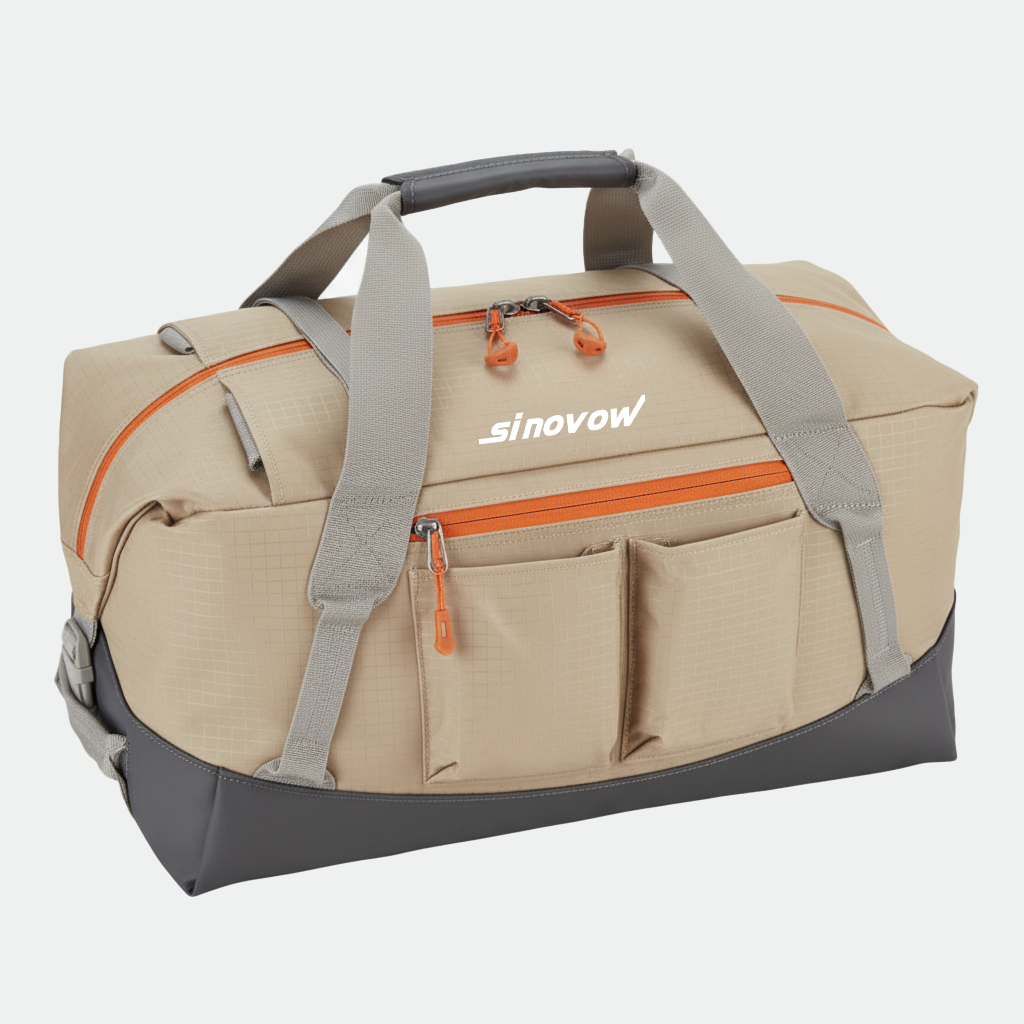
Professional climbing rope bag manufacturers understand that effective moisture control requires more than a waterproof exterior. A climbing rope bag must balance competing demands: complete water exclusion during rain and submersion, while allowing internal humidity to escape naturally to prevent condensation and mold growth. This article explores the specific engineering strategies that manufacturers employ to achieve this balance, ensuring that a climbing rope bag delivers reliable protection whether stored in humid basements, damp climbing gyms, or challenging outdoor environments.
Material Science in Climbing Rope Bag Construction
Advanced Waterproof Fabrics and Coatings
Climbing rope bag manufacturers select waterproof materials based on rigorous testing standards that measure both water resistance and breathability. Polyurethane-coated nylon represents the industry standard for climbing rope bag construction because it combines exceptional water repellency with controlled vapor permeability. The coating process applies multiple microscopic layers that seal the fabric surface while maintaining the ability of moisture vapor to migrate outward. Manufacturers test climbing rope bag materials under simulated rain conditions, submersion testing, and accelerated weathering cycles to ensure that a climbing rope bag maintains its protective properties after extended use and exposure.
Fabric Density and Weave Patterns
The base fabric underlying any waterproof coating fundamentally determines climbing rope bag performance. Manufacturers choose high-denier nylon with tight weave patterns because these fabrics provide a stable foundation for coatings and resist puncture damage that could compromise the climbing rope bag's integrity. The climbing rope bag fabric density affects how effectively the waterproof coating adheres and how well the material withstands stress from packed climbing ropes. Tight weaves also reduce the initial water absorption rate, giving the climbing rope bag's coating system time to repel water before any reaches the inner layers. This layered approach ensures that even if the outer coating experiences minor wear, a climbing rope bag continues protecting its contents through the underlying fabric structure.
Sealing Technologies and Closure Systems
Waterproof Zipper Construction
The zipper represents the most vulnerable point in climbing rope bag moisture protection, and manufacturers address this through specialized waterproof zipper designs. A climbing rope bag uses zippers with molded plastic sliders and coated teeth that prevent water from traveling down the zipper track into the bag's interior. High-quality climbing rope bag manufacturers apply silicone sealant along the zipper tape to create an additional moisture barrier. The climbing rope bag zipper design also incorporates metal stops and reinforced stitching to maintain alignment under tension, preventing the kind of separation that would allow water entry. Testing protocols for climbing rope bag zippers include repeated open-close cycles combined with water spray tests to verify that the zipper remains sealed throughout the climbing rope bag's service life.
Thermal-Sealed Seams and Stress Points
Manufacturers recognize that thread seams represent another potential entry point for moisture into a climbing rope bag. Modern climbing rope bag construction employs thermal sealing or taped seams that apply waterproof material directly over stitched seams to block water penetration. The climbing rope bag seam tape adheres to both fabric surfaces, creating a continuous barrier that extends across stress areas where the climbing rope bag experiences the most flexing and strain. Manufacturers apply this thermal sealing technology to all stress points including handle attachment areas, compartment dividers, and the climbing rope bag base where water typically collects. This redundant sealing approach ensures that a climbing rope bag maintains moisture protection even as the climbing rope bag experiences normal use stresses that can gradually compromise conventional stitching.
Ventilation and Humidity Management Systems
Breathable Membrane Technology
Creating a climbing rope bag that repels external moisture while managing internal humidity requires breathable membrane technology. Manufacturers incorporate Gore-Tex or similar microporous membranes into premium climbing rope bag designs. These membranes allow water vapor molecules to pass through individually while blocking liquid water droplets that cannot fit through the microscopic pores. A climbing rope bag with this technology prevents the condensation problems that occur in completely sealed bags where internal humidity accumulates on rope surfaces. The breathable membrane maintains the climbing rope bag's waterproof rating during heavy rain while allowing a wet rope stored inside the climbing rope bag to gradually dry through vapor transmission. This passive moisture management distinguishes high-performance climbing rope bag designs from simple waterproof containers that trap humidity.
Strategic Ventilation Ports and Drain Systems
Manufacturers incorporate passive ventilation features into climbing rope bag design to facilitate air circulation without compromising water protection. Small vents positioned at the climbing rope bag's top allow warm, moist air to escape while their angled design prevents rain from entering directly. A climbing rope bag may include drainage eyelets at the base with mesh screens that allow liquid water to drain if any enters while preventing debris and insects from accessing rope stored inside the climbing rope bag. The climbing rope bag drain system uses gravity to remove standing water while the mesh prevents the common problem of insects settling in stored climbing rope. These ventilation strategies ensure that a climbing rope bag storage environment remains dynamic rather than stagnant, reducing mold and mildew risk that humidity-sealed bags frequently experience.
Manufacturing Quality Control and Testing Protocols
Standardized Performance Testing
Professional climbing rope bag manufacturers implement rigorous testing protocols that exceed consumer expectations. Each climbing rope bag batch undergoes hydrostatic pressure testing where the climbing rope bag is pressurized with water from inside to simulate submerged conditions. Manufacturers measure how long a climbing rope bag resists water penetration under this extreme stress, typically targeting climbing rope bag models rated to 1000 millimeters of water column pressure or higher. The climbing rope bag also undergoes rain simulation tests using spray apparatus that replicates intense rainfall over extended periods. Abrasion testing ensures that climbing rope bag coatings maintain their effectiveness after the climbing rope bag experiences the scuffing and contact that occurs during typical climbing activities. This comprehensive approach to climbing rope bag quality ensures that manufactured units consistently meet their stated moisture protection ratings.
Material Consistency and Supply Chain Management
Manufacturers maintain climbing rope bag quality by establishing long-term relationships with approved fabric and coating suppliers who maintain consistent specifications. The climbing rope bag production process includes incoming material verification where climbing rope bag fabrics are tested before entering manufacturing. Manufacturers maintain climbing rope bag sample archives from each production batch to enable rapid comparison if climbing rope bag performance issues arise. This supply chain discipline ensures that a climbing rope bag produced today will perform identically to one manufactured six months ago. The climbing rope bag's reliability depends on this commitment to material consistency, which separates professional manufacturers from producers who source climbing rope bag components opportunistically from changing suppliers.
FAQ
How long does a climbing rope bag maintain its waterproof rating?
A well-manufactured climbing rope bag typically maintains full waterproof performance for 5 to 7 years of regular use. The climbing rope bag's durability depends on proper care including occasional cleaning and storage in dry conditions. Over time, the climbing rope bag's outer coating may thin slightly from abrasion, but quality climbing rope bag materials resist significant degradation much longer than this timeframe. Inspect your climbing rope bag annually for signs of wear to a zipper or visible coating damage, and if discovered, apply climbing rope bag repair patches promptly to extend the climbing rope bag's functional lifespan.
Can a climbing rope bag prevent mold if stored in humid conditions?
A climbing rope bag with breathable membrane technology significantly reduces mold risk by allowing moisture vapor to escape, but it cannot completely prevent mold in extremely humid environments. The climbing rope bag's ventilation features work best when the bag is stored in locations with air circulation. To maximize the climbing rope bag's moisture management capabilities, store your climbing rope bag in the coolest, most ventilated space available and leave the climbing rope bag zipped closed to control internal humidity while allowing vapor exchange through the climbing rope bag's breathable panels. If you live in a very humid climate, complement your climbing rope bag storage with silica gel packets stored inside the climbing rope bag.
What features distinguish premium climbing rope bags from basic models?
Premium climbing rope bag models incorporate multiple moisture-control technologies including breathable membranes, thermally sealed seams, waterproof zippers with sealed tracks, and integrated drainage systems that basic climbing rope bag designs typically omit. A higher-end climbing rope bag uses denser base fabrics and applies thicker waterproof coatings, making the climbing rope bag more durable under repeated stress. Premium climbing rope bag manufacturers also conduct more extensive testing and provide longer warranties, reflecting confidence in the climbing rope bag's construction quality. While basic climbing rope bag options offer water resistance for moderate conditions, serious climbers choosing a climbing rope bag for frequent use and varied environments benefit significantly from the additional moisture protection that premium climbing rope bags deliver.