 EN
EN

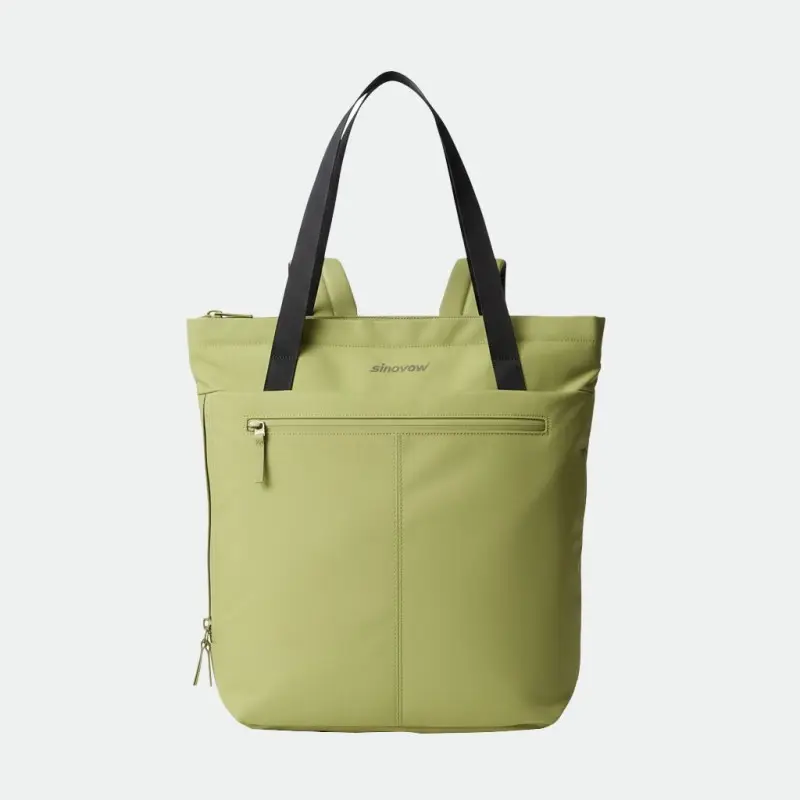
The modern travel bag has evolved dramatically over the past decade, driven by innovations in material science and engineering design. Today's travel bag solutions combine advanced fabrics, reinforced stitching, and structural engineering to deliver exceptional load-bearing capacity. For businesses, logistics providers, and consumers who rely on travel bags daily, understanding how material improvements translate to strength and durability has become essential. The investment in better travel bag construction directly impacts operational efficiency, product longevity, and overall cost-effectiveness.
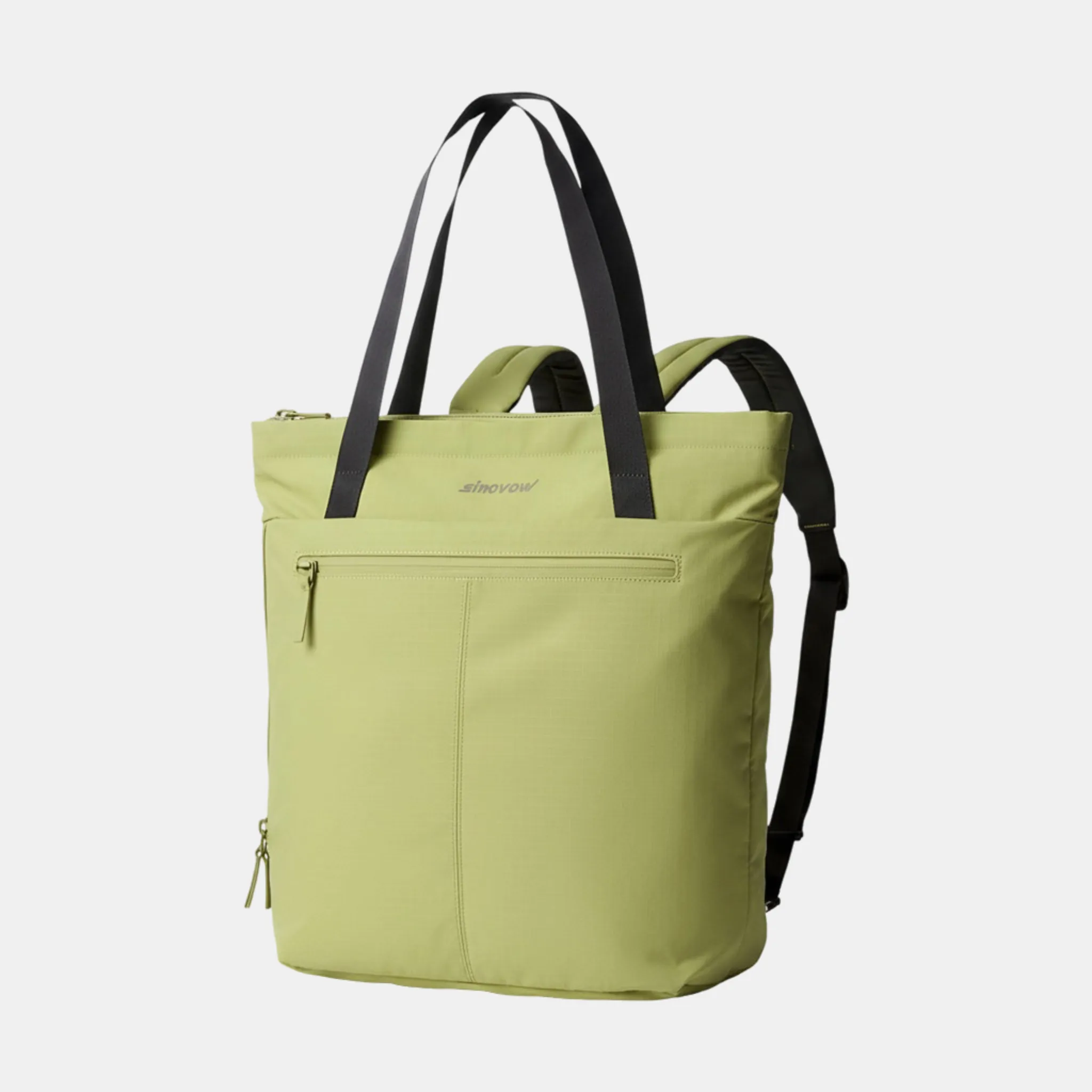
Material science has fundamentally transformed how manufacturers engineer travel bag products to handle demanding conditions. Whether for commercial shipping, personal transport, or industrial applications, the evolution of travel bag materials reflects a commitment to performance under stress. Modern fabric blends, synthetic reinforcements, and base-layer innovations now enable travel bag designs that withstand far greater weights and abrasion than traditional options. This article explores the key material advancements that enhance travel bag load-bearing strength and what these improvements mean for end users.
Advanced Fabric Blends and Synthetic Reinforcements
Polyester and Nylon Dominance in Travel Bag Construction
Polyester and nylon have become the backbone of premium travel bag manufacturing because they offer superior tensile strength compared to natural fibers. These synthetic materials resist moisture, maintain structural integrity under pressure, and degrade slowly over time, making them ideal for a travel bag intended to endure repeated use. Nylon, in particular, exhibits exceptional abrasion resistance and flexibility, allowing travel bag designs to distribute loads more evenly across the fabric surface. Modern travel bag manufacturers often blend polyester and nylon at specific ratios to achieve optimal strength-to-weight performance.
The travel bag industry has adopted specialized weaving techniques that align fibers to maximize tensile strength in critical load-bearing zones. Double-weave and ripstop constructions are now standard features in high-performance travel bag products, significantly reducing tear propagation when stress concentrates at seams or edges. A quality travel bag using these advanced blends can typically support two to three times the load of older natural-fiber alternatives, transforming how businesses approach transport logistics and personal travel planning.
Coating Technologies that Reinforce Travel Bag Durability
Water-resistant and UV-protective coatings represent a crucial layer of technology in modern travel bag design. These coatings bond to the synthetic base fabric, creating a protective barrier that prevents moisture penetration and environmental degradation. For travel bag applications exposed to varied weather conditions or harsh industrial environments, coating quality directly correlates with structural longevity and load-bearing reliability. Polyurethane and silicone coatings are now industry standards because they bond securely to synthetic fibers without compromising fabric flexibility.
The durability advantage of coated travel bag materials extends beyond weather resistance. Coatings reduce frictional degradation between the travel bag and abrasive surfaces during transport, preventing micro-tears that compound under repeated loading cycles. Additionally, treated travel bag fabrics maintain their structural properties longer, preserving load-bearing strength throughout the product's lifecycle. This advancement has reduced replacement frequency and total cost of ownership for organizations managing large fleets of travel bags.
Reinforced Stitching and Structural Engineering
Multi-Ply Stitching Patterns in High-Strength Travel Bags
Stitching quality is often underestimated in travel bag construction, yet it represents the interface where load-bearing strength is tested first. Modern travel bag manufacturers employ multi-ply stitching patterns using bonded thread made from synthetic fibers, creating seams that rival the fabric's own tensile strength. Premium travel bag designs feature lock-stitch and chain-stitch combinations that distribute stress across multiple thread layers, preventing catastrophic seam failure under peak loads. The distance between stitches and thread diameter are precisely calculated for each travel bag application to ensure optimal strength without over-stitching.
Advanced travel bag designs incorporate reinforced stitching at strategic stress points such as handles, base corners, and side seams. These critical zones receive additional thread passes and sometimes specialty stitching patterns like box-stitching or cross-hatching to create redundancy. A well-designed travel bag with reinforced stitching can distribute concentrated loads across larger surface areas, preventing localized failure even when weight distribution is uneven. This structural philosophy has become standard in commercial-grade travel bag manufacturing.
Base Panel Reinforcement and Load Distribution
The base of a travel bag experiences disproportionate stress as weight concentrates downward during storage and transport. Modern travel bag engineers now incorporate thicker or multi-layer base panels specifically designed to disperse this concentrated load across the entire structure. Double-stitched or triple-stitched base reinforcement, combined with specialized base fabric composed of higher-denier materials, creates a foundation capable of handling extreme weight concentrations. This travel bag innovation addresses a common failure point in traditional designs where base seams separated under stress.
Load-spreading technology in contemporary travel bag design also includes curved or contoured base structures that naturally distribute pressure more evenly. By engineering the base to slightly arch or distribute contact pressure across a wider footprint, a travel bag can support greater absolute loads while reducing stress at individual attachment points. This biomechanical approach to travel bag design has proven particularly effective in industrial and logistics applications where consistent, predictable performance under heavy loads is non-negotiable.
Material Testing and Performance Standards
Tensile Strength Metrics and Travel Bag Certification
The travel bag industry now employs rigorous testing protocols that quantify material performance under standardized conditions. Tensile strength testing measures the maximum force a travel bag fabric can withstand before tearing, typically expressed in pounds per linear inch or similar metrics. Modern travel bag manufacturers conduct these tests on both virgin material and after simulated aging, allowing accurate predictions of long-term performance. Certification programs validate that travel bag products meet specified strength thresholds, providing buyers with confidence in load-bearing capacity.
Beyond simple tensile testing, advanced travel bag evaluation includes tear propagation resistance, seam strength testing, and cyclic loading assessments. These comprehensive tests simulate real-world conditions more accurately than single-metric evaluations, ensuring that travel bag products perform reliably in diverse applications. Third-party certification of travel bag materials has become a market differentiator, signaling manufacturer commitment to quality and performance transparency. Organizations selecting travel bag solutions increasingly prioritize certified options because certification eliminates ambiguity around actual load-bearing capacity.
Real-World Performance Data and Travel Bag Reliability
Field performance data collected from deployed travel bag products provides invaluable insights into material durability under actual conditions. Manufacturers and logistics providers track failure rates, typical load distributions, and environmental exposures to continuously improve travel bag designs. This empirical data has driven recent innovations, such as reinforced handle attachment points and improved base stitching patterns that address failure modes identified in deployed travel bag populations. Feedback loops between end users and manufacturers ensure that travel bag materials evolve to meet genuine operational needs.
Modern travel bag products benefit from decades of accumulated performance data, allowing engineers to optimize material selections with confidence. Advanced analytics now predict which travel bag designs will succeed in specific environments, reducing product development cycles and accelerating innovations to market. Organizations adopting latest-generation travel bag solutions based on proven performance data experience measurably lower failure rates and longer operational lifespan compared to older products. This convergence of material science, testing rigor, and real-world validation has elevated travel bag reliability to unprecedented levels.
FAQ
What materials provide the best load-bearing strength in a travel bag?
High-denier nylon and polyester blends represent the industry standard for load-bearing travel bag applications. When combined with reinforced stitching, protective coatings, and structural base reinforcement, these materials create travel bag products capable of handling substantial loads. The specific material composition varies by application, but premium travel bag solutions typically feature polyester-nylon blends at 600 to 1200 denier weights, providing the optimal balance between strength, weight, and flexibility.
How do coatings improve travel bag strength and durability?
Water-resistant and protective coatings seal the travel bag fabric surface, preventing moisture penetration that weakens synthetic fibers over time. These coatings also reduce surface abrasion and frictional degradation during transport, preserving the travel bag's structural integrity. Additionally, UV-protective coatings prevent photochemical degradation, ensuring that a travel bag maintains its load-bearing capacity even after extended exposure to sunlight. Together, these coating technologies extend travel bag lifespan significantly.
How can buyers identify travel bags with superior load-bearing capacity?
Look for travel bag products with third-party certifications, published tensile strength specifications, and reinforced construction details such as multi-ply stitching and reinforced base panels. Manufacturers of quality travel bag products typically provide denier ratings, material composition details, and testing results. Additionally, inspect the travel bag's handle attachment design and base seam construction, as these details directly indicate engineering attention to load-bearing stress points. Customer reviews and field performance data also provide reliable indicators of real-world travel bag reliability.