 EN
EN

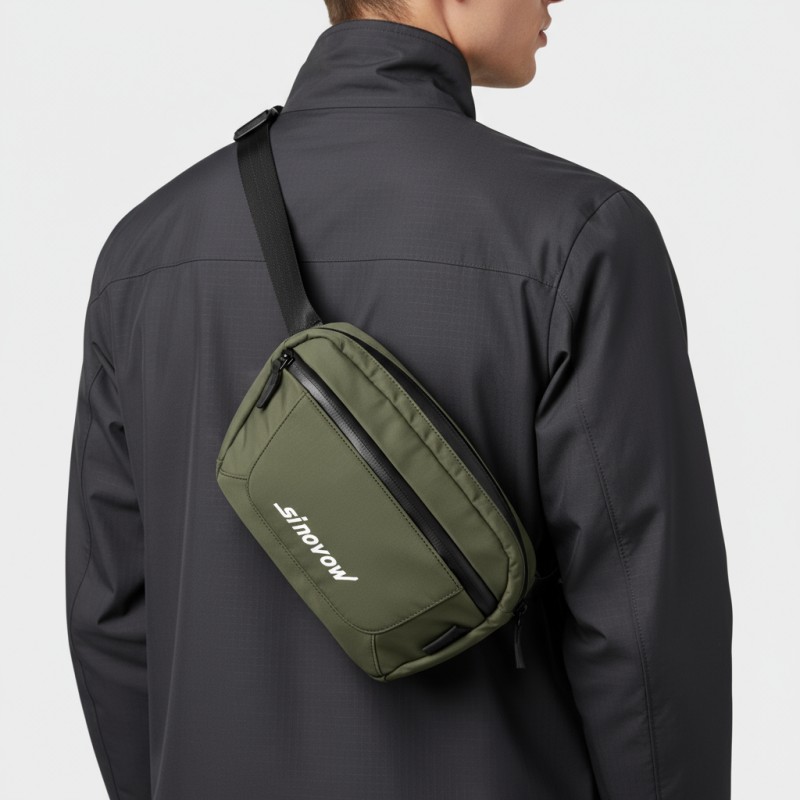
The Sling Bag has evolved far beyond its original role as a simple carry-all. Today, the sling bag is a staple for urban commuters, travelers, students, and outdoor enthusiasts who need hands-free convenience without sacrificing security. As street-level theft and opportunistic pickpocketing continue to rise in crowded cities and transit hubs, the demand for smarter, more secure everyday carry solutions has pushed designers to embed meaningful anti-theft technology directly into sling bag construction.
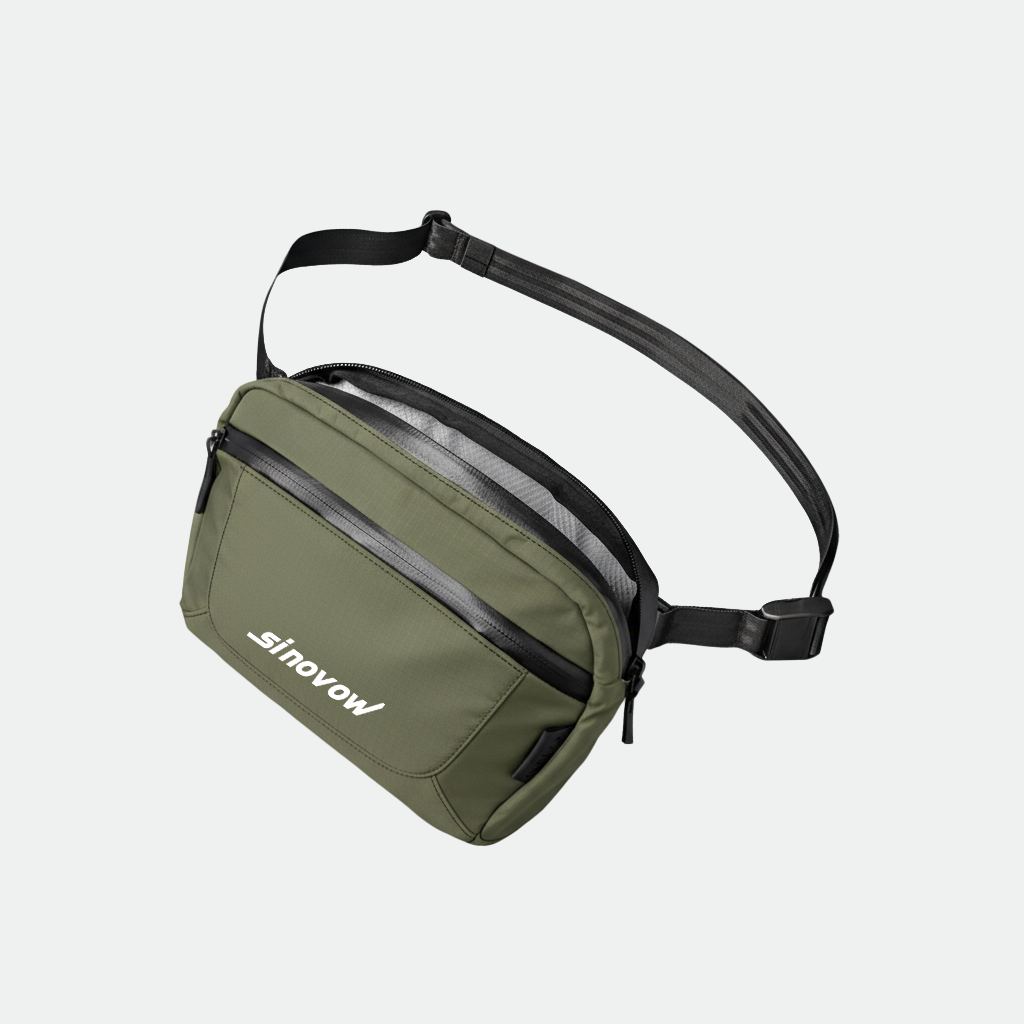
Understanding why anti-theft features are becoming standard in sling bag designs requires looking at both the shifting behavior of modern users and the practical vulnerabilities that a sling bag presents when worn in high-risk environments. Consumers no longer treat security as a premium add-on — they expect it as a baseline feature. This shift in expectation has fundamentally changed what a well-designed sling bag looks like, feels like, and performs like in daily use.
The Rise of Security-Conscious Sling Bag Users
Urban Mobility and Exposure to Risk
Modern sling bag users are highly mobile. They move through subway stations, airports, crowded markets, and festival grounds where unattended zippers and exposed pockets are easy targets. A sling bag worn across the chest or back sits in a position that its owner cannot always monitor directly, making it inherently more vulnerable than a bag held in hand. Thieves have long exploited this blind-spot advantage, using quick slashes or silent zipper pulls to access sling bag contents within seconds.
This exposure has driven a significant behavioral shift among buyers. Consumers researching a sling bag now actively look for terms like 'hidden pocket,' 'slash-resistant,' and 'lockable zipper' before making a purchase decision. The sling bag market has responded by treating anti-theft engineering not as a niche category but as a competitive necessity. Brands that fail to address security in their sling bag designs increasingly find themselves losing relevance with security-aware buyers.
Changing Traveler Profiles
The typical sling bag user today carries more valuables than ever before. A single sling bag trip might involve a smartphone, wireless earbuds, a passport, credit cards, portable chargers, and a tablet. The dollar value packed into a compact sling bag has increased dramatically, making it a higher-priority target for theft. Travelers especially recognize this risk and have started treating the sling bag as a personal safe rather than a casual carrier.
Key Anti-Theft Features Now Built Into Sling Bag Designs
Hidden Compartments and Back-Panel Access
One of the most effective anti-theft strategies adopted in modern sling bag design is the placement of main compartments against the body. Many contemporary sling bag models position the primary zipper entry on the panel that faces the wearer's back or chest, making it nearly impossible for a stranger to open the sling bag without the wearer noticing. This back-panel sling bag architecture has become one of the most sought-after design elements in the security-conscious market segment.
Hidden interior pockets add another layer of protection. A well-designed sling bag will often feature a slim, concealed RFID-blocking pocket that holds cards and passports away from both physical theft and electronic skimming. This means a single sling bag can protect against both traditional pickpocketing and digital forms of identity theft, which have grown significantly as contactless payment technology has expanded.
Cut-Resistant Materials and Locking Mechanisms
Slash-and-grab theft, where a thief cuts through a bag strap or panel to steal contents quickly, has prompted sling bag manufacturers to integrate cut-resistant materials such as reinforced nylon webbing and steel-wire-lined panels. A sling bag built with these materials cannot be cleanly sliced open in the way older fabric-only bags could. The strap of such a sling bag is similarly reinforced, preventing the bag from being yanked away with a single cut.
Lockable zippers represent another growing standard in sling bag design. These are zipper pulls that can be secured with small combination locks or that lock into a fixed loop so they cannot be silently opened. For travelers who rest or use public transit, a sling bag with lockable zippers provides measurable peace of mind without adding significant weight or complexity to the carry experience.
How Anti-Theft Design Affects Everyday Sling Bag Usability
Balancing Security With Convenience
A common concern among sling bag buyers is whether anti-theft features come at the cost of convenience. Early security-focused designs sometimes made the sling bag cumbersome to open, with multiple layers of closures that slowed down access to everyday items. Modern sling bag designers have addressed this by engineering tiered access systems — quick-access outer pockets for items like transit cards and earbuds, and more secure inner compartments for passports and devices.
The result is a sling bag that adapts to the context of use. In a trusted environment, the sling bag functions just like any other casual carry bag. In a high-risk area, the same sling bag can be worn chest-facing with all high-value items tucked into secured compartments. This contextual flexibility is one of the key reasons anti-theft sling bag designs are now mainstream rather than niche.
Water Resistance as a Complementary Security Feature
Water-resistant exteriors are increasingly bundled with anti-theft features in the modern sling bag. A water-resistant sling bag protects electronics and documents from rain, spills, and humid environments, extending the protective mission of the bag beyond theft prevention. For users who rely on a single sling bag across multiple environments — from office commutes to weekend travel — water resistance is as important as slash resistance in evaluating overall security performance.
The convergence of these features in a single sling bag reflects a broader shift in consumer expectations. Buyers increasingly evaluate a sling bag on a multi-dimensional security framework that includes physical theft protection, environmental resistance, RFID shielding, and structural durability. Each of these qualities reinforces the others, making the anti-theft sling bag a genuinely holistic solution for modern everyday carry needs.
FAQ
What makes a sling bag anti-theft compared to a regular bag?
An anti-theft sling bag typically includes hidden or back-panel zippers, RFID-blocking pockets, cut-resistant straps and panels, and lockable zipper pulls. These features work together to prevent both physical and electronic theft, making the sling bag significantly more secure than a standard carry bag with open or front-facing access points.
Is a sling bag suitable for international travel as an anti-theft option?
Yes, a well-designed anti-theft sling bag is excellent for international travel. Its compact size, body-hugging fit, and secure compartments make it easy to monitor while navigating airports, transit systems, and tourist areas. Look for a sling bag with RFID protection and water-resistant fabric for the best all-round travel performance.
How do I know if a sling bag has genuine anti-theft construction?
Check for specific structural details: a back-panel or chest-facing main compartment, reinforced shoulder straps with embedded steel wire, RFID-lined card slots, and zipper pulls that lock or clip securely. A genuinely anti-theft sling bag will describe these construction elements explicitly rather than using vague marketing language around 'security.'