 EN
EN

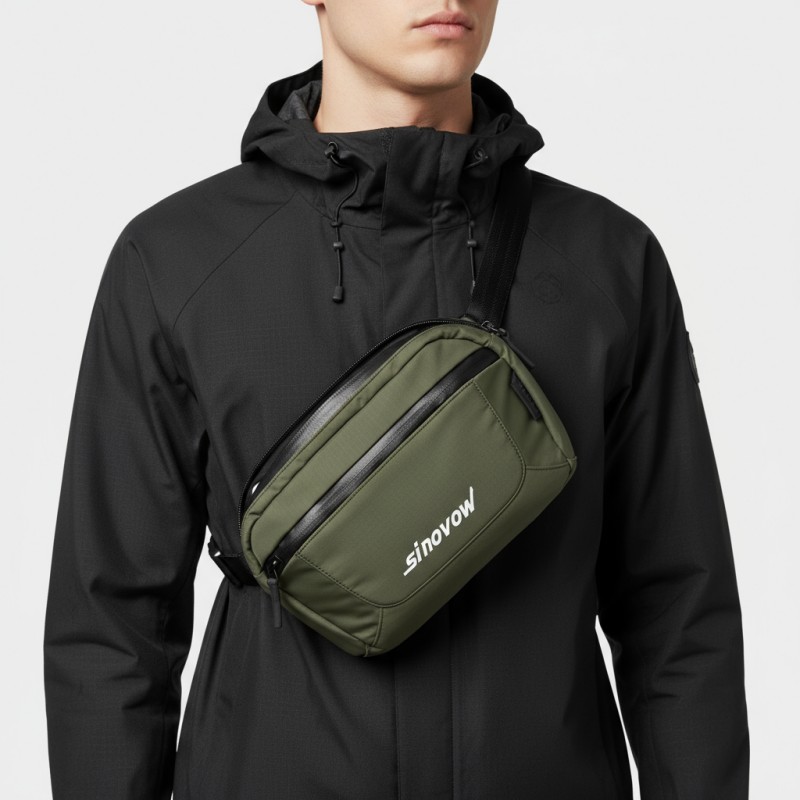
A sling bag has steadily become one of the most preferred carry solutions for modern users who value both mobility and organization. Unlike traditional compact bags that sacrifice structure for size, a sling bag is designed to deliver quick access, body-friendly ergonomics, and smart storage in one streamlined form. Understanding what separates a sling bag from older compact bag formats helps buyers make smarter choices for travel, commuting, or daily errands.
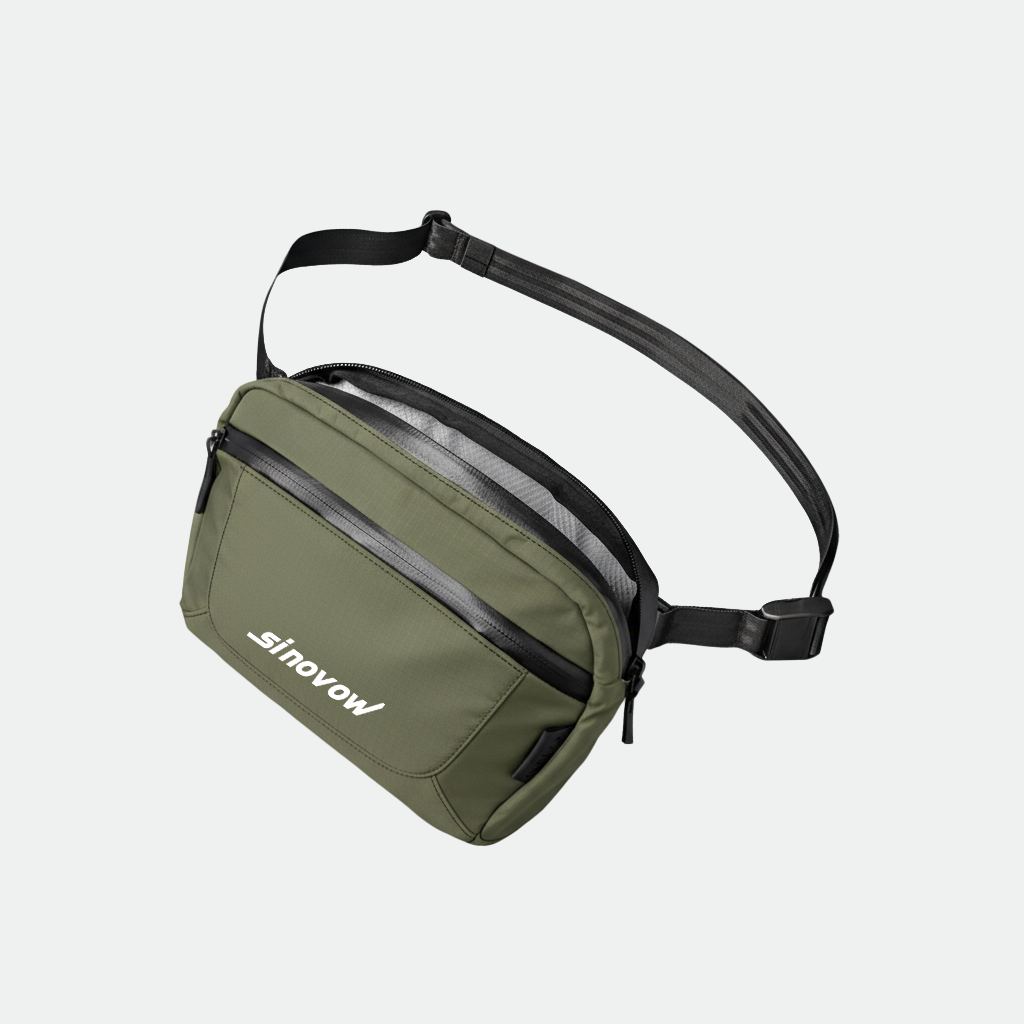
The appeal of a sling bag goes well beyond aesthetics. A sling bag is engineered to move with the body rather than hang awkwardly from a shoulder or wrist. Whether you are navigating a busy airport, commuting through a city, or exploring an outdoor trail, a sling bag provides a level of practical functionality that most traditional compact bags simply cannot match. This article breaks down exactly what makes a sling bag a functionally superior choice.
Ergonomic Design and Body-Aligned Carry
How a Sling Bag Distributes Weight
One of the most immediate functional advantages of a sling bag is how it distributes weight across the torso. A traditional compact bag typically hangs from one shoulder or rests in the hand, creating uneven pressure points over time. A sling bag, by contrast, crosses the body diagonally, allowing weight to spread more evenly across the back and chest. This makes a sling bag significantly more comfortable during extended wear, especially for users carrying electronics, water bottles, or travel documents.
A sling bag also adapts naturally to movement. When a user turns, bends, or accelerates through a crowd, the sling bag moves with the body rather than swinging freely. This stability makes a sling bag a safer and more secure option compared to a loosely held compact pouch or a single-strap shoulder bag that shifts constantly.
Front-Swing Access Feature
Perhaps the most praised functional feature of a sling bag is its ability to swing from back to front without being removed. A traditional compact bag requires the user to fully remove it, open it, retrieve items, and then put it back on. A sling bag eliminates this process entirely. With one smooth motion, the sling bag rotates to the chest position, giving the user full access to all compartments while keeping both hands free immediately after. This is especially useful in transit environments, crowded markets, or situations requiring frequent item retrieval.
Smart Storage and Compartment Efficiency
Organized Internal Layout of a Sling Bag
A well-designed sling bag typically features multiple dedicated compartments that allow users to separate and organize their belongings with precision. Traditional compact bags often offer a single main cavity with limited internal structure, forcing users to dig through loose items. A sling bag instead provides distinct zones for items like phones, cards, keys, cables, and small accessories. This organized layout transforms a sling bag from a simple carrier into a mobile personal management system.
Many sling bag designs also include hidden or anti-theft pockets positioned close to the body. These concealed compartments add a layer of security that a conventional compact bag rarely offers. For travelers and urban commuters, this makes a sling bag a practical security tool as much as a storage solution. A sling bag with a water-resistant exterior further protects contents from unexpected rain or splashes, adding yet another layer of everyday utility.
Capacity Relative to Compact Size
A sling bag achieves an impressive capacity-to-size ratio that most traditional compact bags cannot replicate. Despite its slim and streamlined silhouette, a sling bag can comfortably carry a tablet, a compact camera, a collapsible water bottle, travel documents, and personal care items all at once. Traditional compact bags at a similar size often struggle to hold more than a few loose items without becoming unstructured and difficult to close. The sling bag's vertical or angled layout maximizes internal volume while keeping the outer profile trim and unobtrusive.
Versatility Across Use Cases
Travel and Commuting With a Sling Bag
A sling bag performs exceptionally well in travel environments where convenience and security matter most. Airports, train stations, and tourist-heavy destinations all present scenarios where a sling bag outperforms traditional compact alternatives. The sling bag stays close to the body, resists opportunistic theft, and provides rapid access to boarding passes, passports, and payment methods. For frequent travelers, carrying a sling bag as a personal item or secondary carry reduces both stress and the physical burden of managing multiple bags.
Daily commuters also benefit significantly from using a sling bag. A sling bag fits comfortably between the body and a crowded bus or train seat without requiring removal. When commuters need to swipe a transit card or check their phone, the sling bag swings forward smoothly. This level of fluid integration into daily routines is something that a rigid compact bag or a bulky tote simply cannot offer. A sling bag becomes less of a bag and more of a functional extension of the user's everyday workflow.
Casual Lifestyle and Outdoor Use
Beyond professional and travel contexts, a sling bag also excels in casual lifestyle scenarios. Weekend trips, outdoor markets, hiking short trails, or attending events all benefit from the hands-free mobility that a sling bag provides. A sling bag does not restrict arm movement or require constant repositioning. Users can carry a sling bag throughout an entire day of varied activity without discomfort or inconvenience. This adaptability across very different contexts is precisely what elevates a sling bag above more purpose-limited compact bag designs.
A sling bag also tends to project a clean, contemporary aesthetic that works across casual, athletic, and semi-professional settings. Traditional compact bags often look out of place in certain environments, but a sling bag transitions smoothly between contexts. This visual versatility, combined with its practical strengths, makes a sling bag a genuinely multi-purpose investment for a wide range of users.
FAQ
Is a sling bag suitable for everyday use?
Yes, a sling bag is highly suitable for everyday use. Its organized compartments, ergonomic carry style, and quick-access design make a sling bag an ideal companion for commuting, shopping, running errands, or any daily activity that requires carrying essentials without the bulk of a full backpack.
How is a sling bag different from a crossbody bag?
A sling bag and a crossbody bag share the diagonal carry style, but a sling bag is typically chest-forward and designed for front-swing access. A sling bag emphasizes tactical functionality and compact organization, while traditional crossbody bags often prioritize fashion. A sling bag is generally better suited for active use and travel scenarios.
Can a sling bag hold a tablet or small laptop?
Many sling bag models include a dedicated padded compartment designed to accommodate tablets up to ten inches. While a sling bag is not intended for full-sized laptops, it comfortably fits most compact tablets, e-readers, and small electronic devices alongside other everyday essentials, making it a practical tech-carry solution.