 EN
EN

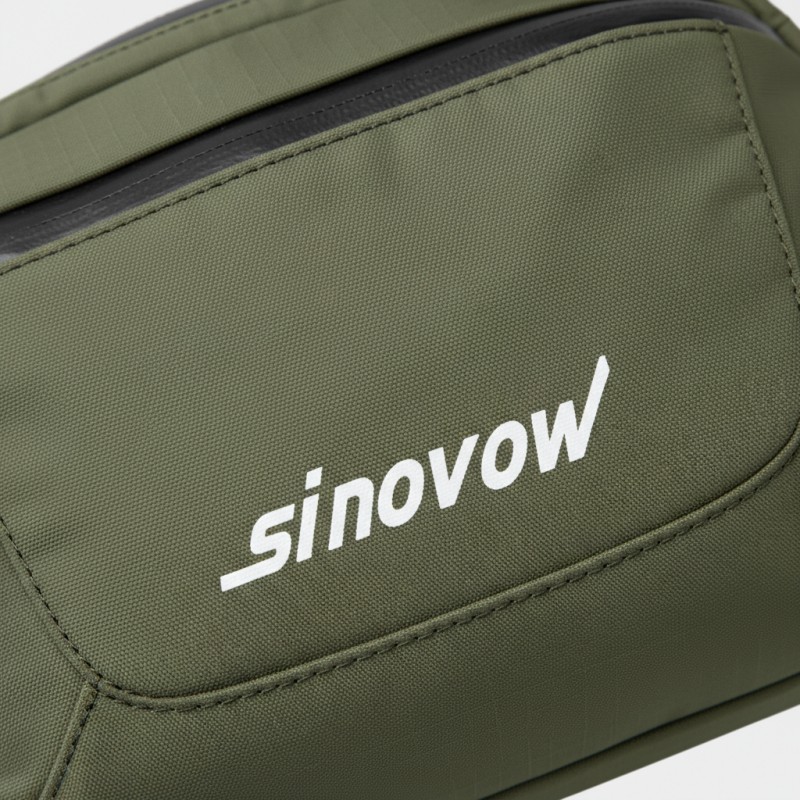
A sling bag has become one of the most practical carry solutions for people who move through busy days without wanting to deal with bulky backpacks or rigid structured totes. Whether you are commuting through a crowded city, running weekend errands, or traveling between destinations, a sling bag sits close to your body and keeps your most-used items genuinely accessible. The design is not merely a fashion statement — it is a functional choice that changes how quickly and confidently you can reach what you need.
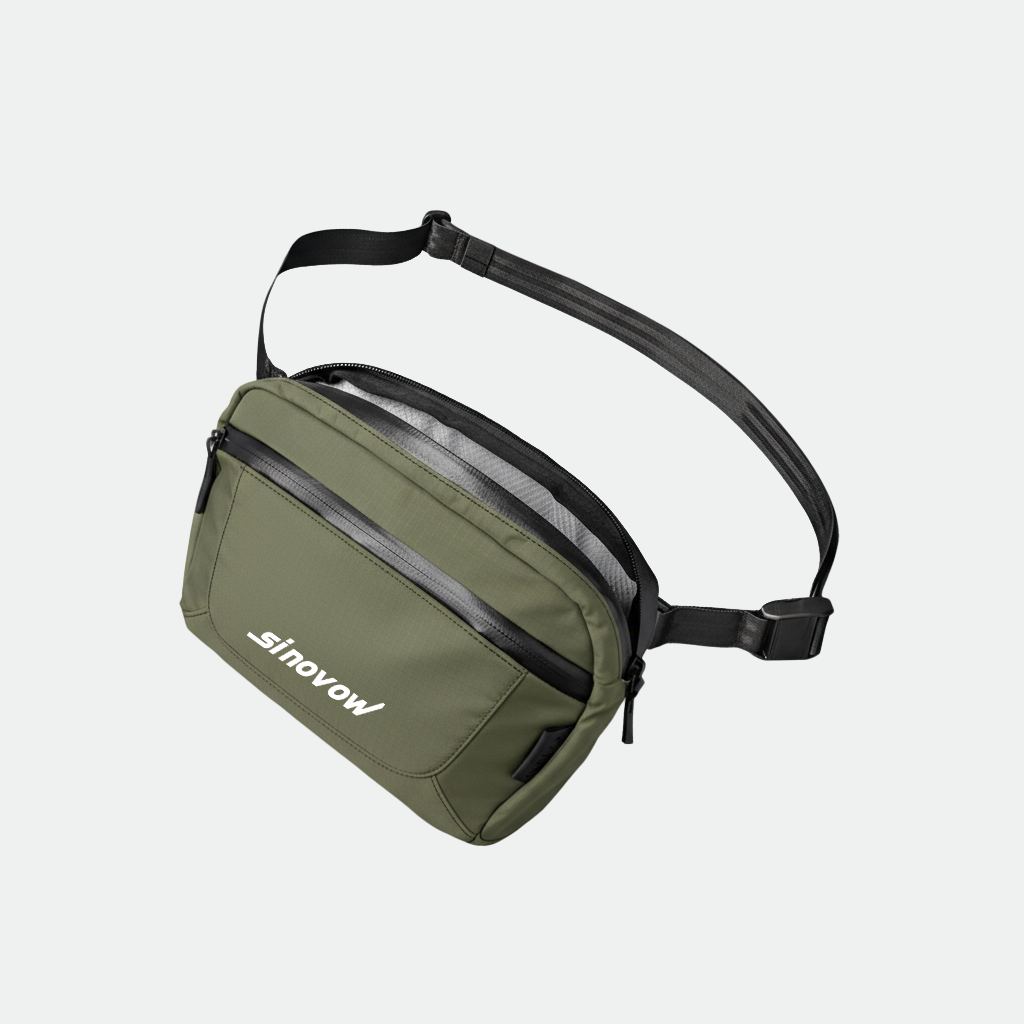
Understanding how a sling bag improves accessibility starts with looking at its structure, positioning, and the way it interacts with your movement throughout the day. Unlike a traditional backpack that requires you to remove it entirely or a shoulder bag that slips and shifts constantly, a sling bag is engineered to rotate from your back to your front in seconds. This single mechanical advantage makes a sling bag far more useful than it might first appear, especially when daily life demands frequent, quick access to essentials like a phone, transit card, wallet, or keys.
The Structural Advantage of a Sling Bag
Single-Strap Design and Body Positioning
The core structural feature that sets a sling bag apart is its single diagonal strap, which crosses the torso and anchors the bag against the body. This positioning keeps the sling bag stable during movement and prevents the kind of constant shifting that undermines accessibility with other bag types. Because the sling bag rests snugly against your chest or back, you always know exactly where it is without having to search or adjust.
When you need to access your essentials, the sling bag simply rotates forward along the strap. This motion is smooth, requires no stopping, and can be done with one hand. For someone navigating a subway turnstile, paying at a checkout counter, or pulling out a boarding pass at an airport gate, a sling bag makes those moments considerably less stressful. The sling bag essentially brings your belongings to you rather than requiring you to dig through layers of packing.
Compartment Layout and Internal Organization
A well-designed sling bag typically features a main compartment paired with one or more front pockets and sometimes a rear security pocket. This layout mirrors a hierarchy of access — items you need most often sit in the front pocket, while less-frequently reached items stay in the main compartment. Because a sling bag is smaller than a traditional backpack, it naturally forces a discipline of carrying only what truly matters, which itself speeds up daily retrieval.
Many sling bag designs also include dedicated slots for phones, cards, and small accessories. These built-in organizers mean your daily essentials each have an assigned place, eliminating the frustrating habit of rummaging through a loosely packed bag. When every item in a sling bag has a fixed location, your hand goes directly to what you need, even without looking.
How a Sling Bag Supports Different Daily Scenarios
Urban Commuting and Transit Use
In urban environments, a sling bag proves its value constantly. Standing on a crowded train or bus, you can keep a sling bag pressed to your front, making it both accessible and secure. Reaching for a transit card or earphones takes a matter of seconds because the sling bag stays positioned right where you placed it. Commuters who have switched from larger bags to a sling bag frequently report that the transition reduces morning stress because there is simply less to manage.
A sling bag also reduces the physical burden on the shoulders and back compared to heavier bag styles. Because the sling bag distributes weight diagonally across the torso, the load feels lighter and more balanced during long commutes. Comfort and accessibility reinforce each other — when carrying a sling bag does not cause fatigue, you are more likely to keep it properly positioned, which keeps your essentials within reach.
Travel and Outdoor Mobility
When traveling, a sling bag serves as the ideal companion for day trips, airport transfers, and exploring unfamiliar areas. A sling bag keeps passports, boarding passes, and local currency accessible without requiring you to stop and open a large bag each time. Water-resistant sling bag models add another layer of practical reliability by protecting contents from unexpected rain or spills, which is particularly relevant when traveling through varied environments.
Outdoor settings such as hiking trails, markets, and tourist areas also benefit from the sling bag format. The hands-free design of a sling bag allows freedom of movement while ensuring that a camera, snack, or map remains close at hand. Because a sling bag keeps items consolidated in one compact unit, the chance of forgetting or misplacing a daily essential is significantly reduced compared to juggling multiple bags or pockets.
Choosing the Right Sling Bag for Maximum Accessibility
Size, Material, and Strap Adjustability
The right sling bag size depends on what you carry daily. A compact sling bag suited for a phone, wallet, and keys will feel lighter and rotate more fluidly than an oversized version crammed with unnecessary items. Choosing a sling bag that fits your actual daily essentials — rather than your maximum possible load — is the single most effective way to preserve quick-access functionality.
Material matters for durability and weather resistance. A sling bag made from water-resistant fabric protects your essentials from moisture without adding significant weight. Strap adjustability is equally important because a properly fitted sling bag sits at the right height on your body, which directly affects how naturally and quickly it rotates to the front. A sling bag that hangs too low or sits too high requires extra effort to access, defeating its core purpose.
Security Features That Support Confident Access
Modern sling bag designs often include hidden or rear-facing pockets intended for high-value items like passports or extra cash. These security features allow a sling bag to serve both as a quick-access tool and as a discreet secure carrier. Knowing that your most sensitive essentials are safely stored in a dedicated sling bag pocket allows you to use the main compartment freely and confidently without second-guessing every reach.
Zipper quality is another practical consideration. A sling bag with smooth, reliable zippers allows one-handed opening and closing, which is central to the accessibility promise of the format. When the mechanical components of a sling bag work fluidly, the entire experience of reaching for daily essentials becomes seamless rather than effortful.
FAQ
Can a sling bag hold all my daily essentials comfortably?
Yes. A sling bag is designed to carry the core items most people use daily — a phone, wallet, keys, earphones, a small water bottle, and similar essentials. The key is choosing a sling bag sized appropriately for your specific needs. An overpacked sling bag becomes harder to rotate and access, so matching the bag capacity to your actual carry load is important for maintaining the accessibility benefit.
Is a sling bag suitable for both work commutes and casual travel?
A sling bag is highly versatile and transitions naturally between commuting and travel scenarios. Many sling bag users carry it daily for commutes and then rely on the same bag during weekend trips or short-haul travel. The compact, organized format of a sling bag makes it practical across a wide range of daily and travel situations without requiring you to switch between different bag types.
How do I keep a sling bag secure in crowded public spaces?
In crowded areas, rotate your sling bag to the front of your body so that the main compartment faces you. This positioning makes it nearly impossible for anyone to access your sling bag without your awareness. Many sling bag models also include lockable zippers or hidden pockets that add a second layer of security. Keeping the sling bag pressed against your chest in transit is the simplest and most effective approach.