 EN
EN

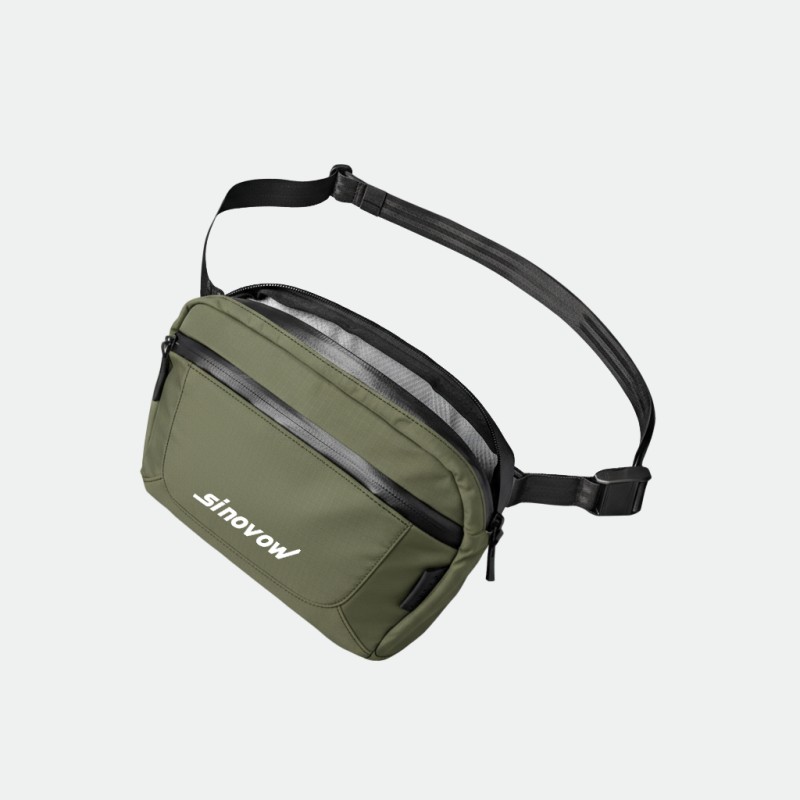
The sling bag has quietly become one of the most recognizable accessories in urban environments. From morning commutes on crowded subway cars to quick runs between co-working spaces and coffee shops, the sling bag is showing up everywhere. Its compact form, hands-free convenience, and adaptable style have made it a practical choice for city dwellers who value both function and aesthetics.
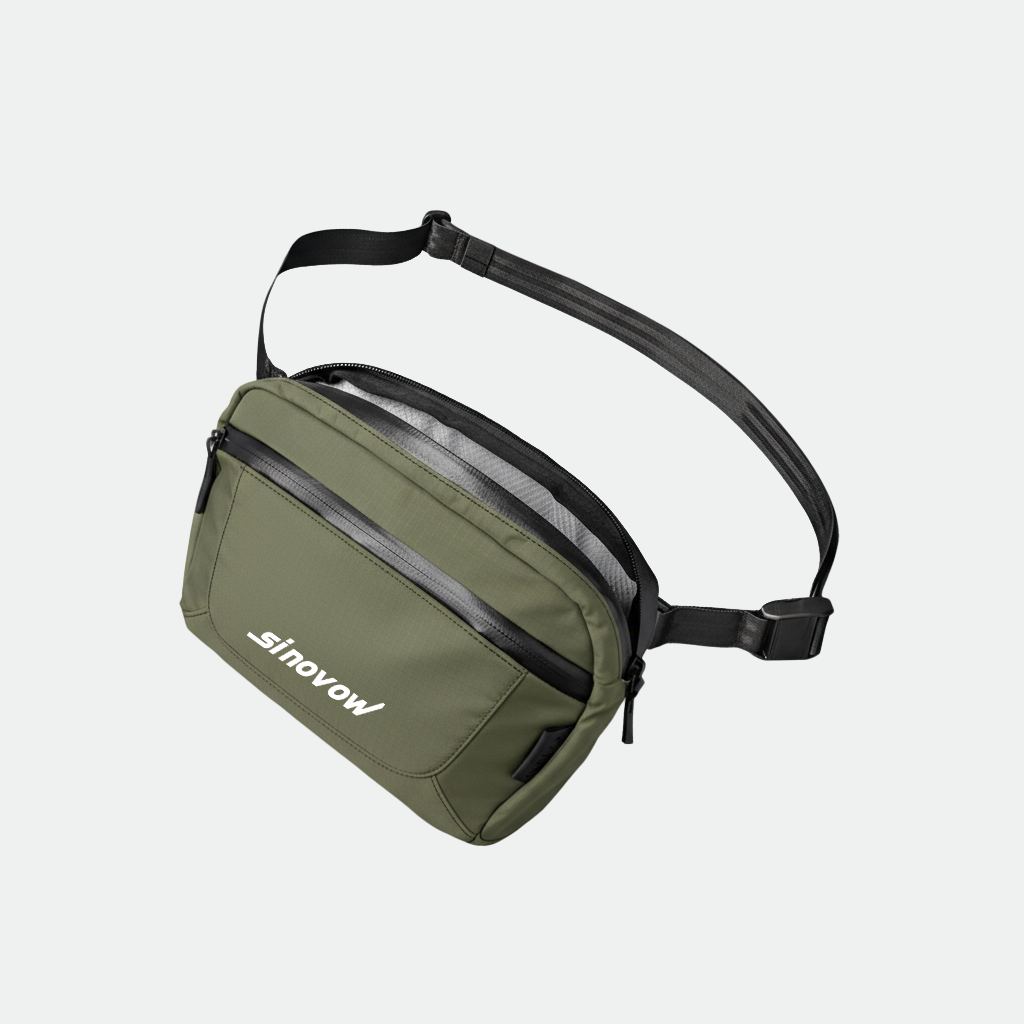
Understanding why the sling bag is thriving in urban mobility scenarios means looking at the intersection of changing commuter habits, evolving design principles, and shifting lifestyle expectations. This is not simply a fashion trend. The sling bag addresses real functional gaps that larger backpacks and traditional shoulder bags leave behind, and urban consumers are recognizing that value more clearly than ever before.
The Urban Mobility Shift Driving Sling Bag Demand
How City Living Has Redefined What Commuters Carry
Urban commuters today carry less but move faster. The shift toward lightweight personal tech, digital payments, and on-demand services has reduced the physical load that people need to transport daily. A sling bag fits this new reality precisely. It carries a phone, a slim wallet, a portable charger, earbuds, and a water bottle without adding bulk or strain. For the modern city commuter, a sling bag represents the right volume at the right weight.
Public transportation, ride-sharing, and cycling infrastructure have all expanded in major cities. In these environments, oversized bags become liabilities. A sling bag can be worn across the chest while navigating turnstiles, slipped off quickly when sitting in a tight train seat, and repositioned in seconds when space is limited. That kind of physical agility is something a backpack or tote simply cannot offer at the same level.
The Role of Micro-Mobility in Sling Bag Popularity
The rise of e-scooters, electric bikes, and bikeshare programs has created a new category of commuter movement that the sling bag suits perfectly. Riders on micro-mobility vehicles need their body weight distributed evenly and their arms free for steering and balance. A sling bag worn as a chest bag keeps the load close to the center of the body and does not interfere with movement the way a swinging shoulder tote would. This functional alignment with micro-mobility trends is a major reason the sling bag has seen such strong adoption among younger urban populations.
Design Features That Make the Sling Bag Ideal for City Use
Compactness, Access Speed, and Anti-Theft Logic
One of the most important design advantages of the sling bag is quick-access ergonomics. When worn across the chest, a sling bag allows the wearer to open compartments and retrieve items without removing the bag. In a busy city environment where speed matters, this feature is not cosmetic but genuinely practical. Commuters can check their phone, pull out a transit card, or grab their keys without breaking stride.
Security is another design dimension where the sling bag excels in urban contexts. When worn at the front of the body, a sling bag keeps valuables visible and under the wearer's direct control. This chest-carry positioning is a known deterrent against pickpocketing, which remains a real concern in densely populated transit zones. The sling bag essentially converts passive carrying into active awareness, which resonates strongly with safety-conscious urban commuters.
Material Choices That Support Urban Durability
Modern sling bag designs increasingly favor water-resistant fabrics, reinforced zippers, and scratch-resistant exteriors. These material choices are direct responses to the urban environment, where sudden rain, crowded bus stops, and hard surfaces are everyday realities. A sling bag built with water-resistant nylon or polyester keeps contents protected without requiring a separate rain cover or special handling. Durability built into the sling bag design reduces maintenance effort and extends the useful life of the product significantly.
Adjustable strap systems have also become a standard design expectation in the sling bag category. Whether the wearer is tall or compact, or shifts the sling bag from back to chest depending on context, strap adjustability ensures comfort across different body types and carry positions. This versatility is a key reason the sling bag has broad demographic appeal in urban markets rather than being limited to any single user profile.
Cultural and Lifestyle Reasons Behind Sling Bag Growth
How Urban Identity Has Embraced the Sling Bag
The sling bag occupies a unique cultural position. It is casual enough for weekend errands but structured enough for a workday commute. This balance between casual and purposeful reflects a broader urban lifestyle shift where rigid distinctions between work and leisure no longer apply to many professionals. The sling bag becomes a physical expression of that fluid lifestyle, suitable for moving seamlessly between different parts of a city day without changing bags.
Street style culture, outdoor recreation trends, and travel minimalism have all contributed to the sling bag's rising cultural profile. Social media visibility has accelerated this adoption as urban consumers see the sling bag worn in travel contexts, hiking trails, and city fashion simultaneously. The sling bag transcends single-context functionality, which is a powerful driver of sustained consumer interest.
The Sling Bag as a Response to Practical Urban Pain Points
Urban environments create specific pain points around carrying. Back pain from heavy backpacks, shoulder fatigue from tote bags, and the inconvenience of rummaging through deep compartments are all experiences that urban commuters encounter frequently. The sling bag addresses each of these issues directly. Its single-strap, body-hugging design distributes weight more evenly across the torso when adjusted correctly, reduces pressure on any single point, and keeps all contents within an accessible, organized space.
For frequent travelers moving through airports or train stations, the sling bag also solves the overhead bin problem. A well-designed sling bag slides under seats easily, fits into personal item dimensions, and eliminates the need to check luggage for short trips. This travel utility reinforces the sling bag's value proposition well beyond the daily commute and into a full range of urban mobility scenarios.
FAQ
What makes a sling bag better than a backpack for urban commuting?
A sling bag is better suited for urban commuting because it offers faster access to contents, takes up less space in crowded transit environments, and can be repositioned from back to chest easily. Unlike a backpack, a sling bag does not require full removal to access items, which saves time and reduces friction during a busy city commute.
Is a sling bag suitable for carrying work essentials?
Yes, a sling bag is suitable for carrying essential work items such as a slim laptop or tablet, phone, charger, notebook, and cards, provided the sling bag has organized compartments and adequate padding. Many modern sling bag designs are specifically built for tech-forward urban professionals who need lightweight carry solutions for daily work travel.
How do I choose the right sling bag for city use?
When choosing a sling bag for city use, prioritize water-resistant material, an adjustable strap, multiple organized pockets, and a size that matches your daily carry volume. A sling bag worn as a chest bag offers added security in crowded spaces. Look for a sling bag that balances capacity with a slim profile to remain comfortable across different urban mobility contexts throughout the day.