 EN
EN

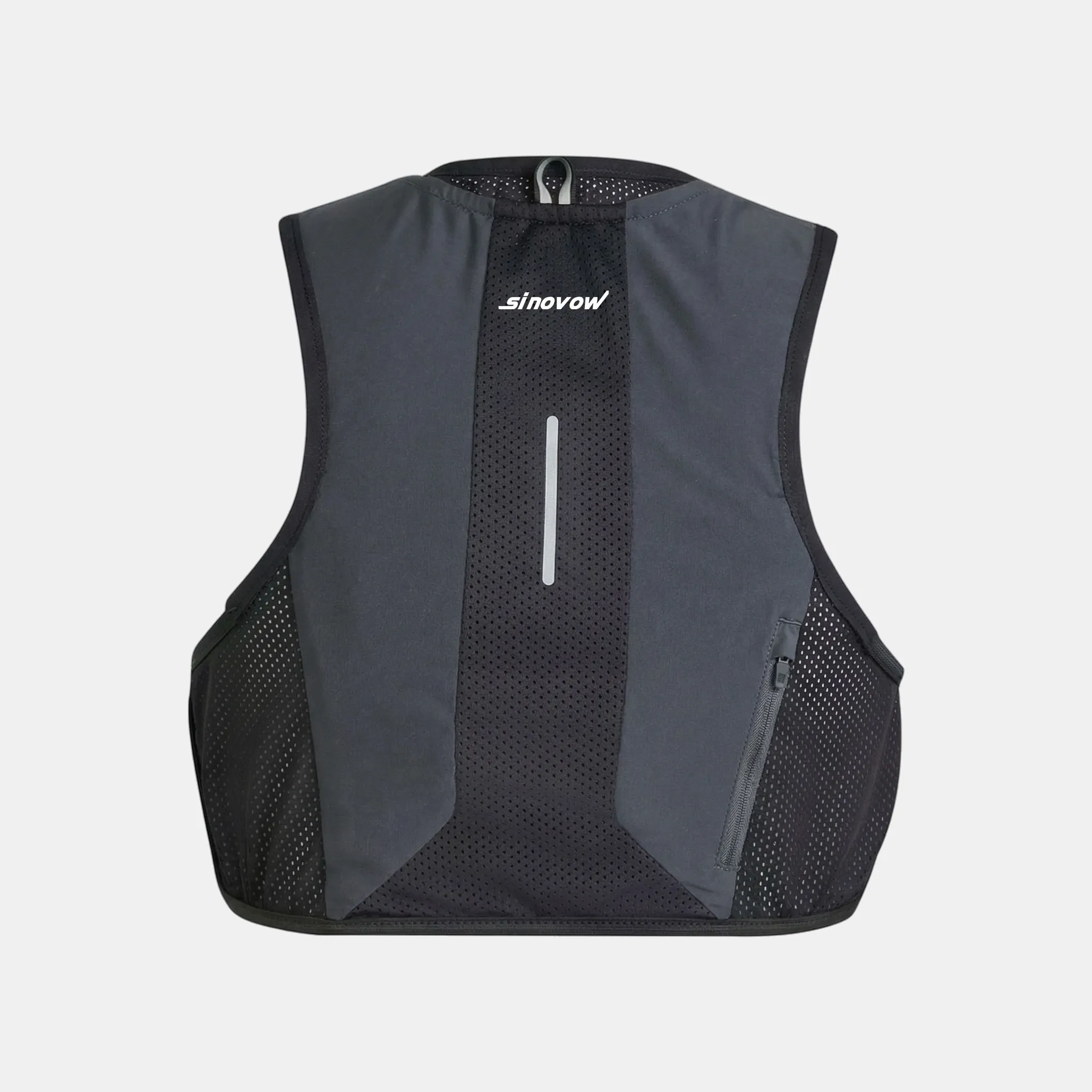 When you lace up your shoes and head out for a run, every piece of gear you wear plays a role in your overall experience. The running vest is one of the most important layers a runner can choose, yet its impact on comfort is often underestimated. A poorly designed running vest traps heat, restricts movement, and turns what should be an energizing session into an exhausting ordeal. Breathable fabric technology changes that equation entirely, transforming how a running vest interacts with your body during physical exertion.
A breathable running vest allows moisture and heat to escape while maintaining a comfortable microclimate against your skin. This balance between ventilation and coverage is what separates a high-performance running vest from a basic layering piece. Whether you are training for a 5K or completing a trail ultra, understanding how breathable fabrics work within a running vest helps you make smarter gear decisions and stay comfortable across varying conditions and distances.
The Science of Breathability in a Running Vest
How Moisture-Wicking Fabric Functions
Breathable fabrics in a running vest work through a combination of moisture-wicking and air-permeable construction. Moisture-wicking refers to the ability of the fabric to pull sweat away from the skin surface and push it outward toward the exterior of the running vest, where it can evaporate more quickly. This process reduces the feeling of clamminess and helps regulate body temperature during intense effort. When sweat sits against your skin inside a non-breathable running vest, it raises the risk of chafing, overheating, and general discomfort that compounds with every kilometer.
Most modern running vest materials use fine synthetic fibers engineered at the microscopic level to create channels that direct moisture outward. These fibers are often lighter than traditional cotton, which means the running vest itself adds minimal weight to your frame. The result is a running vest that feels nearly weightless while actively working to keep you dry and cool throughout your activity.
Mesh Panels and Airflow Design
Beyond fabric composition, the structural design of a running vest contributes significantly to breathability. Strategic mesh panels placed across the back, sides, or under the arms of a running vest allow direct airflow across high-heat zones of the body. These panels are not just ventilation gaps — they are calculated placements based on where the body produces and retains the most heat during running. A well-designed running vest integrates these panels without compromising the structural integrity or storage capacity of the vest itself.
The open weave of mesh sections in a running vest also reduces the total fabric weight, which directly impacts how freely a runner can move. A running vest that moves with the body rather than against it requires less compensatory effort, which conserves energy over long distances. This is especially critical for trail runners and endurance athletes who wear a running vest for several hours at a time.
Comfort Benefits Breathable Fabrics Deliver
Temperature Regulation During Varied Conditions
One of the most practical benefits of a breathable running vest is its ability to adapt to changing environmental conditions. As your pace increases and body heat rises, a breathable running vest accelerates heat dissipation, keeping your core temperature stable. When you slow down or encounter cooler conditions, the same breathable running vest retains just enough warmth to prevent a sudden chill. This dual function makes a breathable running vest far more versatile than either a full jacket or a simple singlet.
Runners who transition between shaded trails and open roads benefit greatly from a running vest designed with breathable zones. The fabric dynamically responds to the conditions around it, reducing the need to stop and adjust your gear. A running vest that handles these fluctuations quietly and efficiently lets you stay focused on your pace and technique rather than your clothing.
Reduced Skin Irritation and Chafe Points
Persistent moisture and rough seams are the leading causes of skin irritation during extended runs. A breathable running vest addresses both issues simultaneously. By evacuating sweat before it saturates the fabric, a breathable running vest reduces the friction coefficient between the fabric and the skin. Lightweight breathable materials also tend to be softer and more pliable, which minimizes the resistance felt at contact points like the shoulders, underarms, and chest straps of a running vest.
Many performance-grade running vest designs also incorporate flatlock stitching, which lays seams flat rather than folding them over the skin. Combined with breathable fabric, this construction method eliminates the hot spots and rub zones that plague runners over long distances. Choosing a running vest built with these details means fewer distractions and a more productive run overall.
Selecting a Running Vest Based on Breathability
Key Fabric Properties to Evaluate
When shopping for a running vest, breathability should be evaluated across several specific fabric properties. Air permeability ratings indicate how readily air passes through the fabric of the running vest under pressure. Moisture vapor transmission rate, often listed in product specifications, tells you how efficiently a running vest moves perspiration to the outer surface. A running vest with high scores in both areas will perform better in warm or high-intensity conditions.
Weight is another useful proxy indicator for breathability in a running vest. Ultralight running vest options typically use thinner, more open-weave materials that offer superior airflow compared to heavier alternatives. If the running vest feels airy and light in-hand, it is likely to behave the same way during a run. Always check whether the running vest retains these properties when wet, since some fabrics lose breathability when saturated with sweat.
Fit and Construction Impact on Breathability
The fit of a running vest directly influences how well its breathable fabrics perform in practice. A running vest that is too tight compresses the mesh panels and restricts airflow, negating the ventilation design built into the fabric. A running vest that is too loose may flap against the skin, creating friction and reducing the moisture-wicking efficiency of the material. The ideal running vest fits close to the body without squeezing, allowing the breathable panels to function as intended.
Adjustable straps, elasticated side panels, and contoured cuts are construction features that help a running vest maintain proper fit across different body shapes and movement patterns. When a running vest stays correctly positioned throughout a run, its breathable fabric zones remain aligned with the body's highest heat output areas. This alignment is what allows a quality running vest to deliver consistent comfort from the first kilometer to the last.
FAQ
What makes a running vest breathable compared to other layers?
A breathable running vest uses specialized synthetic fabrics and open mesh panels to promote airflow and moisture transfer. Unlike a standard jacket or windshell, a breathable running vest is engineered with air permeability and sweat evacuation as primary design goals, making it specifically suited to high-output activities like running.
Can a breathable running vest be used in cooler weather?
Yes, a breathable running vest can be highly effective in cooler conditions, especially when layered over a base layer. The running vest provides a protective outer shell that limits wind exposure while still allowing body heat and moisture to escape, preventing the overheating that commonly occurs when runners wear too many insulating layers.
How should I care for a breathable running vest to maintain its performance?
To preserve the breathability of your running vest, wash it in cold water using a gentle cycle and avoid fabric softeners, which can clog the microscopic fiber channels that enable moisture wicking. Air drying your running vest rather than using a tumble dryer helps retain the integrity of the mesh panels and technical fabric construction over time.