 EN
EN

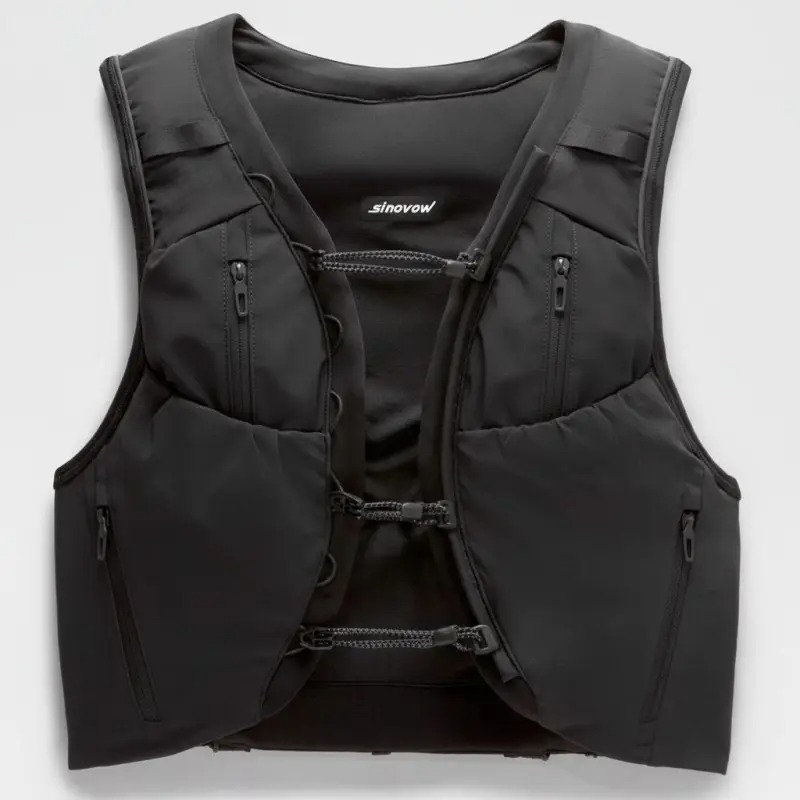
The evolution of athletic gear has always been driven by one fundamental demand: perform better while carrying less. In the world of distance running and trail sports, the Running Vest has become a central piece of equipment that directly influences how athletes move, breathe, and endure. As runners push longer distances and more demanding terrain, the materials used in a Running Vest are no longer secondary considerations — they are foundational design decisions that shape every aspect of the experience.
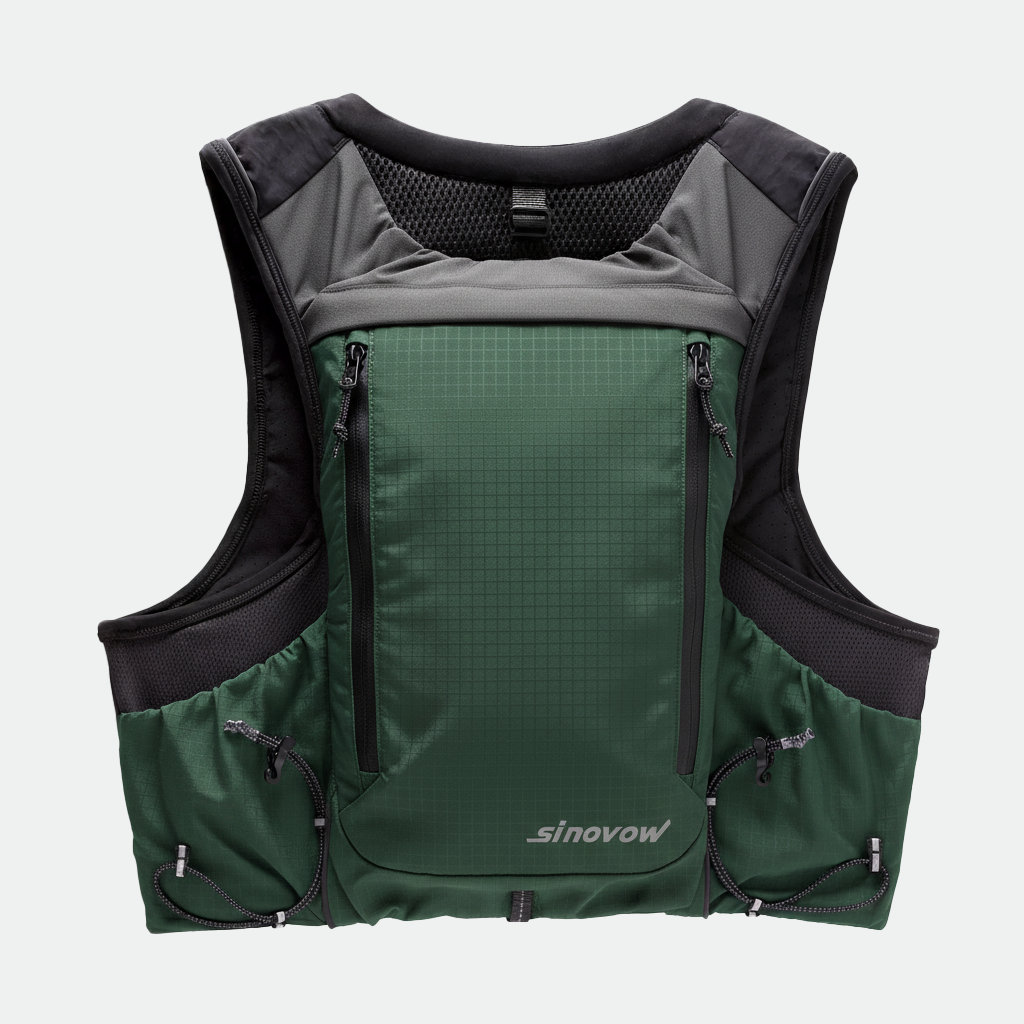
A Running Vest that uses heavyweight or poorly selected fabrics creates friction, traps heat, and adds unnecessary burden to the runner's body. By contrast, a Running Vest built with advanced lightweight materials allows athletes to maintain natural posture, regulate body temperature more efficiently, and focus entirely on their performance. Understanding why lightweight material selection is so critical in Running Vest design systems helps buyers, gear designers, and serious athletes make smarter choices for the long run.
The Biomechanical Case for Lightweight Running Vest Materials
Weight Distribution and Natural Movement
Every gram added to a Running Vest affects the runner's stride mechanics. When a Running Vest carries excess weight from dense or rigid fabrics, the shoulders, upper back, and core must compensate for that load with every step. Over a long race or training session, this compensation leads to muscle fatigue, altered gait patterns, and a measurable drop in performance. Lightweight materials reduce this compensation demand, letting the body move as it was designed to move.
The placement and balance of a Running Vest also depend on material weight. A Running Vest made with lighter textiles can distribute load more evenly across the torso without pulling forward or downward. This balanced distribution is especially important when the Running Vest is carrying hydration bladders, nutrition, or gear. The lighter the fabric structure itself, the more efficiently the vest system manages additional carried weight.
Reduced Friction and Skin Comfort Over Distance
Lightweight materials in a Running Vest are typically engineered with smooth fiber surfaces and minimal seam bulk. This directly reduces skin friction along the shoulders, underarms, and chest — areas that experience constant movement contact during running. A Running Vest with heavy or coarsely woven panels creates repeated abrasion zones that become painful over extended wear. The use of fine, lightweight textiles in a Running Vest eliminates this problem and significantly improves comfort on long efforts.
Thermal Regulation and Breathability in Running Vest Construction
How Lightweight Fabrics Support Heat Management
Thermal regulation is one of the most critical performance factors in any Running Vest design system. When the body generates heat during intense exercise, the Running Vest must allow that heat to escape rather than trap it against the skin. Lightweight fabrics achieve this by using open-weave structures, moisture-wicking fiber blends, and air-permeable mesh panels that encourage airflow. A Running Vest built with breathable lightweight materials keeps the core body temperature stable, which is essential for sustained endurance output.
Dense or synthetic materials that prioritize durability over breathability can turn a Running Vest into a heat trap. This forces the body to spend energy on cooling that should instead power movement. Modern Running Vest designs use lightweight technical fabrics precisely because they solve the thermal management challenge without adding structural weight. The right material in a Running Vest allows sweat to evaporate efficiently and keeps the runner feeling dry throughout the effort.
Moisture Management as a Design Priority
Moisture management in a Running Vest goes beyond simple wicking. Lightweight fabrics used in a Running Vest are often treated or woven to pull moisture away from the skin, disperse it across a wider surface area, and accelerate evaporation. This means the Running Vest itself does not become saturated and heavy during high-sweat conditions. A Running Vest that stays light and dry under exertion gives the runner a consistent fit and prevents the discomfort of a wet, clinging garment. This moisture-responsive behavior is a direct outcome of selecting the right lightweight material structure at the design stage.
Structural Integrity and Functional Design in Lightweight Running Vest Systems
Maintaining Shape and Storage Function Without Added Weight
A Running Vest must hold its shape even when loaded with gear, hydration packs, or nutrition storage. This creates a real engineering challenge: the Running Vest fabric must be lightweight yet structurally stable enough to support pockets, straps, and adjustment systems without sagging or distorting. Modern Running Vest designs address this by using lightweight high-tenacity yarns and laminated panels that deliver structural rigidity with minimal mass. The result is a Running Vest that feels almost weightless while still performing reliably as a functional carrying system.
Phone pockets, chest pockets, and side compartments in a Running Vest require reinforced zones that do not drag down the vest's overall weight balance. Lightweight ripstop weaves and bonded pocket constructions allow a Running Vest to carry smartphones, keys, gels, and small accessories without creating local weight concentrations. This design approach ensures the Running Vest remains balanced and comfortable regardless of what it is carrying during the run.
Durability Without the Weight Penalty
One common misconception is that lightweight materials sacrifice durability. In reality, advanced Running Vest fabrics are engineered to be both light and long-lasting. High-performance polyester blends, nylon microfibers, and stretch laminates used in a modern Running Vest can withstand thousands of hours of use, repeated washing, and exposure to outdoor conditions without degrading. A well-designed Running Vest built with these materials does not require a runner to choose between performance and longevity — it delivers both simultaneously.
The durability of a Running Vest is also influenced by how lightweight materials handle dynamic stress. Repetitive arm swing, torso rotation, and chest expansion during heavy breathing all place cyclic stress on a Running Vest. Lightweight stretch fabrics accommodate these movements elastically, reducing the tearing and seam stress that heavier rigid materials would accumulate over time. This mechanical flexibility is another reason why lightweight material selection is critical to the long-term performance of any Running Vest design system.
FAQ
What makes a Running Vest feel lightweight without losing structural support?
A Running Vest achieves this balance through high-tenacity lightweight yarns, laminated pocket panels, and minimal-bulk seam construction. These design choices allow the Running Vest to hold its shape and carry gear efficiently while keeping total fabric weight extremely low. The structural performance comes from material engineering rather than added mass.
How does material choice in a Running Vest affect breathability during long runs?
Material choice directly determines how well a Running Vest manages airflow and moisture. Lightweight open-weave and mesh fabrics used in a Running Vest allow heat to escape and sweat to evaporate quickly, keeping the runner cooler and more comfortable. Dense fabrics in a Running Vest would block airflow and cause heat buildup, which reduces endurance and increases discomfort over time.
Is a lightweight Running Vest suitable for both men and women?
Yes, a well-designed lightweight Running Vest can be engineered to fit both men and women comfortably through adjustable chest straps, flexible side panels, and adaptive stretch zones. A Running Vest built with lightweight materials naturally conforms to different body shapes more easily than rigid designs. Many modern Running Vest models use unisex-compatible construction that accommodates a wide range of torso shapes and sizes.