 EN
EN

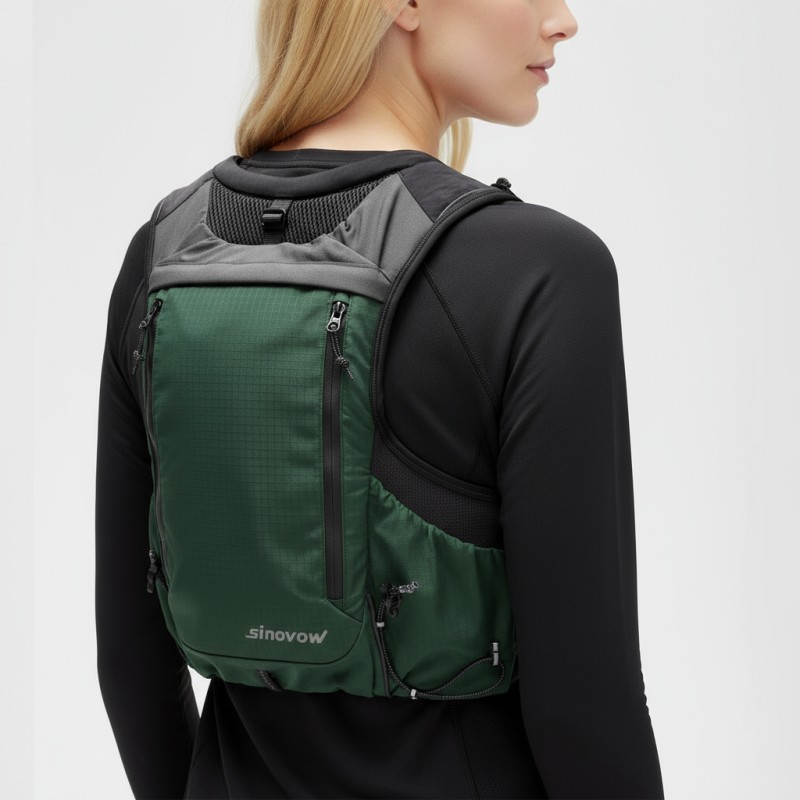
Choosing the right Running Vest for trail running is not simply a matter of picking the lightest option available. Trail environments demand a combination of features that work together to support your performance, safety, and comfort across unpredictable terrain. From steep mountain climbs to technical descents through dense forest, the demands placed on a Running Vest in trail conditions differ significantly from those of road running. Understanding which features matter most helps you make a smarter gear investment before your next adventure.
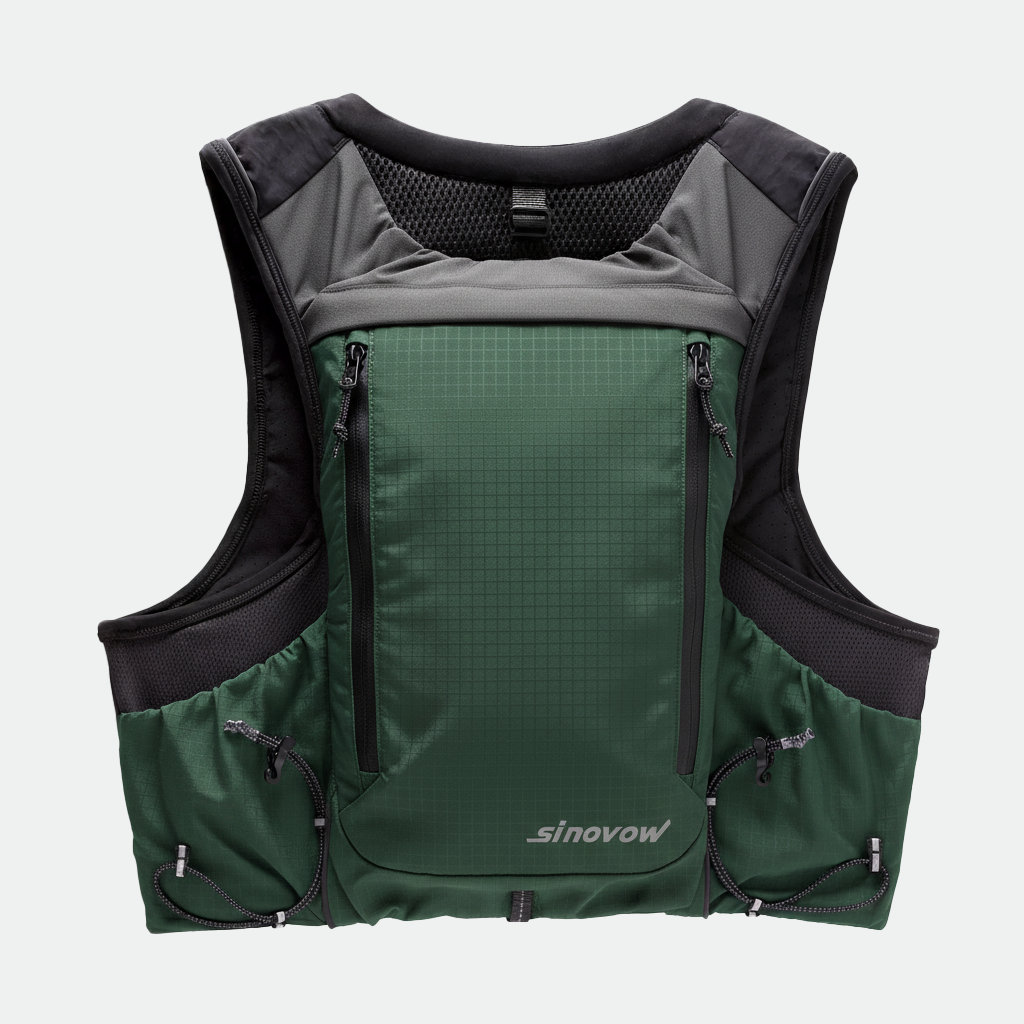
A well-designed Running Vest acts as more than a simple carrier. It becomes a functional piece of equipment that distributes weight evenly, keeps essential items within reach, and adapts to changing trail conditions. Whether you are preparing for a short technical trail run or a multi-hour mountain race, the features built into your Running Vest will directly influence your experience on the trail. This article breaks down the core features that separate a capable trail Running Vest from a basic everyday option.
Fit, Structure, and Body Stability
Why a Secure Fit Matters on Technical Terrain
On trails, your body moves in multiple planes simultaneously. You twist, leap, crouch, and climb in ways that road running rarely demands. A Running Vest that shifts or bounces during this kind of movement quickly becomes a distraction and can even affect your balance. Trail-specific Running Vest designs typically use adjustable sternum straps, elastic body panels, and a close-to-body cut that minimizes pack movement without restricting breathing.
The fit of a Running Vest should accommodate your body shape while allowing a full range of arm motion. Many trail runners prefer a Running Vest with separate fit adjustments for the chest and waist, allowing a customized feel based on the terrain and load. A Running Vest that fits correctly on flat ground but tightens uncomfortably on long climbs is not truly trail-ready. Always evaluate fit under movement, not just when standing still.
Gender-Specific and Adjustable Design
Trail running attracts a wide range of body types, and a Running Vest designed with gender-specific geometry or broad adjustability serves a greater range of runners more effectively. A Running Vest with multiple points of adjustment ensures that both lighter and heavier loads stay stable as conditions change throughout a run. Look for a Running Vest that offers this kind of structural adaptability without adding excess weight to the overall package.
Storage, Accessibility, and Load Management
Strategic Pocket Placement for Trail Use
Trail running requires quick access to nutrition, navigation tools, and safety items without stopping or removing your Running Vest. The best trail Running Vest designs position front pockets at chest height for immediate reach, while rear storage handles bulkier items like extra layers, first aid kits, or emergency gear. A Running Vest with a dedicated phone pocket is especially practical on trail runs where navigation apps or emergency communication is necessary.
The number of pockets on a Running Vest matters less than their organization and accessibility. A Running Vest with poorly placed or flimsy pockets creates frustration when you need items quickly mid-run. Zipper quality, pocket depth, and the ability to access contents with gloved hands or during movement are all important markers of a trail-capable Running Vest. Consider how you plan to use the storage before choosing between different Running Vest configurations.
Hydration Compatibility in a Running Vest
Hydration is a critical factor on any trail run longer than an hour, and a Running Vest designed for trail use should offer flexible hydration options. Many trail Running Vest models include both a rear hydration bladder sleeve and front soft flask pockets, allowing runners to choose their preferred system. A Running Vest with front flask holders keeps water accessible without removing the pack, which is a significant advantage on technical trails where stopping frequently interrupts your rhythm and momentum.
When evaluating a Running Vest for hydration compatibility, consider the total liquid capacity relative to the expected trail duration. A Running Vest holding one to two liters suits most half-day trail efforts, while longer mountain runs may require a Running Vest with a higher storage volume or the option to carry additional flasks. The weight distribution of a loaded Running Vest also changes significantly when carrying liquids, so stability features become even more important in hydration-loaded configurations.
Weather Protection and Material Performance
Lightweight Materials That Handle Trail Conditions
Trail conditions shift rapidly. A Running Vest made from breathable, quick-drying mesh panels keeps you comfortable during high-effort climbs while the same Running Vest should also resist light moisture from morning dew, stream crossings, or sudden weather changes. High-quality trail Running Vest fabrics balance breathability with light water resistance, preventing the vest from becoming heavy and uncomfortable when conditions deteriorate.
Durability is equally important for a Running Vest used on technical trails. Abrasion-resistant panels in high-contact zones, reinforced stitching at stress points, and robust zipper construction all contribute to a Running Vest that maintains performance across hundreds of hours of trail use. A Running Vest that wears out quickly under trail conditions defeats the purpose of a performance-focused investment.
Reflective Elements and Safety Features
Trail runs frequently begin before sunrise or extend into twilight. A Running Vest with reflective detailing improves your visibility to other trail users and provides an added layer of safety on shared paths and forest roads. Some Running Vest designs also include an emergency whistle attachment point or a loop for attaching a safety light, both of which are worthwhile features for solo trail runners covering remote terrain. Safety-conscious design is a sign that a Running Vest has been genuinely engineered for trail use rather than simply repurposed from a road running context.
FAQ
What capacity should a trail Running Vest have?
Most trail runners find a Running Vest with a total capacity of five to twelve liters suitable for day runs. Shorter technical runs need less, while longer mountain efforts benefit from a Running Vest with more storage for layers, food, and emergency items. Match capacity to your typical trail duration rather than always choosing the largest Running Vest available.
Can a Running Vest be used for both road and trail running?
Yes, many runners use the same Running Vest for both environments. However, a Running Vest designed specifically for trail running will offer better stability, more practical storage placement, and more durable materials than a basic road Running Vest. If trail running is your primary use case, invest in a Running Vest built with trail-specific features rather than adapting a road-focused option.
How do I prevent a Running Vest from chafing on long trail runs?
Chafing from a Running Vest usually results from poor fit, exposed seams, or a Running Vest that moves excessively during use. Ensure your Running Vest is properly adjusted before starting, use anti-chafe products on high-contact areas, and choose a Running Vest with smooth internal seam construction. Testing your Running Vest on shorter runs before committing to a full trail race is always a practical step.