 EN
EN

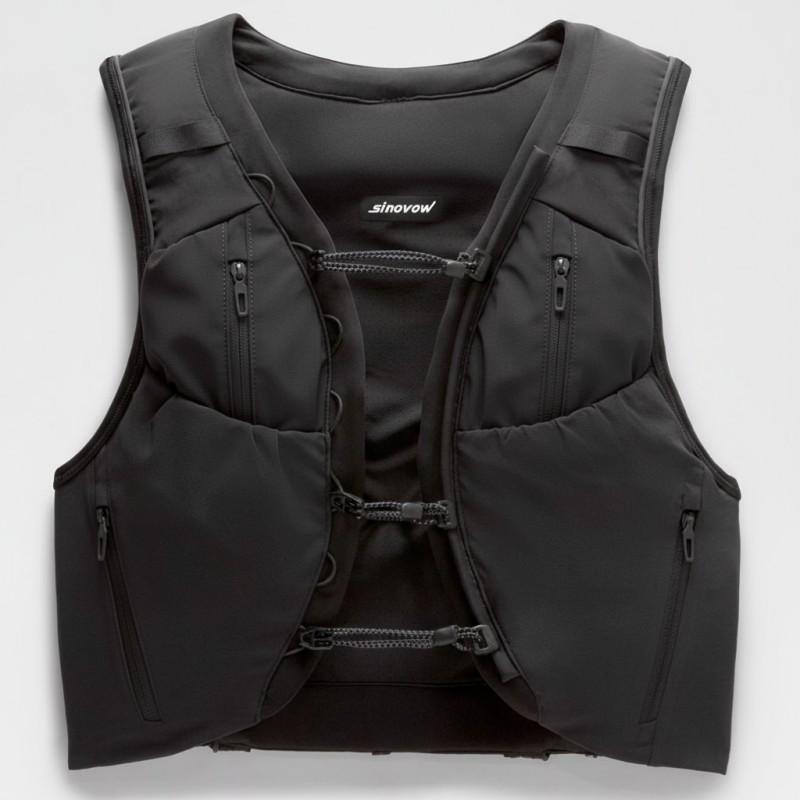
The running vest has undergone a significant transformation over the past decade. What was once a simple lightweight layer worn for warmth or visibility has evolved into a highly functional piece of gear engineered around the needs of modern runners. Central to this evolution is the rise of multi-pocket structures, which have quietly become the defining feature of how a running vest is designed, marketed, and used today. Understanding why this shift happened requires looking closely at runner behavior, race demands, and the practical limits of earlier designs.
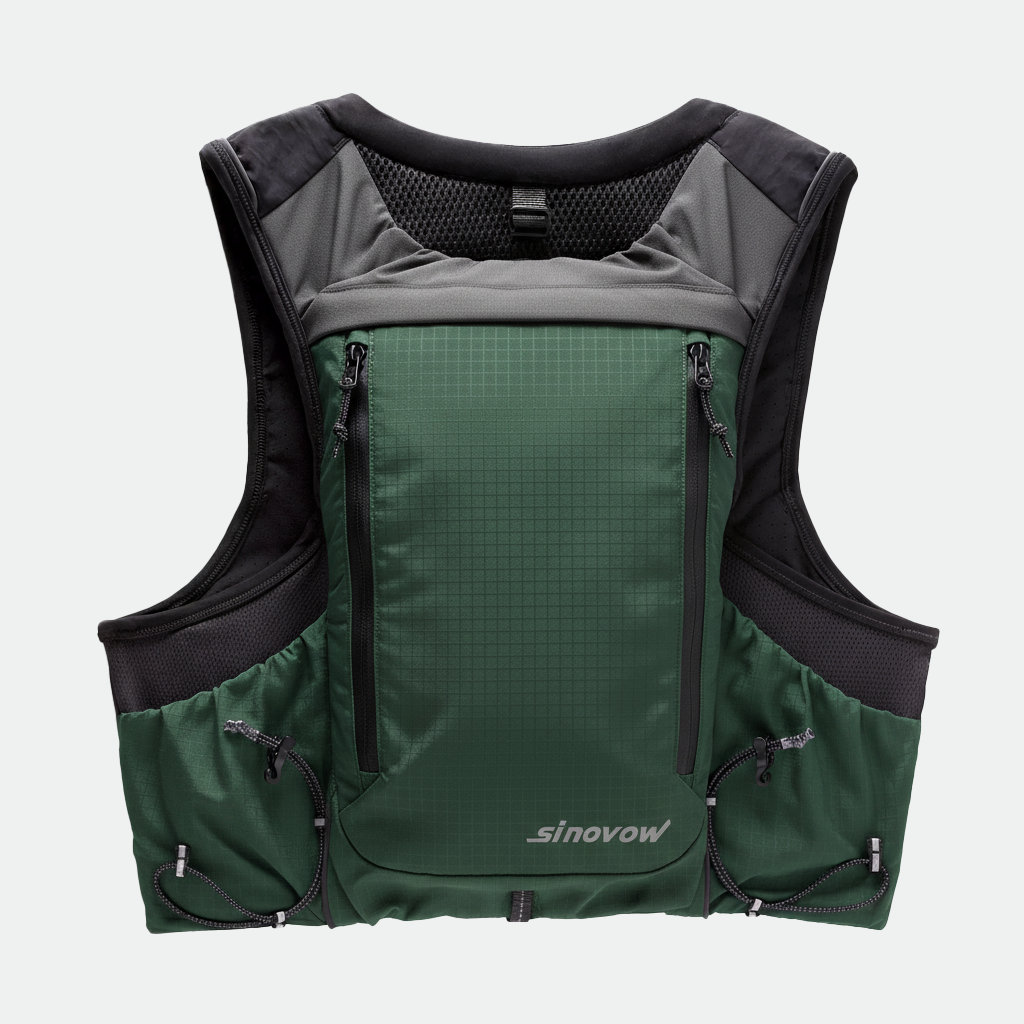
A well-designed running vest must balance accessibility, weight distribution, and storage capacity without restricting movement or adding unnecessary bulk. As runners carry more gear on longer outings, trail races, and urban events, the demand for organized, reachable storage has grown sharply. Multi-pocket layouts directly address this demand, and their widespread adoption across the running vest category is no accident. It reflects a deliberate design response to real-world use cases that single-pocket or minimal-pocket vests simply could not meet.
The Functional Case for Multiple Storage Zones
Organizing Gear for Immediate Access
One of the core reasons multi-pocket structures have become standard in the running vest is the need for immediate access to different types of gear during a run. A runner needs to reach for a gel, a phone, a hydration flask, and a safety layer at different moments, often without slowing down. When a running vest consolidates everything into one or two compartments, the runner must dig through gear to find what they need. Multi-pocket layouts solve this by assigning dedicated zones to specific items, making each reach intentional and fast.
The running vest designs that perform best in trail and ultra-distance contexts typically separate front-access pockets from rear storage. Front chest pockets on a running vest are sized for soft flasks or snacks, while rear zippered compartments hold larger items like waterproof jackets or first aid kits. This zoning logic transforms a running vest from a passive carrier into an active tool that supports the runner's rhythm rather than interrupting it.
Weight Balance and Stability During Movement
A running vest that carries all its load in one area creates uneven weight distribution, which becomes increasingly disruptive over long distances. Multi-pocket layouts allow the running vest to spread weight symmetrically across the front and back, and between left and right panels. This balance reduces bounce, prevents chafing, and keeps the running vest stable against the body even on technical terrain. Brands designing a running vest for endurance use now treat pocket placement as a weight-engineering decision, not just a convenience feature.
How Runner Behavior Has Shaped Running Vest Architecture
The Rise of Self-Sufficient Trail Running
Trail running culture has pushed the running vest toward carrying more mandatory gear than ever before. Many trail events now require runners to carry emergency equipment, nutrition for multiple hours, and communication devices. A running vest built with only one or two pockets cannot accommodate these requirements without becoming unstable or awkward. The multi-pocket running vest emerged as the direct solution, providing discrete compartments for mandatory gear, personal items, and in-race nutrition without merging everything into a single unorganized space.
The running vest has also benefited from feedback loops between athletes and manufacturers. As runners completed longer races and shared what worked or failed about their gear, the running vest evolved rapidly. Feedback consistently pointed to the same issue: runners wanted more organized access without more weight. Multi-pocket structures answered that need by adding compartments without significantly increasing the overall weight of the running vest.
Urban Runners and Everyday Carry Demands
It is not only trail runners driving multi-pocket adoption. Urban runners increasingly use a running vest as a daily commute or errand tool, carrying a phone, keys, cards, and earbuds alongside hydration. For this use case, a running vest needs pockets that are secure, accessible, and sized for modern devices. The phone pocket has become a near-mandatory feature on every serious running vest, and its presence has opened the door to adding adjacent compartments for cables, cards, or small items that runners used to awkwardly stuff into arm bands or waistbands.
A running vest designed for both urban and trail use must therefore accommodate a wide variety of item types. This versatility requires a thoughtful pocket architecture rather than a minimal one. The running vest that handles everyday carry well while also supporting longer outdoor runs has become the preferred choice across a wide range of runner profiles, further reinforcing multi-pocket layouts as the new standard.
Design Engineering Behind Multi-Pocket Running Vest Layouts
Material, Placement, and Closure Systems
Building a multi-pocket running vest is not simply about adding more fabric compartments. Each pocket on a running vest must be designed with the right material stretch, opening size, and closure type for its intended purpose. Stretch mesh is used on a running vest for items that vary in size, such as water bottles or snacks. Zippered pockets appear on a running vest where security matters, such as valuables or mandatory gear. Magnetic closures have appeared on some running vest models where speed of access is prioritized over complete security.
Placement logic on a running vest is equally detailed. Chest pockets on a running vest sit at a height where the runner can reach without raising the arm above shoulder level. Hip pockets on a running vest are positioned to avoid rubbing against the hip bone during gait. The rear main compartment of a running vest is designed to sit between the shoulder blades where the load feels most neutral. Every pocket placement decision on a running vest reflects biomechanical research into how the human body moves during sustained running.
Reducing Bounce Without Reducing Capacity
One of the great engineering achievements of the modern running vest is reducing bounce while increasing storage. Earlier versions of the running vest struggled with items shifting inside large unstructured pockets, creating an uncomfortable slapping motion against the back or chest. By dividing storage into smaller, more specific compartments, the running vest keeps each item snug and immobile. A running vest that holds eight items in eight dedicated pockets will outperform a running vest that holds eight items loosely in two large pockets in terms of stability and comfort.
FAQ
What makes a running vest with multiple pockets better for long-distance running?
A running vest with multiple pockets allows runners to distribute weight evenly, access gear quickly without stopping, and keep mandatory items organized and secure. Over long distances, this structure reduces fatigue caused by uneven load and eliminates time lost searching through a single large compartment. A well-organized running vest improves focus and efficiency during endurance events.
How many pockets should a quality running vest have?
A quality running vest typically features between four and ten pockets depending on its intended use. A trail running vest designed for ultra-distance events often includes two front chest pockets, one or two hip pockets, a large rear compartment, and one or two zippered security pockets. An urban running vest may prioritize a dedicated phone pocket and fewer but more accessible front pockets. The right number depends on the runner's specific gear needs and run duration.
Is a running vest with a phone pocket suitable for everyday use?
Yes, a running vest with a dedicated phone pocket is highly suitable for everyday use. It keeps the phone secure, accessible, and bounce-free during movement, which is especially valuable for urban runners who commute or run errands. The phone pocket on a modern running vest is typically sized to fit large smartphones and includes a secure closure to prevent accidental drops. Many runners find a running vest with a phone pocket replaces the need for arm bands or handheld carriers entirely.