 EN
EN

A well-fitted Running Vest can define the quality of every training session or race. When a running vest shifts, bounces, or chafes mid-run, it distracts from performance and causes discomfort that compounds over long distances. Adjustable straps are the core mechanism that determines whether a running vest stays secure, moves naturally with the body, or becomes a liability on the trail.
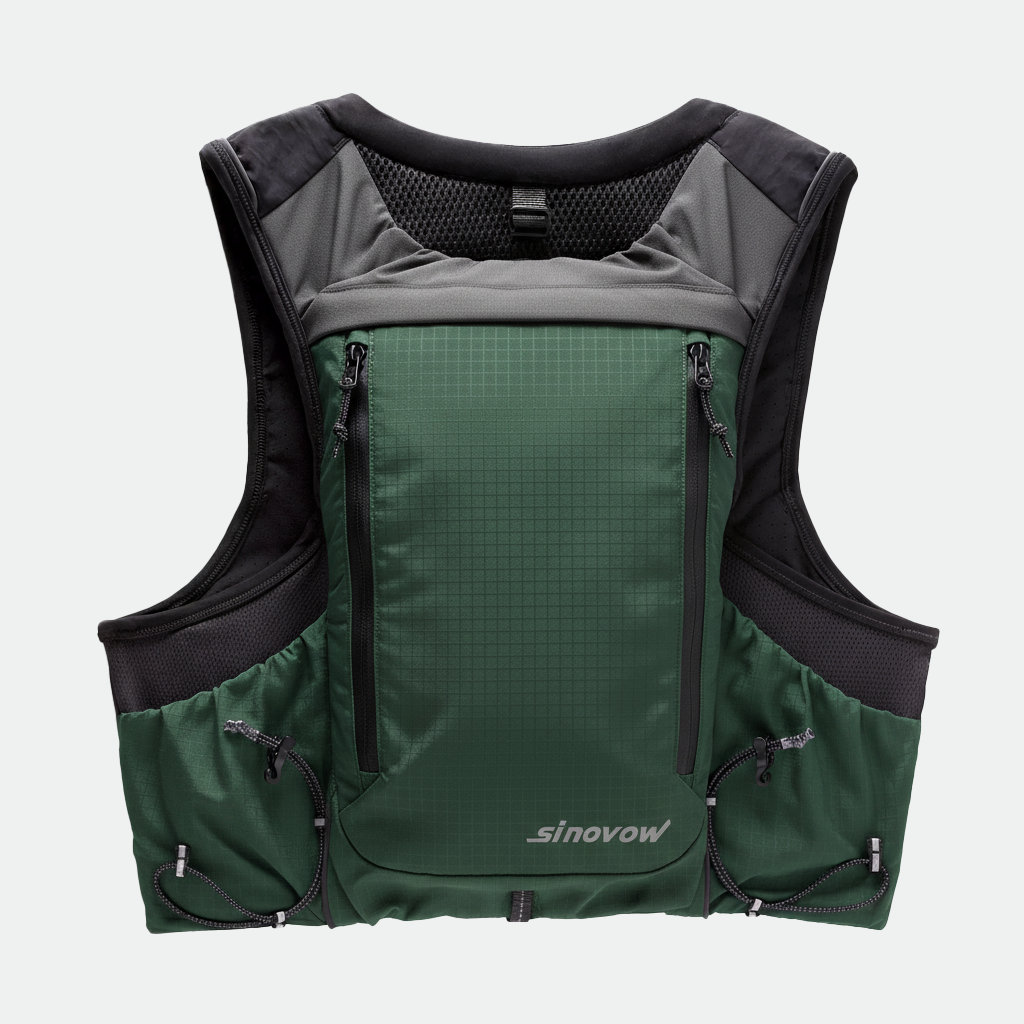
Runners come in all shapes and sizes, and no single running vest construction can naturally fit every body without some form of adjustment. Adjustable straps solve this universal challenge by allowing each wearer to calibrate the fit of their running vest to match their unique torso length, chest width, and shoulder structure. Understanding why these straps are so important helps runners make smarter gear decisions before they invest in a running vest for long-distance or high-intensity training.
The Biomechanical Role of Adjustable Straps in a Running Vest
How Strap Tension Affects Body Movement
Every running vest carries weight on the torso, and that weight behaves differently depending on how securely the vest is anchored. When the straps of a running vest are too loose, the vest shifts laterally and vertically with each stride, creating a rhythmic drag that disrupts a runner's natural gait. This micro-instability forces the body to compensate, leading to unnecessary muscle fatigue in the shoulders, core, and hips.
Adjustable straps allow runners to fine-tune strap tension so that the running vest moves as an extension of the body rather than as a separate object bouncing against it. When the chest strap and shoulder straps of a running vest are correctly tensioned, the load is distributed evenly, reducing localized pressure points that cause soreness over extended wear. This biomechanical alignment is especially critical during trail running and ultramarathon events where a running vest is worn for several consecutive hours.
Stability During High-Impact Motion
Running is a high-impact activity, and the repetitive vertical forces generated with each footfall can cause an improperly fitted running vest to bounce aggressively. Adjustable straps counteract this motion by pulling the running vest snugly against the torso, minimizing the amplitude of movement. Runners who tighten their running vest straps appropriately before a steep descent or a fast tempo run report significantly less distraction from gear movement. A stable running vest allows athletes to focus entirely on terrain and pace rather than on repositioning their equipment.
Fit Customization Across Different Body Types
Why One Standard Size Is Not Enough
A running vest that fits one runner perfectly may be uncomfortable or ineffective on another runner with the same labeled size. Torso length, chest circumference, and shoulder slope vary considerably across individuals. Without adjustable straps, a running vest manufacturer would need to produce an impractical number of size variants to accommodate this variation. Adjustable straps bridge the gap between a standard-sized running vest shell and the diverse bodies that wear it.
For women, in particular, adjustable straps are vital because many running vest designs are originally patterned around male torso proportions. A running vest with well-designed adjustable chest and sternum straps allows female runners to compress or expand the fit laterally and vertically until the running vest feels anatomically correct. This flexibility in a running vest is not a luxury feature but a functional necessity for any serious runner regardless of gender.
Layering and Seasonal Adaptation
Runners rarely wear the same base layer throughout the year. In colder months, a running vest needs to accommodate a thermal long-sleeve or a lightweight insulating layer underneath. In summer, the same running vest may be worn directly over a thin singlet. Adjustable straps allow one running vest to serve both configurations by expanding or contracting the fit as clothing layers change. This adaptability extends the usable lifespan of a running vest and improves the overall return on investment for performance-focused athletes.
Long-Distance Comfort and Chafe Prevention in a Running Vest
How Poor Fit Leads to Skin Irritation
Chafing is one of the most common complaints associated with long-distance running vest use. When a running vest moves repeatedly against the skin due to loose or incorrectly positioned straps, the friction accumulates and causes painful skin abrasion. The areas most vulnerable to running vest chafe include the collarbone, underarms, and sternum, all of which are contact points for standard running vest strap systems.
Properly adjusted straps hold the running vest firmly against the body so that relative movement between the vest material and the skin is minimized. When a running vest is correctly tensioned, the fabric remains relatively stationary during motion, dramatically reducing the likelihood of chafe during a marathon or trail race. Runners who invest time in adjusting their running vest before a long effort often finish with far less skin irritation than those who neglect this step entirely.
Shoulder and Back Fatigue Reduction
A running vest that rides too high on the shoulders due to insufficient strap adjustment creates concentrated pressure on the trapezius muscles. Over several hours of running, this pressure translates into significant shoulder fatigue and even neck tension. Adjustable straps allow runners to lower or raise the running vest position on the torso, relieving pressure from sensitive muscle groups. A well-adjusted running vest distributes its load across the full upper body rather than anchoring all the weight at a single pressure point.
FAQ
How often should I readjust my running vest straps?
You should readjust your running vest straps before every run, especially if you are changing clothing layers or running on terrain with significant elevation change. A running vest that was adjusted during a flat road session may feel too loose or too tight on a steep mountain trail. Checking your running vest fit as part of your pre-run routine takes less than a minute and prevents discomfort or gear failure mid-effort.
Can adjustable straps fully compensate for a wrong running vest size?
Adjustable straps can accommodate moderate size variation, but they cannot fully compensate for a running vest that is dramatically too large or too small. If a running vest is several sizes off, the strap adjustment range will not be sufficient to create a secure and comfortable fit. Always select a running vest size based on your torso measurement first, and then use the adjustable straps to dial in the final precise fit for your body.
What types of adjustable strap systems are commonly found in a running vest?
Most modern running vest designs feature a combination of shoulder straps, a sternum strap, and sometimes elastic side panels with hook-and-loop or buckle closures. Some running vest models include bungee-style cord adjustments across the back panel for dynamic load compression. Each system in a running vest serves a different adjustment function, and understanding how each strap affects the overall fit helps runners optimize their running vest for specific training goals or race conditions.