 EN
EN

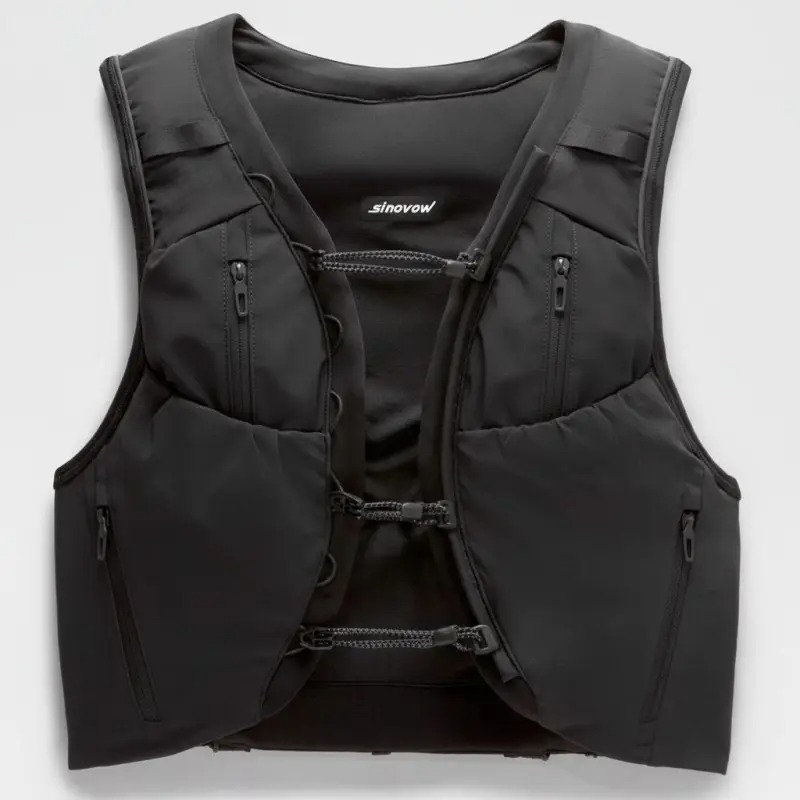
A well-designed Running Vest does far more than carry your essentials. It actively shapes the way load is distributed across your upper body, reducing the mechanical stress that loose or poorly fitted gear places on your shoulders, chest, and core. For runners who take performance and physical well-being seriously, understanding how a Running Vest interacts with upper body movement is essential for making the right gear choice.
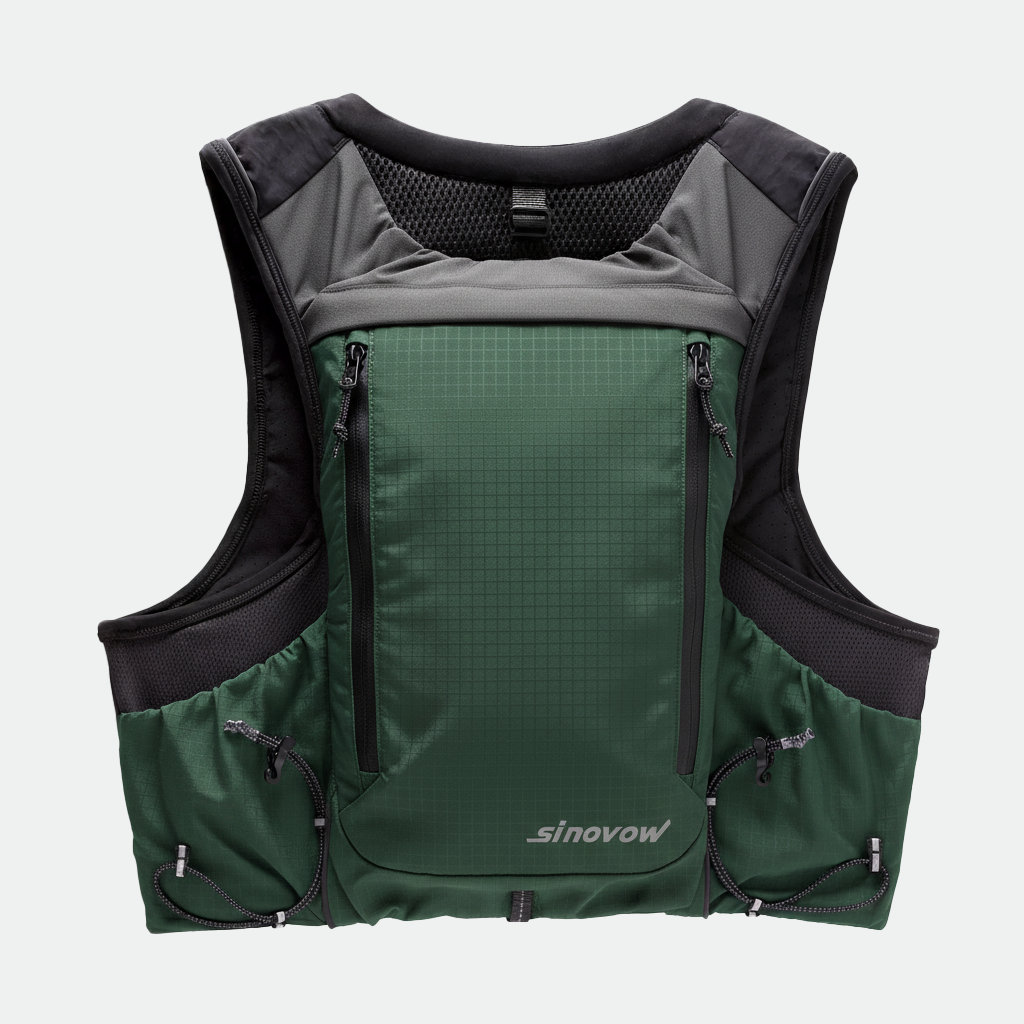
Unlike traditional backpacks or handheld options, a Running Vest wraps snugly around the torso, creating a stable platform that moves with the body rather than against it. This fundamental design difference is what allows a Running Vest to meaningfully reduce load impact during dynamic upper body movement. Whether you are pacing through a trail or pushing through a long urban run, the Running Vest plays a structural role in protecting your biomechanics.
The Mechanics of Load Impact During Running
How Unstable Weight Creates Upper Body Stress
Every step you take sends a ripple of force upward through your body. When gear is carried loosely, whether in a handheld bottle, a sling bag, or a poorly secured backpack, that force is amplified by shifting weight. The upper body must constantly compensate through muscular contraction, altering arm swing, shoulder rotation, and spinal alignment. Over time, this reactive compensation leads to fatigue, discomfort, and even injury.
A Running Vest addresses this directly. By securing weight close to the body's center of gravity, the Running Vest minimizes the pendulum effect of loose gear. The load remains stationary relative to your torso, which means your muscles spend less energy stabilizing it and more energy propelling you forward. The Running Vest essentially turns passive weight into a neutral, body-integrated element.
The Role of Compression and Fit in Load Reduction
Compression is one of the most important tools a Running Vest uses to reduce impact. A properly fitted Running Vest uses elastic panels and adjustable straps to create a consistent, close-contact fit across the chest and back. This compression prevents bouncing, which is the primary source of load-induced fatigue in the upper body. When a Running Vest fits correctly, you should feel almost no movement from the vest itself as you run.
The fit of a Running Vest is not just about comfort. It is a functional necessity. A Running Vest that is too loose will shift with every stride, recreating the same instability problem it is meant to solve. A Running Vest that is too tight restricts breathing and limits arm movement. The ideal Running Vest achieves a balanced fit that holds the load firmly without constraining natural motion.
Structural Features That Protect Upper Body Movement
Weight Distribution Across the Torso
A key advantage of the Running Vest design is multi-point weight distribution. Traditional bags concentrate weight in one area, usually the upper back or one hand. A Running Vest spreads the load across both shoulder straps, the chest panel, and often front pockets positioned at the sternum. This even distribution prevents any single muscle group from bearing disproportionate load, which is a major contributor to upper body fatigue and poor running form.
Front pockets are particularly valuable in a Running Vest because they allow weight to be placed at the front of the body, counterbalancing what sits at the rear. This front-to-back balance is something no standard backpack can replicate. With a Running Vest, the runner's center of gravity remains stable, and natural arm swing is preserved without resistance or interference from the gear.
Minimal Shoulder Contact and Strap Positioning
The shoulder straps of a Running Vest are deliberately shaped and positioned to avoid disrupting arm swing. Unlike thick padded straps on hiking packs, a Running Vest uses thin, form-following straps that sit away from the deltoid and rotator cuff zones. This prevents strap interference during the forward and backward movement of the arms, which is critical for maintaining efficient running cadence.
A well-engineered Running Vest also typically includes sternum clips or cross-body stabilizers that prevent the shoulder straps from sliding outward during movement. These small structural features make a significant difference. When the Running Vest stays precisely in position, the load stays in position. Consistent load placement means consistent biomechanics, and consistent biomechanics means less cumulative strain on the upper body over long distances.
Practical Benefits for Runners in Real Conditions
Sustained Form Over Long Distances
One of the most underappreciated benefits of wearing a Running Vest during longer efforts is how it helps preserve good posture and form. As fatigue sets in, runners tend to hunch forward or allow the shoulders to rise. Unstable gear accelerates this breakdown in posture. A Running Vest works against this tendency by maintaining even load pressure across the back and chest, which gently cues the body to stay upright and aligned.
Runners who regularly use a Running Vest during training often report that their upper body feels less fatigued at the end of long efforts. This is not coincidental. When the Running Vest manages the physical load, the muscles of the shoulders, neck, and upper back are freed from stabilization duty and can focus on supporting efficient movement. The Running Vest essentially removes a layer of unnecessary work from the body.
Phone Pocket Placement and Micro-Load Management
Even small items like a smartphone can create noticeable load asymmetry if carried in a hand or a single side pocket. A Running Vest with a dedicated phone pocket addresses this by placing the device in a structured, body-centered location. This keeps the weight symmetrical and prevents the repetitive lateral pull that off-center weight creates during arm swing. For everyday runners, this small design detail in a Running Vest translates into noticeably reduced shoulder fatigue.
FAQ
Does wearing a Running Vest affect natural arm swing during a run?
A properly fitted Running Vest is designed to have minimal impact on arm swing. Its slim strap profile and body-hugging fit allow full range of motion at the shoulder. Runners using a well-designed Running Vest typically experience no restriction to their natural arm movement.
How do I know if my Running Vest fits correctly to reduce load impact?
Your Running Vest should feel snug but not constrictive. When you shake your torso or jump lightly, the Running Vest should remain still and not bounce. Adjustable straps and sternum clips are key tools for dialing in the correct fit of your Running Vest.
Can a Running Vest help reduce neck and shoulder pain after long runs?
Yes, many runners find that switching to a Running Vest reduces neck and shoulder discomfort compared to carrying handheld items or using traditional packs. By distributing weight evenly and limiting gear movement, the Running Vest reduces the muscular demand placed on the upper body during sustained effort.