 EN


A well-designed backpack transforms how you carry and access your gear throughout the day. The strategic placement of compartments in a backpack directly influences your ability to locate items quickly, protect fragile equipment, and distribute weight evenly across your shoulders and back. Whether you're commuting to the office, traveling internationally, or tackling outdoor adventures, compartment organization is the foundation of functional luggage design that prioritizes both accessibility and protection.
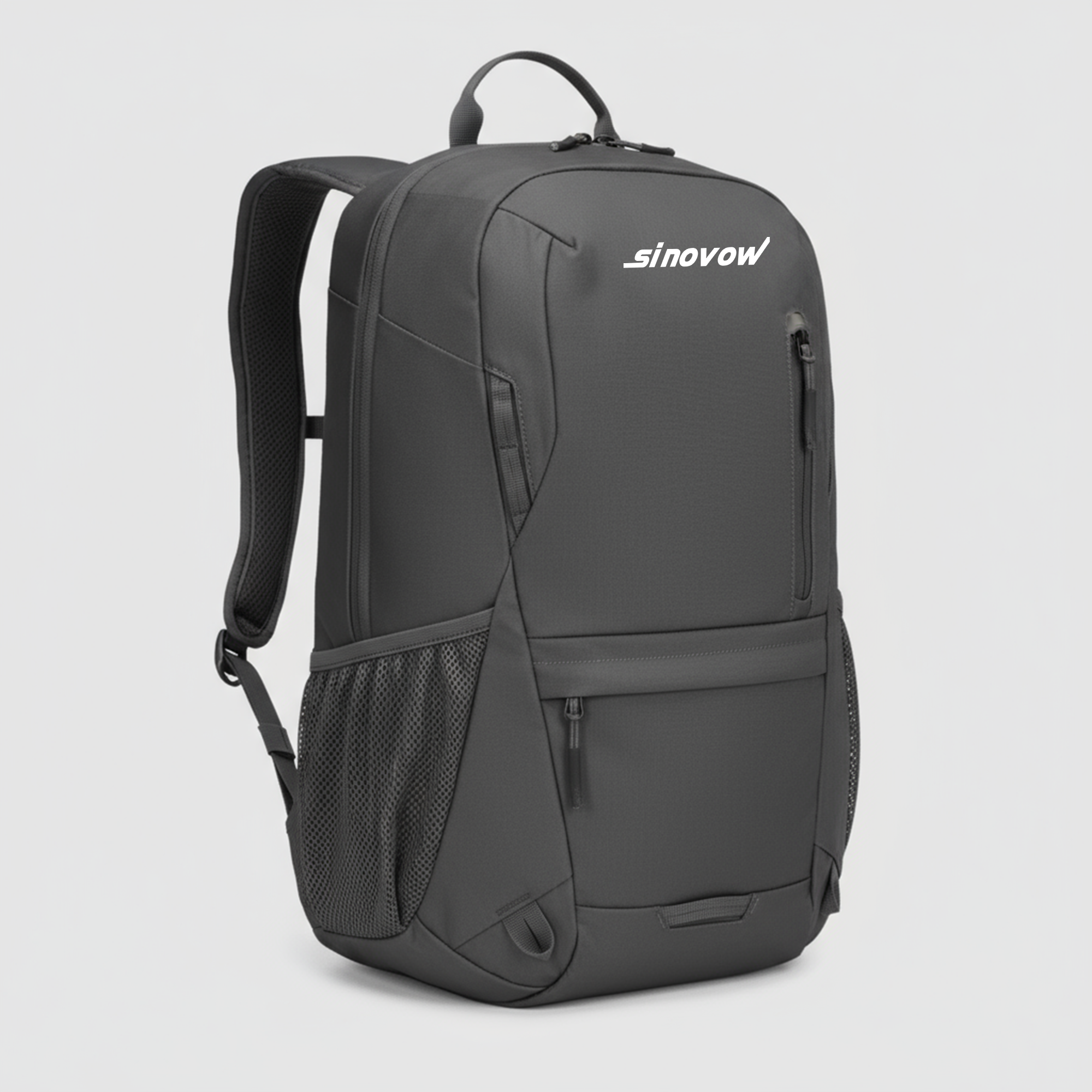
Modern backpack engineering recognizes that organization efficiency depends on more than just raw storage volume. Purposeful compartment placement, material selection, and accessibility design work together to reduce fumbling, minimize damage to sensitive items, and create muscle memory for item retrieval. A climbing bag or specialized backpack with thoughtfully designed compartments can cut retrieval time in half compared to unstructured storage, making efficiency gains measurable and immediate.
Compartment Specialization and Functional Design
Dedicated Storage Zones for Different Item Categories
Effective compartment organization begins with categorizing your daily carry items and assigning dedicated spaces within your backpack. A climbing bag typically includes specialized pockets for ropes, carabiners, and protective gear, each sized and positioned for rapid access during critical moments. Similarly, professional backpack models feature dedicated laptop compartments, tablet slots, and tech accessory pockets that separate electronics from personal items and documents, preventing tangling, damage, and organizational chaos.
When compartments are purpose-built rather than generic, you gain psychological and physical efficiency benefits. Your brain develops automatic retrieval patterns, reducing cognitive load during transit. Your hands know exactly where to reach without visual confirmation. This specialized compartment structure in a climbing bag or technical backpack minimizes decision fatigue and accelerates your preparation and transition times between locations or activities.
Material Barriers and Item Protection
Compartment walls provide critical separation that protects items from friction, moisture, and pressure damage. A climbing bag's rope compartment, isolated by reinforced dividers, prevents abrasion and keeps climbing lines from tangling with other gear. In business backpack designs, padded laptop compartments and isolated tech storage zones shield electronics from impact and sudden movements, extending equipment lifespan and reliability.
The material composition of internal compartment linings directly impacts protection quality. Water-resistant fabrics, foam padding, and protective weave construction transform compartments from mere spatial divisions into active guardians of your equipment, reducing replacement costs and minimizing operational disruptions caused by equipment failure.
Accessibility Hierarchy and Retrieval Efficiency
Layered Access Points and Frequency-Based Organization
Intelligent backpack design implements accessibility hierarchy by positioning frequently accessed items in exterior or front-facing compartments, while less-frequently needed gear occupies deeper, more protected interior sections. This layered compartment strategy reduces unnecessary opening and closing of the main bag, maintaining security and structural integrity while speeding up daily routines. A climbing bag exemplifies this principle by keeping essential carabiners and descent devices accessible in specialized front pockets while storing backup gear in interior compartments.
Frequency-based organization within your backpack directly correlates with time savings and operational smoothness. Studies in logistics and personal productivity demonstrate that items accessed more than three times daily should occupy no more than two seconds of retrieval time. Well-segmented compartments support this efficiency standard by eliminating the need to dig through unorganized interior space, reducing frustration and supporting consistent daily routines.
Quick-Access Design Features
Modern backpack compartments incorporate design features specifically engineered for rapid retrieval during active use. Side-panel pockets enable one-handed access while the backpack remains on your shoulders. Top-loading compartments with wide openings reduce fumbling and allow visual scanning of contents. A climbing bag includes external gear loops, carabiner attachment points, and quick-clip systems that eliminate the need to open internal compartments for time-sensitive equipment access.
These accessibility features transform your backpack from a passive storage container into an active organizational system that accelerates daily workflows and reduces physical strain from repetitive reaching and twisting motions.
Weight Distribution and Organizational Equilibrium
Strategic Compartment Placement for Balanced Load
Compartment architecture directly influences weight distribution across your body, affecting comfort, posture, and long-term spinal health. When a backpack features compartments positioned close to your body's center and distributed vertically, heavier items settle near your mid-back where muscular support is strongest. A climbing bag's lower compartments typically hold the heaviest equipment—carabiners, anchors, and rope—while lighter items occupy upper sections, creating a balanced load that reduces strain and improves carrying efficiency over extended periods.
Improper weight distribution caused by poorly designed compartments leads to shoulder fatigue, back pain, and postural problems that compound over weeks and months of daily use. Strategic compartment organization transforms your backpack into an ergonomic system that actively supports your body's natural weight-bearing capacity rather than fighting against it.
Organizational Discipline and System Consistency
Compartments encourage organizational discipline by creating designated homes for each category of items. When your backpack lacks proper compartmentalization, items migrate randomly based on available space, creating organizational chaos and making consistent packing routines impossible. A well-designed backpack with clearly defined compartments enables you to develop repeatable packing sequences, ensuring balanced weight distribution and consistent accessibility across all use days.
This consistency generates efficiency gains that accumulate over time. Your morning preparation becomes faster because you follow established packing routines. Your search times decrease because items occupy predictable locations. Your comfort improves because weight remains consistently balanced. A climbing bag with compartmentalized storage supports these benefits across technical outdoor pursuits and demanding work environments alike.
FAQ
How many compartments should a quality backpack have?
The optimal number of compartments depends on your specific use case and daily carry requirements. A minimalist backpack might function effectively with three to four compartments, while technical climbing bags and professional models often incorporate six to ten specialized compartments. Rather than focusing on compartment quantity, prioritize functional specialization and accessibility hierarchy. Each compartment should serve a distinct purpose rather than providing generic storage space. Quality matters more than quantity when evaluating backpack organization efficiency.
Can compartment organization reduce packing time?
Yes, compartmentalized backpack design significantly reduces packing and retrieval time through established organizational patterns. When your backpack includes dedicated compartments for specific item categories, you eliminate decision-making about where items belong. This structured organization enables you to pack methodically without searching for appropriate storage locations. Studies show that well-organized compartment systems reduce packing time by 30 to 40 percent compared to unstructured storage, translating to meaningful time savings across weekly and monthly scales.
What makes a climbing bag different from a standard backpack?
A climbing bag features specialized compartments designed for outdoor technical gear including rope storage, carabiner attachment systems, and protective pockets for anchors and protection devices. These compartments include reinforced materials, weather-resistant construction, and accessibility features optimized for outdoor conditions. Standard backpacks prioritize general-purpose storage and daily commute efficiency, while climbing bags emphasize rapid gear access, environmental protection, and equipment-specific organization. Both benefit from compartmentalization principles, but climbing bags apply these principles to more specialized and demanding use contexts.