 EN

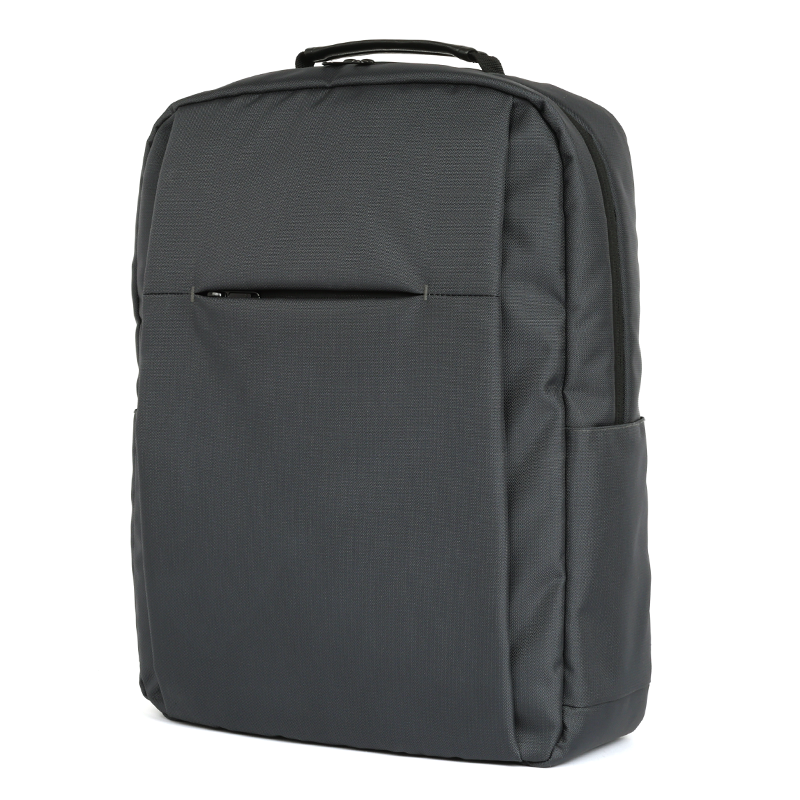
Urban commuting presents unique challenges for professionals and students navigating busy city streets, crowded transit systems, and unpredictable weather conditions. A well-designed backpack can significantly transform how you move through your daily commute, offering both practical advantages and enhanced comfort. Whether cycling through traffic, boarding public transportation, or walking between meetings, the right backpack becomes an essential tool for maintaining mobility and efficiency in urban environments. This article explores how a backpack can improve your commuting experience and what features matter most for city-based movement.
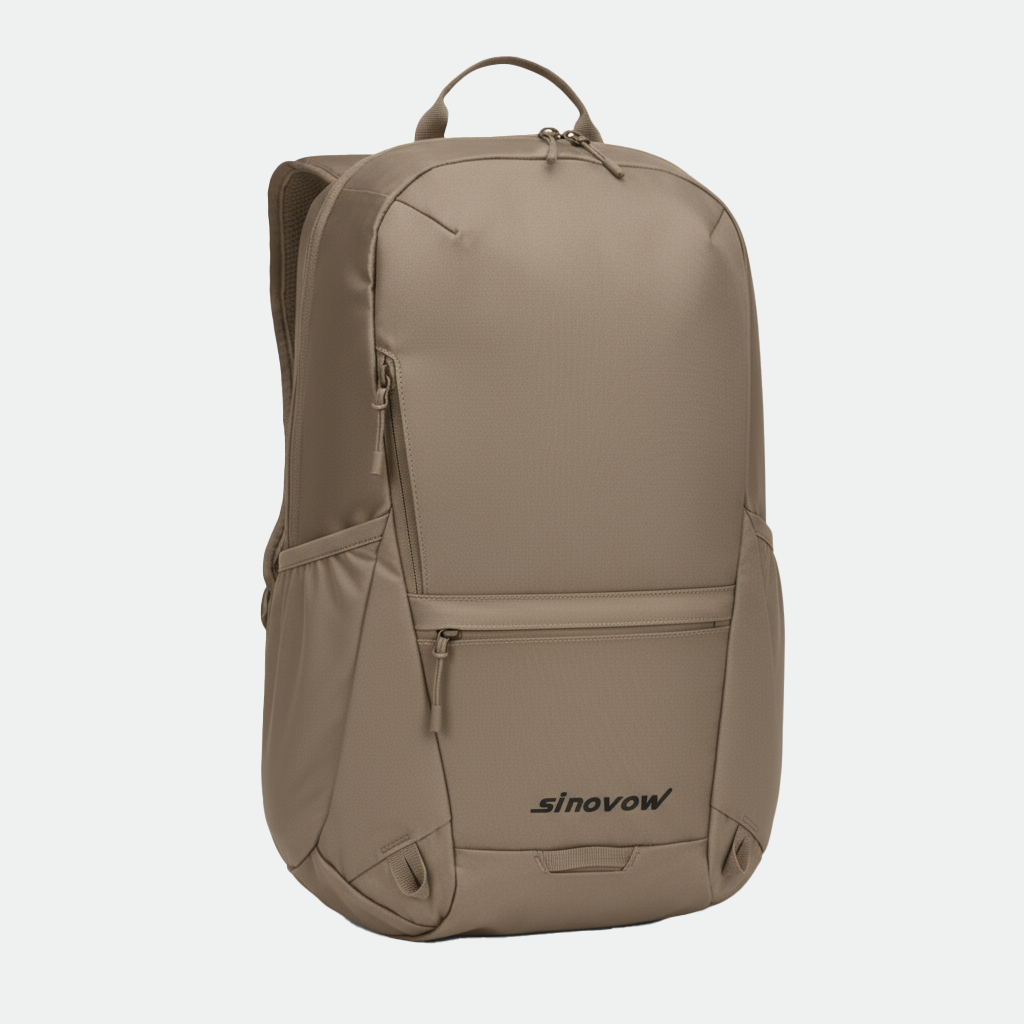
A quality backpack designed for urban commuting goes beyond simple storage—it enables freedom of movement that other carrying options cannot match. Unlike shoulder bags or briefcases that force one-sided weight distribution, a backpack distributes load evenly across both shoulders and your back, reducing strain and fatigue during long commutes. This balanced weight distribution proves especially valuable when navigating crowded buses, climbing stairs at transit stations, or cycling uphill. The hands-free design also provides safety advantages, keeping your hands available for holding railings, adjusting your phone, or maintaining balance on moving transportation.
Mobility Benefits of Commuting with a Backpack
Enhanced Movement and Flexibility
A backpack fundamentally changes how you navigate urban environments. With both hands free, you gain the flexibility to move quickly through crowded platforms, adjust your route unexpectedly, or respond to changing conditions without fumbling with straps or handles. This hands-free advantage becomes crucial during rush hours when subway cars pack shoulder-to-shoulder or when you need to sprint for a departing bus. The backpack design allows natural arm movement, supporting balance and agility as you navigate tight spaces or steep stairs.
Reduced Physical Strain
Daily commuting exposes your body to repetitive stress. Traditional shoulder bags create uneven loading that strains one side of your neck, shoulders, and spine over time. A properly fitted backpack, by contrast, distributes weight symmetrically across your shoulder girdle and through your core. Studies in ergonomics consistently show that balanced weight distribution reduces muscular fatigue and minimizes long-term injury risk. Professionals commuting several hours daily notice significant reductions in neck pain, shoulder tension, and lower back discomfort when switching to an appropriate commuting backpack.
Features That Support Urban Commuting Mobility
Lightweight and Durable Design
Urban commuters need bags that combine strength with minimal weight. Heavy materials defeat the purpose of carrying gear—they compound fatigue and slow your movement. A modern climbing bag or specialized commuting backpack uses advanced materials that resist tears and weather while keeping total weight low. Water-resistant fabrics protect your belongings during unexpected rain, while reinforced stitching ensures the bag survives years of daily use. The climbing bag category, originally developed for outdoor activities, has influenced commuter backpack design through innovations in lightweight structural support and load-bearing efficiency.
Ergonomic Straps and Ventilation
Comfort directly impacts mobility and daily satisfaction. Padded, curved shoulder straps conform to your body shape and reduce pressure points during extended wear. Ventilated back panels prevent excessive heat buildup and moisture accumulation, keeping you comfortable even during active commuting like cycling or walking in warm weather. These design elements, commonly found in quality climbing bag construction, ensure your backpack remains comfortable whether you wear it for thirty minutes or three hours. Proper ventilation also extends the lifespan of the bag by preventing mold and material degradation from moisture.
Smart Organization and Accessibility
A mobility-focused backpack includes strategically designed compartments that keep essentials accessible without requiring you to remove the bag. Front pockets store frequently needed items like transit cards, phones, or earbuds. Padded laptop sleeves protect electronics while staying organized. Side pockets accommodate water bottles or umbrellas. This thoughtful organization reduces fumbling time and prevents you from dropping items during hurried transitions between transportation modes. The ability to grab what you need quickly without stopping or removing your backpack becomes invaluable during peak commuting hours.
Practical Application in Urban Settings
Multi-Modal Commuting Support
Modern urban commuters rarely use a single transportation method. You might walk to a bus stop, ride the bus downtown, then cycle the last mile to the office. Each transition benefits from a backpack's versatility. The hands-free design works seamlessly across walking, public transit, and cycling. Unlike climbing bag designs optimized purely for outdoor pursuits, commuting backpacks balance technical features with everyday practicality. Reflective elements enhance visibility during early morning or evening commutes, while weather-resistant materials protect against unpredictable conditions.
Weather Resistance and Durability
Urban commuters face constant environmental challenges. Rain, snow, pollution, and UV exposure test bag durability. Quality commuting backpacks incorporate water-resistant coatings or sealed seams that prevent moisture from damaging contents. Unlike traditional fabric bags that absorb water and become heavy, modern backpack designs shed water and dry quickly. A climbing bag's approach to weather protection—originally designed for mountain environments—translates effectively to urban settings where weather changes rapidly and protection matters.
Capacity and Weight Balance
The ideal commuting backpack carries 15–25 pounds comfortably without causing fatigue. Too small, and you cannot fit daily essentials; too large, and weight distribution suffers. Quality designs distribute internal weight efficiently, placing heavier items closer to your back for better balance. This matters especially for cycling commuters, where unstable weight distribution affects handling and safety. The climbing bag heritage of many modern commuting packs ensures sophisticated weight management systems that keep loads stable and manageable throughout your commute.
Decision Factors for Choosing a Commuting Backpack
Assessing Your Commuting Style
Before investing in a commuting backpack, evaluate your specific needs. Do you cycle, use public transit, or walk? How far is your commute? What do you carry daily? A dedicated climbing bag suits adventurous commuters mixing work with outdoor activities, while a streamlined urban backpack prioritizes style and daily practicality. Weather conditions matter too—rainy climates demand stronger water resistance, while dry environments allow lighter materials. Your assessment determines which backpack features deliver genuine value.
Comfort and Fit Testing
Never purchase a backpack without wearing it loaded. Shoulder strap positioning, back panel height, and hip belt fit vary dramatically between designs. A properly fitted backpack should feel like an extension of your body, not a weight hanging from your shoulders. Load your backpack with your typical commute gear, wear it for at least fifteen minutes, and evaluate comfort. Walk stairs, simulate transit movements, and notice any pressure points or imbalance. This testing process prevents purchasing a backpack that looks good but creates daily discomfort.
FAQ
How much weight can a commuting backpack safely carry?
A well-designed commuting backpack can safely carry 15–25 pounds, depending on the wearer's body size and fitness level. Exceeding this range increases injury risk and causes excessive fatigue. Quality backpacks, including climbing bag designs adapted for urban use, distribute weight efficiently within these limits. Avoid overloading your backpack; instead, prioritize which items truly need daily travel and consider leaving unnecessary weight at home or at the office.
What features matter most in a backpack for daily commuting?
The most important features are lightweight materials, padded ergonomic straps, water resistance, and smart compartmentalization. Secondary features like ventilated back panels, reflective elements, and reinforced stitching add value for specific commuters. Your climbing bag or commuting backpack should feel comfortable when loaded and worn for extended periods. Prioritize comfort and durability over style—a backpack you actually enjoy wearing will consistently improve your commuting experience.
Can a backpack work for both commuting and outdoor activities?
Yes, many modern backpacks serve dual purposes effectively. A climbing bag designed for hiking and outdoor activities often contains features useful for commuting, such as weather resistance, lightweight construction, and ergonomic support. Conversely, quality commuting backpacks typically handle light outdoor activities without issue. If your lifestyle blends urban commuting with outdoor pursuits, choosing a versatile bag reduces the need to purchase multiple backpacks while maximizing utility and value from your investment.