 EN

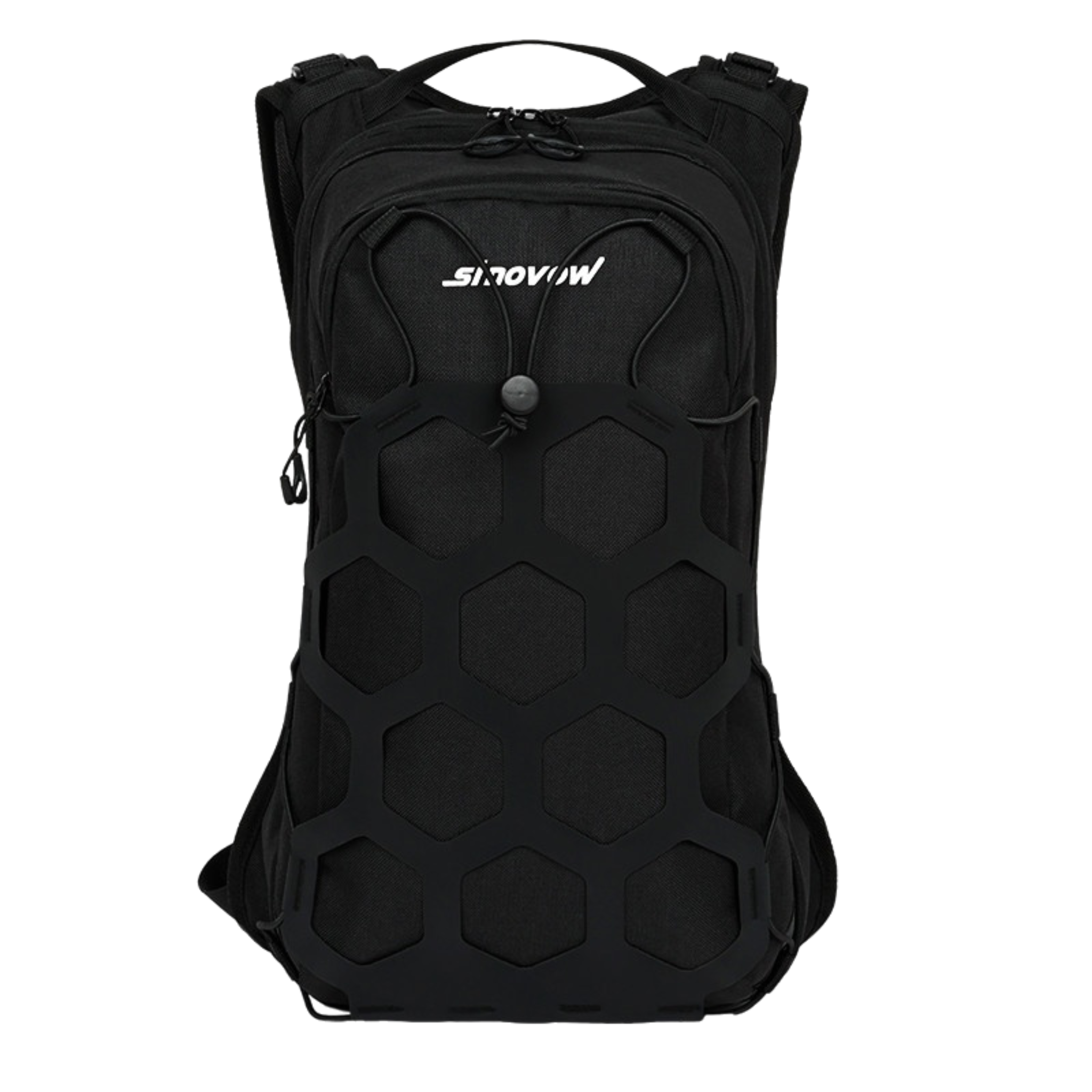
A backpack designed for heavy use demands more than basic fabric and stitching. The choice of materials directly determines whether your bag survives demanding conditions or fails within months. Professional users, outdoor enthusiasts, and commuters who carry substantial loads require a backpack built with materials engineered to withstand stress, abrasion, moisture, and continuous wear. Understanding which materials enhance backpack durability transforms how you evaluate bags and make purchasing decisions that protect your investment.
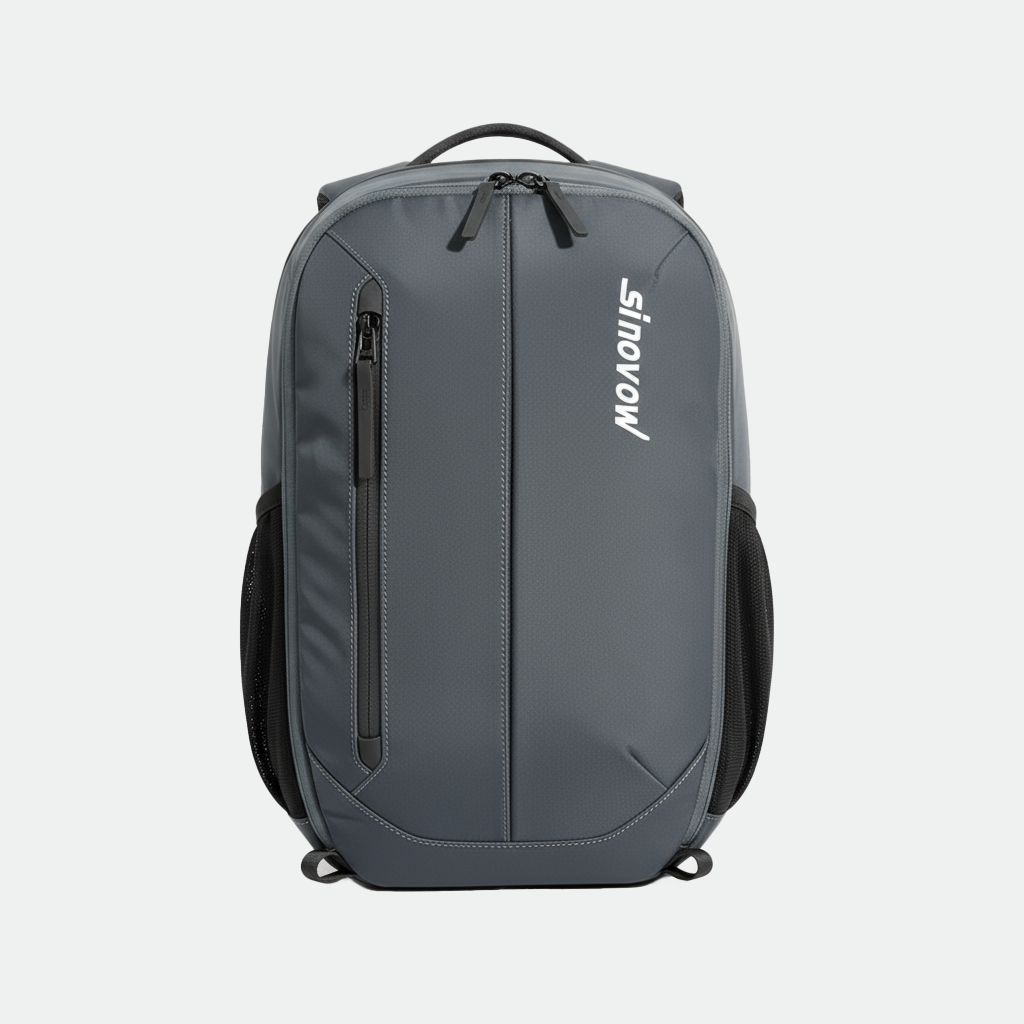
Heavy-use backpacks encounter forces and conditions that everyday bags never face. Whether carried through rugged terrain, urban commutes with constant friction against clothing, or loaded with heavy tools and equipment, the materials must perform reliably. A climbing bag endures sharp rocks, weather exposure, and repeated stress at attachment points. Commercial backpacks used by field workers, couriers, and adventurers face similar pressures. The material composition determines tear resistance, water resistance, weight distribution integrity, and long-term structural reliability under these demanding scenarios.
Core Fabric Materials for Heavy-Duty Backpack Construction
High-Performance Synthetic Fabrics
Cordura nylon stands as the industry standard for heavy-use backpack applications. This proprietary fabric offers exceptional tensile strength, tear resistance, and abrasion protection that standard polyester and basic nylon cannot match. Cordura-reinforced backpacks resist snags, punctures, and surface wear that quickly degrade lower-quality materials. The weave density and fiber composition of Cordura fabrics allow them to maintain integrity even after years of contact with rough surfaces, sharp edges, and continuous friction. For climbing bag designs, Cordura provides the confidence that fabric won't fail during critical moments on challenging terrain.
Ballistic nylon represents another premium choice for heavy-use backpack construction. Originally developed for military equipment, ballistic nylon delivers outstanding puncture resistance and durability metrics that exceed standard materials. This tightly woven fabric resists tears from sharp objects and maintains strength even when subjected to extreme stress. Backpack manufacturers choose ballistic nylon for models intended to endure professional environments where durability cannot be compromised. The weight-to-strength ratio makes ballistic materials practical for everyday carry while delivering performance that justifies premium pricing.
Waterproof and Weather-Resistant Treatments
Material durability extends beyond tear and puncture resistance to encompassing water protection. A backpack exposed to rain, moisture, and humidity deteriorates rapidly if base fabrics lack water resistance. Polyurethane and silicone coatings applied to backpack fabrics create barriers against moisture penetration while maintaining breathability and flexibility. These coatings protect internal contents and prevent mildew growth that compromises fabric integrity over time. Climbing bag manufacturers apply specialized water-resistant treatments because moisture accelerates material degradation and creates mold that weakens stitching and fabric bonds.
For extended heavy use, a backpack benefits from laminates that bond multiple fabric layers into unified, waterproof structures. These multilayered backpack constructions distribute stress across multiple material interfaces while providing integrated water protection. The lamination process bonds fabrics so tightly that seams become the primary vulnerability point, making quality sealing and stitching critical for long-term reliability. Climbing bag designs frequently employ laminated materials because the combined strength and weather protection suits demanding outdoor conditions.
Reinforcement Materials and Structural Elements
Impact-Resistant Backing Materials
Foam padding and impact-resistant backing materials prevent punctures and distribute load stress across larger surface areas. When a backpack experiences point impacts from sharp objects or heavy contents shifting against fabric, reinforcement materials absorb and distribute force, preventing fabric penetration. High-density foam, EVA foam, and specialized cushioning materials provide protection without excessive weight penalties. Professional climbing bag designs incorporate these materials at vulnerable points including bottom panels, side walls, and areas where equipment contacts fabric during wear and movement.
Rigid or semi-rigid backing materials in backpack construction prevent structural collapse and protect contents during impacts. These materials maintain backpack shape even when subjected to compression, impacts, or heavy loads that would otherwise deform the bag. A climbing bag benefits from strategic reinforcement because climbers frequently place bags on rocky surfaces, drop them, or subject them to impacts that would destroy less protected designs. The combination of reinforced backing materials and flexible outer fabrics creates backpacks that absorb shock while maintaining protective structure.
Stitching and Seam Reinforcement
Even premium fabrics fail if stitching cannot withstand the stresses a backpack endures during heavy use. Reinforced seams require heavy-gauge thread, multiple parallel stitch lines, and sealing treatments that prevent unraveling. Quality backpack construction employs bar-tacking at stress points including straps, attachment rings, and pocket corners where failure commonly initiates. A climbing bag incorporates extra reinforcement at every seam because seam failure during outdoor activities poses serious risks and defeats the durability advantages of premium fabrics.
Thread selection significantly impacts backpack longevity. High-tenacity polyester threads, bonded nylon threads, and specialized outdoor-rated threads resist UV damage, moisture absorption, and the chemical degradation that regular threads experience in outdoor conditions. A backpack designed for continuous heavy use cannot rely on standard domestic sewing thread because these materials degrade under sun exposure and moisture. Climbing bag manufacturers invest in premium thread specifications because seam failure can cause catastrophic loss of contents and structural collapse.
Hardware and Component Durability
Metal Fittings and Attachment Hardware
Metal components including D-rings, carabiners, buckles, and zippers must match the durability standards of the backpack fabric itself. Stainless steel and aluminum alloys resist corrosion while maintaining strength for years of outdoor exposure. A backpack intended for heavy use requires hardware that won't degrade, rust, or fail under sustained load and repeated use. Climbing bag designs emphasize corrosion-resistant hardware because mountain environments expose equipment to salt spray, moisture, and extreme temperature variations that accelerate metal degradation.
Slider Systems and Closures
Heavy-use backpack reliability depends on closures that remain functional after thousands of open-close cycles. Premium YKK zippers offer superior durability compared to standard zipper implementations. A backpack with proven zipper systems maintains functionality throughout the product lifespan rather than failing prematurely and compromising water resistance. Magnetic closures, reinforced flap systems, and integrated cover designs provide redundancy that prevents accidental opening. Climbing bag designs often incorporate multiple closure types because relying on a single failure point creates unacceptable risk during outdoor expeditions.
Material durability ultimately reflects the integrated performance of fabrics, reinforcement, stitching, and hardware working together as a unified system. A backpack manufactured with premium materials in every component resists the cumulative wear that destroys lesser designs. Professional users, outdoor enthusiasts, and anyone requiring reliable heavy-use backpack performance should prioritize material specifications and construction quality. Climbing bag standards demonstrate that investing in durable materials protects equipment, contents, and mission success across demanding applications.
FAQ
What fabric is most durable for a heavy-use backpack?
Cordura nylon and ballistic nylon are the most durable fabrics for heavy-use backpack applications. Cordura offers superior abrasion and tear resistance with established performance across professional and outdoor industries. Ballistic nylon provides exceptional puncture resistance originally developed for military equipment. Both materials significantly outperform standard polyester and basic nylon in durability metrics, making them the preferred choice for backpack designs intended for demanding conditions.
Why is reinforcement important in climbing bag construction?
Reinforcement materials protect climbing bag fabric from punctures, impacts, and structural stress that occur during outdoor climbing and mountaineering activities. Impact-resistant backing materials distribute forces across larger surface areas while preventing sharp objects from penetrating fabric. Reinforced seams with bar-tacking at stress points prevent catastrophic failure at attachment points where straps and handles connect. These reinforcement features ensure climbing bag reliability when failure poses safety risks and equipment loss.
How do water-resistant treatments affect backpack durability?
Water-resistant coatings and treatments extend backpack durability by preventing moisture absorption that accelerates material degradation and mold growth. Polyurethane and silicone coatings create barriers against rain and humidity while maintaining fabric flexibility and breathability. A backpack with integrated water protection requires less maintenance and avoids moisture-related failures including corrosion, mildew, and weakened stitching bonds. These treatments are especially critical for climbing bag performance because mountain environments expose equipment to constant moisture and extreme weather exposure.