 EN
EN

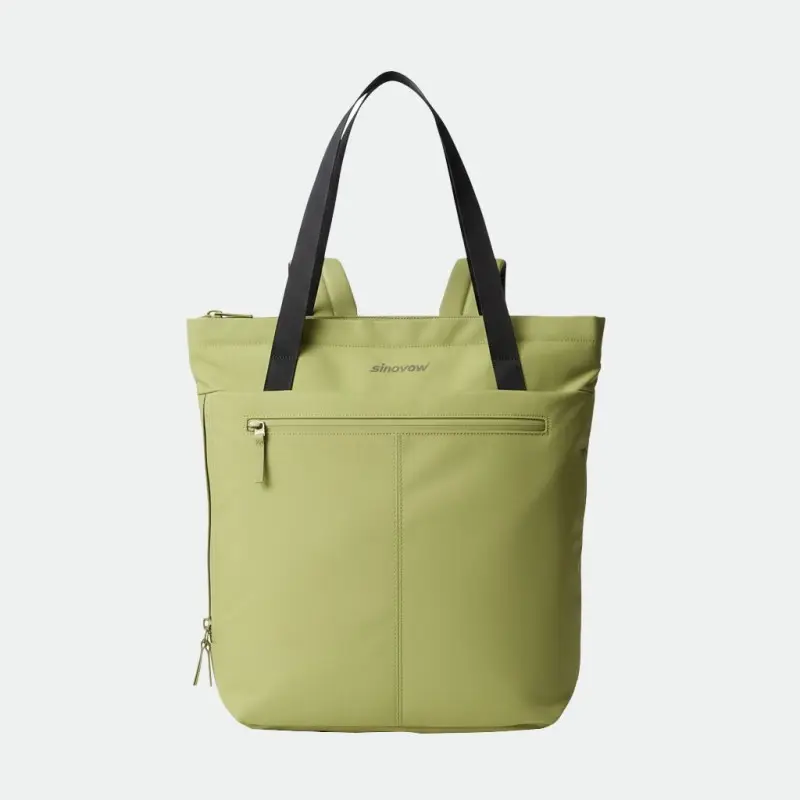
Organization within a travel bag directly determines how efficiently you access items, protect valuables, and maintain order during frequent trips. Internal compartments transform a basic travel bag from a simple storage container into a structured system that separates documents, electronics, toiletries, and personal accessories. When a travel bag features thoughtfully designed compartments, travelers spend less time searching for items and more time focusing on their journey. The right compartment layout within a travel bag can mean the difference between arriving at your destination feeling organized or overwhelmed by clutter.
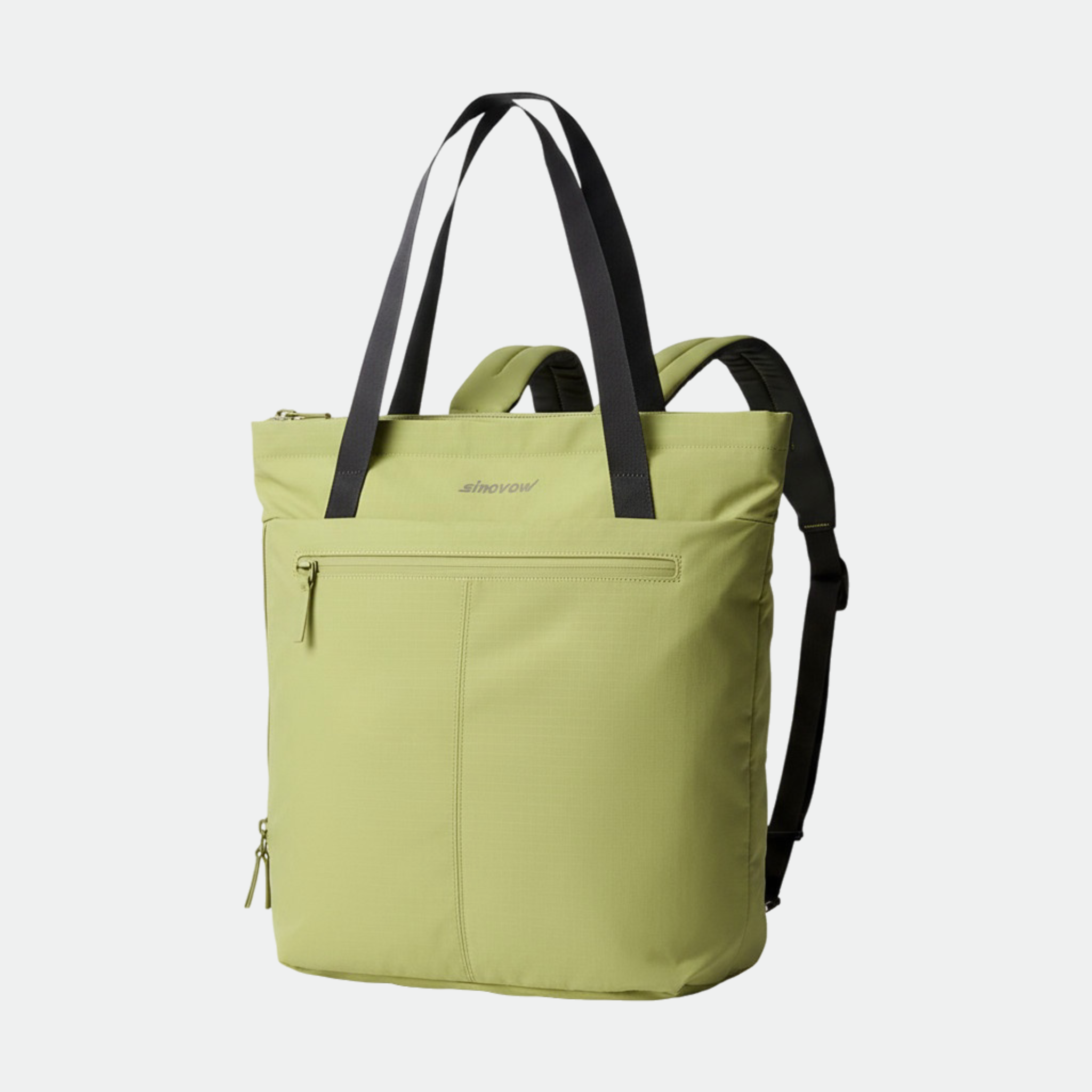
Internal compartments in a travel bag serve multiple functional purposes beyond basic storage. Dedicated zippered sections protect electronics from dust and moisture, while specialized pockets keep toiletries separated from clothing and documents. A well-organized travel bag reduces the risk of damage to fragile items and prevents liquids from contaminating other belongings. Understanding how compartment design affects your travel bag experience helps you select or design a bag that truly meets your organizational needs.
Compartment Types and Their Impact on Travel Bag Organization
Primary Versus Secondary Compartments in Your Travel Bag
Most modern travel bag designs include a primary main compartment and several secondary pockets distributed across the exterior and interior. The main compartment of a travel bag typically accommodates larger items like clothing, documents, or equipment, while secondary compartments in the travel bag hold smaller essentials such as keys, phones, and toiletries. The efficiency of your travel bag depends on how intelligently these compartments are sized and positioned. When a travel bag balances large storage capacity with multiple smaller sections, you avoid the common problem of everything becoming one undifferentiated pile at the bottom.
Specialized Pockets and Their Organizational Value
Specialized pockets within a travel bag address the specific needs of frequent travelers. Laptop sleeves, tablet slots, and electronic device pockets in a travel bag prevent damage to sensitive equipment during transport. A quality travel bag includes insulated compartments for beverages, ventilated sections for damp items, and secure zippered pockets for passports and cash. Organization in a travel bag improves dramatically when each item category has a dedicated, sized-appropriate pocket. The presence of these specialized compartments transforms a basic travel bag into a professional organizational tool.
How Internal Compartments Enhance Accessibility and Efficiency
Quick-Access Design in Travel Bag Layouts
Strategic compartment placement in a travel bag determines how quickly you can locate frequently used items. Front-facing pockets in a travel bag provide immediate access to phones, boarding passes, and travel documents without opening the main section. Interior organizational systems within a travel bag use mesh dividers, elastic straps, and dedicated slots to create visual boundaries that aid rapid identification. The speed at which you can navigate a travel bag directly impacts your travel experience, particularly during airport security checks or urgent situations. A thoughtfully compartmentalized travel bag reduces fumbling and frustration during time-sensitive moments.
Protection and Separation Through Compartmentalization
Compartments within a travel bag serve a protective function by preventing items from shifting, crushing, or contaminating one another. Liquids and toiletries stored in sealed sections of a travel bag remain separated from dry goods and electronics. Electronics compartments in a travel bag cushion devices during transportation, while mesh-lined pockets allow visibility without exposure. The organizational structure of a well-designed travel bag acts as an insurance policy against damage and spillage. Every compartment type in a travel bag contributes to item safety through thoughtful separation and containment.
Selecting the Right Compartment Configuration for Your Travel Bag
Assessing Your Organization Priorities When Choosing a Travel Bag
Your specific travel needs should guide how you evaluate compartments in a potential travel bag. Business travelers prioritize laptop compartments and document slots in their travel bag, while leisure travelers may value clothing dividers and ventilated sections. Consider whether your travel bag needs thermal insulation, waterproofing, or specialized equipment pockets. Understanding your daily routine and packing habits helps you identify which compartment features matter most in your travel bag. The ideal travel bag matches compartment types to your actual usage patterns rather than offering unnecessary features.
Balancing Storage Capacity with Organizational Complexity
A travel bag with excessive compartments can paradoxically reduce efficiency by creating confusion about where items belong. The best travel bag balances sufficient compartmentalization with logical, intuitive organization. Opt for a travel bag that groups related compartments together and uses clear labeling or visual cues. Too many tiny pockets in a travel bag spread your belongings across numerous locations, making retrieval difficult. A strategically designed travel bag consolidates compartments into purposeful zones that match your thinking about what goes where.
FAQ
Do internal compartments increase the weight of a travel bag?
Yes, additional compartments and dividers do add weight to a travel bag compared to a simple open design. However, quality travel bag manufacturers minimize this impact by using lightweight materials for compartment walls and zippers. The organizational benefits of a well-compartmented travel bag typically outweigh the modest weight increase. When selecting a travel bag, check the total weight specification rather than assuming compartments make the bag significantly heavier. A lightweight travel bag with intelligent compartments remains more practical than a slightly lighter bag that forces you to dig through mixed items.
Can compartments in a travel bag prevent items from shifting during flights?
Compartments in a travel bag provide some protection by reducing item movement through defined sections. Elastic straps and dividers within a travel bag hold items in place and prevent sliding during turbulence or handling. For maximum protection during flights, pair a compartmented travel bag with packing techniques like rolling clothes and using packing cubes. While compartments alone cannot guarantee zero shifting in a travel bag, they significantly reduce unnecessary movement. A strategically packed travel bag with functional compartments keeps your belongings surprisingly stable throughout your journey.
Are compartmented travel bags harder to clean than simple designs?
Compartmented travel bag designs can require more detailed cleaning due to more crevices and enclosed spaces. However, the organizational benefits of a compartmented travel bag often justify the slightly longer maintenance time. Select a travel bag with removable compartment liners or mesh sections that are individually washable. Most quality travel bag manufacturers design compartments with accessibility in mind, making cleaning manageable. The superior organization of a compartmented travel bag makes the minimal additional cleaning effort worthwhile for serious travelers who prioritize orderliness and item protection.