 EN
EN

A well-designed climbing bag fundamentally transforms how weight distributes across your body during daily carrying tasks. Whether you're commuting to the office, traveling for work, or managing multiple responsibilities throughout the day, the way a climbing bag handles load distribution directly impacts your physical comfort, posture, and long-term spinal health. Understanding how a climbing bag improves load distribution reveals why professional-grade backpacks have become essential tools for daily productivity rather than luxury items.
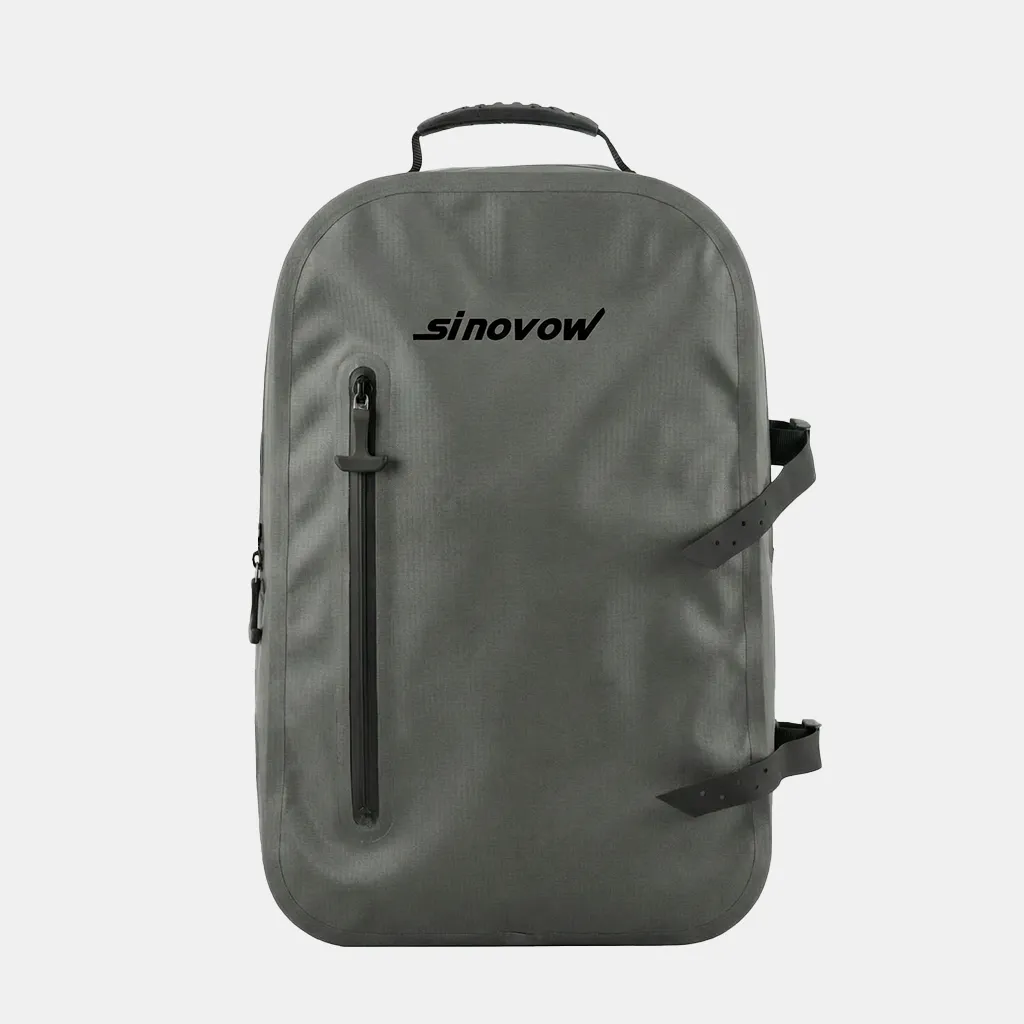
The engineering behind a climbing bag extends far beyond aesthetic appeal. A climbing bag incorporates specialized straps, reinforced panels, and weight distribution systems originally designed for mountaineering and outdoor expeditions. These features have been adapted for everyday use because the principles of load management remain constant whether you're scaling a peak or navigating urban environments. When a climbing bag sits against your back, it channels weight through specific pathways that engage your core and larger muscle groups rather than concentrating stress on your shoulders and neck.
How a Climbing Bag Distributes Weight Effectively
Shoulder Strap Design and Weight Transfer
The shoulder straps in a climbing bag are engineered with padding and contouring that differs significantly from standard backpacks. A climbing bag features straps that angle inward toward your spine, reducing lateral stress on your shoulder joints. The padding in these straps uses materials that compress gradually under load, distributing pressure across a broader surface area rather than creating pressure points. When a climbing bag sits correctly, the shoulder straps transfer approximately sixty to seventy percent of total weight toward your hips and core, preventing your shoulders from bearing excessive burden.
The width and angle of shoulder straps in a climbing bag also play a critical role in preventing nerve compression. Straps that are too narrow can dig into soft tissue and restrict blood flow. A climbing bag maintains optimal strap spacing that aligns with human shoulder anatomy, reducing tingling, numbness, and the fatigue that occurs with poorly distributed weight. Professional climbers and outdoor enthusiasts have long understood this principle, and now everyday users benefit from this proven ergonomic knowledge through climbing bag technology adapted for daily carrying.
Hip Belt Functionality and Core Engagement
A climbing bag includes a structured hip belt that serves as the primary load-bearing mechanism for daily carrying. This hip belt in a climbing bag wraps around your pelvis and locks in place with secure fasteners, positioning itself to engage your core muscles and larger hip flexors. The hip belt in a climbing bag typically carries fifty to sixty percent of your total load, dramatically reducing strain on your upper body. This weight transfer principle is what makes a climbing bag so effective for long-duration carrying tasks throughout your workday.
The hip belt padding in a climbing bag uses contoured materials that conform to your body shape over time. A climbing bag's hip belt distributes pressure evenly across your hip crest and lower back region, areas designed by nature to handle significant load-bearing. When properly adjusted, a climbing bag transforms your body into an integrated load management system where weight flows through your strongest skeletal structures. This biomechanical advantage explains why users wearing a climbing bag report less fatigue and lower back pain compared to traditional backpacks without structured hip support.
Spinal Alignment and Posture Benefits
Back Panel Support Systems
The back panel of a climbing bag incorporates ventilated channels and structural support that maintain proper spinal alignment during daily carrying. A climbing bag's back panel features rigid or semi-rigid material along the spine line that prevents excessive forward slouching. This design element in a climbing bag prevents the common postural problem where weight pulls your torso forward, compressing your intervertebral discs. The back panel in a climbing bag creates a vertical load axis that keeps your shoulders above your hips, maintaining natural spinal curves even when carrying substantial daily items.
Airflow through the back panel of a climbing bag also prevents heat accumulation and moisture buildup, factors that influence whether users actually wear the backpack correctly. When a climbing bag allows adequate air circulation, users feel comfortable keeping it on throughout their workday rather than removing it frequently. This extended wear period with proper load distribution amplifies the postural benefits of using a climbing bag for daily carrying. The ventilation channels in a climbing bag represent an often-overlooked feature that actually promotes consistent, correct usage.
Pressure Point Prevention During Extended Wear
A climbing bag reduces pressure point formation through multiple design features working in concert. The compartmentalization within a climbing bag allows you to distribute items throughout the pack rather than concentrating weight in one area. This balanced organization of a climbing bag prevents localized pressure spikes that create discomfort during daily carrying. The padding thickness throughout a climbing bag varies according to stress zones, with thicker cushioning where your body experiences greatest pressure during extended carrying sessions.
The materials used in a climbing bag undergo testing specifically for pressure distribution performance. A climbing bag designed for daily carrying uses foam compositions that provide immediate support while gradually conforming to your body contours. This adaptive quality of a climbing bag's materials means that even as you wear it for eight to ten hours during your workday, the load distribution remains consistent. The absence of pressure points when using a climbing bag for daily carrying prevents the numbness, tingling, and chronic pain that develop from poorly designed backpacks.
Practical Daily Carrying Applications
Commuting and Professional Environments
Using a climbing bag for daily commuting brings mountaineering engineering into urban settings where it provides immediate practical value. Professionals who carry laptops, documents, and work materials daily experience significant fatigue reduction when switching to a climbing bag. The climbing bag's load distribution system handles the specific weight profile of office workers and consultants more effectively than general-purpose backpacks. A climbing bag remains organized during commutes, with dedicated compartments and secure attachment points that keep items accessible without forcing you to rummage through loose pockets.
The durability of a climbing bag extends its value beyond the initial purchase, making it a sound investment for daily professional use. A climbing bag can withstand the consistent compression, expansion, and movement that occurs with daily commuting over years rather than months. The reinforced stitching and hardware in a climbing bag prevent the gradual failures that render standard backpacks unusable. Professionals who adopt a climbing bag for daily carrying often report that the ergonomic benefits translate to improved focus and productivity at work, as physical discomfort no longer distracts from professional tasks.
Travel and Extended Carrying Sessions
When traveling, a climbing bag provides load distribution benefits that become increasingly valuable during extended wearing periods. Airport navigation, hotel exploration, and multi-day excursions all place significant demands on your shoulders and back. A climbing bag maintains its weight distribution efficiency whether you're carrying day-trip essentials or packed for several days of travel. The compression straps on a climbing bag allow you to cinch down volume when partially full, preventing items from shifting and destabilizing your load distribution during daily carrying activities.
Business travelers who choose a climbing bag report that arriving at their destination feels less physically draining than with standard luggage or poorly designed backpacks. The climbing bag's balanced load distribution means your body experiences less accumulated fatigue during airport terminals and train stations. A climbing bag also addresses the practical reality that travelers often encounter uneven terrain and crowded conditions where carrying comfort directly affects your experience. The climbing bag's proven load management system transforms travel into a more comfortable experience while reducing the risk of travel-related back injuries.
FAQ
What makes a climbing bag different from regular backpacks for daily carrying?
A climbing bag incorporates specialized engineering designed for mountaineering that translates into superior load distribution for daily carrying. The structured hip belt, contoured shoulder straps, and reinforced back panel in a climbing bag work together to transfer weight through your strongest skeletal structures. Regular backpacks typically lack these load distribution features, instead placing most weight burden on your shoulders. A climbing bag's design principles have been refined through decades of outdoor use, making them more effective for any daily carrying scenario than backpacks designed primarily for aesthetics or casual use.
Can a climbing bag help reduce back pain from daily carrying?
Yes, a climbing bag can significantly reduce back pain by maintaining proper spinal alignment and distributing weight appropriately. A climbing bag's hip belt carries the majority of load, preventing the forward slouching and spinal compression that causes back pain. The back panel support in a climbing bag prevents excessive flexion of your spine during daily carrying activities. However, proper adjustment is essential—a climbing bag only provides load distribution benefits when the hip belt sits correctly on your pelvis and the shoulder straps are tightened appropriately. Users who experience chronic back pain should also consult healthcare providers about their specific condition while using a climbing bag as part of a comprehensive approach to pain reduction.
How do I properly adjust a climbing bag for optimal load distribution?
Proper adjustment of a climbing bag requires attention to several key elements for effective load distribution during daily carrying. First, position the hip belt so it sits on your iliac crest, the bony ridge at the top of your pelvis, not on your lower back. Second, tighten the hip belt firmly before adjusting shoulder straps—the hip belt should carry most of your load, not your shoulders. Finally, adjust shoulder straps so they're snug but not compressive, with minimal gap between strap and shoulder. A climbing bag's load distribution system only functions optimally when adjusted correctly, so take time to experiment with positioning until the climbing bag feels balanced and comfortable for your daily carrying routine.