 EN

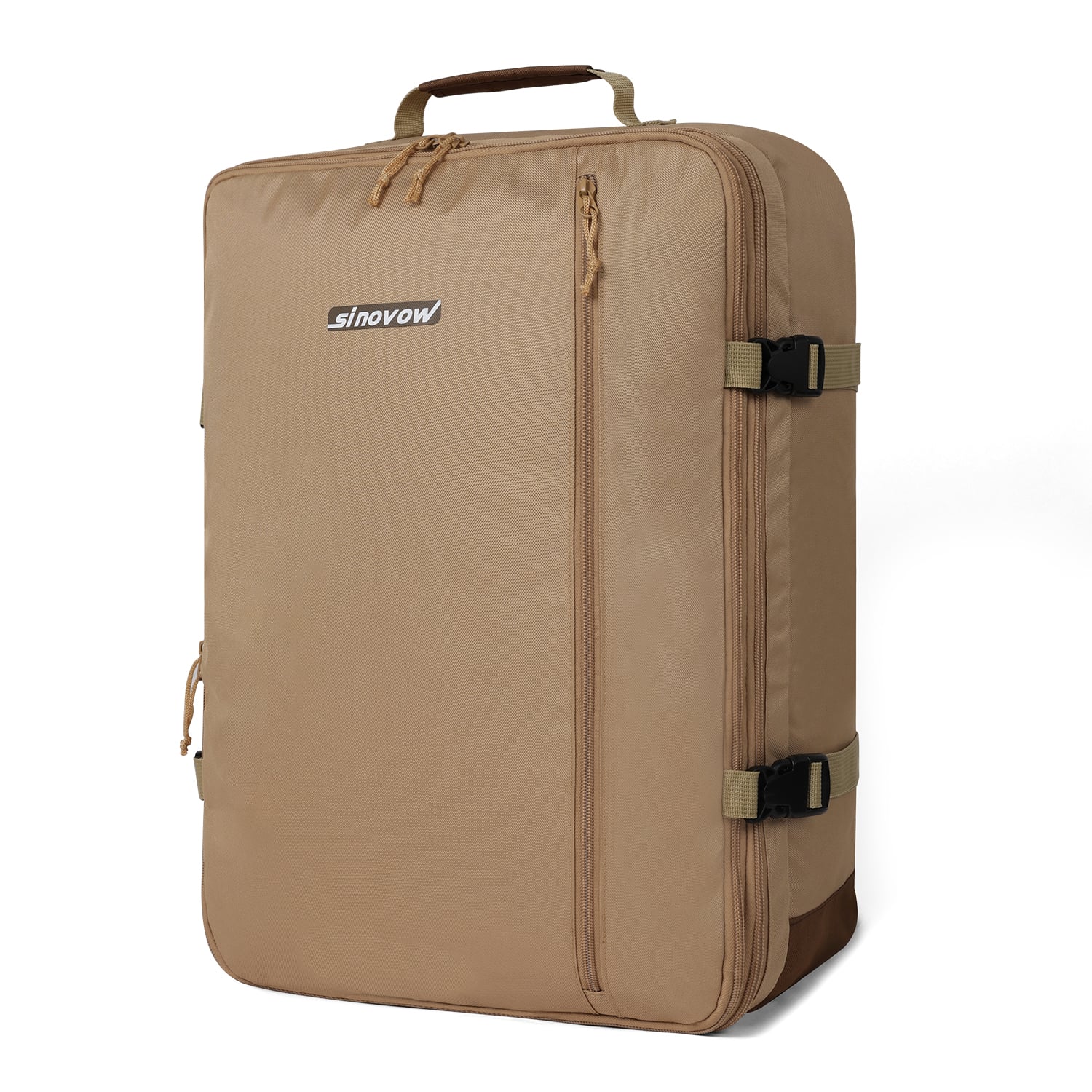
An ergonomic backpack is far more than a convenient storage solution. The design of your backpack directly impacts your physical health, comfort levels, and long-term well-being, especially for professionals who carry their gear daily. A poorly designed backpack can lead to shoulder pain, back strain, and postural problems that accumulate over months and years. Understanding why ergonomic backpack designs matter is essential for anyone who regularly transports equipment, documents, or technology across commutes, offices, or outdoor environments.
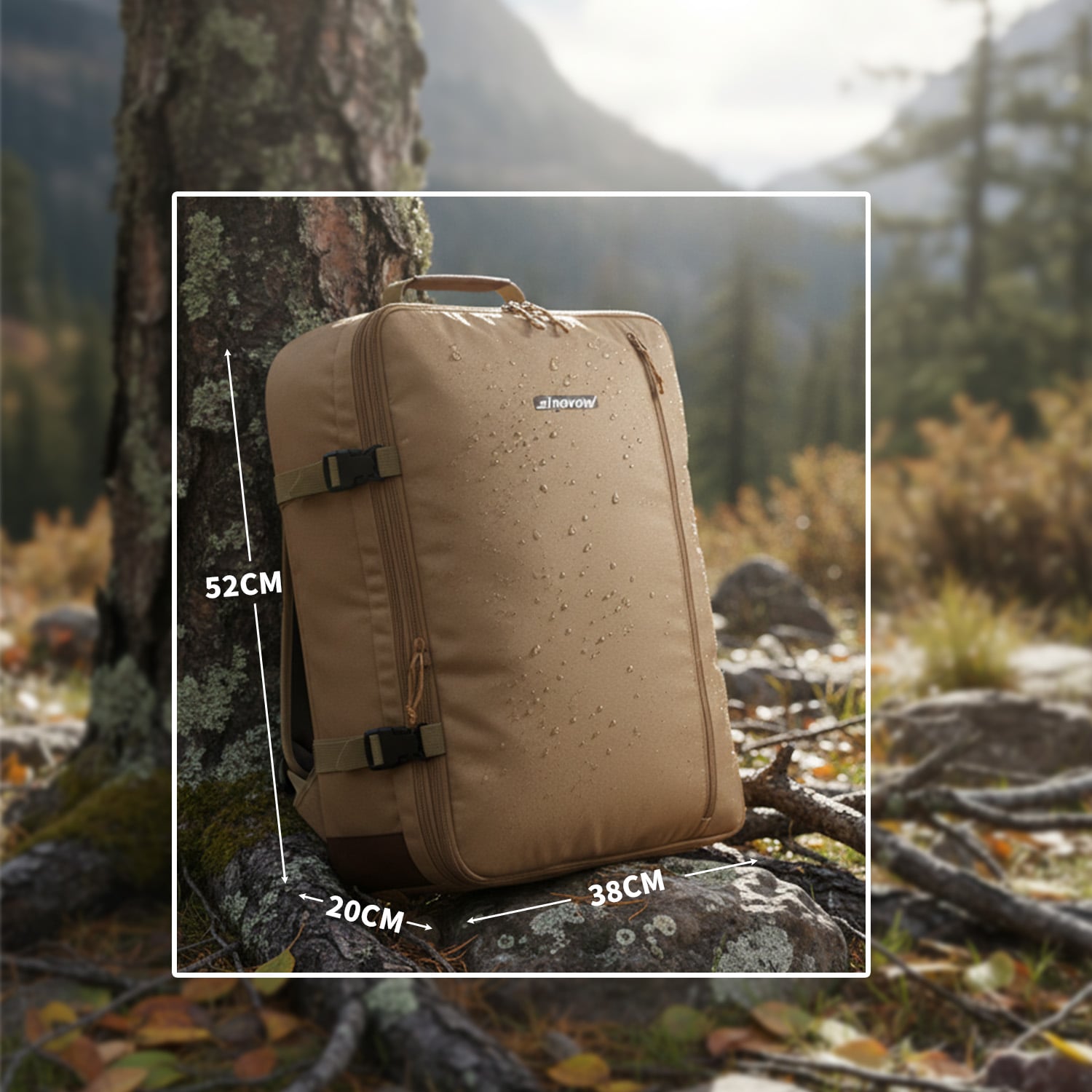
Long-term backpack use without proper ergonomic support exposes your spine, shoulders, and neck to unnecessary stress. Modern work environments demand mobility, and professionals increasingly rely on backpacks to transport laptops, tools, and personal items throughout their day. The difference between a standard bag and an ergonomic design lies in how weight is distributed, how straps engage your shoulders, and how the structure protects your natural posture. This article explores why investing in an ergonomic backpack design is a practical decision for health and productivity.
The Biomechanics of Backpack-Related Strain
How Poor Backpack Design Affects Posture
When a backpack lacks ergonomic design principles, it forces your body to compensate for uneven weight distribution and inadequate support. Straps that cut into shoulders, lack padding, or pull at incorrect angles cause users to lean forward or shift their spine alignment. Over time, this postural compensation becomes habitual, leading to chronic pain in the lower back, neck, and shoulders. An ergonomic backpack design keeps weight centered close to your body and distributes it evenly across your back and hips, maintaining your natural spine curvature.
Long-Term Health Consequences of Poor Support
Research in occupational health confirms that repetitive strain from carrying poorly designed bags contributes to musculoskeletal disorders. Students, professionals, outdoor enthusiasts, and anyone using a climbing bag for extended periods face particular risk. Compressed nerves, inflamed shoulder joints, and disc problems in the lumbar spine emerge after months of daily use with inadequate support. Ergonomic backpack construction prevents these issues by using contoured back panels, adjustable load lifter straps, and padded shoulder harnesses that maintain proper alignment throughout your day.
Key Features of Ergonomic Backpack Design
Anatomical Back Panel and Weight Distribution
An effective ergonomic backpack incorporates a curved, anatomically designed back panel that mirrors your spine's natural shape. This feature reduces pressure points and improves comfort during extended wear. The climbing bag category demonstrates this principle well, as climbers depend on backpack designs that maintain balance and support during physically demanding activities. Air-flow channels embedded in the back panel prevent moisture buildup and allow your back to breathe, reducing fatigue from prolonged contact with the bag. Weight is distributed toward your hips through a structured hip belt, transferring load away from your shoulders and neck.
Strap System and Load Management
Shoulder straps, load lifter straps, and chest stabilizer straps form the critical support system of an ergonomic backpack design. Padded shoulder straps prevent nerve compression and reduce pressure on the clavicle area. Load lifter straps positioned at the top of the pack pull the upper portion of the backpack closer to your body, centering the weight directly above your hips. A chest strap connects the shoulder straps across your torso, stabilizing the load and preventing excessive swaying. Together, these components ensure that your backpack design works with your body rather than against it, minimizing strain during hours of daily use.
Practical Benefits for Daily and Professional Use
Enhanced Comfort and Reduced Fatigue
Professionals who rely on an ergonomic backpack report measurably reduced shoulder and neck fatigue by the end of their workday. Commuters carrying laptops, documents, and personal gear benefit from distributing weight across a larger surface area rather than concentrating it on narrow shoulder straps. Students transporting textbooks and technology throughout campus experience less daily discomfort. The climbing bag tradition demonstrates that proper backpack design enables extended use without discomfort, even under demanding conditions. Ergonomic support translates directly into improved productivity because physical discomfort no longer distracts from focus and performance.
Prevention of Work-Related Injuries
Employers increasingly recognize that backpack-related injury prevention protects their workforce and reduces healthcare costs. Proper ergonomic backpack design prevents the cumulative strain injuries that develop from repetitive daily loading and unloading. Workers using supportive backpack designs miss fewer days due to back pain and maintain better posture throughout their shifts. For field technicians, delivery professionals, and outdoor workers, an ergonomic backpack is not a luxury but a necessary tool for occupational health. The investment in quality backpack design prevents expensive medical interventions and lost productivity from injury-related absences.
FAQ
What makes a backpack ergonomic versus a standard backpack?
An ergonomic backpack incorporates a contoured back panel, padded shoulder and hip straps, load lifter straps, and a weight distribution system that keeps the center of gravity close to your body. A standard backpack typically features basic straps and flat construction without anatomical shaping. Ergonomic backpack designs actively support your spine and shoulders, while standard options offer only passive carrying capacity.
How long can you safely carry a backpack daily without ergonomic support?
Without ergonomic support, you should limit daily backpack use to short periods, ideally under 30 minutes of continuous carrying. Beyond that timeframe, poor backpack design begins stressing your shoulders and back. An ergonomic backpack can be comfortably worn for extended periods, including an entire workday or climbing expedition, because the design actively protects your musculoskeletal system.
Can an ergonomic backpack design help if I already have back pain?
Yes, switching to an ergonomic backpack often reduces existing back pain because proper support removes ongoing strain from your spine. However, consult a healthcare provider about pre-existing pain to rule out underlying conditions requiring medical attention. An ergonomic backpack prevents pain from worsening and supports recovery by eliminating daily aggravation of vulnerable areas.