 EN
EN

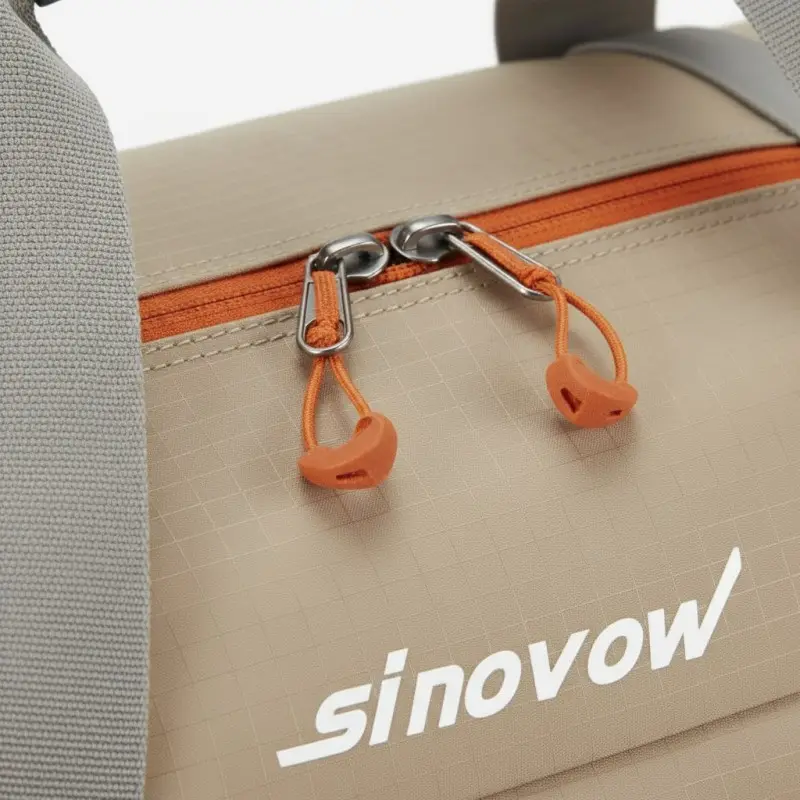
Modern travelers face a fundamental challenge: balancing capacity with portability. The duffle bag has emerged as a solution that directly addresses this tension, yet many people underestimate how critical duffle bag structure actually is for real-world mobility. Understanding why a duffle bag matters goes beyond aesthetics or brand preference—it touches on ergonomics, material science, and the practical realities of movement in today's fast-paced world.
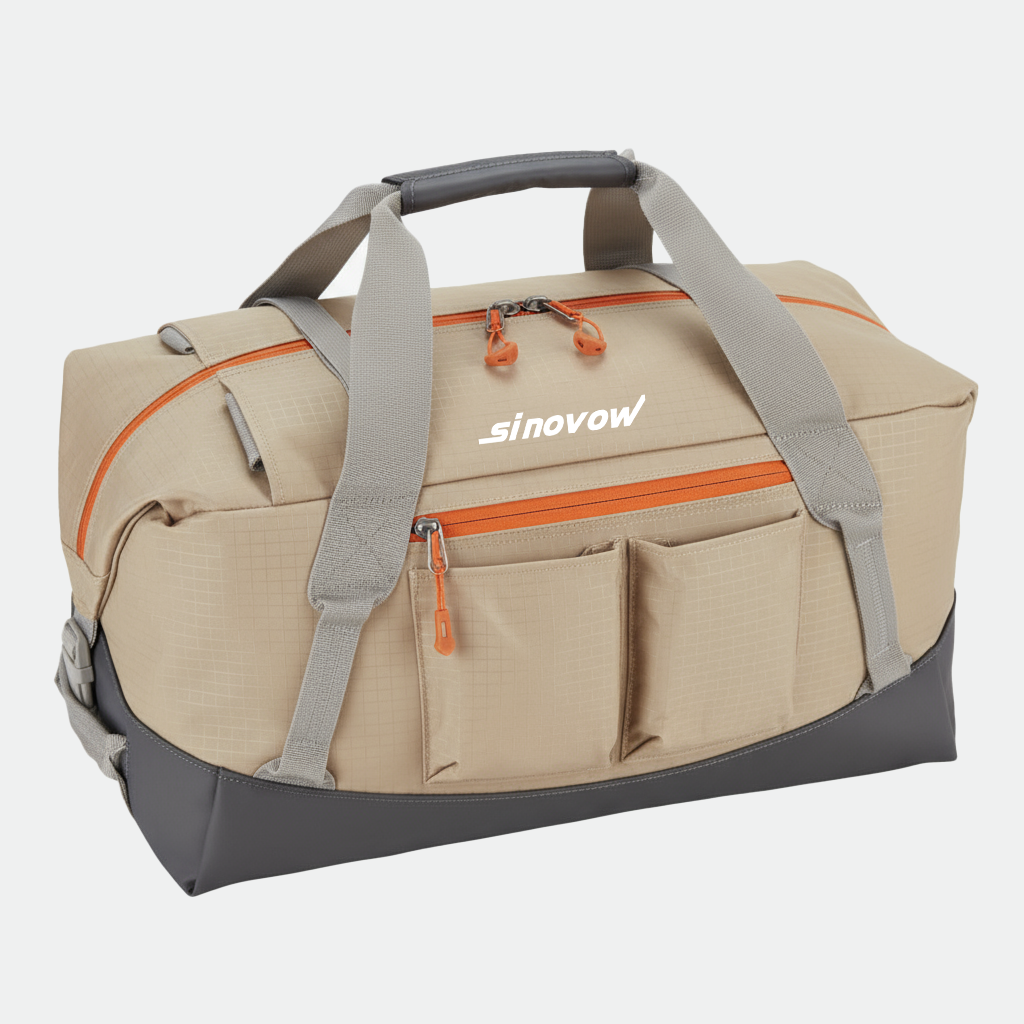
A well-designed duffle bag reduces physical strain, improves access to belongings, and adapts to various travel scenarios. The duffle bag structure—from fabric composition to weight distribution—directly influences how comfortably and efficiently you move through airports, hotels, and unpredictable travel environments. When a duffle bag is properly engineered, it becomes an invisible ally rather than an obstacle.
The Biomechanics of Duffle Bag Weight Distribution
How Lightweight Design Reduces Physical Strain
The human body experiences cumulative stress during travel. Every gram of unnecessary weight in your duffle bag translates into sustained muscle tension across your shoulders, back, and core. A traditional heavy duffle bag can weigh 3–5 pounds even before you add clothing and gear. Over a multi-day journey, this compounds into genuine fatigue and potential injury. A truly lightweight duffle bag begins at 1–2 pounds, immediately reducing the burden on your musculoskeletal system.
The duffle bag design matters because it determines how weight is distributed once loaded. Superior duffle bag construction features reinforced handle systems and properly positioned attachment points that keep the load centered and stable. When a duffle bag's weight hangs asymmetrically, it forces your body to compensate, creating imbalances that lead to neck pain, lower back strain, and shoulder discomfort. A lightweight duffle bag with intelligent structure prevents these secondary injuries entirely.
Load Balance and Carrying Efficiency
Professional travelers and logistics experts understand that a duffle bag's carrying capacity means nothing if the weight cannot be managed ergonomically. The duffle bag structure should feature dual handles positioned symmetrically, allowing balanced hand-carrying, and a padded shoulder strap for cross-body wear when hands-free carrying becomes necessary. This flexibility is why the duffle bag remains preferred for mixed-mode transportation—train, taxi, hotel check-in.
The internal architecture of your duffle bag matters as much as external handles. Segmented compartments prevent load shifting, which occurs when items move freely inside during transport. When your duffle bag maintains a stable internal structure, you experience less dynamic strain with each step and transition. This is why construction-grade materials and strategic reinforcement in a duffle bag design directly impact real-world comfort.
Material Science and Durability in Lightweight Duffle Bag Construction
The Role of High-Performance Fabrics
Lightweight doesn't mean fragile. Modern duffle bag materials like ripstop nylon and advanced polyester blends achieve exceptional strength-to-weight ratios. These advanced duffle bag fabrics can withstand repeated compression, abrasion against pavement and luggage carts, and exposure to moisture without degrading. A quality duffle bag fabric resists tearing and punctures far better than heavier traditional materials, because the fibers are engineered at the molecular level.
The duffle bag construction process determines how these materials perform in real conditions. Taped seams prevent water infiltration and provide structural integrity at stress points. When a duffle bag includes welded or reinforced stitching at handle attachment points, it can support 50+ pound loads repeatedly without fraying or separation. Lightweight doesn't mean compromised durability in well-engineered duffle bag design—it means optimized engineering.
Water Resistance and Environmental Protection
Travel introduces unpredictable environmental exposure. Rain, sprinkler systems, spilled beverages, and humid conditions threaten gear inside an ordinary duffle bag. Advanced duffle bag construction incorporates water-resistant coatings and membrane technologies that add minimal weight while offering substantial protection. A lightweight duffle bag with proper water treatment prevents mold, protects electronics, and maintains fabric integrity throughout extended journeys.
The duffle bag's exterior material also affects how it responds to temperature changes and UV exposure. Inferior fabrics degrade rapidly when exposed to sunlight, becoming brittle and losing elasticity. Premium duffle bag construction uses UV-stabilized materials that maintain flexibility and strength even after months of outdoor exposure. This means your duffle bag performs reliably whether you're traveling through sunny climates or storing it between trips in bright spaces.
Practical Mobility Applications and Real-World Scenarios
Duffle Bag Performance Across Travel Modes
Different travel contexts demand different capabilities from your duffle bag. Airplane travel requires a duffle bag that fits overhead bins while protecting contents from compression. The duffle bag design should incorporate semi-rigid side panels that prevent crushing while remaining flexible enough to squeeze into tight spaces. Train travel benefits from a duffle bag with a shoulder strap for one-handed carrying through crowded stations. A versatile duffle bag accommodates all these scenarios without requiring multiple bags.
Business travelers specifically depend on duffle bag designs that separate dirty clothing from clean items and protect documents or laptops. The duffle bag market has evolved to include internal organizational features—zipper pockets, padded compartments, and dedicated device sleeves—that maintain a lightweight profile while adding functionality. When your duffle bag keeps your belongings organized, you save time during transitions and reduce stress in unfamiliar environments.
Accessibility and Convenience Features
The duffle bag structure should prioritize access patterns typical of travel situations. Top-loading designs work for packing, but a duffle bag with a side zipper or clamshell opening dramatically improves mid-journey access without unpacking everything. Exterior pockets in your duffle bag keep frequently needed items—boarding passes, medications, charging cables—immediately available. These design considerations might seem minor, but they compound into significant quality-of-life improvements during actual travel.
Color and visibility matter more than aesthetic preference alone. A duffle bag in a distinctive color is easier to identify on baggage carousels and less likely to be accidentally grabbed by another traveler. Reflective elements in duffle bag construction improve visibility in low-light transportation hubs. These practical features demonstrate how thoughtful duffle bag engineering addresses real traveler needs rather than imagined desires.
FAQ
Why should I choose a duffle bag over traditional suitcases?
A duffle bag offers superior flexibility compared to rigid suitcases. The duffle bag structure compresses when not fully packed, saves space in vehicles and storage areas, and weighs significantly less. Unlike suitcases, a duffle bag can fit into overhead bins more reliably, costs substantially less initially, and requires no maintenance of wheels or locking mechanisms. For casual travel and adventure scenarios, a duffle bag outperforms suitcases entirely.
How much weight can a quality duffle bag actually support?
A properly constructed duffle bag can safely handle 50–80 pounds depending on fabric quality and seam integrity. However, practical comfort suggests keeping a duffle bag load under 35 pounds for hand-carrying and under 50 pounds if you're using a shoulder strap. The duffle bag's rated capacity matters less than your physical comfort—exceeding personal limits defeats the mobility benefits that make a duffle bag valuable in the first place.
Can a lightweight duffle bag protect fragile items?
Yes, when a duffle bag includes compartmentalization and padded sections. Lightweight doesn't mean lacking protection—modern duffle bag materials absorb shock effectively, and segmented interiors minimize movement of fragile items. Adding internal dividers or packing fragile items in the duffle bag's center surrounded by soft clothing provides substantial protection. Many travelers successfully transport electronics, glassware, and delicate equipment inside a lightweight duffle bag without damage.