 EN
EN

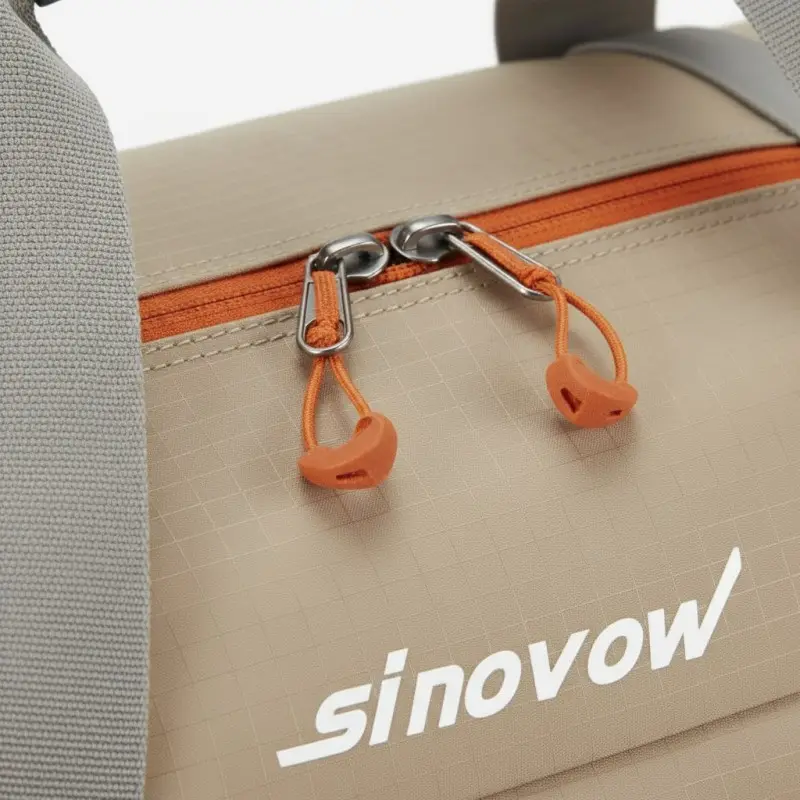
When you invest in a duffle bag for regular travel and daily commutes, the materials used in its construction directly determine how long it will perform reliably. A duffle bag that withstands frequent use depends heavily on fabric selection, stitching methods, and overall build quality. Understanding which materials contribute to superior duffle bag performance helps you make informed purchasing decisions and avoid replacements due to premature wear.
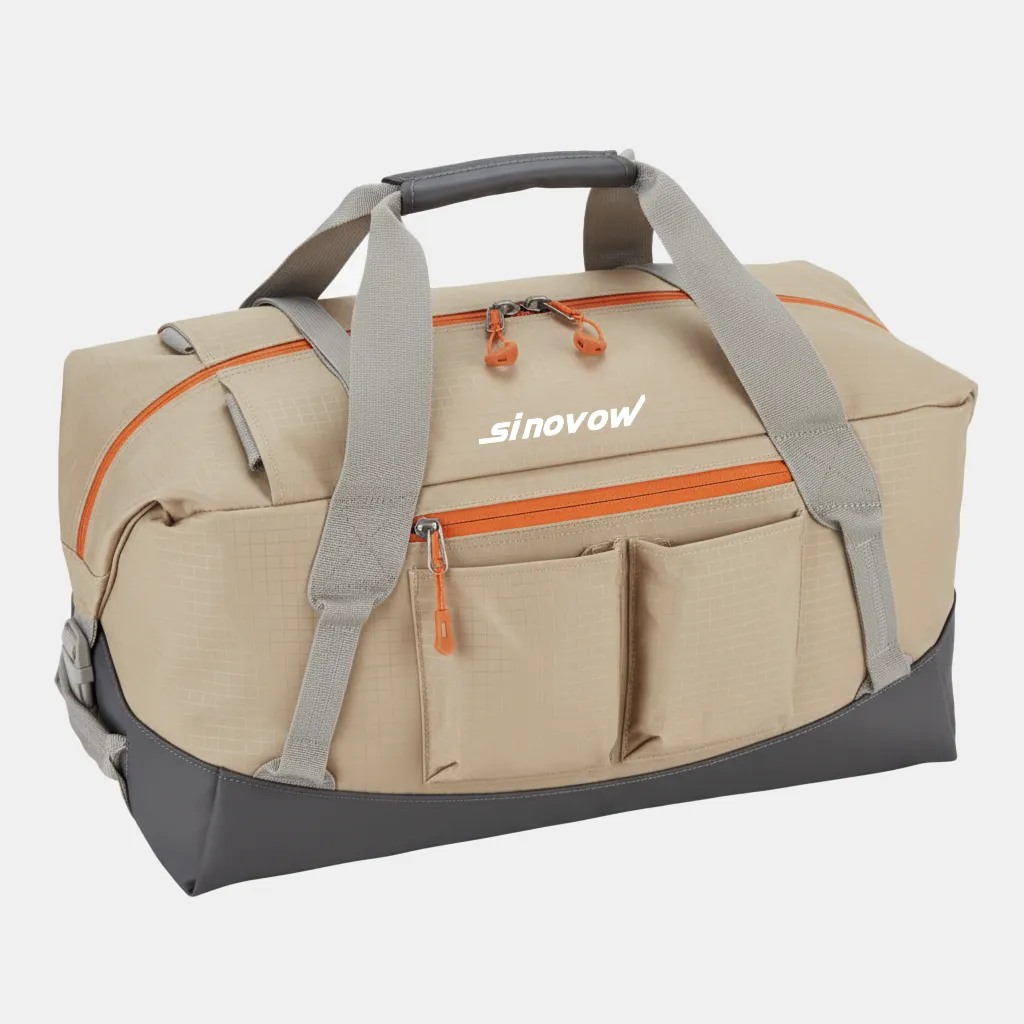
The durability of your duffle bag is not random. It results from deliberate material choices made during manufacturing. Premium fabrics, reinforced stitching, and protective coatings all work together to create a duffle bag that resists tearing, water damage, and structural failure even under demanding conditions. This article explores how specific material properties impact duffle bag longevity and what to look for when selecting a travel bag built to last.
Fabric Selection and Weave Quality
Natural versus Synthetic Fibers in Duffle Bags
The base material of any duffle bag significantly influences its durability profile. Natural fabrics like canvas and cotton offer traditional appeal and breathability, but synthetic materials such as nylon and polyester deliver superior performance in high-stress environments. A duffle bag made from high-denier polyester or nylon withstands abrasion far better than lighter fabrics, making it ideal for frequent travelers who drag their bags through airports and rough terrain. The weave density of the fabric—measured in denier—directly correlates to how much abuse a duffle bag can endure before showing signs of wear.
Denier Rating and Impact Resistance
Denier is the weight measurement of synthetic fibers, and higher denier fabrics create tougher, more durable duffle bag exteriors. A duffle bag with 1000-denier or higher fabric resists punctures, cuts, and scuffing from rough handling. Lower-denier duffle bag materials may feel lighter and softer, but they compromise durability during heavy use. Professional travel bags and commercial duffle bag models typically feature 1200-denier to 1680-denier fabrics specifically because these high-denier materials prevent the fabric from degrading after repeated stress. When examining a duffle bag, checking the fabric denier tells you immediately whether the bag is engineered for casual use or demanding travel conditions.
Stitching Methods and Seam Reinforcement
Stitch Density and Thread Quality
Even the finest duffle bag fabric fails prematurely if stitching is weak or poorly executed. Thread quality and stitch density determine whether seams in a duffle bag will hold during years of heavy use. Industrial duffle bag manufacturing uses bonded polyester thread rated for strength and UV resistance, which prevents thread degradation over time. A duffle bag with stitches spaced too far apart will begin unraveling within months, while a properly constructed duffle bag features stitches spaced at 10–12 per inch along all stress points. The difference between average and exceptional duffle bag durability often comes down to this invisible detail: thread quality and stitch precision.
Double-Stitching and Stress-Point Reinforcement
Handles and corners endure the most stress on any duffle bag, which is why premium duffle bag designs employ double or triple stitching at these high-stress zones. A duffle bag that lasts through frequent use features reinforced stitching around the handle attachment points, bottom corners, and zipper areas. Some manufacturers add internal fabric patches under seams to distribute load and prevent tearing, a technique that significantly extends duffle bag service life. This reinforcement strategy means your duffle bag can withstand the constant flexing and strain that comes from being lifted, dragged, and packed repeatedly without the seams splitting or handles detaching.
Protective Coatings and Water Resistance
Water-Resistant and Water-Proof Treatments
Environmental damage accelerates material breakdown, making water resistance a critical durability factor for any duffle bag. A duffle bag treated with polyurethane or silicone coating resists moisture penetration and prevents mildew growth that can weaken fibers over time. Water-resistant duffle bag treatments also protect against salt water, which is especially important for travelers near coastal areas or humid climates. The coating on a quality duffle bag creates a protective barrier that extends the life of the underlying fabric by preventing the material from absorbing moisture that leads to rot, discoloration, and structural weakness.
UV Protection and Chemical Resistance
Sun exposure gradually degrades any duffle bag material through UV radiation, causing colors to fade and fibers to become brittle. Premium duffle bag manufacturers add UV-resistant coatings to protect the fabric from sun damage, an especially important feature for travelers who store their duffle bag in vehicles or leave it exposed during outdoor activities. Chemical-resistant treatments also shield your duffle bag from spills, fuel vapors, and pollutants that can weaken synthetic materials. A duffle bag with these protective coatings maintains its structural integrity far longer than an untreated duffle bag, making it a worthwhile investment for serious travelers.
Hardware Components and Zipper Systems
Zipper Quality and Failure Points
Zippers represent a common failure point on many duffle bag designs, yet zipper quality varies dramatically across price points. Premium duffle bag manufacturers use heavy-duty YKK zippers or similar high-grade systems rated for thousands of open-close cycles. A cheap duffle bag often features low-grade zippers that jam, break, or separate within the first year of use, while a well-engineered duffle bag employs zippers with reinforced slider mechanisms and corrosion-resistant materials. The zipper on your duffle bag bears enormous stress during packing, unpacking, and transit, so investing in a duffle bag with quality zippers is essential for long-term reliability.
Handle and Attachment Hardware
Metal and plastic hardware on a duffle bag must withstand constant lifting, loading, and environmental exposure. A durable duffle bag features stainless steel or coated metal hardware that resists corrosion, rather than cheap materials that rust or break easily. Attachment points where handles connect to the duffle bag frame require heavy-duty rivets or metal plates to distribute stress effectively. When examining a duffle bag, inspecting the hardware quality reveals much about the manufacturer's commitment to durability. Superior hardware ensures your duffle bag remains functional and secure even after years of demanding use.
FAQ
What fabric is best for a duffle bag that will be used frequently?
High-denier polyester or nylon fabric is ideal for a duffle bag that undergoes frequent use. A duffle bag constructed from 1200-denier to 1680-denier material provides excellent resistance to abrasion, punctures, and scuffing while remaining lightweight enough for comfortable travel. These synthetic materials also dry quickly and resist mildew, making them superior to natural fibers for a duffle bag subjected to heavy use in variable conditions.
How do stitching methods affect duffle bag longevity?
Stitching quality directly determines how long a duffle bag will last. A duffle bag with bonded polyester thread and 10–12 stitches per inch will hold together far longer than a duffle bag with widely spaced stitches and standard thread. Double or triple stitching at stress points like handles and corners prevents a duffle bag from unraveling prematurely, making this detail critical for durability in frequent use scenarios.
Do water-resistant coatings really extend duffle bag lifespan?
Yes, water-resistant treatments significantly extend duffle bag durability by preventing moisture from weakening the underlying fabric. A duffle bag with polyurethane or silicone coating resists mildew growth, salt water damage, and UV degradation that would otherwise compromise the material over time. This protective barrier is particularly valuable for travelers in humid climates or those storing their duffle bag in damp environments, ensuring your duffle bag remains functional and structurally sound for many years.