 EN
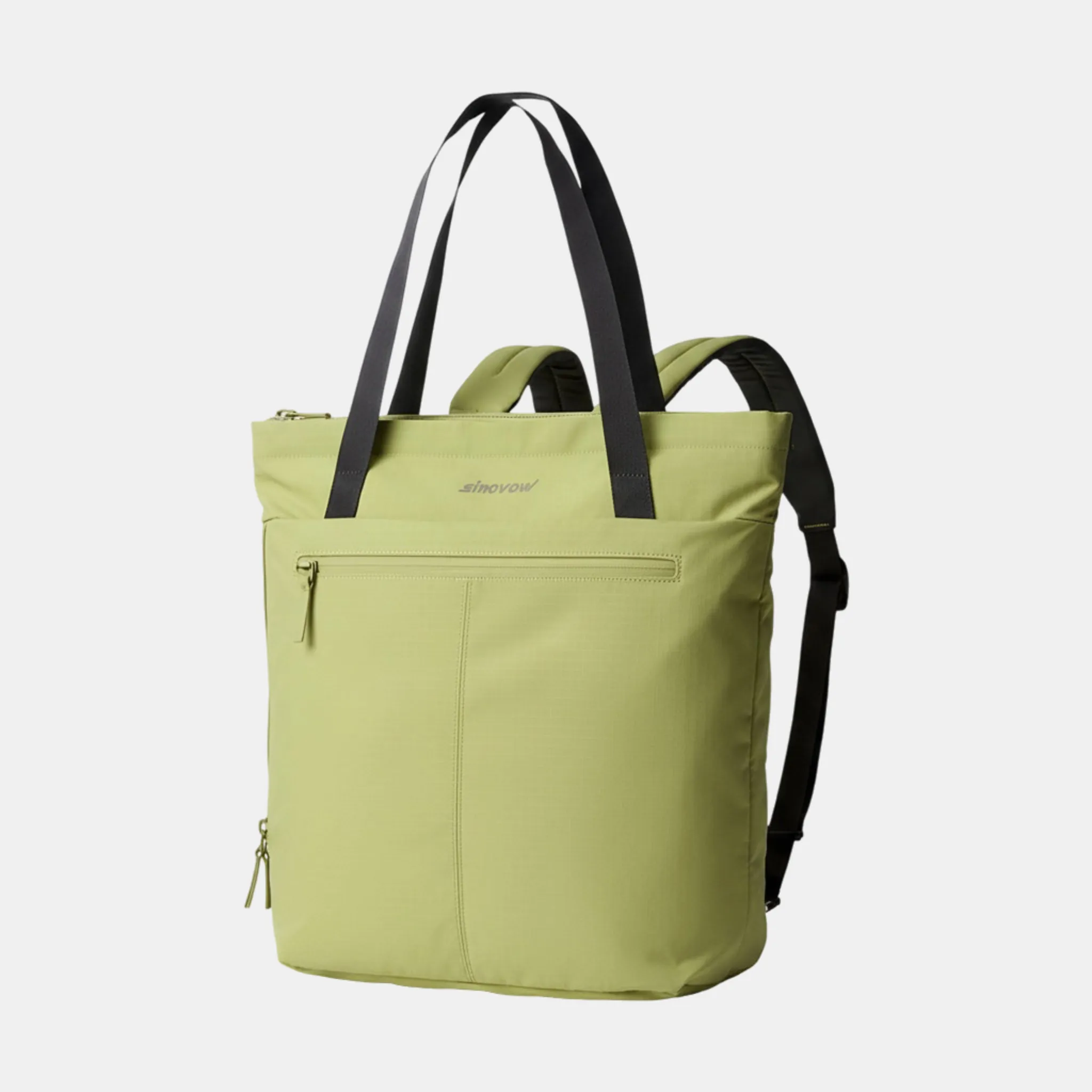
The global outdoor distribution market demands reliable, high-performance gear that meets the exacting standards of professional retailers and adventurous consumers alike. An ultra bag represents a critical component of this ecosystem, offering distributors the flexibility to source premium products that align with their brand identity and customer expectations. OEM ultra bag production provides a strategic pathway for outdoor distributors to access custom-designed, quality-assured products without the overhead of in-house manufacturing. This approach allows distributors to focus on sales, marketing, and customer relationships while their OEM partner handles design optimization, material sourcing, production management, and quality control. Understanding how ultra bag production works at the OEM level enables distributors to make informed decisions about partnerships, capacity planning, and product innovation.
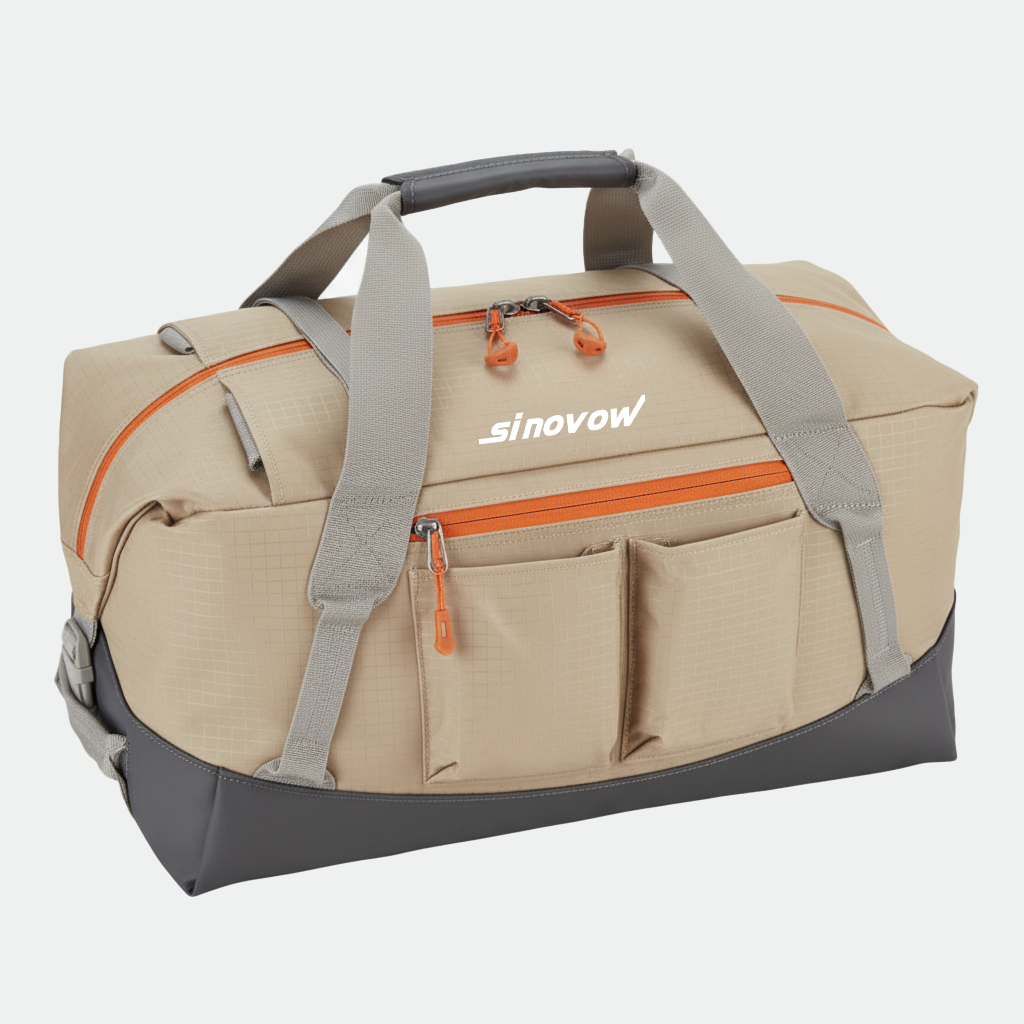
For outdoor distributors operating across multiple regions and market segments, securing a dependable ultra bag supplier is essential to maintaining competitive advantage. An ultra bag production partnership with an experienced OEM manufacturer transforms the way distributors operate, offering scalability, customization flexibility, and consistent quality that standalone manufacturing cannot match. This article explores the core aspects of OEM ultra bag production, including design integration, manufacturing workflows, quality assurance, and logistics coordination. By understanding these dimensions, distributors can evaluate potential ultra bag partners, negotiate favorable terms, and build long-term relationships that support sustainable growth in the outdoor equipment sector.
Design and Customization Framework for Ultra Bag Production
Understanding Custom Ultra Bag Specifications
Custom ultra bag design begins with a comprehensive assessment of distributor requirements, market demand, and end-user performance expectations. An effective ultra bag must balance weight, durability, storage capacity, ergonomic features, and aesthetic appeal to succeed in competitive outdoor markets. OEM manufacturers collaborate with distributors to translate market insights into technical specifications, material selections, and manufacturing parameters. The ultra bag design phase incorporates feedback from field testers, retail partners, and target customer segments to ensure the final product meets real-world performance standards. This iterative process reduces costly redesigns later and accelerates time-to-market for new ultra bag offerings.
Material Selection and Component Integration
The quality of an ultra bag depends directly on material selection, component sourcing, and assembly techniques. OEM ultra bag manufacturers maintain relationships with certified suppliers of waterproof fabrics, reinforced stitching materials, durable zippers, and ergonomic straps that meet international durability standards. An ultra bag designed for global distribution must perform across diverse climate conditions, from humid tropical environments to cold, dry mountain regions. Material testing protocols ensure that an ultra bag maintains structural integrity, water resistance, and color fastness throughout its intended service life. By consolidating material sourcing at the OEM level, ultra bag production achieves economies of scale, allowing distributors to offer premium products at competitive price points while maintaining healthy margins.
Manufacturing Workflow and Production Management
Production Capacity Planning and Scheduling
Effective ultra bag production requires sophisticated capacity planning, demand forecasting, and manufacturing schedule coordination. An experienced OEM manufacturer maintains modular production lines capable of manufacturing multiple ultra bag variants simultaneously, accommodating seasonal demand fluctuations and regional market preferences. Ultra bag production schedules are aligned with distributor sales forecasts, ensuring adequate inventory without excessive working capital requirements. Lead time management becomes critical when ultra bag orders must travel across continents; OEM partners typically offer multiple production windows throughout the year to accommodate distributor planning cycles. By consolidating orders from multiple distributors, ultra bag manufacturers achieve higher utilization rates, lower unit costs, and faster turnaround times than traditional manufacturing approaches.
Quality Assurance and Production Monitoring
Every ultra bag produced under OEM arrangements undergoes rigorous quality inspection at multiple stages of the manufacturing process. An ultra bag quality assurance program includes incoming material verification, in-process inspections during assembly, and final product testing before shipment. Advanced ultra bag manufacturers employ statistical process control, automated testing equipment, and documented inspection protocols that meet ISO 9001 standards and exceed distributor expectations. When quality issues arise, ultra bag manufacturers maintain corrective action processes that identify root causes, implement solutions, and prevent recurrence. This commitment to excellence protects distributor reputation and customer satisfaction, reducing warranty claims and returns that would otherwise erode profitability.
Logistics, Delivery, and Distribution Support
Supply Chain Coordination and Shipment Management
OEM ultra bag production typically includes end-to-end logistics coordination, from factory gate to distributor warehouse. An ultra bag manufacturer with global export experience understands international customs procedures, documentation requirements, and shipping route optimization that minimizes transit times and costs. Ultra bag shipments are consolidated strategically to balance container utilization against distributor delivery schedules, reducing per-unit shipping expenses. Modern ultra bag manufacturers provide real-time shipment tracking, allowing distributors to monitor inventory in transit and plan warehouse reception. This coordinated approach to ultra bag logistics ensures products arrive in excellent condition, on schedule, and with minimal administrative burden on the distributor.
Inventory Optimization and Market Responsiveness
A responsive ultra bag production partnership enables distributors to adjust inventory levels rapidly in response to market trends and customer demand changes. Rather than committing to fixed annual ultra bag volumes, sophisticated OEM arrangements offer flexible order quantities with tiered pricing that rewards larger orders while accommodating smaller batch requests. An ultra bag manufacturer positioned near major shipping hubs can dramatically reduce lead times, allowing distributors to respond to emerging market opportunities faster than competitors. This agility in ultra bag production and delivery transforms the distributor's competitive position, enabling rapid market penetration when new customer segments emerge or seasonal demand spikes unexpectedly.
Partnering Strategy and Relationship Management
Selecting the Right Ultra Bag Manufacturer
Choosing a reliable OEM partner for ultra bag production requires evaluating manufacturing capabilities, quality certifications, financial stability, and cultural alignment. An effective ultra bag partnership begins with site visits, production audits, and sample evaluation that confirm the manufacturer's technical competence and commitment to excellence. Experienced distributors request references from other ultra bag clients, review quality documentation, and verify that the manufacturer maintains adequate business liability insurance and intellectual property protections. An ultra bag manufacturer with proven experience serving outdoor brands, international certifications, and transparent pricing provides the stability and credibility that supports long-term growth. The selection process, while requiring upfront investment, prevents costly disputes and performance failures that arise when ultra bag manufacturers lack necessary expertise or commitment.
Building Strategic Communication and Continuous Improvement
Long-term success in ultra bag sourcing depends on establishing clear communication channels, regular performance reviews, and collaborative innovation initiatives. Progressive ultra bag manufacturers conduct periodic business reviews with key distributors, analyzing sales data, customer feedback, and market trends to identify product improvements and new opportunities. An ultra bag partnership that includes quarterly meetings, transparent reporting, and joint problem-solving creates alignment between manufacturer objectives and distributor growth ambitions. When challenges emerge—supply disruptions, quality variations, or changing customer preferences—strong ultra bag relationships withstand pressure through established communication protocols and mutual commitment to resolution. This collaborative approach transforms the ultra bag manufacturer from a transactional supplier into a strategic partner invested in distributor success.
FAQ
What makes OEM ultra bag production more cost-effective than in-house manufacturing?
OEM ultra bag production eliminates capital investment in manufacturing equipment, facility overhead, workforce training, and quality infrastructure that in-house operations require. An ultra bag manufacturer spreads these fixed costs across multiple distributors, reducing the per-unit expense significantly. Additionally, an ultra bag OEM maintains established supplier relationships, production optimization expertise, and economies of scale that individual distributors cannot replicate. Distributors avoid the operational complexity of managing ultra bag production while accessing professional-grade quality and innovation benefits that strengthen competitive positioning.
How does an ultra bag manufacturer ensure consistent quality across multiple production runs?
Professional ultra bag manufacturers implement comprehensive quality systems that include material certification, documented assembly procedures, statistical process control, and multi-stage inspection protocols. Each ultra bag undergoes testing for water resistance, seam strength, zipper functionality, and overall durability before shipment. An ultra bag manufacturer maintains detailed specifications for every component, fabric weight, and assembly technique, ensuring consistency across production batches regardless of timing or volume. Quality documentation provides distributors with confidence that every ultra bag meets promised performance standards, supporting customer satisfaction and brand reputation.
What production lead times should distributors expect for custom ultra bag orders?
Ultra bag production lead times typically range from 6 to 12 weeks, depending on design complexity, order quantity, and material availability. A straightforward ultra bag design using standard materials may require 6 to 8 weeks from order confirmation to shipment. Custom ultra bag designs incorporating unique features, specialized materials, or branding elements may extend to 10 to 12 weeks. Many ultra bag manufacturers offer expedited production options for additional fees, and strategic distributors coordinate with manufacturers to align multiple product launches with available production windows, optimizing lead times and reducing inventory carrying costs.